Pirin National Park
"We hiked up out of a wine town and by lunch we were standing on granite next to a lake so cold it made my ankles ache."
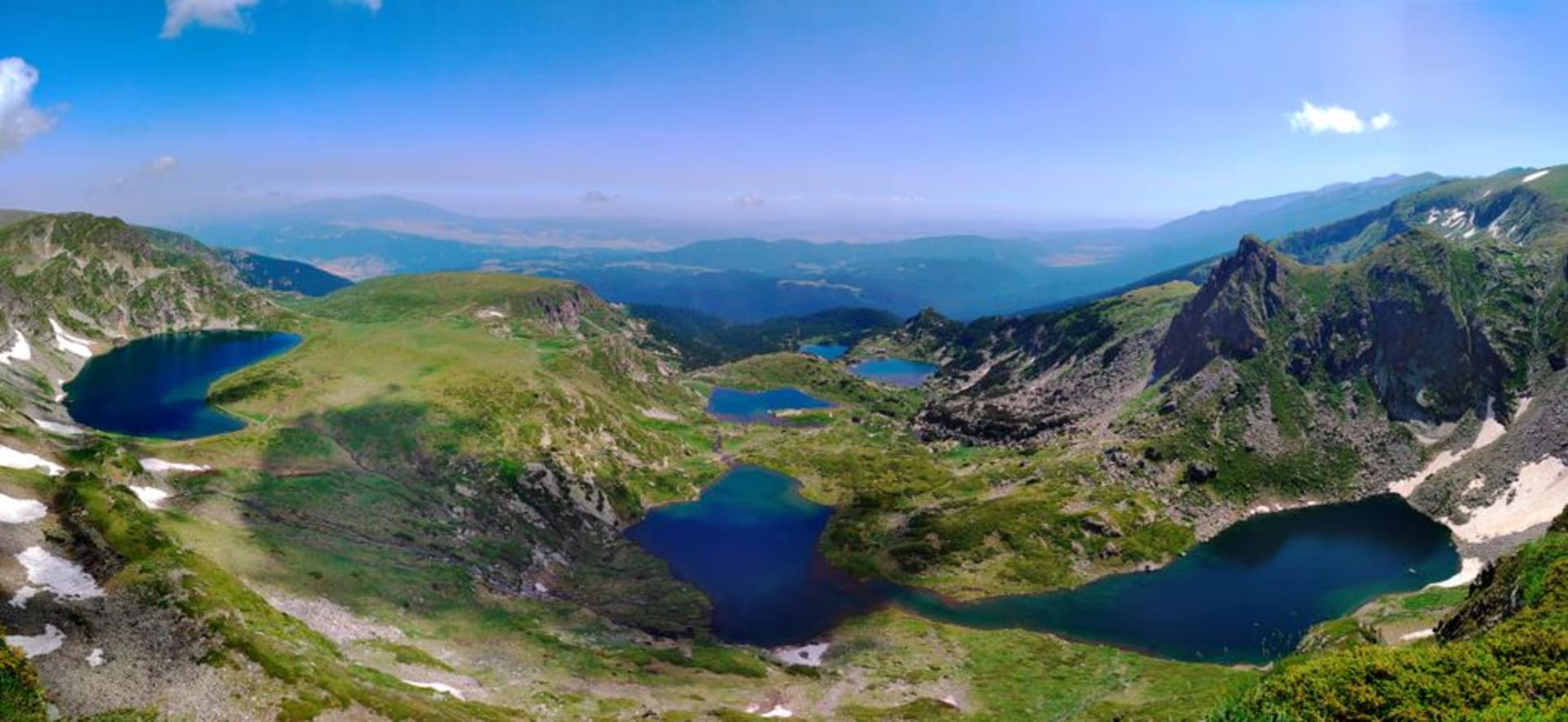
Granite peaks and glacial lakes rising sharply above Melnik's vineyards, quieter and rawer than Bulgaria's better-known Rila range.

The thing that still gets me about Pirin is the contrast in altitude and mood over such a short drive. We’d spent two days in Melnik down in the valley, tasting the dark, almost syrupy local wine and sleeping in a stone guesthouse where the walls were a meter thick, and then within an hour of driving we were parked at a trailhead with actual snow patches in July, staring up at granite spires that looked more like the Dolomites than anything I associated with Bulgaria beforehand. Pirin doesn’t get the crowds Rila does — most people who make it to Bulgaria’s mountains beeline for the Seven Rila Lakes — and that suited us fine.
We hiked from Vihren hut up toward Kazanite, a cluster of glacial lakes tucked in a rocky bowl below Vihren peak, Bulgaria’s second highest at just over 2,900 meters. The trail wasn’t technical, but it was long enough and steep enough in sections that Lia and I stopped talking for a good stretch near the top, just breathing. The lakes themselves are that improbable turquoise-green that glacial water does, ringed by bare granite that still holds snow well into summer. We ate lunch on a rock slab with our feet in water so cold my toes went numb in under a minute — worth it for the view of Vihren’s north face, which drops in this sheer wall that makes the whole basin feel enclosed, private, like nobody else knows it’s there.

What surprised me most was the pine. Pirin has some of the oldest trees in Europe — Baikushev’s pine, a single individual estimated at well over a thousand years old, stands gnarled and half-hollow near Bansko, and there are whole forests of Bosnian pine that have been growing since before most European borders existed in their current form. Walking through them on the descent, with the light going low and orange through the canopy, felt like a completely different park than the alpine rock we’d been on two hours earlier.

We based ourselves in Bansko, which functions as the gateway town and ski resort in winter, but honestly Melnik made the better base for us — smaller, slower, and you get the added bonus of falling asleep with a glass of local wine in you after a day above the treeline. Do both if you can; Pirin rewards people willing to combine the mountain with the valley below it.
When to go: July through September for snow-free trails and access to the high lakes; the park turns into a ski area around Bansko from December through March if you’d rather see it under snow.
Keep exploring
More from Bulgaria
 bulgaria
Plovdiv
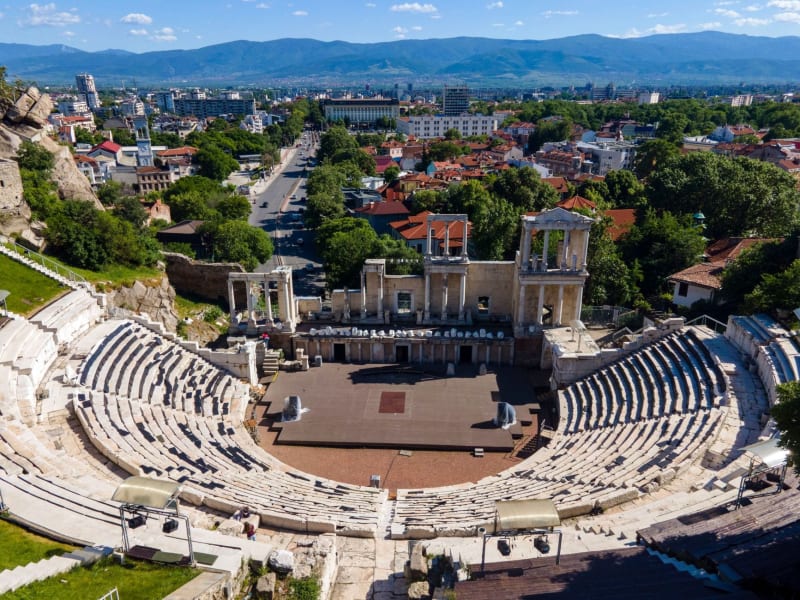
Built across seven hills and settled since the Neolithic era, Bulgaria's second city is a canvas of Roman theatres and colorful revival houses.
Explore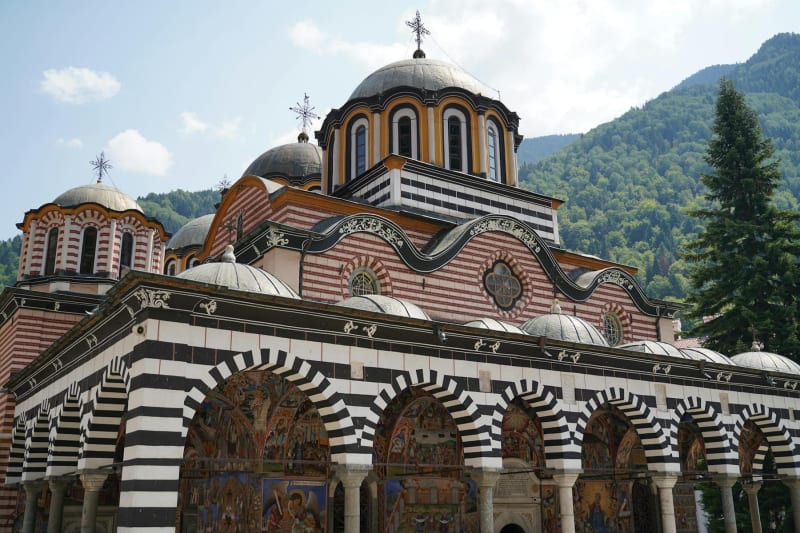 bulgaria
Rila Monastery
Nestled in forested mountain gorges, Bulgaria's spiritual heart blazes with striped arches and frescoes that stun even the most secular visitor.
Explore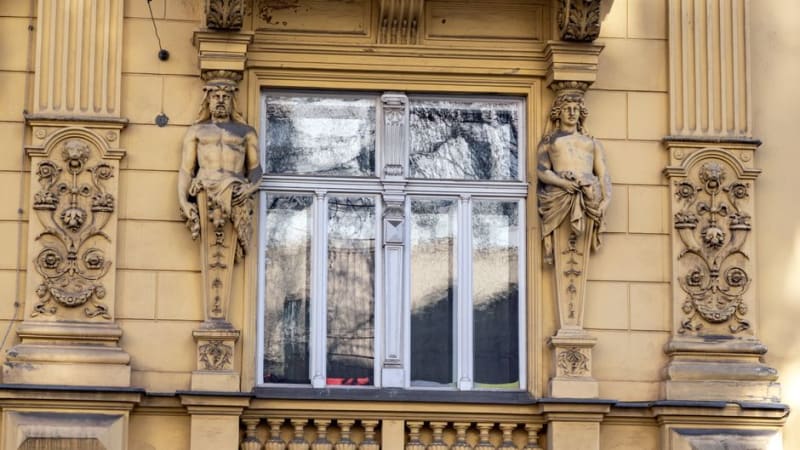 bulgaria
Ruse
A Danube river city whose grand Belle Epoque façades still whisper the Vienna it once tried so hard to imitate.
Explore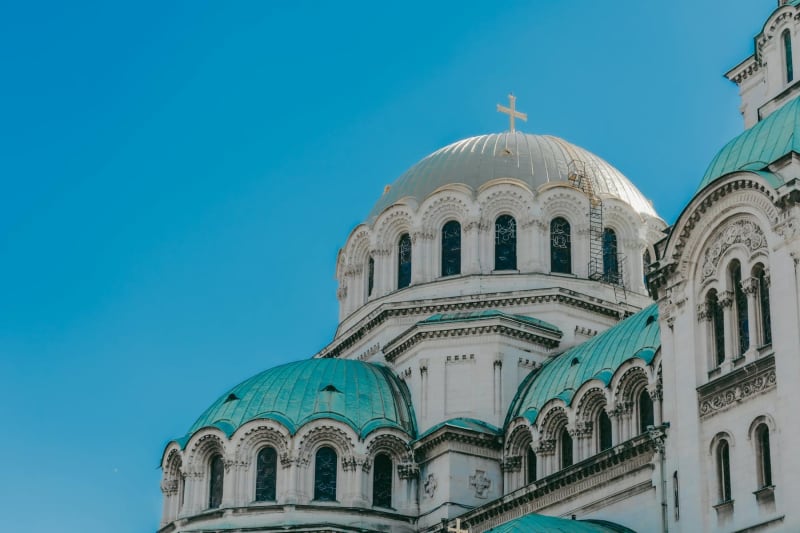 bulgaria
Sapareva Banya
A Bulgarian spa village with Europe's only inland geyser, steaming beside trails into the Rila mountain foothills.
Explore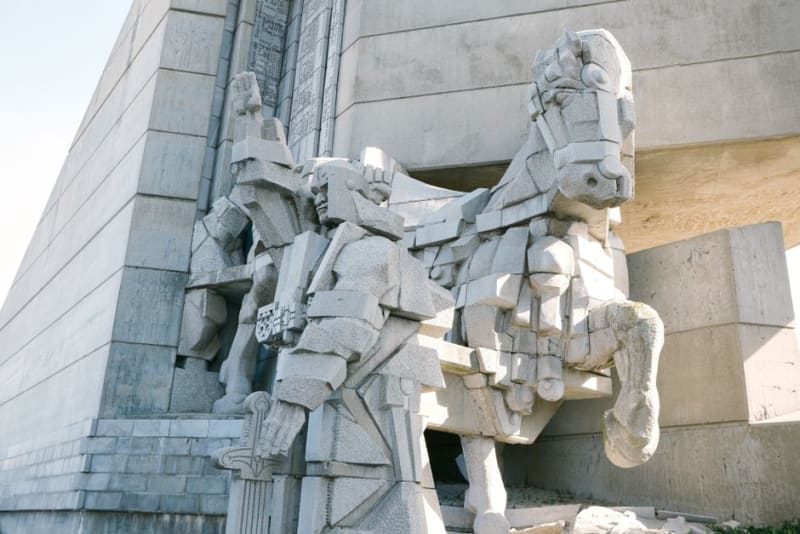 bulgaria
Shumen
A quiet Bulgarian town overshadowed, literally, by a colossal Soviet-era monument and a plateau full of forgotten medieval capitals.
Explore bulgaria
Sofia
Eastern Europe's most underrated capital layers Roman ruins beneath Orthodox churches and Soviet-era grandeur, all at bargain prices.
Explore