Crozon Peninsula
"Pen-Hir on a November morning: just me, the Atlantic, and the particular silence of somewhere that doesn't care whether you're there."
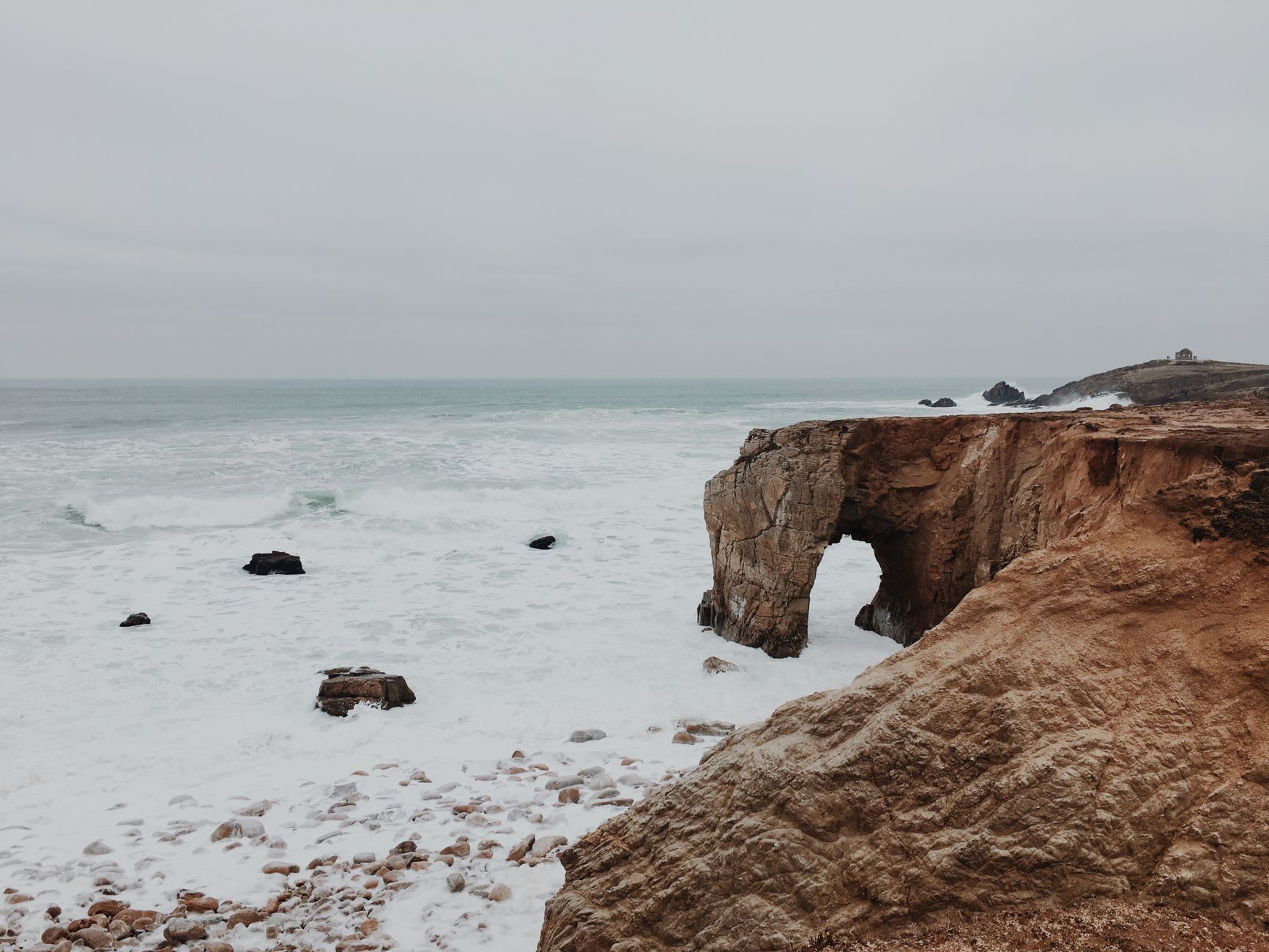
The Crozon Peninsula doesn’t announce itself. You drive through a landscape of small farms and pine windbreaks, through the town of Crozon itself which is entirely ordinary, and then suddenly the road ends and there is nothing in front of you but air and the Atlantic Ocean. I pulled over at Pointe de Pen-Hir on a November morning when the wind was coming in from the southwest hard enough to lean into, and stood at the edge of sandstone cliffs that dropped straight down forty metres to rocks and foam. The Tas de Pois — a chain of offshore stacks rising from the water like broken teeth — were half-obscured by spume. I stood there for a long time saying nothing because there wasn’t anything useful to say.
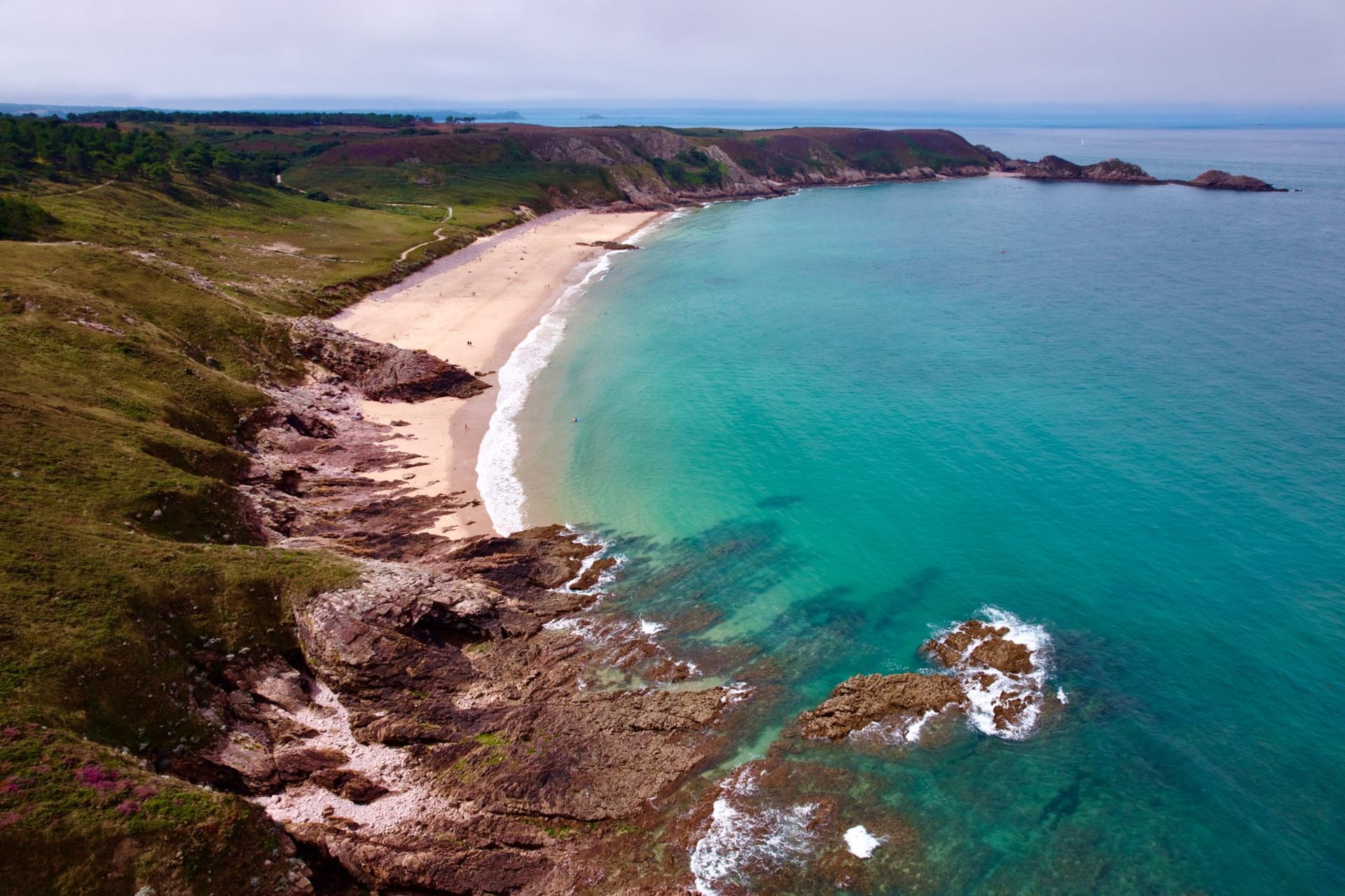
The GR34 coastal path traces the entire perimeter of the peninsula — roughly ninety kilometres of walking if you do the whole thing, past beaches of such improbable colour that in photographs they look manipulated. The Plage de la Palue on the western coast is where the Atlantic surf runs longest and hardest, and on the day I walked down to it there were six surfers in the lineup and nobody else on the two kilometres of sand. The water was the colour of cold jade. I ate a sandwich on a rock and watched the sets come in and thought about how far it was to the next landmass in that direction. The answer is the coast of Nova Scotia.
The Pointe des Espagnols at the northern tip of the peninsula overlooks the Rade de Brest — the vast natural harbour that the French navy has used for centuries, and where a string of fortifications line the narrow mouth of the bay. The military history here is layered and strange: German bunkers sit next to French Vauban fortresses sit next to Neolithic standing stones, all three civilizations having independently concluded that this particular headland was worth defending.

I stayed in Camaret-sur-Mer, the peninsula’s main port town, in a room above a crêperie. Camaret is the kind of fishing port that has been declining gracefully for decades — a few working boats still, a beach littered with the hulls of old wooden vessels left to decompose at the waterline, a naval tower built by Vauban in 1689 that now serves as a museum. I had dinner at a place by the port that served a grilled lobster with salted butter and bread, nothing else, and that was enough.
When to go: June offers long light and gorse in full yellow bloom. September and October bring fewer people and the kind of dramatic weather that makes the cliffs look their most elemental. The walking is excellent year-round but requires proper waterproofs in any season.