Europe
Brittany
"Brittany reminds me that France is not just wine and sunlight."
I arrived at Quimper on a Tuesday in October — not the month anyone recommends, but that’s usually when I travel. The train from Paris had taken four hours, and by the time we pulled in, a horizontal drizzle had settled over the town like it intended to stay. I ate a buckwheat galette stuffed with andouille and a fried egg at a crêperie two blocks from the station, and I thought: yes, this is exactly right.
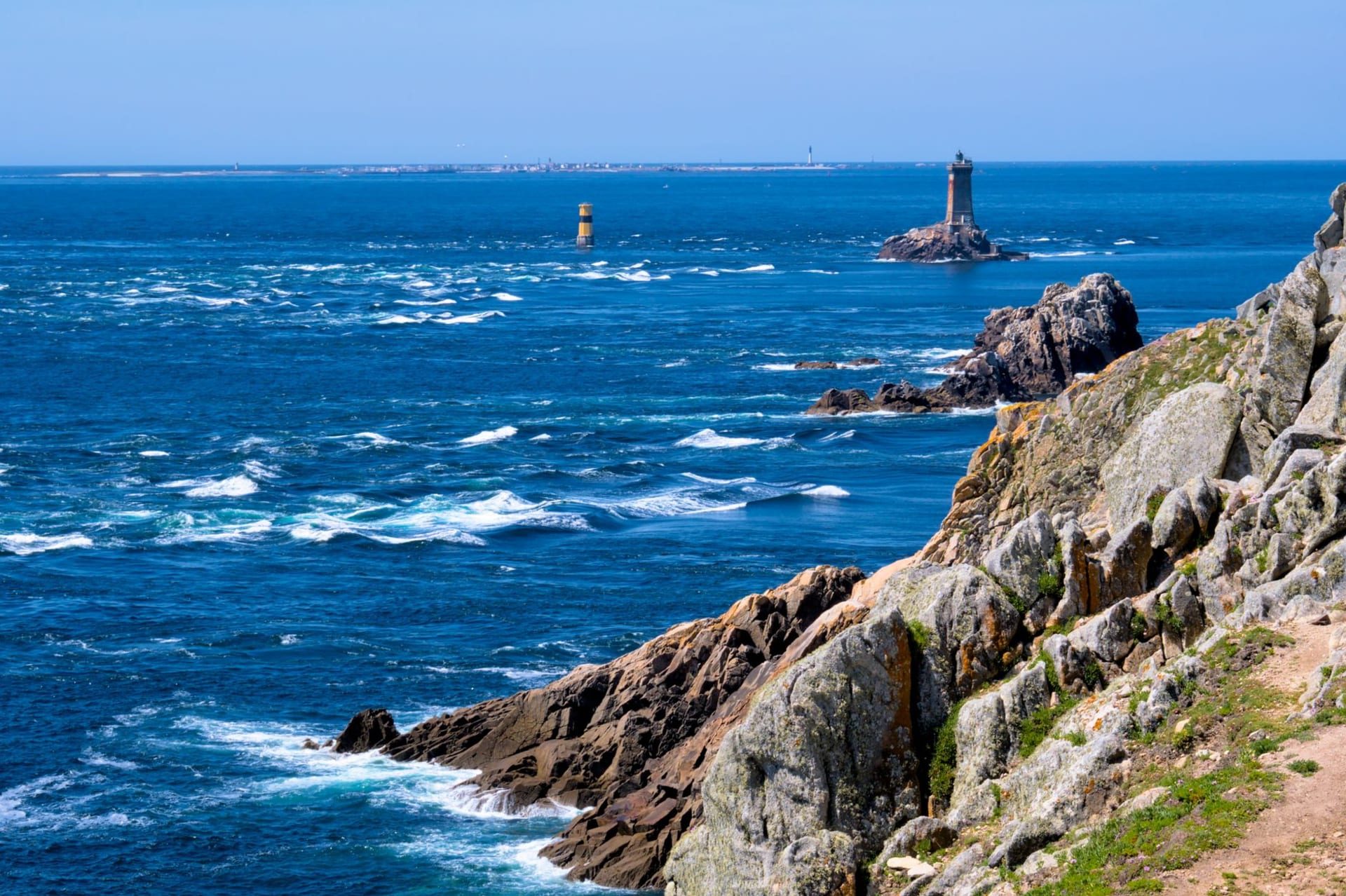
Brittany is the kind of place that rewards people who don’t need the sun to feel at ease. The coast around the Crozon Peninsula hits you first as pure geology — these enormous stacks of grey and pink granite rising out of churning green water, with gorse burning yellow on the clifftops even in autumn. I spent a morning walking the Pointe de Pen-Hir without seeing another soul until noon, just the sound of waves dismantling themselves on the rocks below. From a distance, the twin lighthouses at Plogoff look like something placed there by a civilization that took permanence seriously.
The food takes adjustment if you come from the Loire or the south. Forget olive oil — here it’s butter, salted, always. The cider is dry and serious, nothing like the sugary Norman stuff. I drank it with a bowl of kouign-amann still warm from the boulangerie in Douarnenez, and I spent the rest of that afternoon slightly horizontal on a bench watching fishing boats come in. The thalassotherapy spas in Roscoff are worth mentioning not because I used one but because the concept — healing by seawater — seems perfectly calibrated to this coast’s personality: austere on the surface, restorative underneath.
When to go: May and early June offer long light and manageable crowds. September is arguably the best compromise — the summer families have left, the galette restaurants are less frantic, and the sea hasn’t gone cold yet. October through March requires a certain disposition, but the coast is magnificent in storms.
What most guides get wrong: They sell Brittany as a quaint Celtic curiosity — the Breton language, the pardons, the striped marinière shirts. That framing misses what the place actually is: a working Atlantic coast with a serious food culture, extraordinary wild swimming, and a genuinely independent character that has nothing to do with the picturesque. Skip the tourist crêperies near the ramparts at Saint-Malo and eat where the fishermen eat. The difference is not subtle.