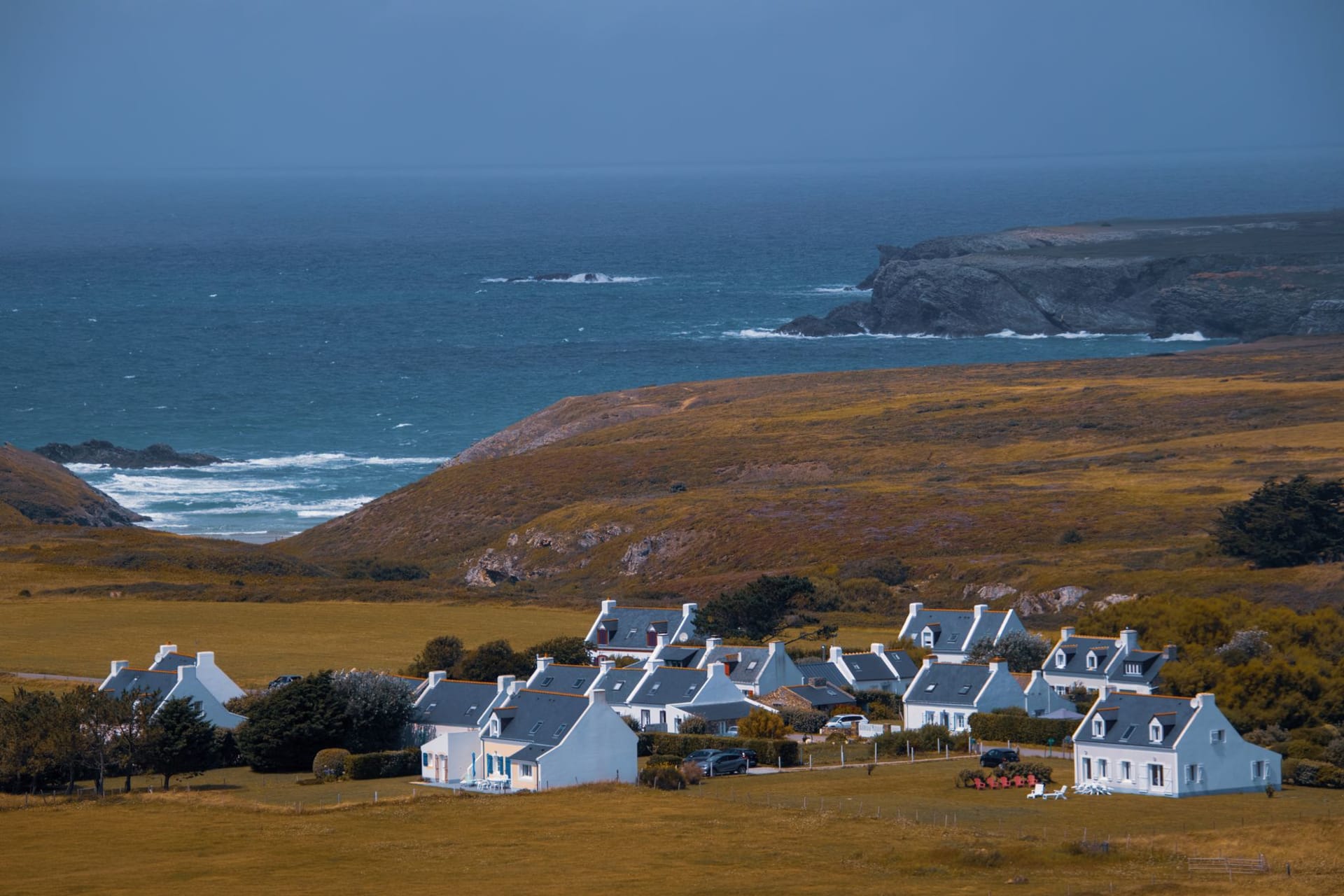
Belle-Île-en-Mer
"Monet came to Belle-Île to paint the rocks in bad weather and stayed for two months. I understand the instinct completely."
The ferry from Quiberon takes forty-five minutes and deposits you at Le Palais, the island’s capital, which has a citadel designed by Vauban — this is becoming a pattern in Brittany, the way his fortresses show up at every strategic point along the coast. I rented a bicycle at the port and spent two days working my way around an island that is seventeen kilometres long and about nine wide, shaped roughly like a shoe, with a wind-battered south coast of dramatic cliffs and a gentler, more sheltered north and east coast of white-sand beaches and small fishing harbours.
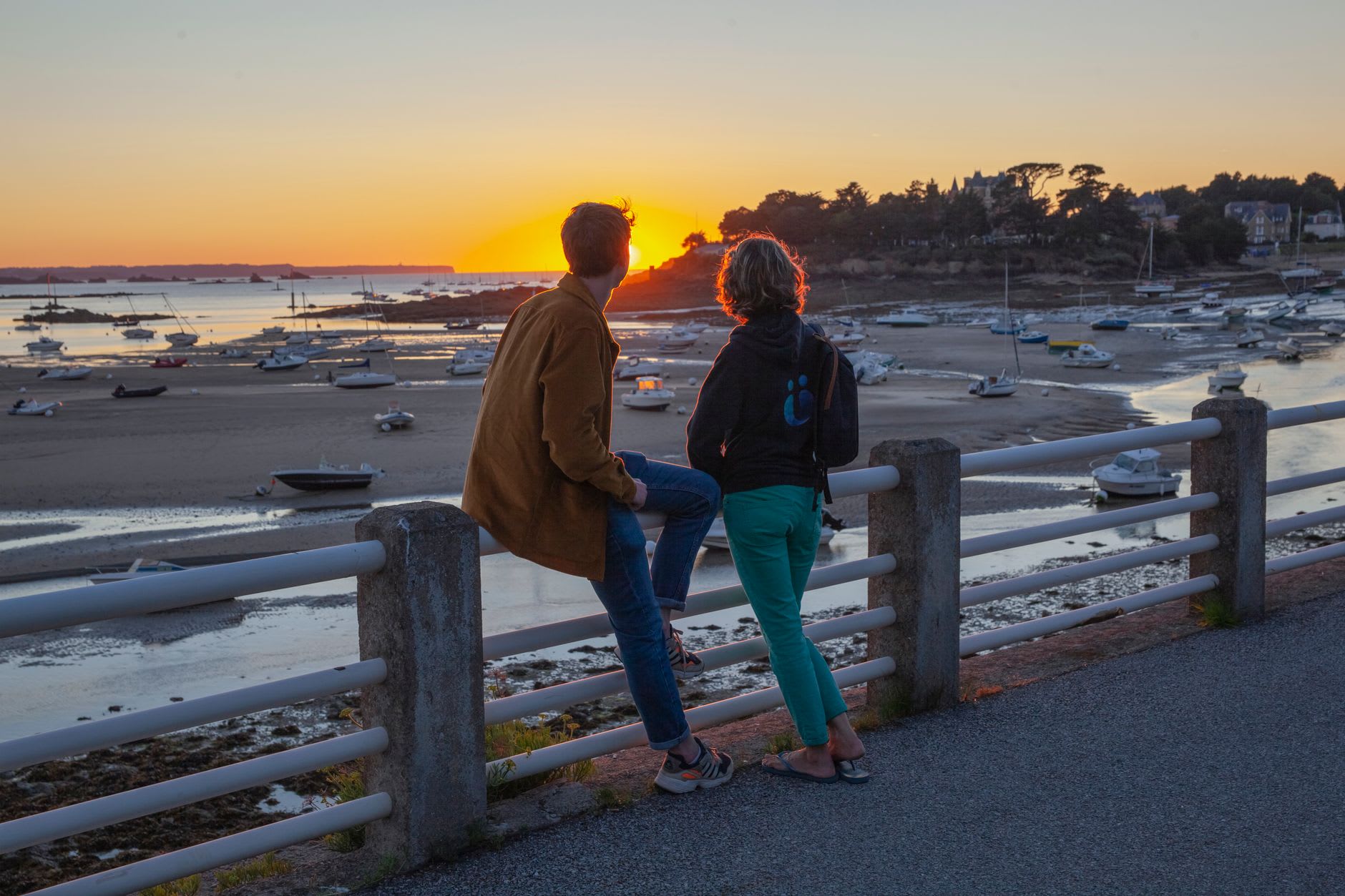
The south coast — the Côte Sauvage — is the reason to come. The cliffs here are not the vertical plunge of Pen-Hir but something more chaotic: deep inlets called goulets where the sea surges in and out, sea stacks isolated offshore, grottos and arches worn through the schist by water that has been working at it for a very long time. Monet spent two months here in 1886, arriving intending to stay ten days and finding he couldn’t leave. He painted nearly forty canvases on the island, working through storms that he described as unlike anything he’d seen. You can stand at the spots he painted — the Aiguilles de Port-Coton, a cluster of rock needles sticking out of the sea — and understand exactly why he kept returning. The light changes every five minutes. The colour of the water is never the same twice.
The Apothicairerie grotto, accessible by a steep path at low tide, is a sea cave where a pharmacy of sorts was once maintained — the seabirds nested here and the guano was used medicinally. The name stuck long after the practice ended. I went in at low water and spent twenty minutes in the dark watching the sea move at the far end.
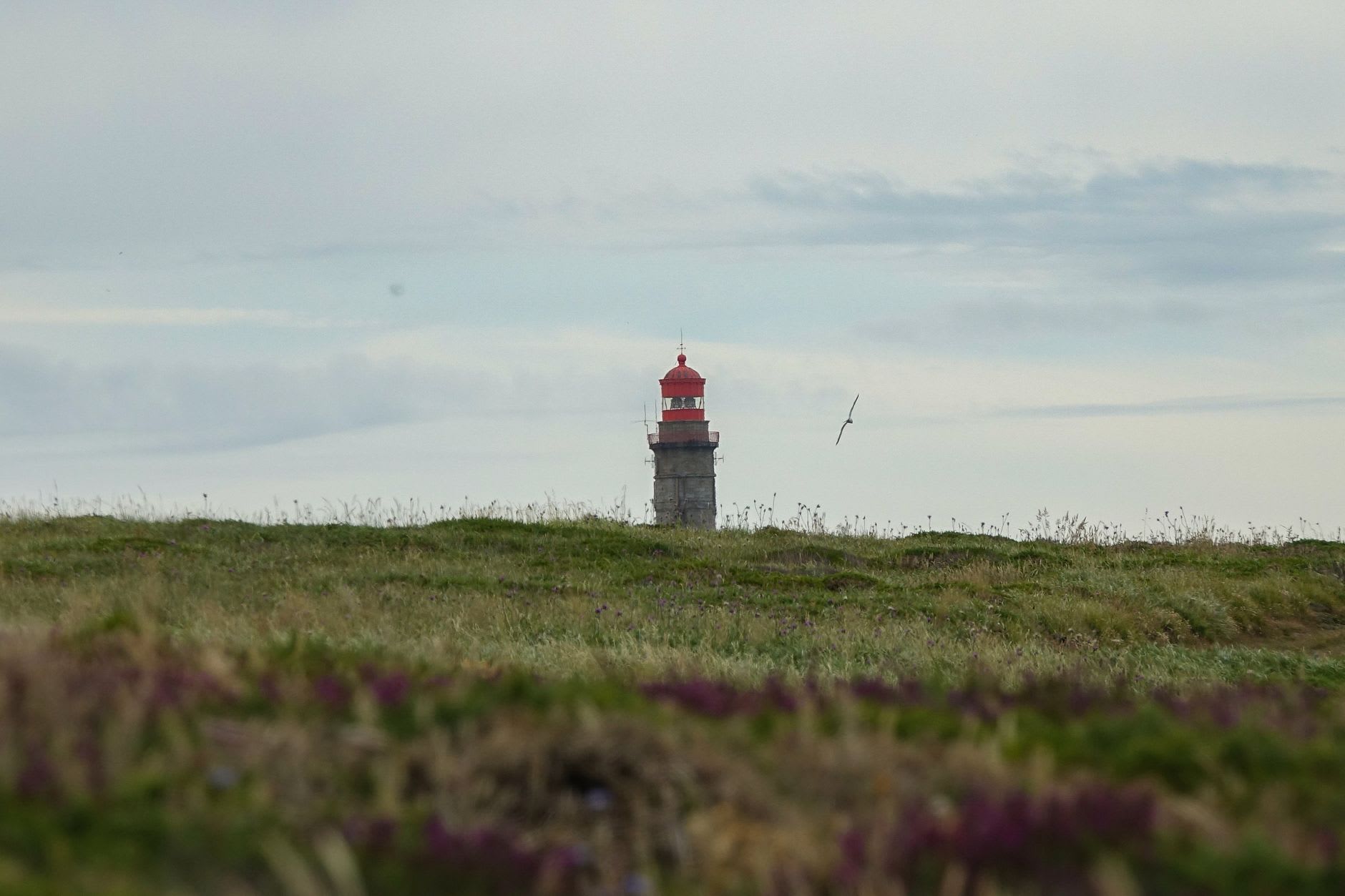
The east coast is the relief after the wild south. The beach at Donnant on the west is long and wide with Atlantic surf that draws bodyboarders in wetsuits even in October. The beaches at Bangor and Locmaria on the south-east are calmer, sheltered, with water that goes an unlikely turquoise in summer sun. I swam at Locmaria on the second day, the only person in the water, and it was one of those swims where the cold and the clarity and the complete absence of anyone else combine into something that feels more like an experience than an activity.
I ate that evening at a restaurant in Le Palais where the chef sourced everything from the island and the surrounding sea. Lobster caught that morning, potatoes from a farm in Bangor, a dessert made with the island’s own salted butter. The table next to me was a couple who’d been coming to the island every September for twenty years. One more week, the woman said, and then it empties out and becomes itself again.
When to go: Late June and early September for the combination of warmth and manageable crowds. The island is popular in July and August — the beaches fill, the roads get busy. In October the Côte Sauvage is at its most elemental: storms roll through every few days and the light between them is extraordinary.