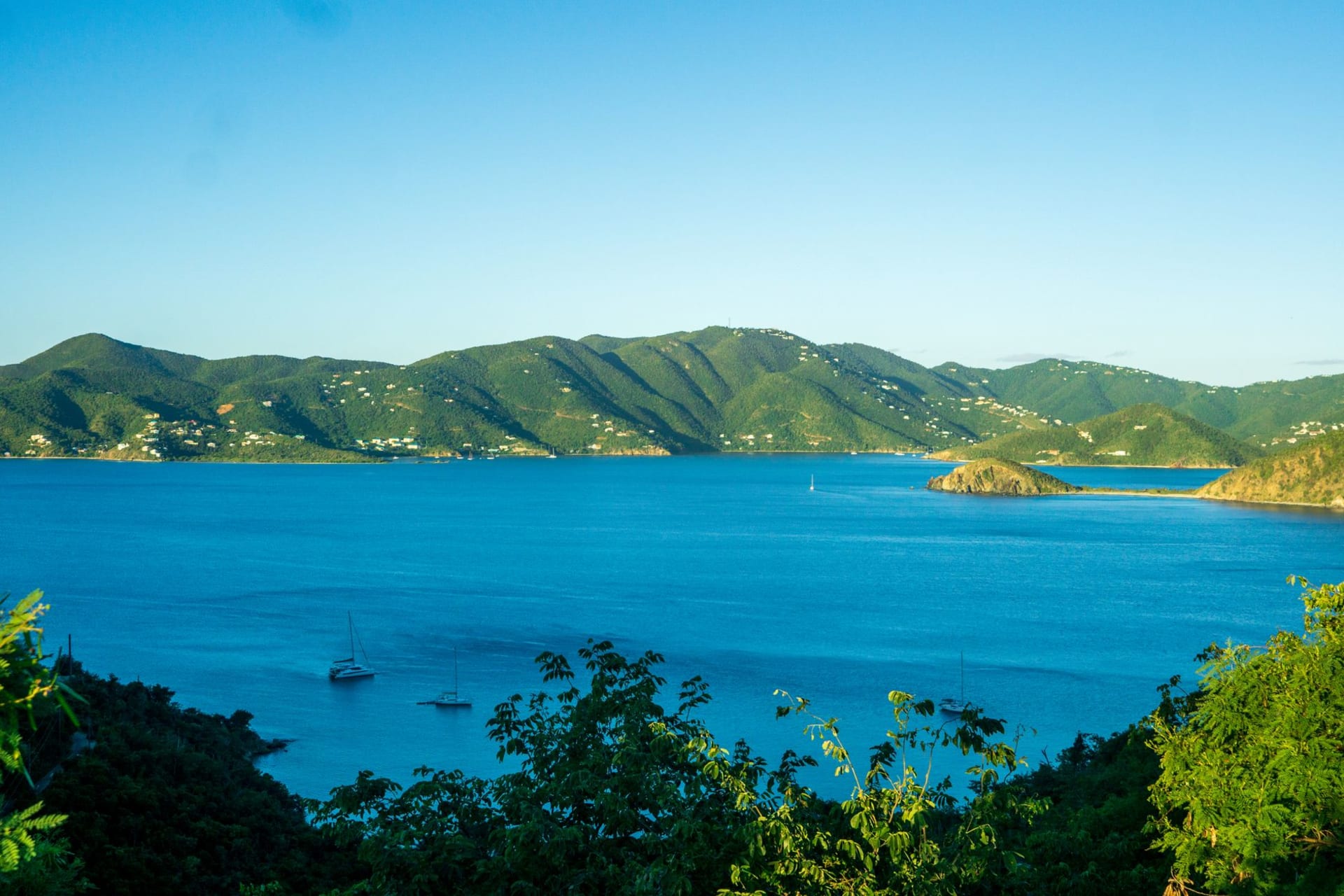
Salt Island
"The Rhone has been down there since 1867 and shows no sign of hurrying back up."
Salt Island is easy to miss on the chart — it sits in the Sir Francis Drake Channel between Cooper Island and Peter Island, a small shape that most charter boats sail past without stopping. The ones that stop are usually here for the RMS Rhone. In October 1867, a Royal Mail steamship was caught in a hurricane while at anchor off the island, dragged onto the rocks of Black Rock Point, and broke apart in water so shallow in places that the mast cleared the surface. The wreck lies in two sections: the stern in twelve meters, the bow in twenty-five. It has been down there for more than a hundred and fifty years and has become, in the Caribbean manner of things, both a reef and a monument.
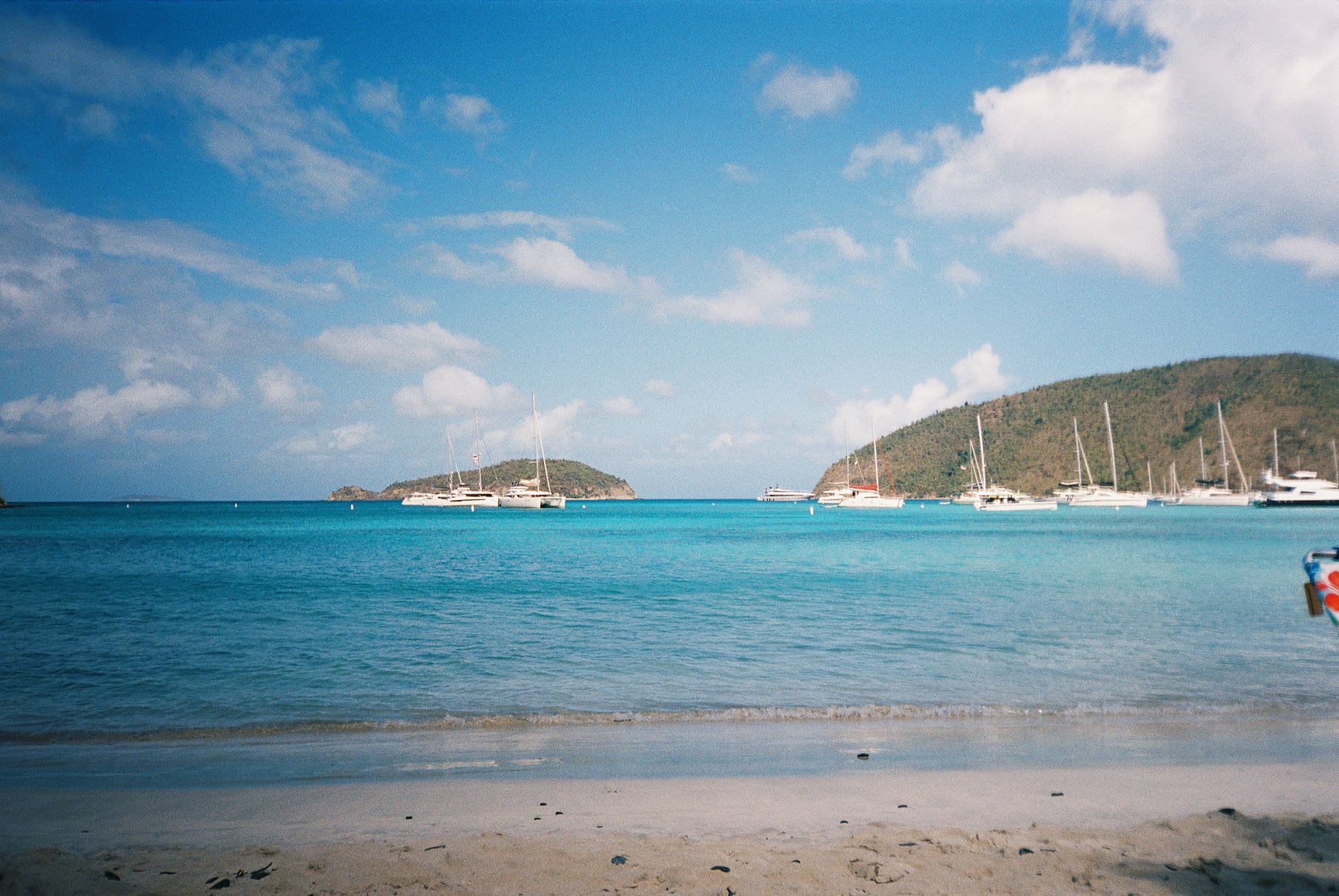
I am not an experienced diver — I did a resort course years ago in Mexico and have kept it only marginally current — but the Rhone is accessible enough that even a rusty open-water diver can follow a guide down to the stern section and hover above the encrusted propeller, now buried in brain coral and sea fans, while a green turtle works its way along the old railing and parrotfish pick at surfaces that were once painted white. The light changes as you descend: the surface turquoise compresses to blue, then to the specific grey-green of depth, and the Rhone emerges from it gradually, the scale of the thing only registering when you get close enough to see where the hull plating ends and the reef begins. The National Parks Trust of the BVI charges a modest dive fee. It’s the most accurate price I’ve ever paid for something.
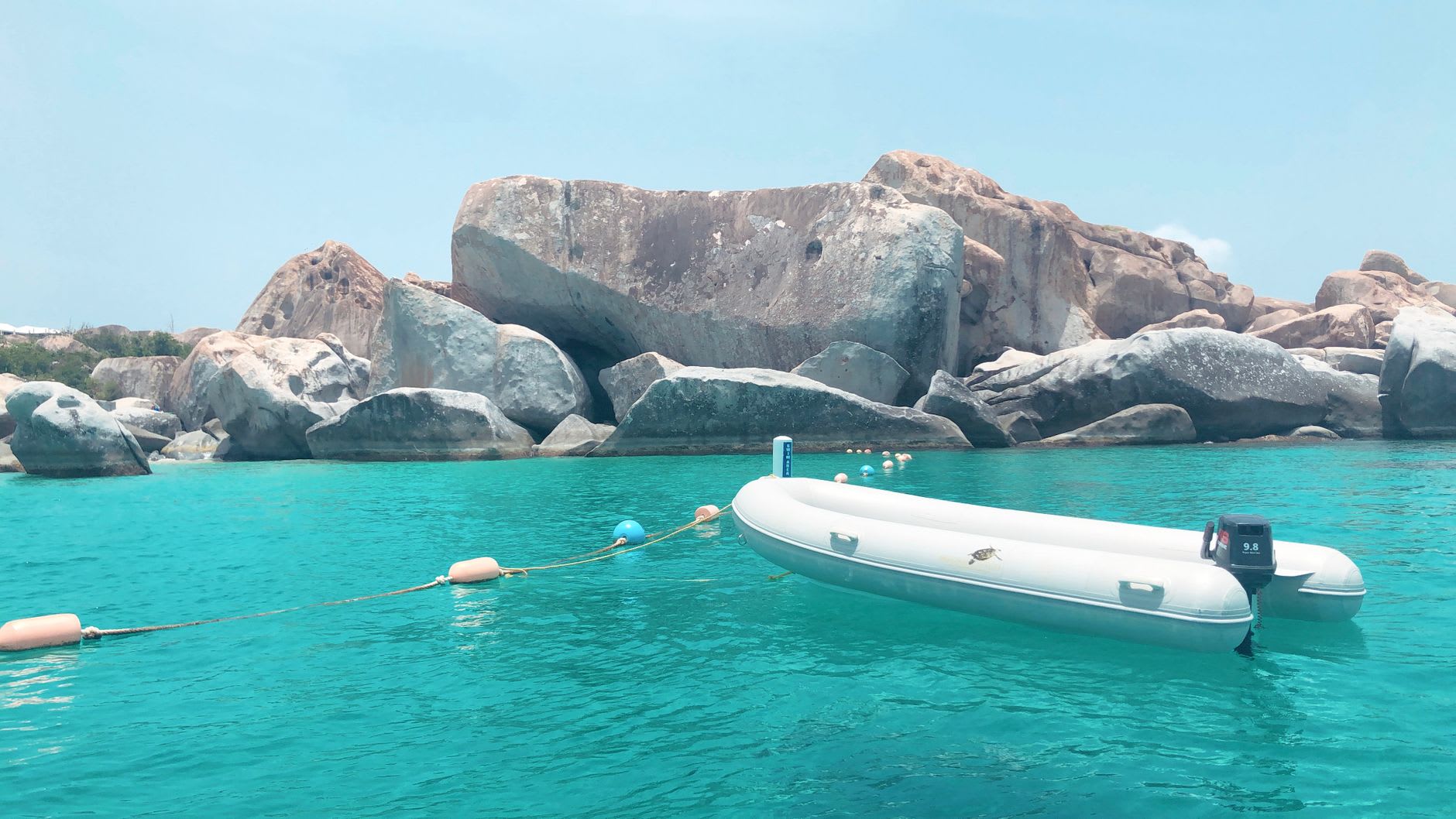
The island above the wreck is a different world entirely. Salt Island has perhaps a handful of permanent residents who maintain the salt ponds in the island’s center — a tradition that has continued for generations, with a symbolic pound of salt paid annually to the British Crown. Walking the island takes less than an hour. The path from the dock circles the ponds, where the salt crust catches the light in the afternoon and the air smells of brine and dry grass and the particular mineral warmth of a hot rock shoreline. There are ruins of stone cottages, a small cemetery, and views south toward Peter Island across a channel so blue it seems artificially saturated. On the whole island, I saw three people. Two were local. One was me.
When to go: Diving conditions are best December through April when the water is clearest and the seas in the Drake Channel are calmest. Visibility on the Rhone can reach thirty meters in good conditions. Snorkeling the shallow stern section is possible year-round and doesn’t require certification. Come mid-week — the weekend brings more dive boats from Tortola.