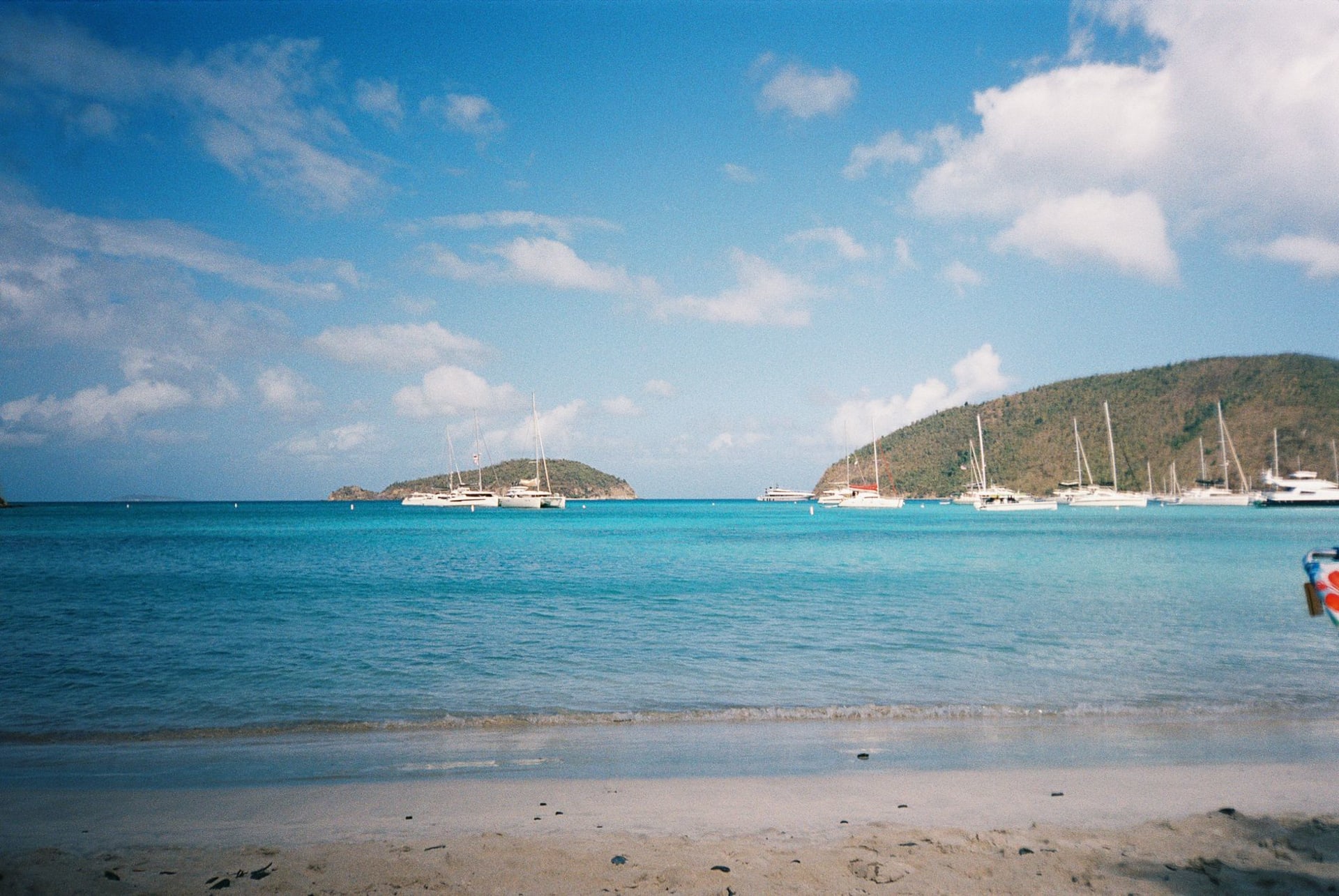
Norman Island
"Snorkeling into the caves at dusk, I half-believed in treasure for the first time in my adult life."
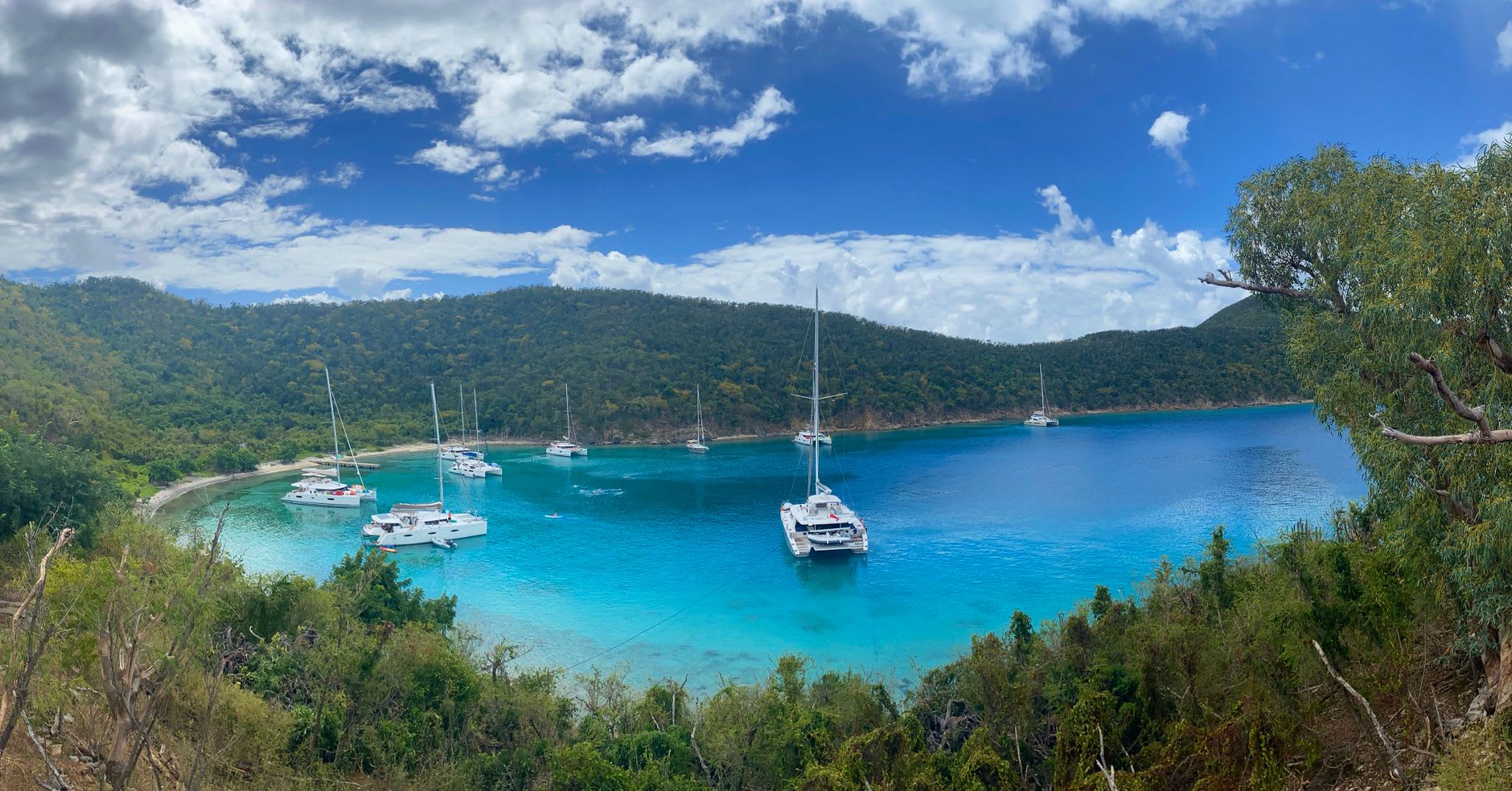
Norman Island sits at the southern end of the BVI chain, uninhabited and insistently atmospheric in a way that feels slightly literary, which is appropriate since it is allegedly the island that gave Robert Louis Stevenson his setting for Treasure Island. I arrived in the late afternoon, the light already going amber, and anchored in The Bight — a deep, sheltered bay ringed by forested hillsides where the only sounds were the clank of our anchor chain, a few birds I couldn’t see, and the low rhythm of water against the hull. It occurred to me that this is what most of the Caribbean once felt like, before anyone built a resort on it.
The caves are at the western edge of the island, accessible only by water. We took the dinghy in at dusk, which turned out to be timed exactly right — the angle of the departing sun was hitting the cave mouths and turning the water inside from turquoise to orange to something close to amber. You snorkel in through the entrance, and the world contracts to stone and color and the specific small sounds of your own breathing. There are three caves: the first is shallow and bright; the second goes deeper; the third, in low light, holds a quality of silence that I found genuinely unsettling in the best sense. The reef inside hosts spotted moray eels, sergeant majors, and blue tang working the walls in unhurried spirals.
The William Thornton — a converted Baltic trader moored in The Bight — serves as a floating bar and restaurant and is absurd and charming in equal measure. You tie your dinghy to it and climb up for cold beer and fish tacos and the particular pleasure of sitting at a bar that is itself floating. On land, the trails that crisscross Norman Island’s hills offer the best walking in the southern BVI — scrubby, warm, smelling of dry grass and sea air, with views that open without warning to reveal the Sir Francis Drake Channel stretching out blue and enormous toward the horizon.
When to go: December through April keeps the weather predictable and the anchorage comfortable. Come mid-week if possible — the weekend brings more charter boats to The Bight. The caves are best visited at either sunrise or dusk when the light does its work; avoid the midday crush when snorkel groups arrive from Tortola.