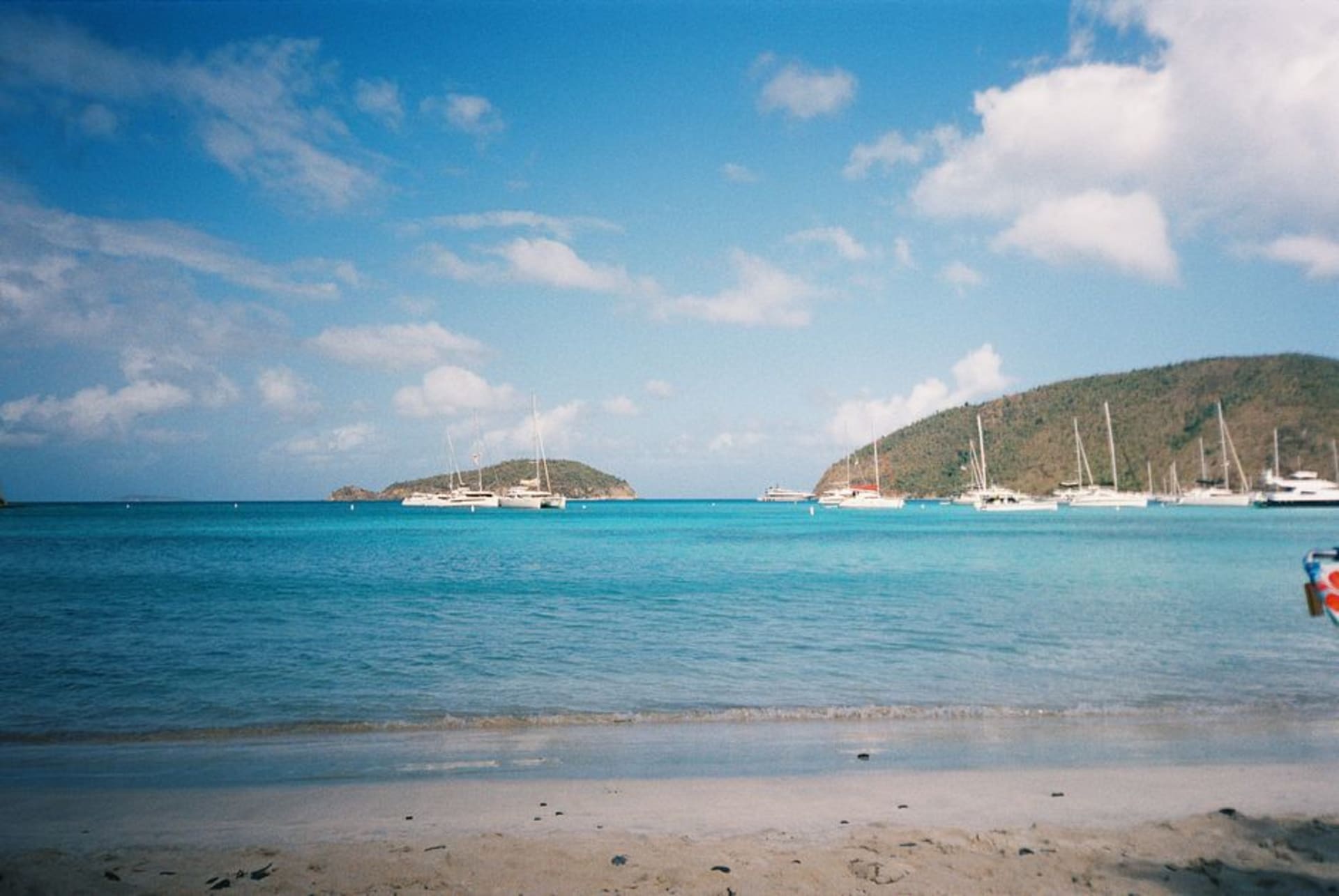
Guana Island
"Someone bought an entire island to protect the iguanas on it, and I'm not sure I've ever respected a real estate decision more."
An 850-acre private nature reserve shaped like the iguana it's named for, where flamingos wade a restored salt pond and seven beaches sit mostly untouched.
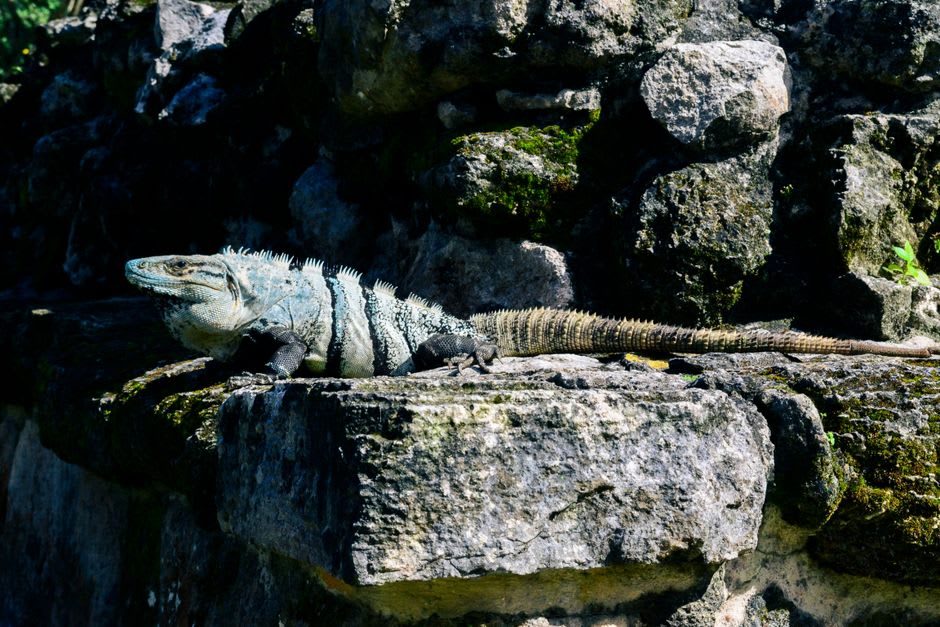
Guana Island gets its name from a rock formation on its northern end that supposedly resembles an iguana’s head, though the island has also, more fittingly, become one of the last strongholds of the critically endangered Stout Iguana that the wider Virgin Islands nearly lost entirely. The whole 850-acre island is privately owned and run as both a small nature-focused resort and a genuine conservation project, with scientists from Virginia’s Fairfield University running research programs here for decades. I visited on a day-trip arranged through a local boat captain, and the guide who met me at the dock knew the Latin names of half the plants we passed without hesitating once.
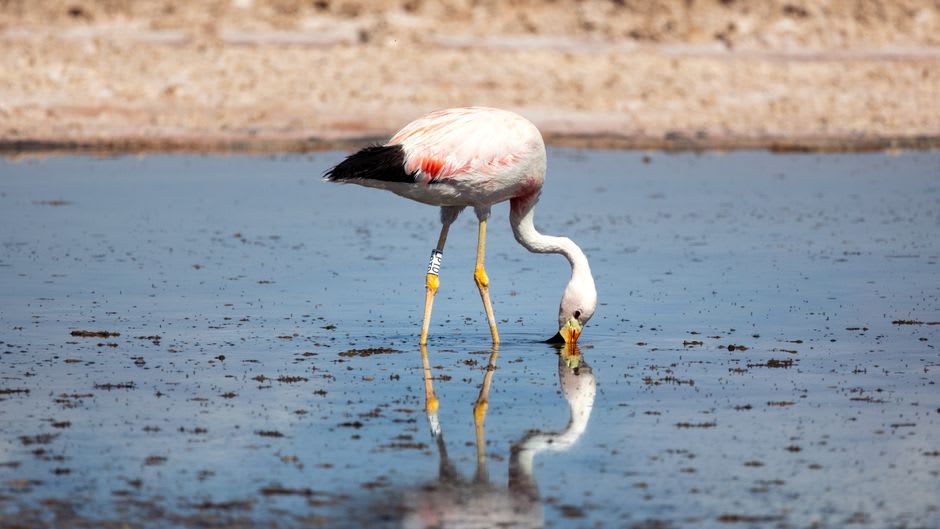
The salt pond near the old plantation ruins has been restored as a wetland habitat and now hosts a small flock of Caribbean flamingos, reintroduced decades ago and thriving in a way that felt genuinely moving to watch — these improbably pink birds wading through a pond on an island where nobody besides guests and researchers ever really goes. Seven beaches ring the island, and the one I reached, White Bay, was empty except for me and a hermit crab convention working its way across the sand. The trails through the dry forest interior pass old plantation walls being slowly reclaimed by frangipani and turk’s cap cactus, with iguanas — the actual, endangered kind — occasionally freezing mid-path to stare you down before deciding you’re not worth the effort of moving for.
It’s not an island you casually drop into — access is limited to guests and pre-arranged visits — but the fact that a private resort has quietly kept this much wild, functioning ecosystem intact, rather than paving it, is rare enough in the Caribbean that it’s worth the effort of arranging a visit.
When to go: Contact the resort or a local dive/tour operator in advance; there’s no casual walk-up access. Cooler morning hours are best for the interior trails, before the dry forest heat sets in.