Anegada
"Anegada is what the Caribbean looked like before anyone tried to sell it to you."
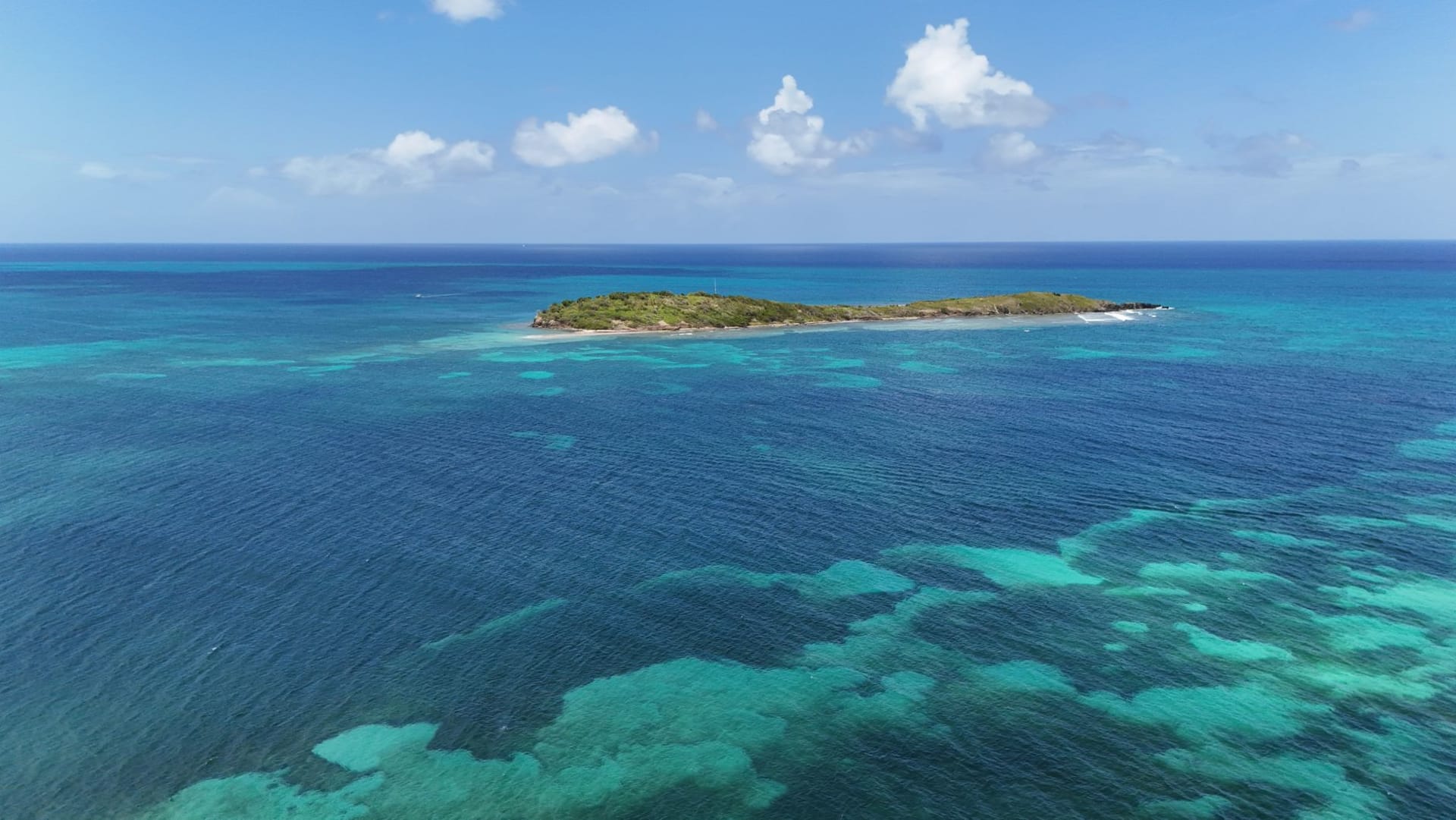
Every other island in the BVI is volcanic — green hills rising out of the water, the remnant peaks of something that once pushed up from the ocean floor in fire and noise. Anegada is different. Anegada is coral. It sits flat on the water, the highest point barely eight meters above sea level, and as you approach by charter plane or the intermittent ferry, it appears as a thin white line on the horizon that doesn’t seem to be getting any taller as you get closer. The approach is quietly vertiginous in a way I hadn’t expected. The island could disappear on you and that’s part of what makes it feel precious.

The reef that surrounds Anegada — the Horseshoe Reef, the third-largest barrier reef in the world — has claimed more than three hundred ships over the centuries. You can see some of the wrecks from the surface in calm water, the bones of old timber ships lying in sand so white it looks powdered. The same reef that sank those ships now sustains a lobster population of almost implausible size and quality. You order your lobster at lunch for dinner — the restaurants on the beach grill them that evening and bring them to you still crackling from the flame, split and brushed with garlic butter, accompanied by rice and coleslaw and cold Carib beer. The Lobster Trap, a wooden shack with plastic chairs set on sand, serves them simply and correctly. I ate two. I thought about ordering a third.

The flamingos are the detail that still seems improbable to me. A flock of West Indian flamingos — perhaps two hundred of them — lives in the salt ponds on the eastern side of the island. You drive out on a sand track through low scrub that smells of salt and something floral I couldn’t identify, and there they are, in the shallows, pink against the white salt flat, moving slowly in the heat with the particular elegance of things that know they don’t need to hurry. Anegada moves at their pace. The island has one road, a few guesthouses, a handful of restaurants, and a quality of quietness that isn’t absence but something more specific and harder to name.
When to go: December through May is the reliable season, with flat water making the tricky reef approach navigable. The ferry from Tortola runs a few days a week and should be confirmed in advance; the charter flight is more reliable and takes twelve minutes. Lobster season runs October through June — if you’re visiting outside those months, the lobster will be frozen and that is not the same thing at all.