Whistler
"I came for one night in July and stayed four days. The alpine meadows do that to you."
Everyone comes to Whistler for the skiing and a certain portion of them discover, to their surprise, that the place in summer is a different argument entirely. I drove up the Sea-to-Sky Highway from Vancouver on a July morning, the road hugging the east side of Howe Sound through Squamish and then climbing through the Cheakamus Valley, and arrived in a village that was running at full capacity without a ski lift turning. The pedestrian village at the base of Whistler and Blackcomb mountains is a planned space that was designed to look organic and mostly succeeds — cobblestoned, dense with restaurants and coffee shops and gear stores, surrounded by the mountains that give it reason to exist.
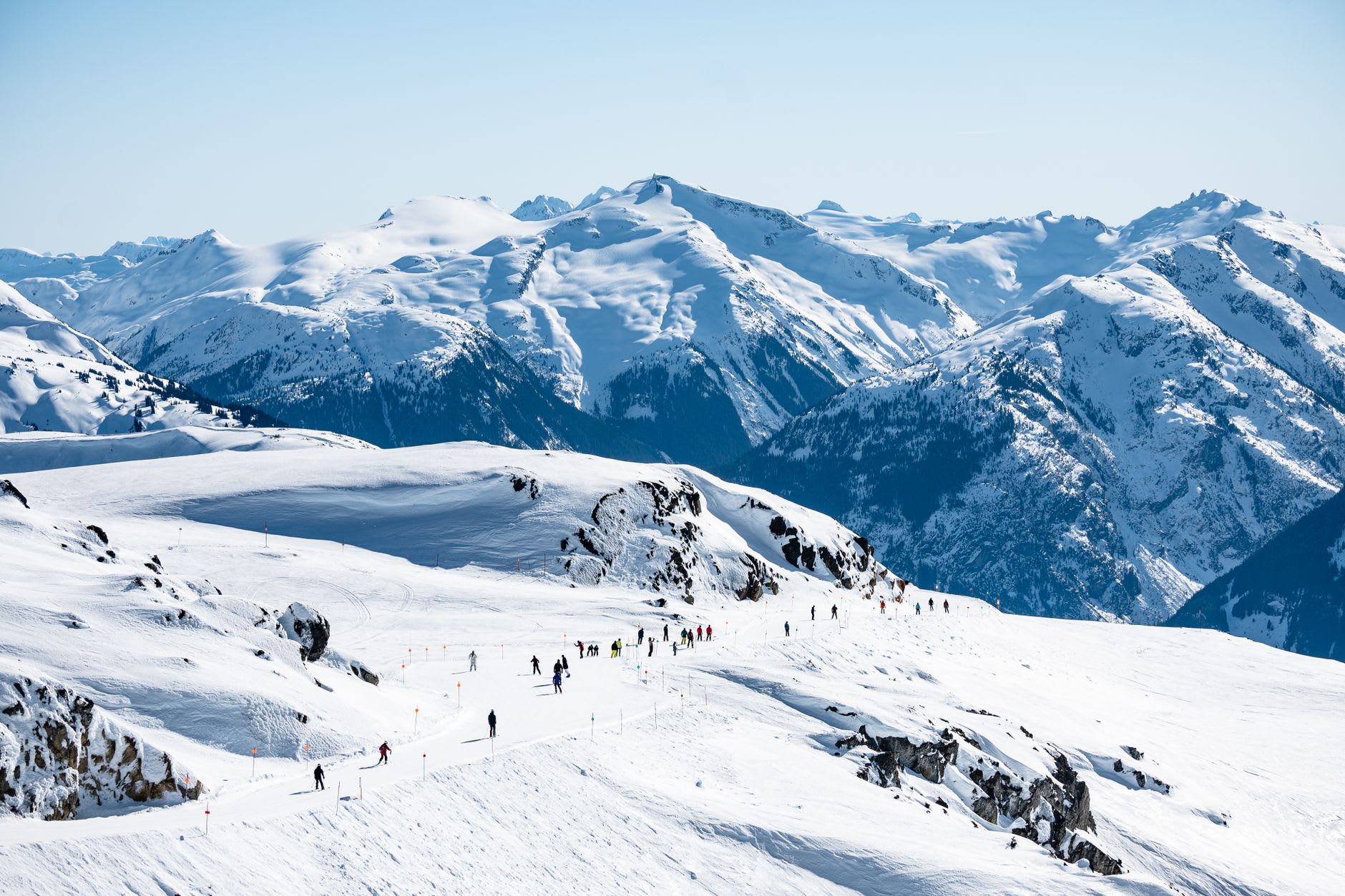
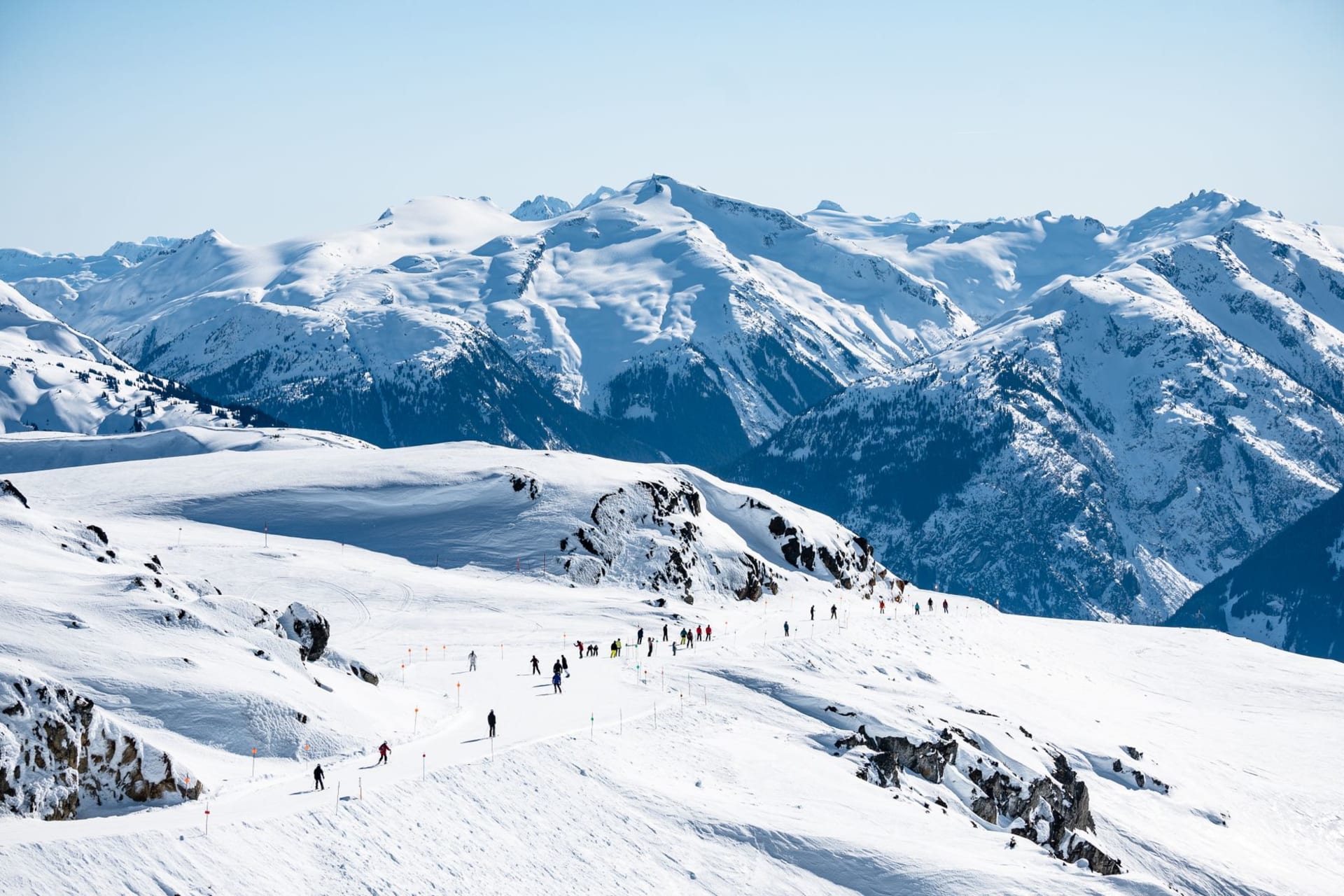
What I hadn’t anticipated was the alpine zone. The Peak Express gondola on Whistler Mountain climbs to 2,182 metres and deposits you in a world that operates on a different logic than the village below — thin air, vast sight lines, the Spearhead Range cutting south into Garibaldi Provincial Park, snowfields persisting through July in the shadowed cirques. The wildflower meadows near the summit blow up in late July and August: a display of heather, lupine, arnica, and Indian paintbrush so concentrated it makes you understand immediately why the region was called Whistler in the first place (for the pikas and hoary marmots that whistle from the rocks). I hiked the Musical Bumps trail from Harmony Lake to the Flute summit in an afternoon, the Fitzsimmons Creek valley a long way below, the distant white of Garibaldi Lake visible if you knew where to look. It took several hours and the effort felt exactly right for the views given.
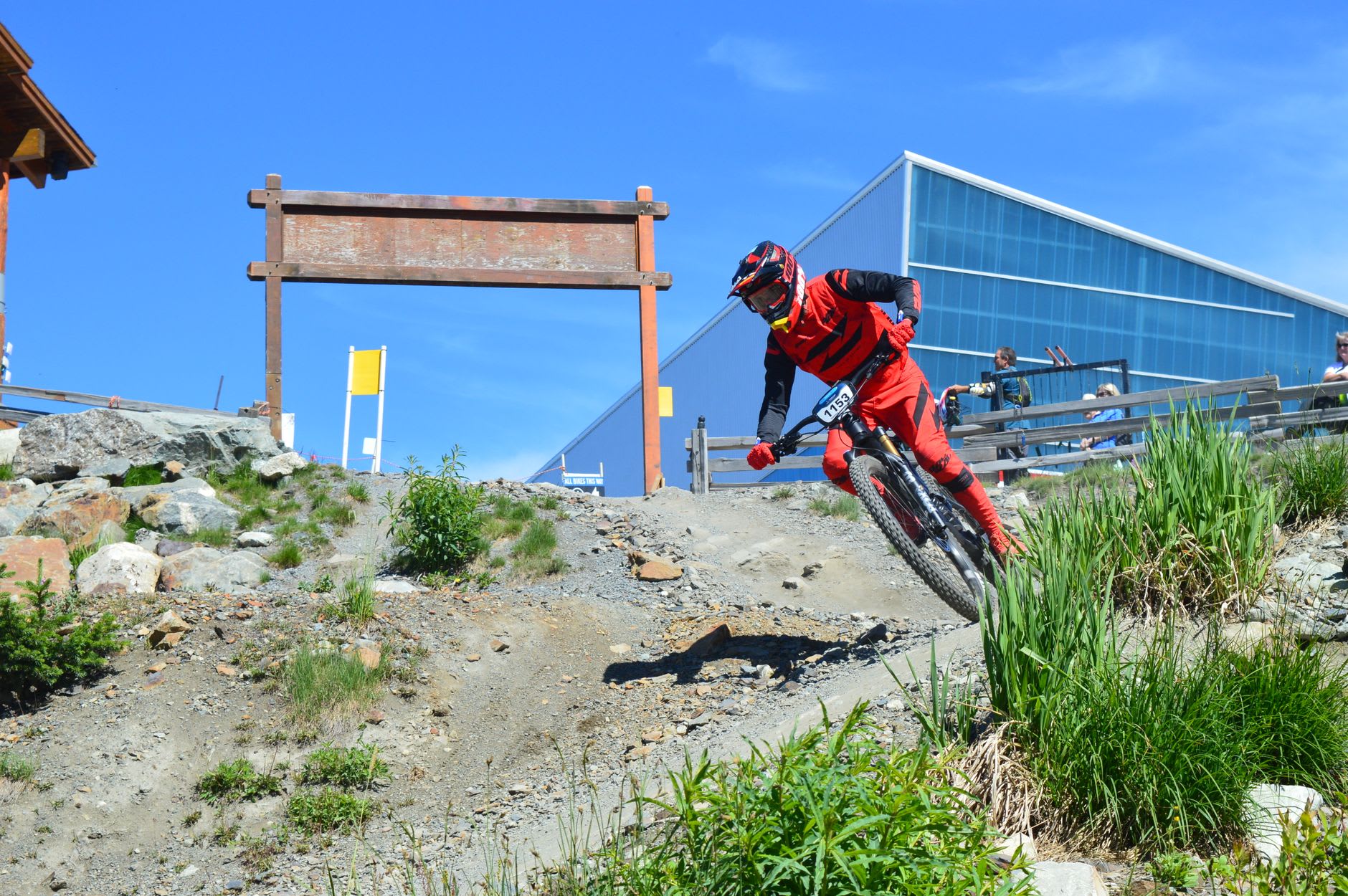
The mountain biking culture here is substantial in a way that rewards attention. The Whistler Mountain Bike Park, operating through summer on the same lifts used for skiing, is one of the most developed trail networks on earth for the sport — everything from beginner cross-country to descents that would kill me if I tried them. I rented a mid-level hardtail and rode the easier intermediate trails for a day, the smell of pine and hot dusty trail, the occasional glimpse of Blackcomb through the trees. The bikers who come here are serious but not unfriendly, the kind of community built around shared technical knowledge and an appreciation of what happens to your legs at the end of a long descent.
The village food scene is better than you might expect of a resort town, and the best of it is specific to BC. The farmers’ markets that run through summer bring Okanagan produce — apricots, peppers, tomatoes — up from the valley, and the restaurants use it. I had halibut fish tacos at a patio place on one of the pedestrian squares, the halibut fresh from the coast, the tortillas made in-house, and thought: they’ve figured out that serving genuinely good food in a mountain town is not actually harder than serving mediocre food, only more interesting.
When to go: December through April for skiing — Whistler Blackcomb is the largest ski resort in North America by area and the snow record is genuinely exceptional. July and August for the alpine meadows, mountain biking, and hiking — the Peak Express runs and the wildflowers peak mid-to-late July. Shoulder seasons (November, May–June) see lower prices, fewer crowds, and limited but not zero activity. The PEAK 2 PEAK Gondola connecting the two mountains operates year-round and is spectacular from any seat.