Americas
British Columbia
"I kept thinking I'd seen the most dramatic view, then the road turned."
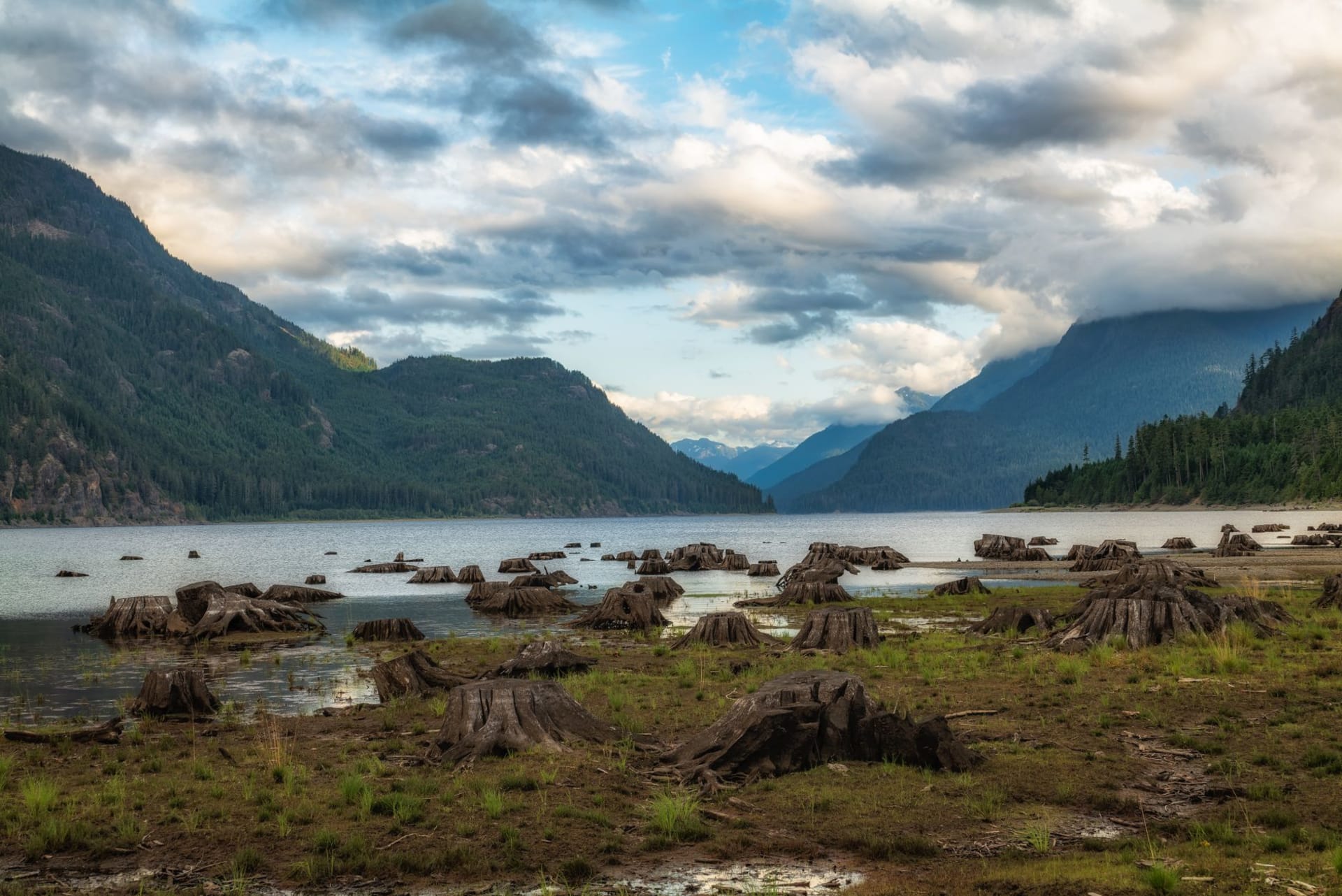
The first time I drove north from Victoria toward the Comox Valley, I had to pull over three times in the first hour — not for gas, not for coffee, but because the light hitting the Strathcona peaks over Buttle Lake was doing something I didn’t have the vocabulary for. Living in Mexico has recalibrated my sense of beauty toward warm dust and bougainvillea, so stepping into British Columbia in October felt almost violent: cold air off the Georgia Strait, Douglas firs wider than my armspan, and silence of a kind that feels earned. The province doesn’t ease you in.
What caught me off guard was how much the coast and the interior feel like entirely different countries stitched together under the same name. Vancouver is sushi, rain, and glass towers jutting up against the North Shore mountains. The Okanagan, four hours east, is ponderosa pines and Syrah vines and fruit stands selling BC peaches that taste like they were invented specifically to embarrass every other peach on earth. Then there’s the north — the Haida Gwaii archipelago where the forest walks into the Pacific and ancient totem poles stand in the rain without any fence around them, no interpretive panel, no Instagram queue. Just history, wet and present. I ate smoked sockeye at a roadside spot near Port Hardy and felt, briefly, like I understood something about this country that people who only go to Whistler never quite do.
The ferry crossings are their own thing. BC Ferries between the mainland and Vancouver Island are legitimately one of the better ways to arrive anywhere — you watch the Gulf Islands slide past, seals occasionally, bald eagles more often than feels reasonable, and then the mountains of the island rise up and the deck gets very quiet. No one’s on their phone. That says something.
When to go: July and August for hiking, kayaking, and the Gulf Islands without rain. Late September into October for the Okanagan harvest, fewer crowds, and the kind of golden-hour light that makes you want to photograph everything. Avoid the ski-only framing of December–March unless Whistler is genuinely your goal — the coast is moody and grey in winter, which has its own appeal but isn’t for everyone.
What most guides get wrong: They treat British Columbia as a greatest-hits checklist — Whistler, Tofino, Vancouver — and miss that the province is best understood by choosing one region and going slow. Two weeks trying to see everything from the Rockies to the rainforest to the wine country means you’ll see it all through a windshield. Pick the islands or the interior or the north, and stay long enough to eat somewhere twice.