Wells Gray Provincial Park
"A waterfall taller than Niagara, and I had the viewing platform entirely to myself for twenty minutes."
A vast, little-visited wilderness park in BC's interior built on old volcanic rock, home to some of Canada's tallest waterfalls and almost no crowds at all.
Wells Gray doesn’t come up often when people talk about BC’s parks — Banff and Jasper get the crowds, Garibaldi gets the Vancouver day-trippers, and this enormous wilderness area north of Kamloops, roughly the size of Prince Edward Island, gets a fraction of the visitors of any of them despite arguably rivaling their scenery. I drove up from Kamloops on a recommendation from a guide I’d met rafting near Golden, expecting a modest provincial park, and instead found myself standing at a viewpoint over Helmcken Falls, watching the Murtle River drop 141 metres — taller than Niagara Falls — into a canyon carved from ancient volcanic basalt, with not another person in sight.
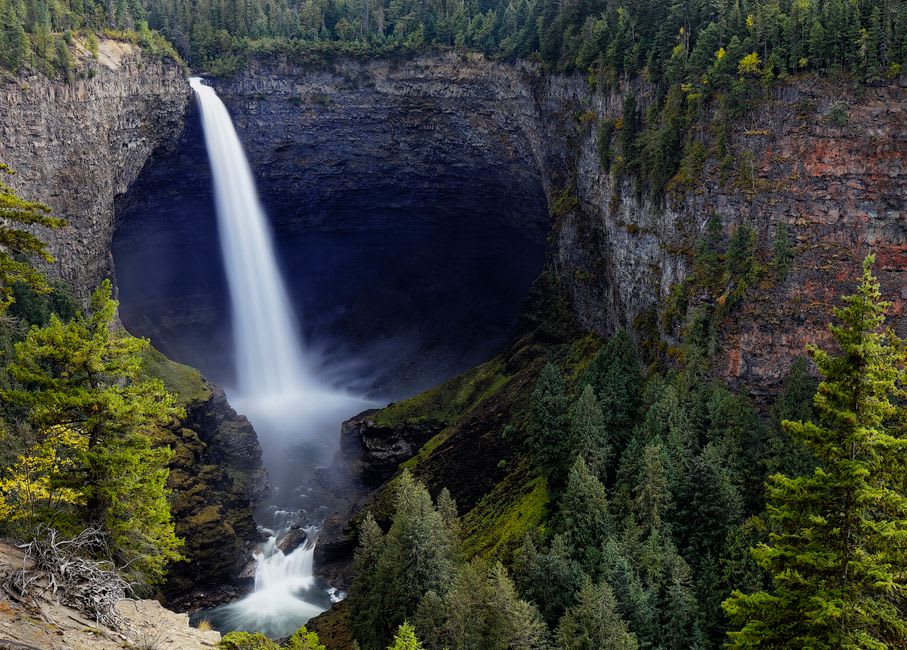
The whole park sits on a foundation of volcanic activity that’s shaped everything about how it looks — lava flows, cinder cones, and mineral-rich springs left over from eruptions that occurred as recently as a few hundred years ago in geological terms. Driving the Clearwater Valley Road, which runs the length of the park’s accessible section, takes you past half a dozen major waterfalls, mineral-stained cliffs, and Ray Farm, an abandoned homestead from an early-twentieth-century settler that’s now slowly being reclaimed by the surrounding forest — an eerie, quiet stop with fruit trees still bearing apples from trees planted over a century ago.
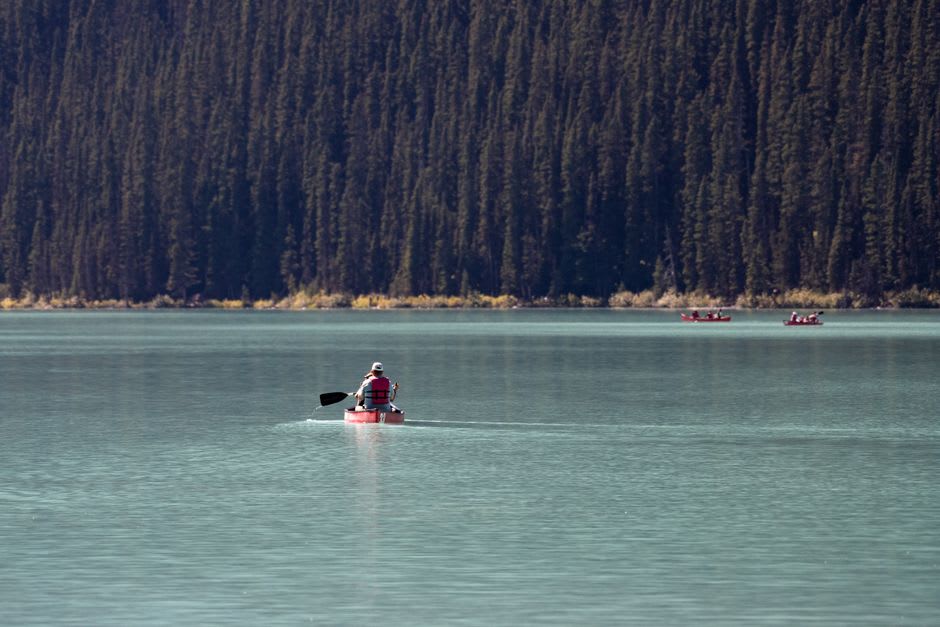
I spent an afternoon canoeing on Clearwater Lake, one of the park’s larger bodies of water, glacially fed and an improbable turquoise-blue on the day I was there, with almost no motorized traffic allowed on much of it — a rule that keeps the lake genuinely quiet in a way that felt increasingly rare the more of BC I’d seen by that point in my trip. The park is also home to a substantial moose population and one of the province’s healthier grizzly bear ranges, and while I didn’t see either up close, a ranger at the visitor centre in Clearwater showed me trail-camera photos from earlier that week that made clear how present they are, just mostly unseen.
When to go: June through September for full road access and hiking; some of the more remote sections and the highway connecting to the park close or become difficult in winter. Come specifically expecting solitude — it’s one of the few large parks in BC where you can genuinely have major viewpoints to yourself.
Keep exploring
More from British Columbia
 british-columbia
 Whistler
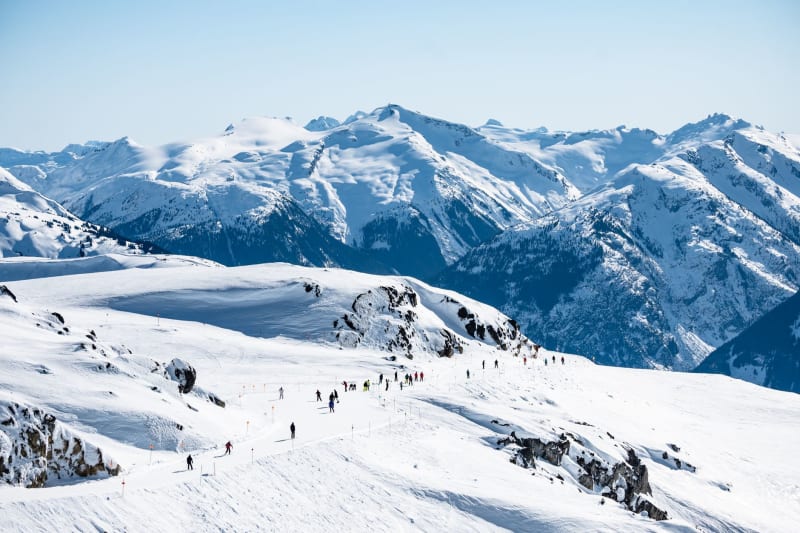
A mountain village two hours north of Vancouver that earns its reputation in summer as thoroughly as it does in winter.
Explore british-columbia
 Barkerville
A meticulously preserved Cariboo gold rush boomtown, once the largest city west of Chicago and north of San Francisco, now frozen at its 1870s peak.
Explore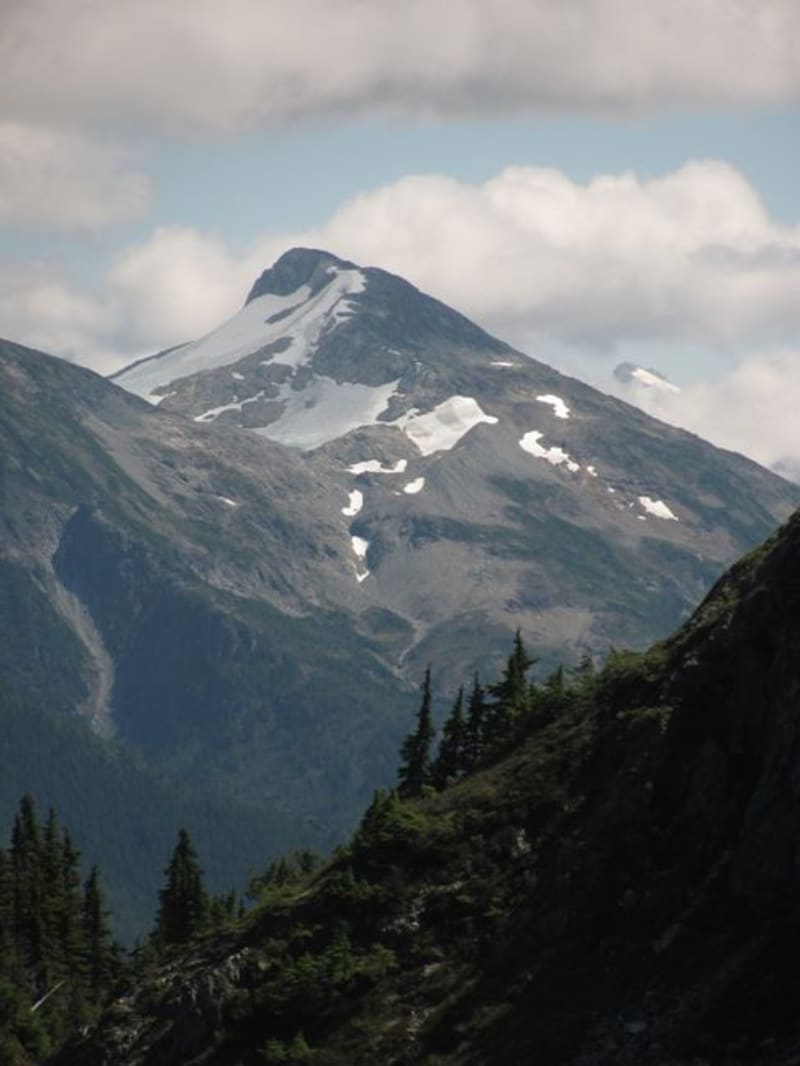 british-columbia
 Bella Coola
A remote valley on BC's Central Coast reached by one legendarily steep gravel road, where grizzlies fish the river and the Nuxalk Nation's history runs deep.
Explore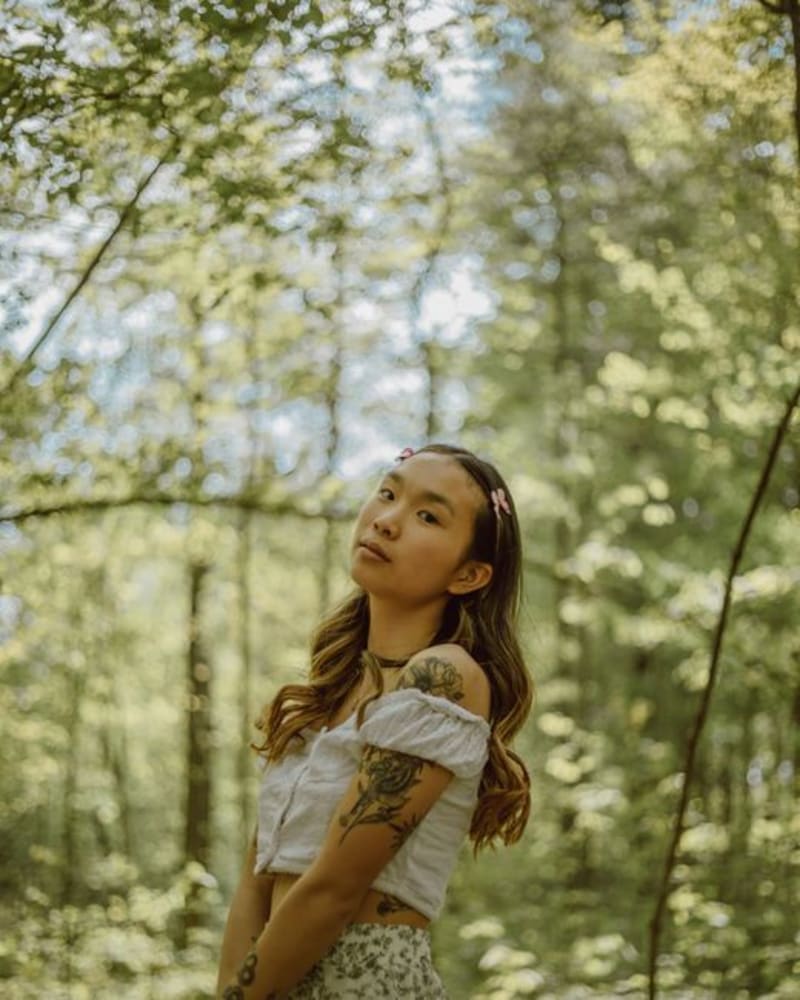 british-columbia
 Cathedral Grove
A roadside stand of eight-hundred-year-old Douglas firs on Vancouver Island, one of the last easily accessible fragments of BC's original coastal old growth.
Explore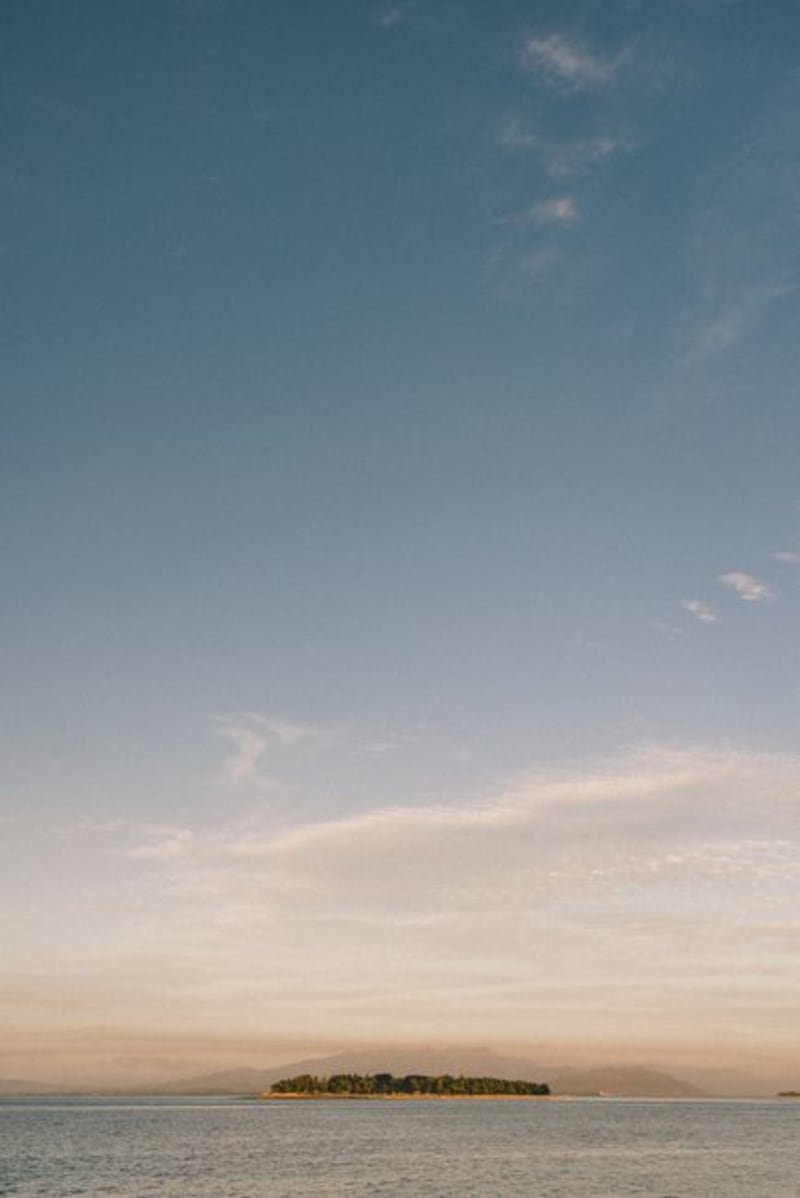 british-columbia
 Galiano Island
A slender, largely undeveloped Gulf Island of arbutus bluffs and Douglas fir forest, quieter and less discovered than its Gulf Island neighbours.
Explore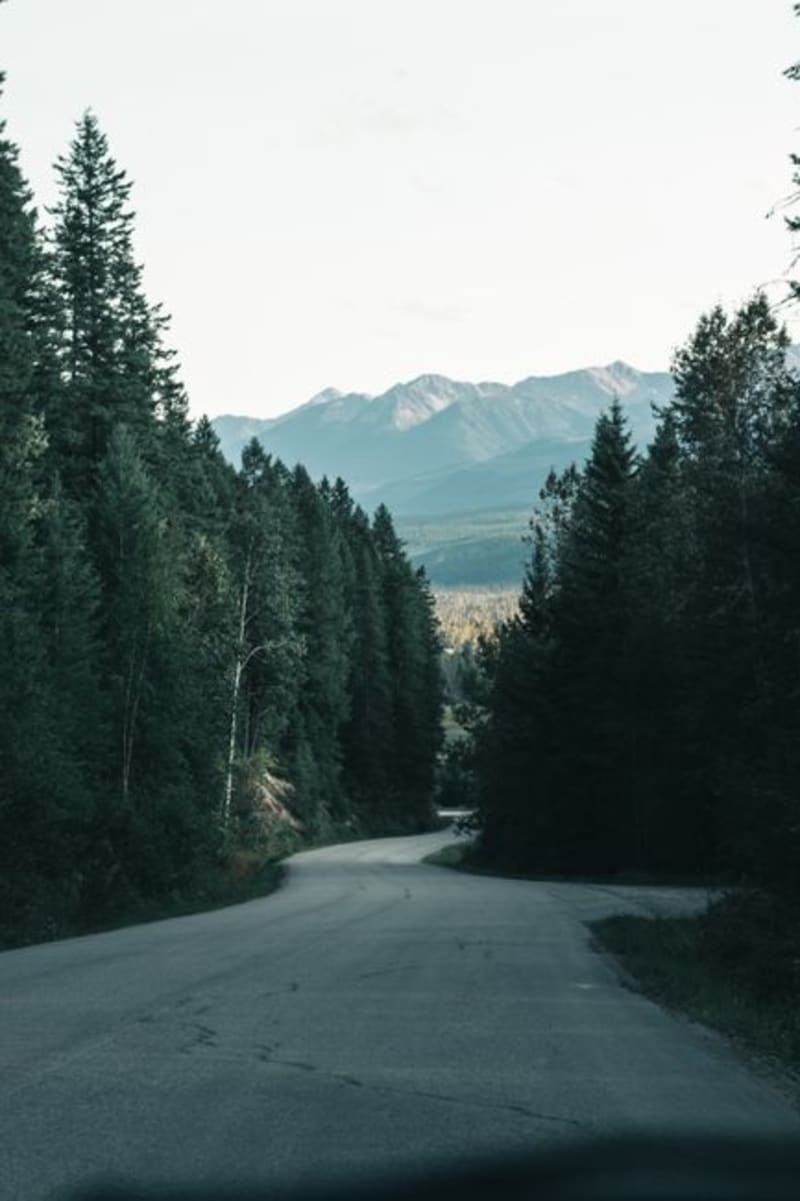 british-columbia
 Golden
A Rocky Mountain trench town where the Columbia River, five national parks, and a gondola with a glass-floor skywalk all sit within an hour's reach.
Explore