
Victoria
"Victoria is what happens when a British city grows up in the Pacific Northwest and eventually stops apologizing for the weather."
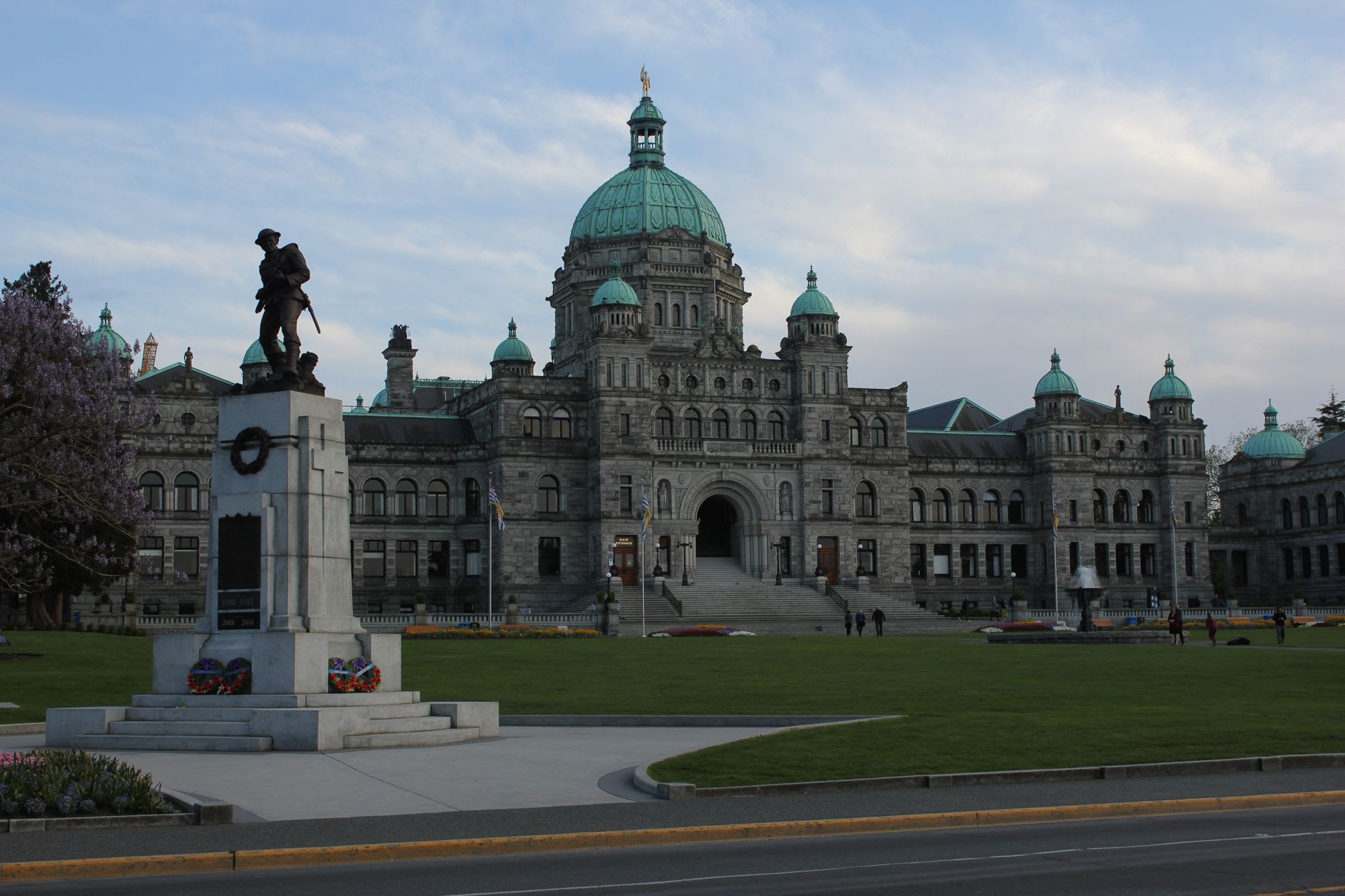
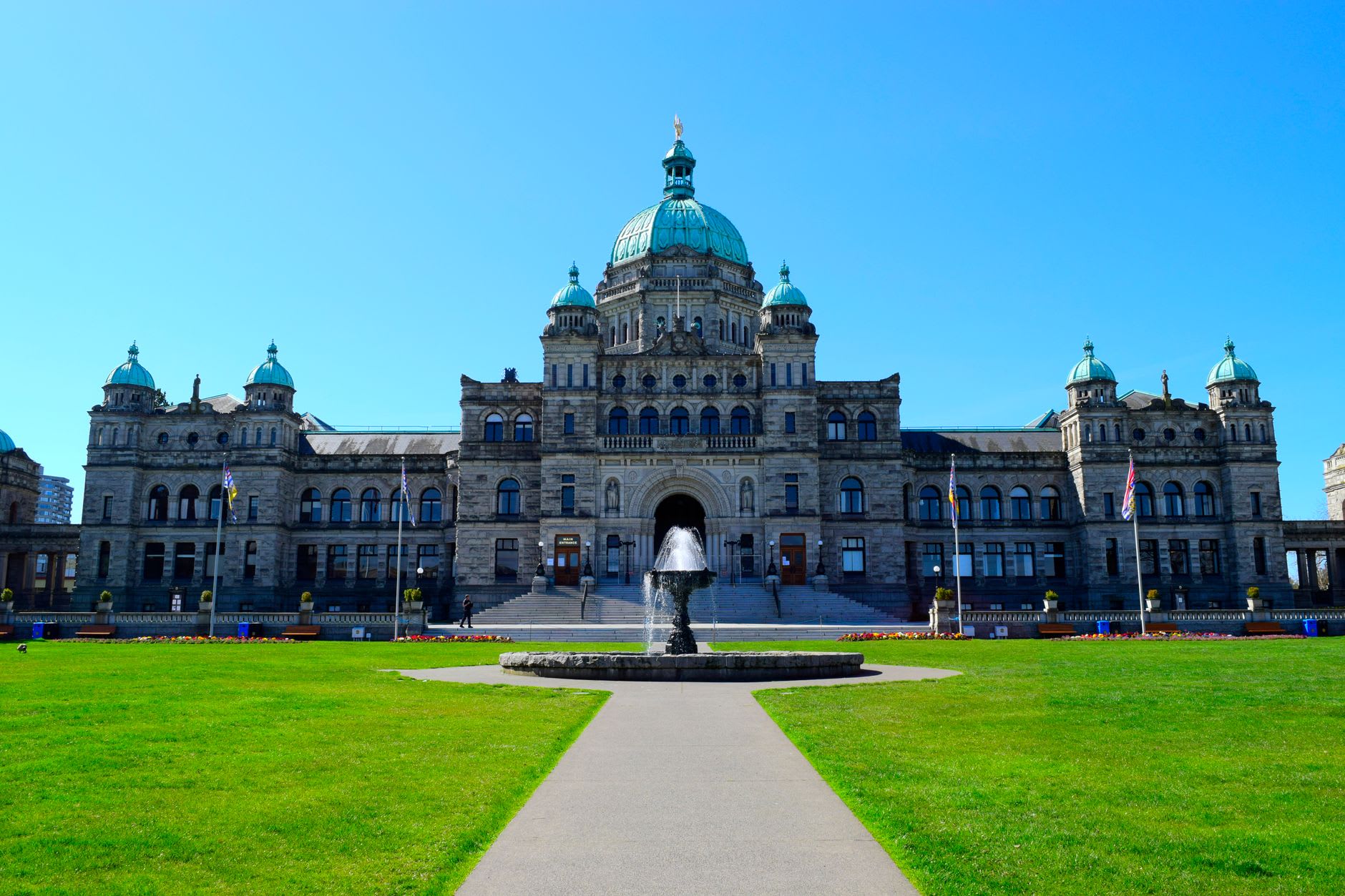
Victoria announces itself from the water. Coming in on the Black Ball ferry from Port Angeles, Washington, the city appears as a cluster of stone buildings around an inner harbour so tidy it looks like it was designed for a postcard — the Parliament Buildings in copper-domed silhouette, the Empress Hotel in its broad ivy-draped mass, and the lights just beginning to come on in the early evening. I had expected something stiff and colonial, a museum piece. What I found was a city that had made its peace with its British bones and built something genuinely good on top of them.
The Chinatown here is the oldest in Canada, which I did not know until I turned down a narrow alley off Fisgard Street and found the Gate of Harmonious Interest spanning the road and small shops selling dried mushrooms and ginseng root and tea from unlabeled tins. The afternoon I was there, an old man was playing erhu on the pavement, his case open, and nobody was stopping — not because they were ignoring him, but because he seemed to be playing for himself. Fan Tan Alley, threading between Fisgard and Pandora, is the narrowest commercial street in Canada; you can touch both walls with your arms spread, and the shops sell antique jewelry and maps and local honey. I bought a small jar of arbutus honey and ate the whole thing over three days.
The food scene runs on local produce in a way that feels less like a trend and more like geography. Vancouver Island sits in a particular climatic bubble — mild, damp, rarely freezing — that makes it possible to grow things here that don’t survive on the mainland. The farmers’ markets at Bastion Square have the usual lettuces and radishes alongside varieties I hadn’t encountered: flowering kale going purple in the autumn cold, heritage apple cultivars with names like Cox’s Orange Pippin. There are restaurants doing excellent things with Vancouver Island Dungeness crab, spot prawns from the strait, oysters from the Cowichan Bay. I had a bowl of Dungeness crab bisque at a counter overlooking the harbour and ate slowly, watching the float planes come and go.
What I kept coming back to was the scale. Victoria is a city of 400,000 people that feels navigable at the pace of a town. You can walk from Chinatown to the harbour to the Cook Street village in the residential south — a stretch of independent restaurants and bookshops that has somehow avoided the chain-store fate of similar neighbourhoods elsewhere — without taking a bus. The cycling infrastructure is serious enough that I rented a bike one morning and reached the ocean at Dallas Road in fifteen minutes, the strait spread out in front of me, the Olympic Mountains visible in Washington across the water, close enough to feel like neighbours.
When to go: Victoria gets less rain than Vancouver and more sunshine than anywhere else in coastal BC — July and August are genuinely warm and clear. The Butchart Gardens outside town, 55 acres of converted limestone quarry turned into one of the more beautiful formal gardens in North America, is worth visiting in June when the rose gardens peak. October is quiet and golden and the Victoria bug, which bites people and makes them consider moving here permanently, is at its most potent.