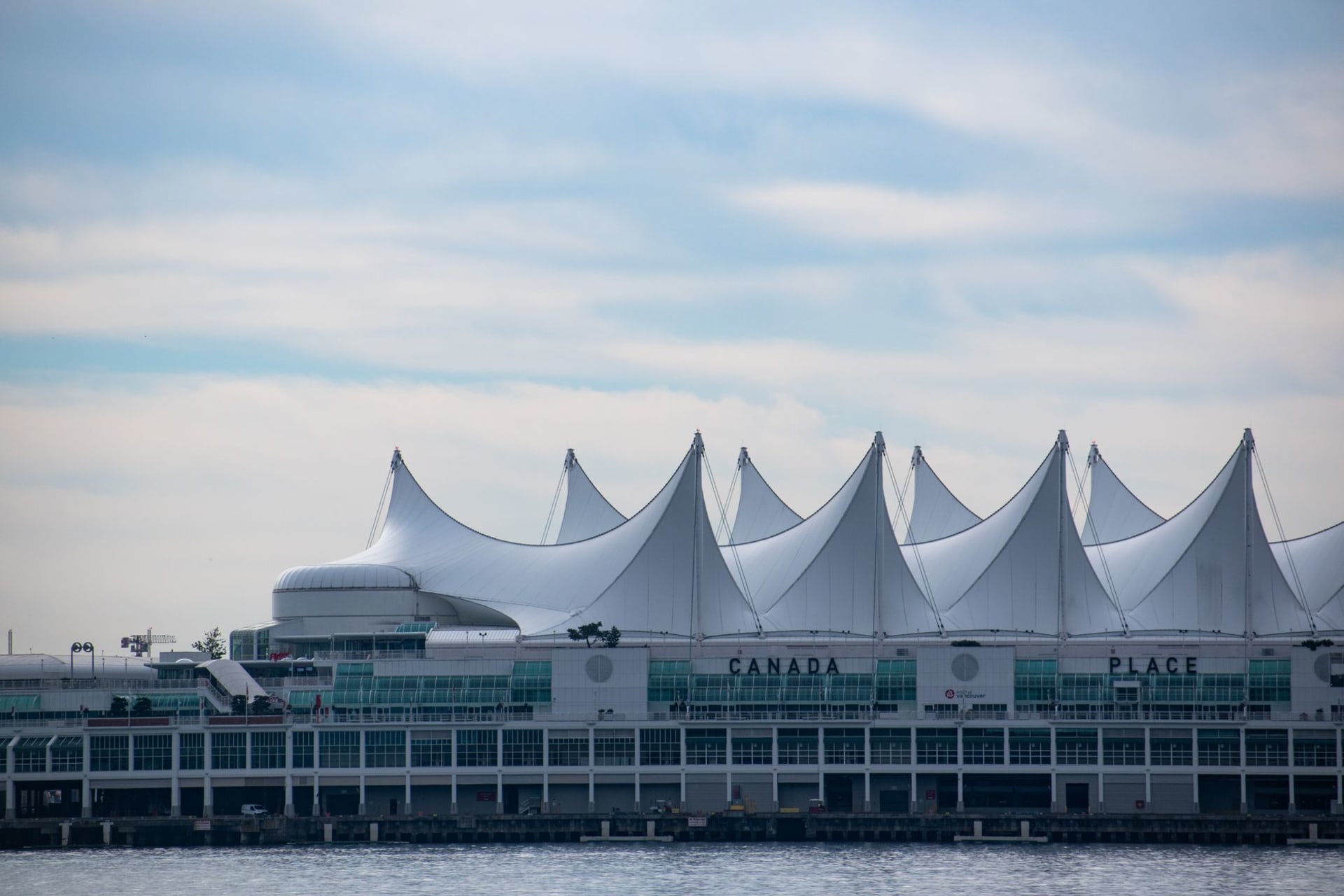
Vancouver
"You can eat sushi at 11pm in the rain with a mountain over your shoulder. Vancouver figured something out."
I came into Vancouver on the ferry from Tsawwassen, which is the correct way to arrive — the city announces itself slowly, across a stretch of grey-green water, with the North Shore mountains rising improbably behind it. The towers of the downtown core are glass and steel, but they have the mountains as a backdrop, and the effect is slightly surreal: this hyper-modern port city that can’t quite escape the wilderness pressing in from every side. I stood on the ferry deck eating a bag of salt-and-vinegar chips, cold wind off the strait, and thought: yes, I understand why people move here and stay.

The city has a food culture that doesn’t announce itself but is probably the best in Canada, in the way that the best things rarely announce themselves. The Richmond suburb south of the city holds some of the finest Chinese and Hong Kong-style Cantonese cooking in the world — not in fine dining rooms, but in strip malls, where the lighting is fluorescent and the roast duck hangs in the window and the rice is the real thing. I ate dim sum on a Sunday at a table of twelve strangers who passed dishes without ceremony, and I couldn’t have told you what half of it was, only that everything tasted exactly right. The Japanese restaurants in the west end of downtown are equally serious: ramen shops where the broth has been going for days, izakayas where the sake comes cold and the skewers come hot, the cooks focused and unhurried.

Granville Island, tucked under the south end of the Granville Bridge on False Creek, is one of those places I expected to find touristy and found instead genuinely useful. The public market is the kind where actual Vancouverites buy their fish and bread and seasonal produce, not just a set-dressing for visitors. The salmon counter alone — sockeye, coho, Chinook, smoked, fresh, canned in small-batch tins — is worth a visit. I bought half a side of smoked sockeye and ate most of it standing on the dock watching the small ferries cross False Creek. The Commercial Drive neighbourhood, northeast of downtown, has a different energy: Italian-born, now Latin and queer and bohemian, with espresso bars that have been there since before the word artisan existed and a density of good independent restaurants per block that surprises you every time you turn a corner.
The problem with Vancouver, if you’re susceptible to it, is that it makes you want to stay. The mountains are a twenty-minute drive. The islands are a ferry. The city parks — Stanley Park especially, with its old-growth Douglas firs and the seawall walk circling the peninsula — are enormous and accessible in a way that city parks elsewhere rarely are. I walked the full seawall one October morning in mist, the totem poles at Brockton Point appearing out of the fog, the freighters anchored in English Bay waiting for tide and clearance. Nobody around. Just rain and trees and the sound of crows.
When to go: June through September brings the dry Pacific summer — mild, clear, the mountains snowless at lower elevations. October is golden and underrated, with fewer tourists and the first autumn rains coming only intermittently. Avoid January and February unless you genuinely love grey skies and steady drizzle, though even then the city’s interior life — its restaurants, galleries, coffee shops — makes a strong argument for going anyway.