Ucluelet
"Tofino gets the surfers and the smoothie bars. Ucluelet gets the actual ocean."
A working fishing town at the foot of the Pacific Rim where the storm-watching is world-class and nobody's trying to sell you a yoga retreat.
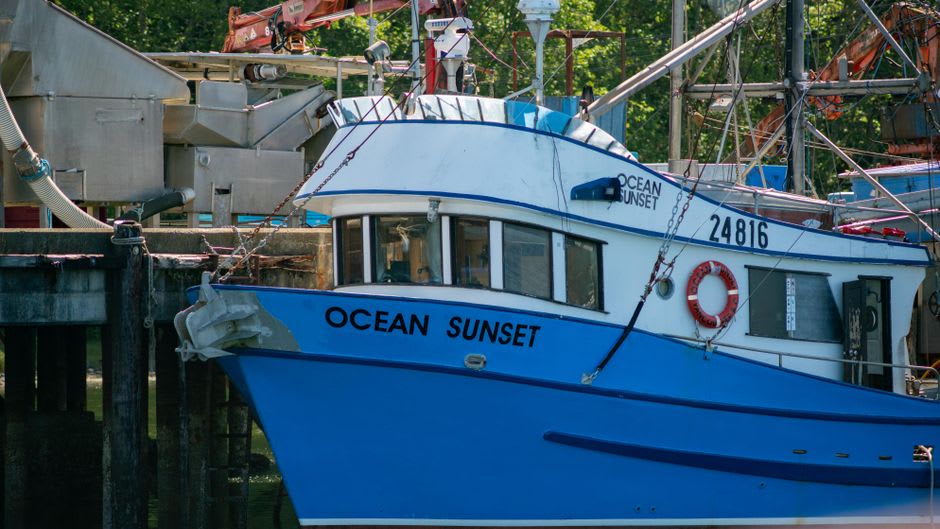
I’d been in Tofino for three days before someone at a gas station told me, almost apologetically, that if I wanted to see what this coast actually looks like without the boutique hotel gloss, I should drive the forty minutes south to Ucluelet. I did, and I felt a little sheepish about it afterward — the two towns sit on the same peninsula, share the same highway, and yet Ucluelet has stayed a fishing and forestry town that tourism arrived at rather than one built around it. The harbour still smells like diesel and low tide. Boats still come in low in the water with actual fish in them.
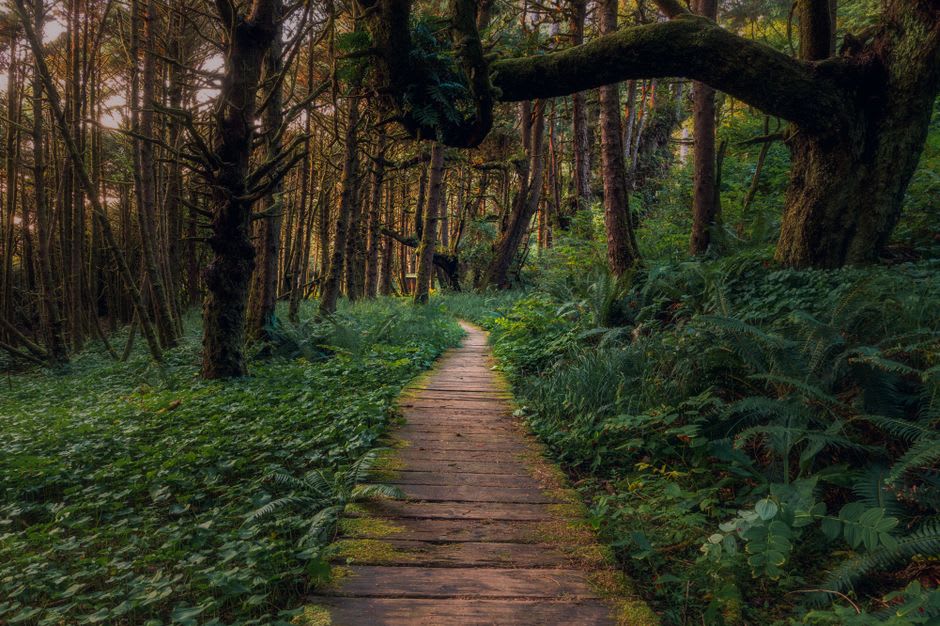
The reason to come, beyond the harbour itself, is the Wild Pacific Trail, a boardwalk-and-headland path that hugs the coastline in sections totaling about eight kilometres. I walked the Lighthouse Loop at the southern end at dusk, the Amphitrite Point lighthouse still working after more than a century, and the swell coming in against the rocks below with a violence that felt entirely indifferent to me standing there. This is not a beach for swimming. This is a coast built for watching, and BC leans into that fully — Ucluelet’s hotels market “storm watching” as a winter activity the way other places market skiing, and having now sat in an oceanfront room during a January gale with forty-knot winds throwing spray over the rocks, I understand the appeal completely.
The Ucluelet Aquarium is small and does something I appreciated — everything in the tanks is caught locally each season and released back into the harbour at year’s end, so what you’re seeing is genuinely of this specific patch of ocean rather than a generic touch-tank collection. I spent twenty minutes with a giant Pacific octopus that a volunteer told me had a favourite hiding spot and a documented dislike of Tuesdays, which is either marine biology or the kind of thing staff say to tourists, and I chose to believe it.
Food here is built around what the boats bring in — I had a bowl of chowder at a shack near the harbour that used halibut caught that morning, and a plate of spot prawns in June that were still faintly sweet from having been in the water an hour earlier. It’s a smaller, rougher-edged town than Tofino, and that’s precisely its case for existing.
When to go: December through February for storm watching, when Pacific systems roll in with real intensity and the town’s oceanfront lodges are built specifically for it. June through September for the Wild Pacific Trail in good weather and spot prawns fresh off the boats.
Keep exploring
More from British Columbia
 british-columbia
 Vancouver
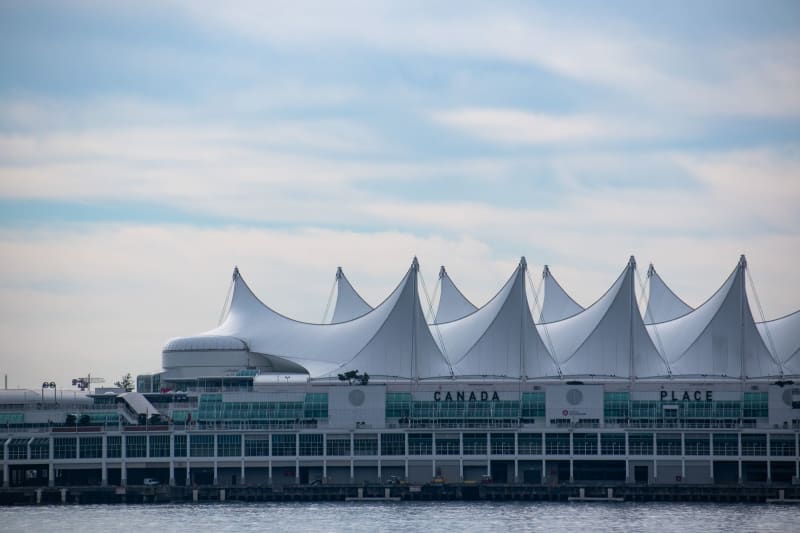
A rain-polished Pacific city where the mountains are so close they feel like a standing invitation.
Explore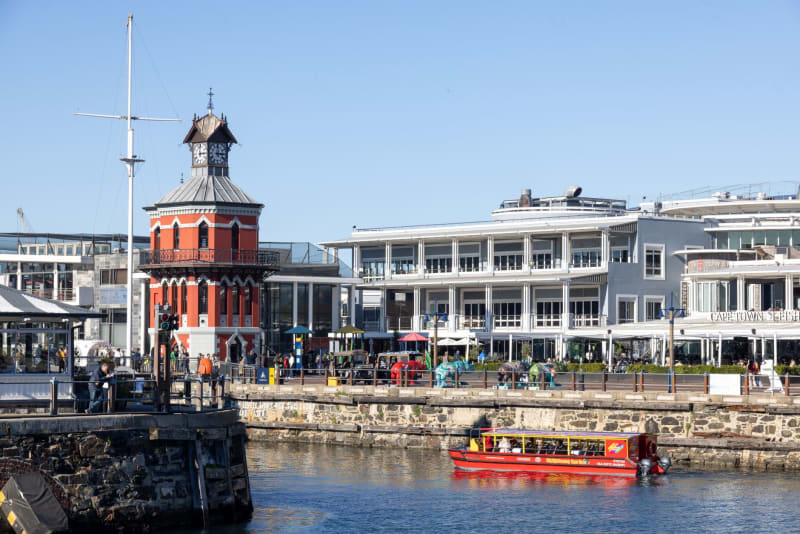 british-columbia
 Victoria
A colonial harbour city at the southern tip of Vancouver Island that feels, improbably, like it has the right amount of everything.
Explore british-columbia
 Wells Gray Provincial Park
A vast, little-visited wilderness park in BC's interior built on old volcanic rock, home to some of Canada's tallest waterfalls and almost no crowds at all.
Explore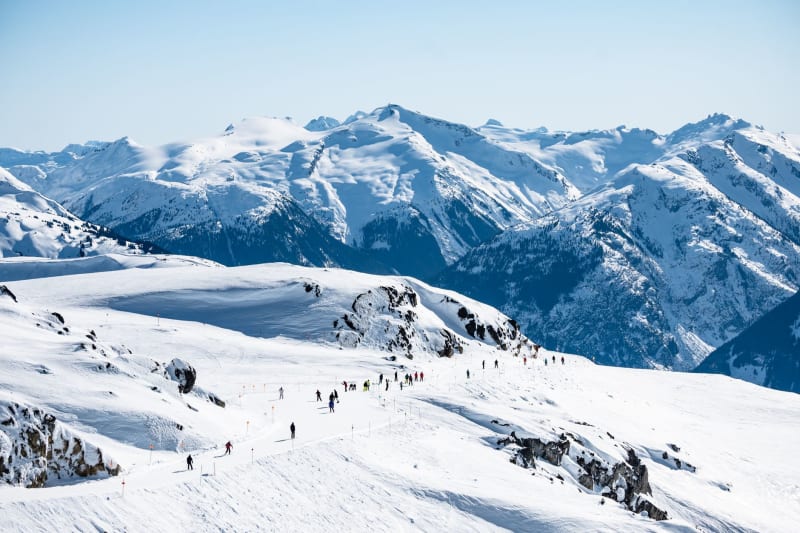 british-columbia
 Whistler
A mountain village two hours north of Vancouver that earns its reputation in summer as thoroughly as it does in winter.
Explore british-columbia
 Barkerville
A meticulously preserved Cariboo gold rush boomtown, once the largest city west of Chicago and north of San Francisco, now frozen at its 1870s peak.
Explore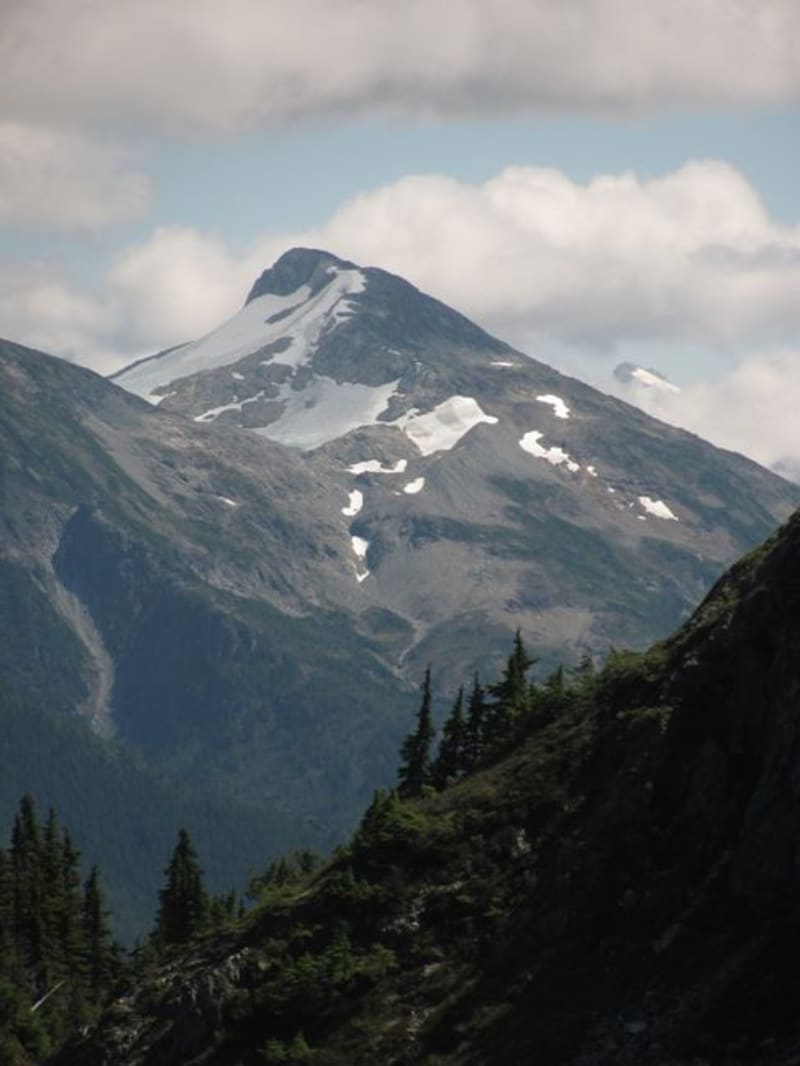 british-columbia
 Bella Coola
A remote valley on BC's Central Coast reached by one legendarily steep gravel road, where grizzlies fish the river and the Nuxalk Nation's history runs deep.
Explore