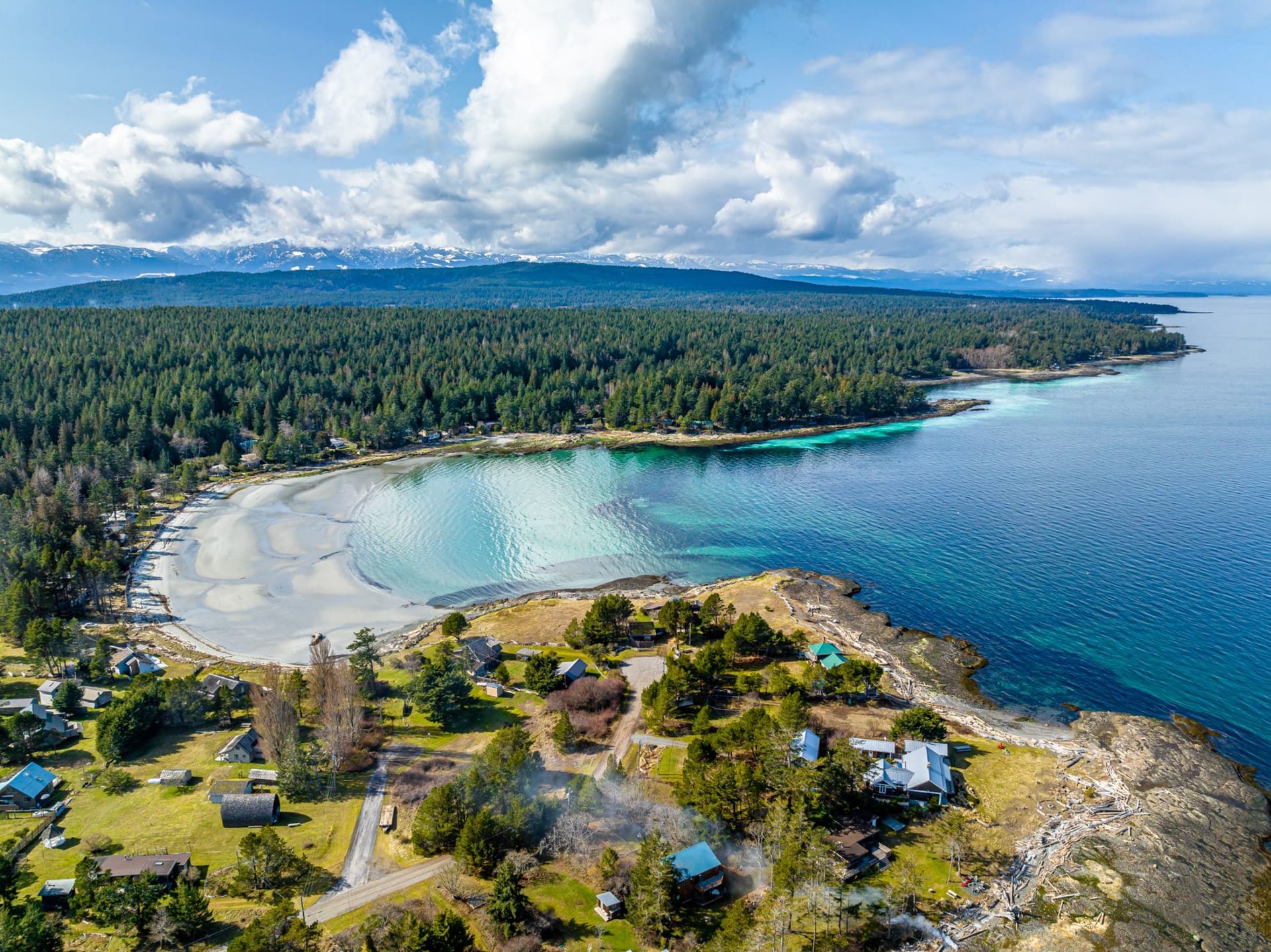
Salt Spring Island
"Salt Spring moves at a speed that Vancouver makes you forget exists. By day two, you remember."
The ferry from Tsawwassen to Long Harbour on Salt Spring Island takes about ninety minutes through the southern Gulf Islands, and the pace shift begins somewhere in the middle of Active Pass, the narrow channel between Galiano and Mayne Islands where the ferry slows to a crawl and the kelp beds are close enough to see the detail in. I came on a Friday afternoon in September with no particular plan, which turned out to be the only way to approach Salt Spring — any schedule imposes itself on a place that has been quietly resisting schedules since the counterculture artists and back-to-the-land homesteaders arrived in the 1960s and 70s and never quite left.
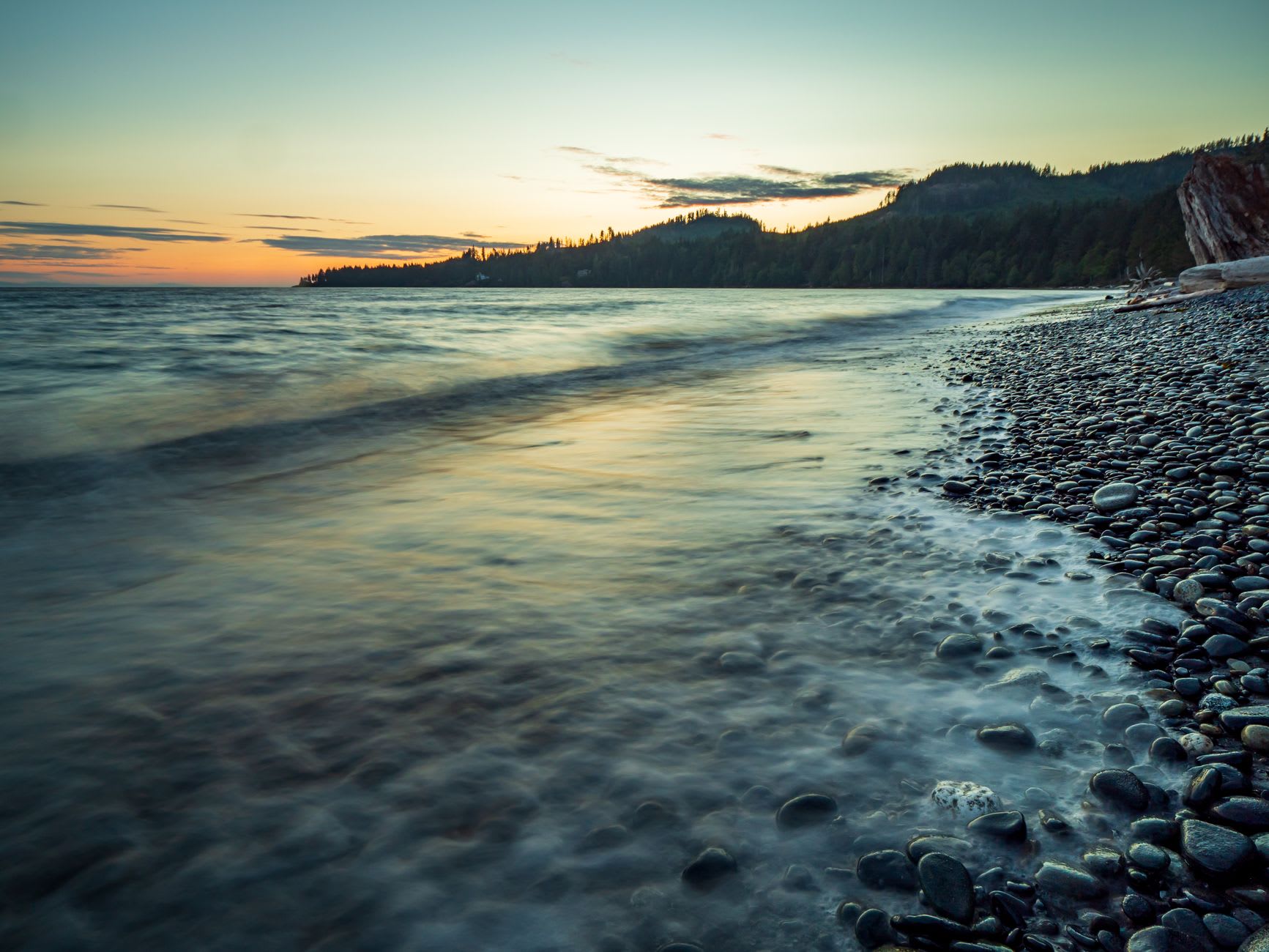
The Saturday Market in Ganges — the island’s main town, a generous use of the word — has been running since 1975 and operates on a rule that everything sold must be made or grown by the seller on the island. The result is genuinely different from the farmers’ market experience elsewhere: local artists selling glazed pottery and hand-woven baskets; Salt Spring Island Cheese, which makes soft fresh chevre and aged tommes from the island’s sheep; honey extracted from hives kept on the lavender farms in the south; blackberry jam from berries picked on someone’s specific north-end property. I bought a small round of sheep’s milk cheese and a jar of lavender honey and ate them together on a bench by the harbour and thought: these two things were made within ten kilometres of where I’m sitting. That specificity is the whole point.
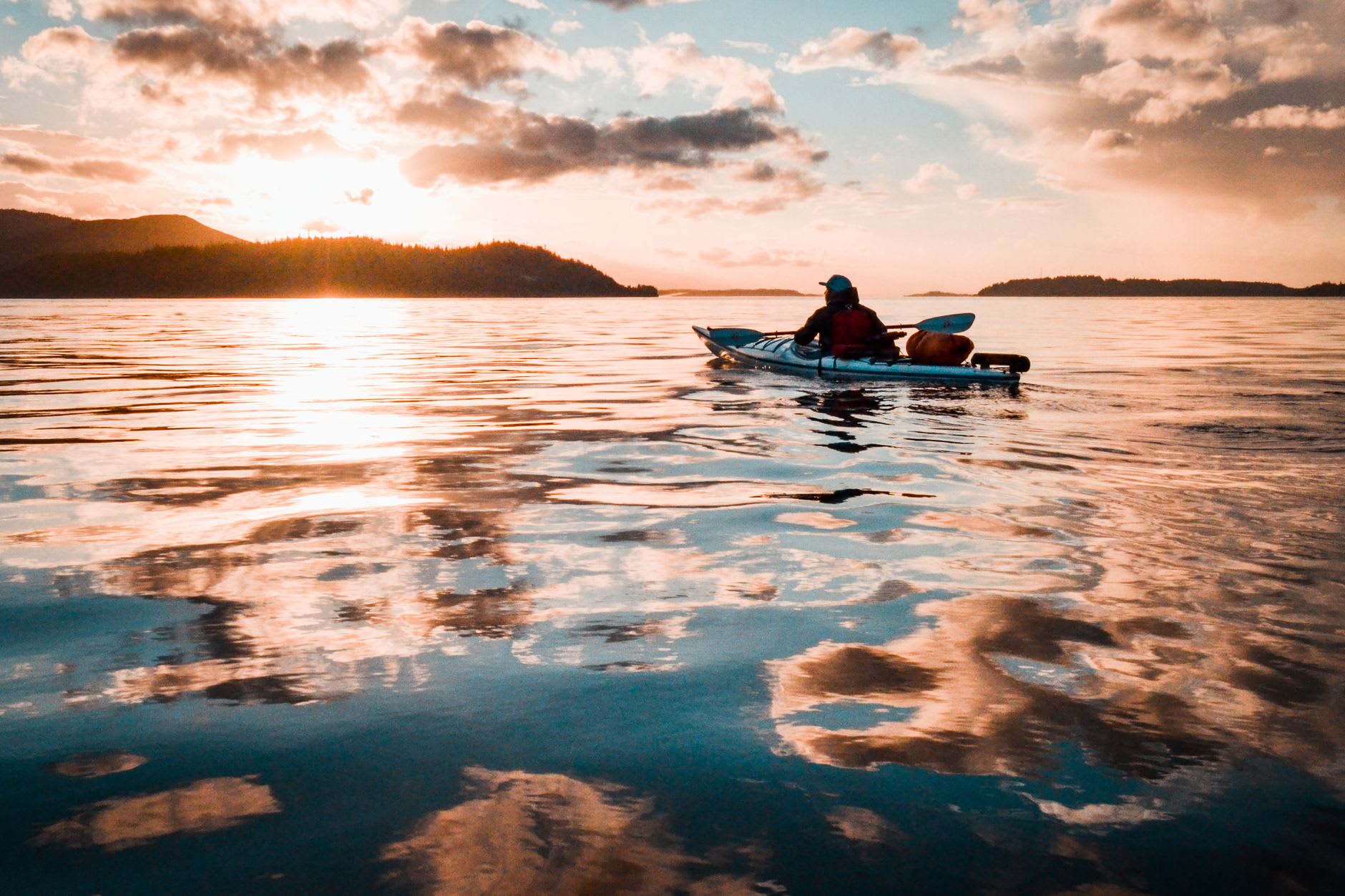
The island has no traffic lights, which is an accurate proxy for its character. There are about eleven thousand people living here and the roads wind through second-growth Douglas fir and cedar, past hobby farms and art studios and small organic orchards, in a way that encourages the accidental: the sign for fresh eggs at a gate, the studio open flag at a potter’s workshop, the orchard selling heritage apples by the bag on the honour system. I cycled from Ganges to the south end of the island one morning, climbing out of the town and then descending through the forest, the smell of warm cedar and salt air coming in alternating bands as the road moved from forest to exposed bluff and back. At Ruckle Provincial Park, the oldest farm in BC is still partly in operation — the Ruckle family homestead, dating from the 1870s, sits on a point of land where sheep graze to the water’s edge and stone walls run down to the rocky coast. I sat on the rocks for an hour eating the cheese I’d bought at the market. The sheep ignored me completely.
The arts culture is not decorative — it is structural to Salt Spring’s identity. There are more working artists per capita here than almost anywhere in BC, and many of them have studios open to visitors through the fall studio tour season. The island’s gallery scene in Ganges is small but thoughtful: ceramics, painting, textile work, glass. The standard is high enough to make impulse purchases dangerous to your bank balance.
When to go: May through October for the Saturday Market and the full rhythm of island life. September is the best month — the summer crowds have thinned, the light goes golden in the afternoons, and the apple harvest is happening at the south-end farms. The Fall Studio Tour in October opens working artists’ studios to visitors and is worth organising a trip around. Winter is quiet and the island turns inward; the ferries run but the pace goes very slow, which for certain temperaments is exactly right.