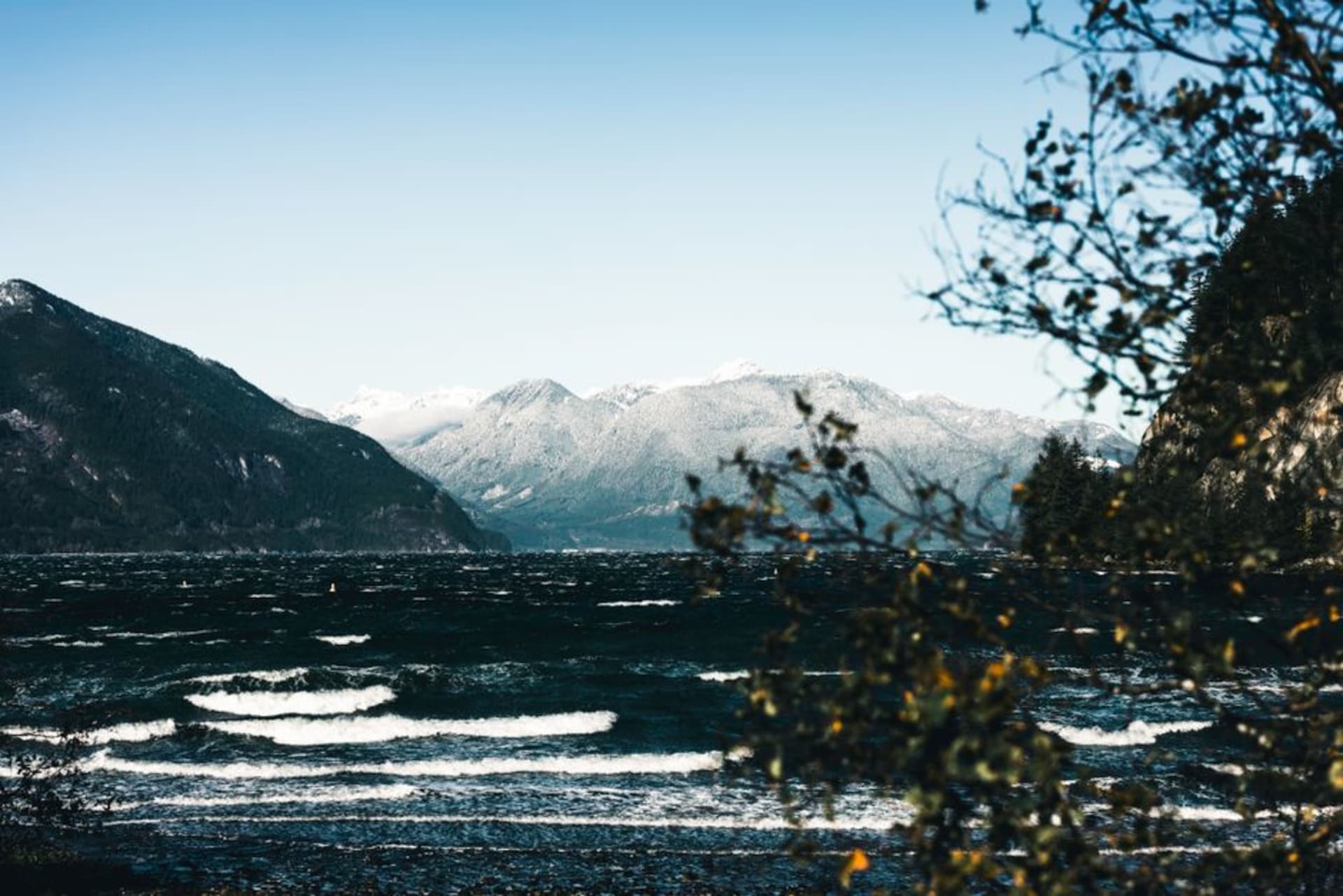
Harrison Hot Springs
"I came for the hot springs and stayed because the lake wouldn't let me leave."
A lakeside village ninety minutes from Vancouver built around mineral hot springs, a vast glacial lake, and one very famous sand sculpture competition.
I went to Harrison Hot Springs the way most people from Vancouver do — as a weekend fix for sore muscles after a bad ski week at Whistler, expecting a strip-mall spa town and nothing more. What I got instead was Harrison Lake itself, forty kilometres long, glacially cold, and genuinely enormous in a way that photographs undersell. The village sits at its southern tip, a modest grid of streets that empties directly onto public beach, and the scale mismatch between the tiny town and the huge dark lake stretching north into mountains is the first thing that gets you.
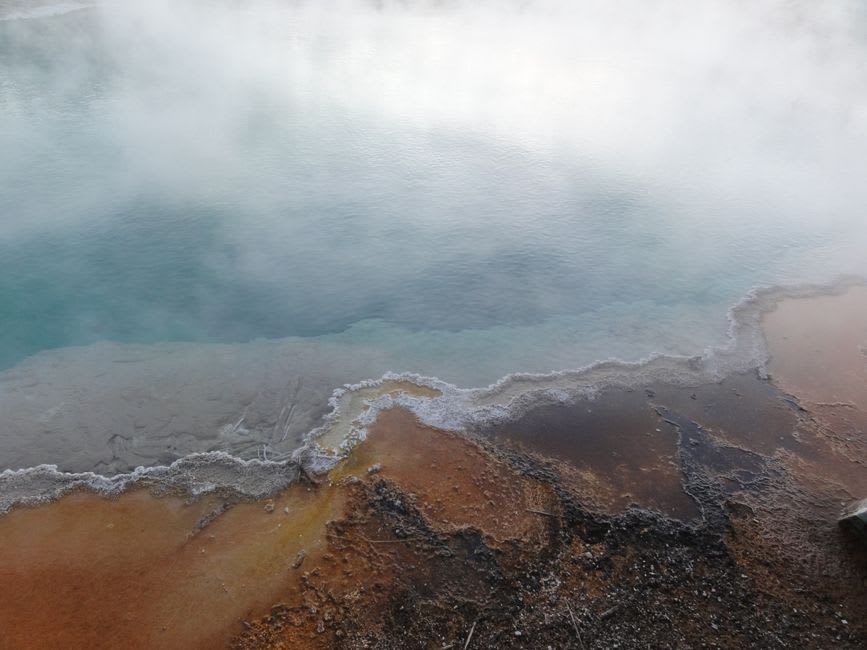
The hot springs themselves are mineral pools fed by geothermal water that the local Sts’ailes First Nation used long before any resort existed, and the public hot pool downtown is unglamorous and completely worth it — plastic loungers, kids doing cannonballs, retirees soaking in silence at the shallow end, all sharing water that comes out of the ground at around 65°C and gets cooled to something survivable. I went in November in the rain, which turned out to be the correct call: steam rising off the pool while actual rain fell on your head is a specific, very Pacific Northwest kind of pleasure.
What I didn’t expect was the sand. Every September the village hosts the World Championship Sand Sculpture competition, and I happened to be there for the tail end of one — enormous, technically absurd sculptures still standing on the public beach, ten-metre dragons and cathedrals built entirely of compacted sand and water, a discipline I hadn’t known existed at this level of seriousness. Local sculptors talked me through the wet-tamping technique for an hour while I nodded and understood roughly a third of it.
The town itself won’t hold you for more than two or three days — it’s a handful of restaurants along the main strip, a couple of decent hotels, and the lake — but the combination of hot mineral water in cold mountain air is one of those simple pleasures that BC does better than almost anywhere I’ve been.
When to go: Fall through winter for the hot springs at their most atmospheric, ideally on a rainy or snowy day. Early September for the sand sculpture competition, and summer for lake swimming and paddling, though the water stays cold even in August.