Haida Gwaii
"The totem poles at SGang Gwaay stand in the rain without explanation. They don't need one."
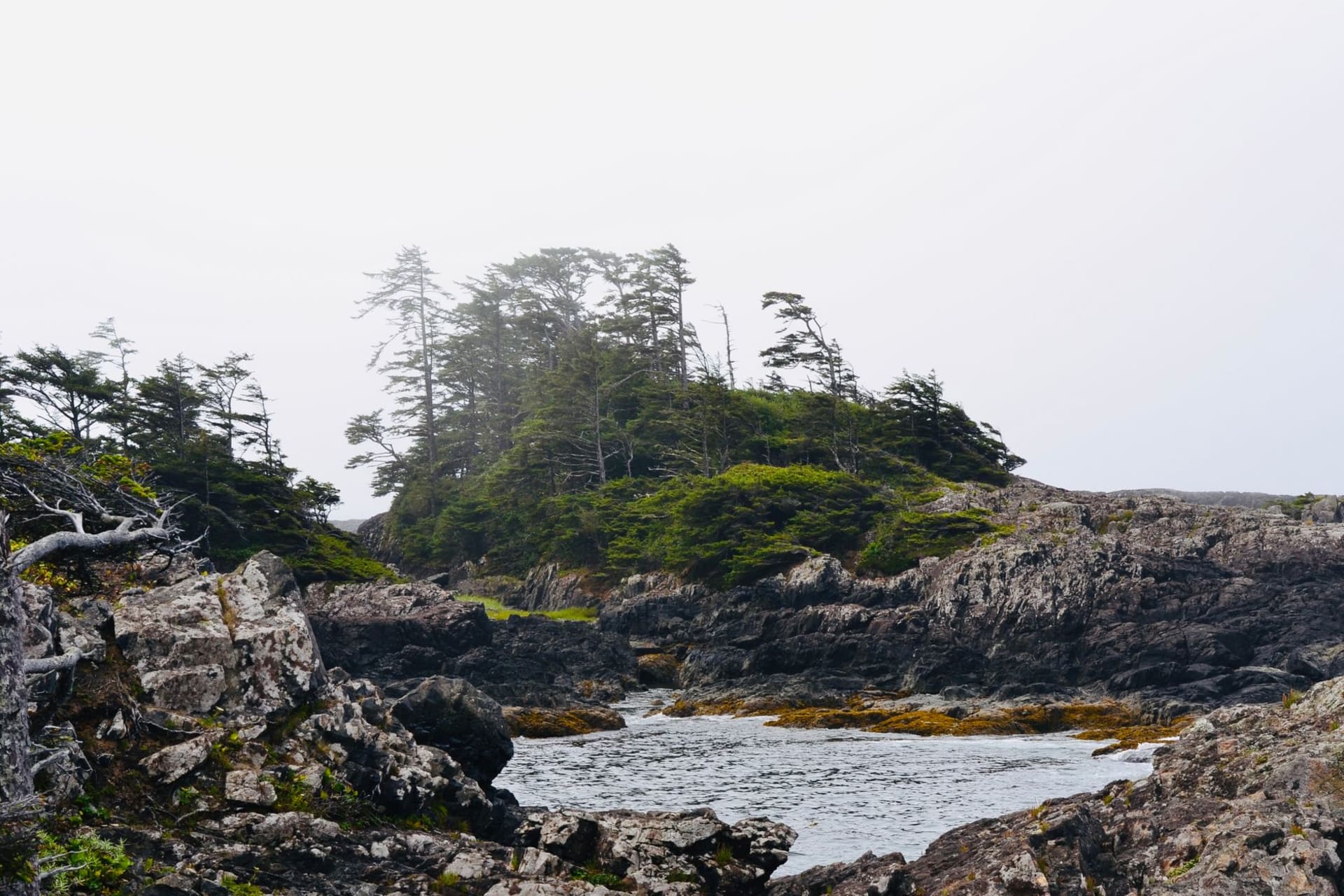
You can only reach Haida Gwaii by ferry from Prince Rupert or by small plane, and the journey itself is a recalibration. The BC Ferries run called the Northern Expedition takes sixteen hours from Prince Rupert, cutting northwest through open Pacific water, and by the time the islands appear on the horizon — dark green and low, the sky matching the sea — you have already understood that you are going somewhere that doesn’t particularly care about being convenient. I came in October, which meant nearly empty decks and a certain grey grandeur to everything, the swell running at a metre and a half and the horizon a soft line between two shades of steel.
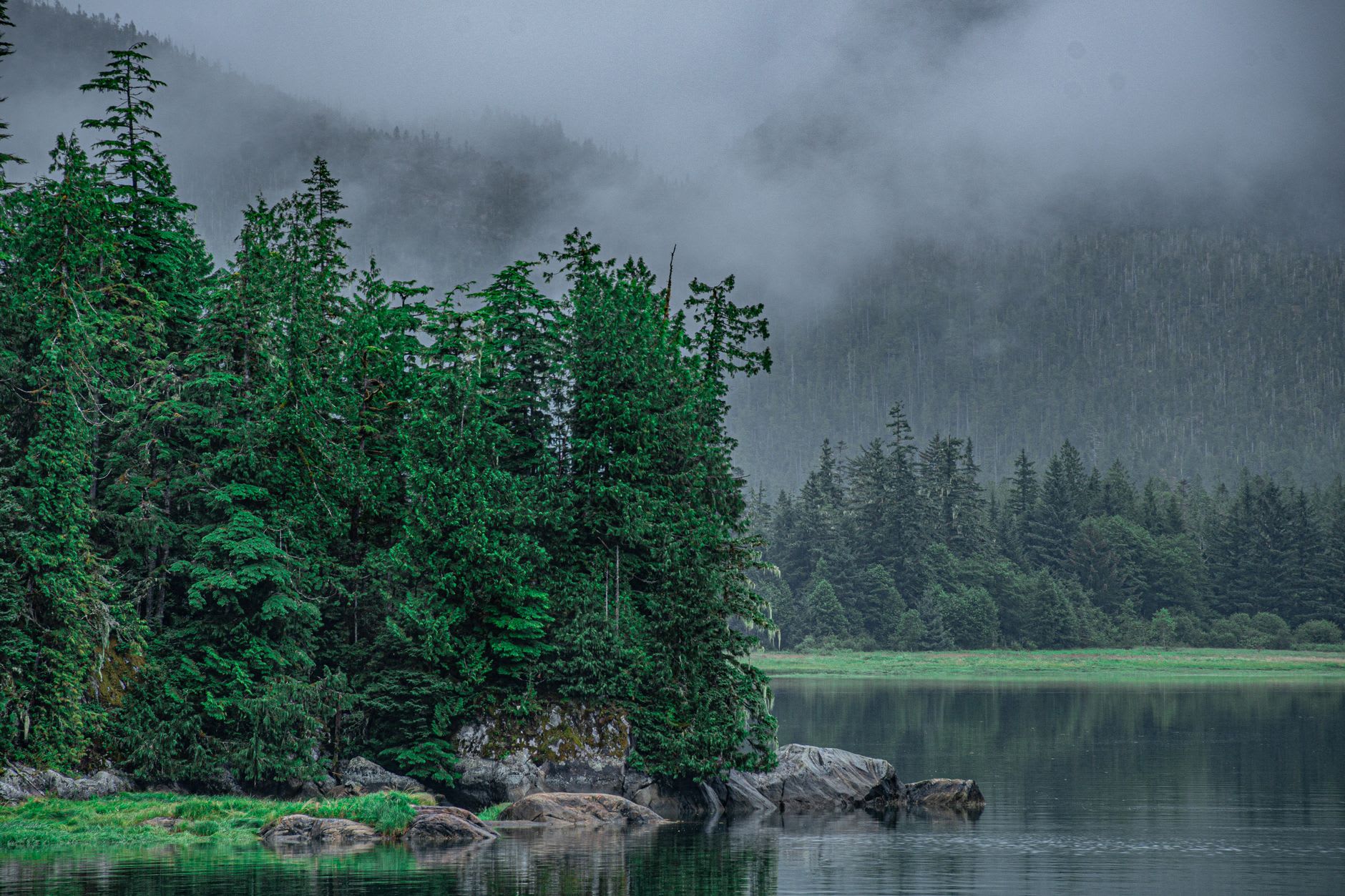
The archipelago — about 150 islands, the two largest being Graham and Moresby — sits 130 kilometres off the northern BC coast and has been home to the Haida people for at least fourteen thousand years. The Haida Gwaii that exists now is largely theirs in a formal sense too: the Haida Nation co-manages the Gwaii Haanas National Park Reserve and Haida Heritage Site, which covers the southern portion of the archipelago. Gwaii Haanas is accessible only by boat or floatplane, with Haida Gwaii Watchmen — Haida guides — stationed at key cultural sites through the summer. The site of SGang Gwaay, at the southern tip of Moresby Island, is a UNESCO World Heritage Site: the remnants of a nineteenth-century Haida village, its mortuary poles leaning at various angles now, returning to the forest at their own pace. There is no fence, no interpretive panel with a map of points of interest, no audio guide. Just the poles, the longhouse depressions in the ground, and the Pacific breaking on the rocks below. Standing there in the rain, I kept having the sensation that the interpretation was happening the wrong way around — that the place was reading me.
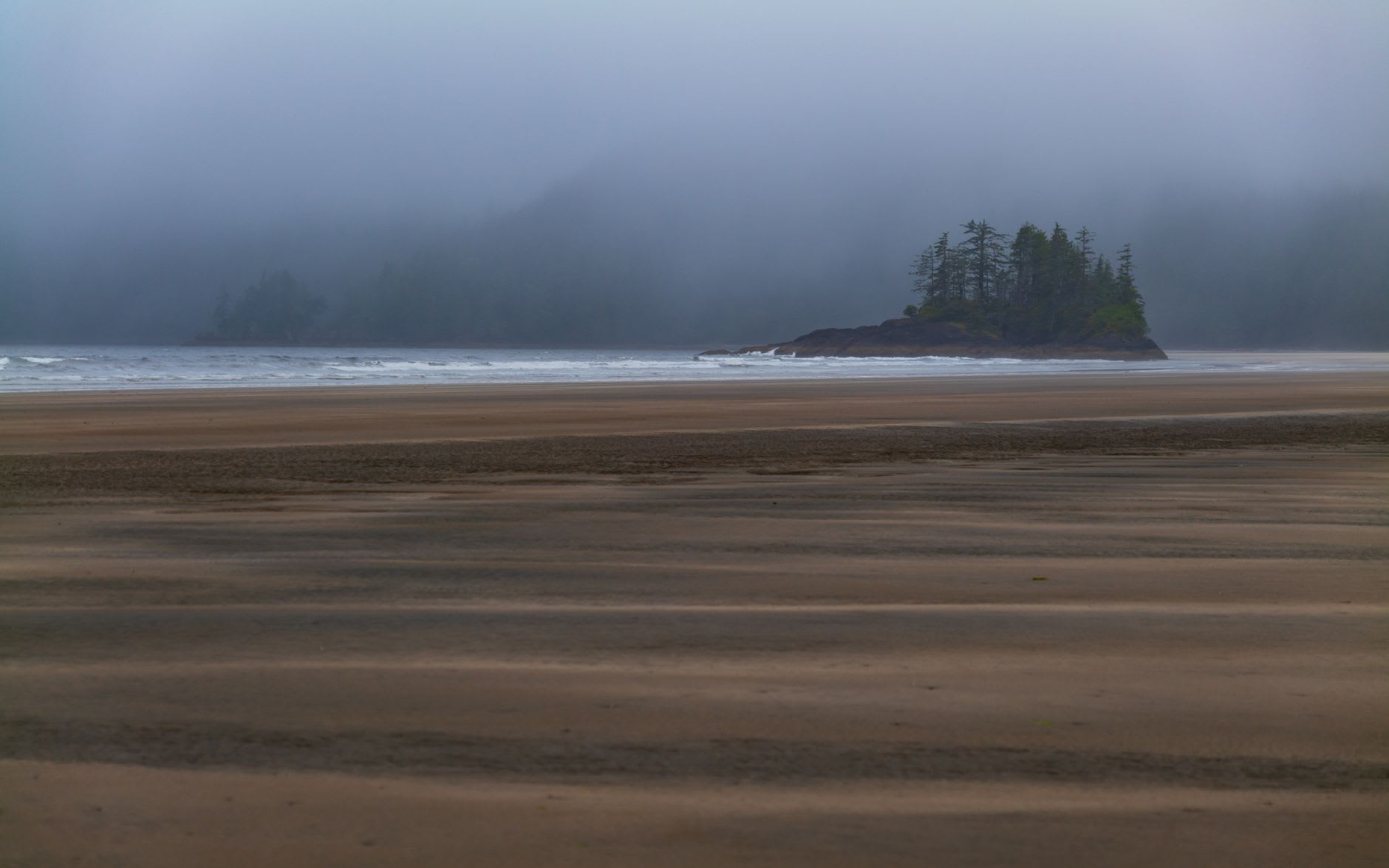
The food culture in the largest town, Masset on Graham Island’s north coast, runs on salmon in the way that Mexican towns run on corn — it is the fundamental thing, present in every form. Smoked sockeye at roadside stands. Canned coho from small processors. Fresh spring Chinook at the dockside fish shacks when the season is right. I bought a vacuum-sealed package of smoked sockeye from a woman at the Old Masset market who told me her family had been smoking fish on this island for more generations than she could count. I believed her. The fish tasted like it had been caught an hour ago, which it probably had.
The wildlife here is arresting in its casualness — bald eagles are so common they barely register, sitting in the spruce trees along the road like pigeons. Black bears move along the beaches at low tide, eating exposed crabs and sea urchins. Roosevelt elk, enormous and unbothered, cross the road in groups. Offshore, humpback whales and Dall’s porpoises. In September, the salmon in the rivers attract so many bears that people slow their cars to watch from the road, ordinary as a school zone.
When to go: July and August for Gwaii Haanas access by kayak or tour boat — the Watchmen are stationed at the cultural sites and the weather is most cooperative. September is the salmon season and one of the best times to see bears. October and beyond means rougher seas, the Watchmen gone, and the islands much more to themselves. Getting in and out becomes weather-dependent; you may stay longer than you planned. That is not the worst thing that can happen.