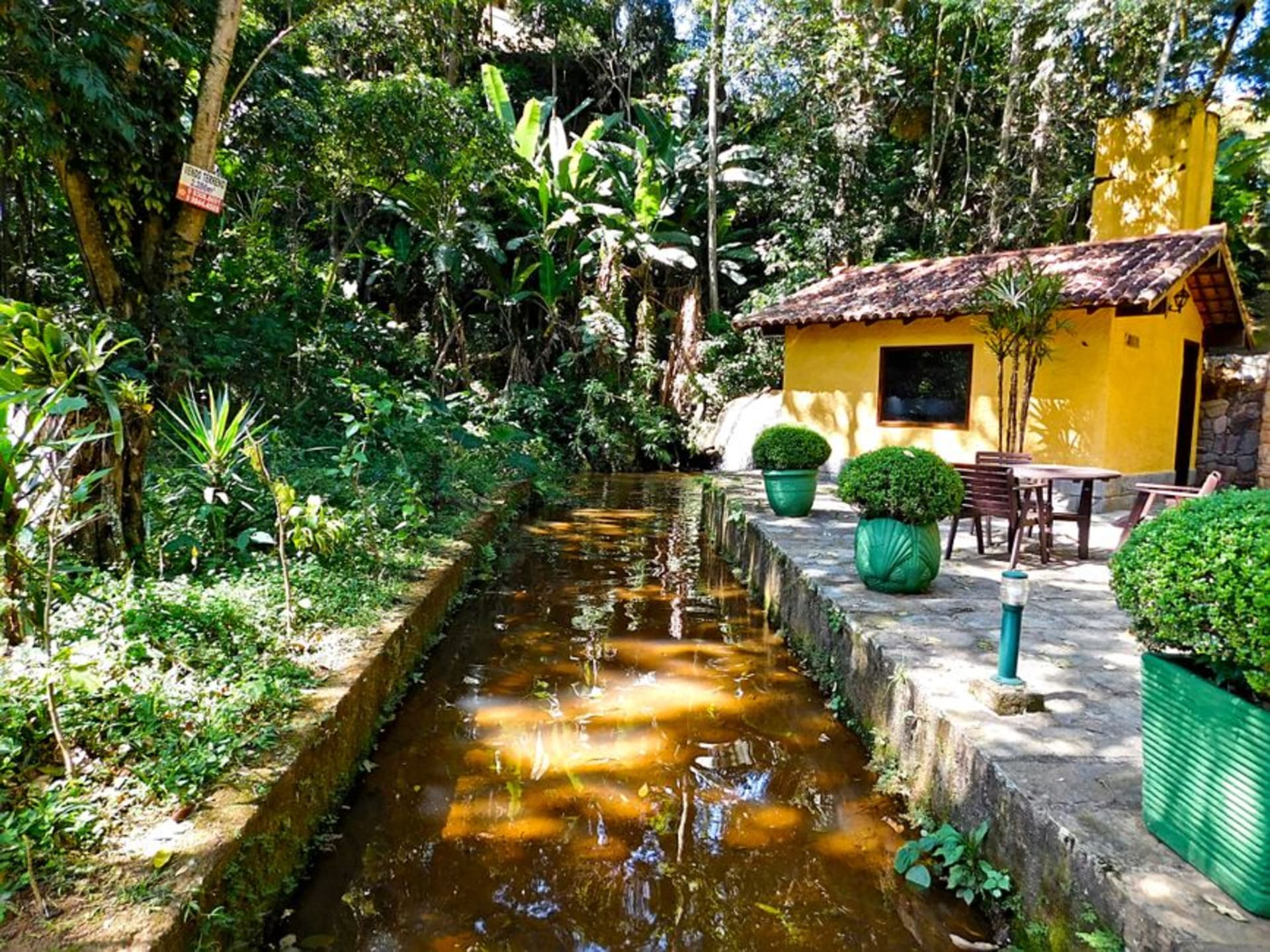
Visconde de Maua
"I drove three hours from Rio's beaches and arrived somewhere that smelled, unmistakably, of pine and woodsmoke."
A cool mountain village near Rio, founded by Finnish immigrants, threaded with waterfalls, cachaca stills, and pine-shadowed rivers.
A quick clarification before anything else, because I made the mistake myself while researching this trip: this is Visconde de Mauá in the Serra da Mantiqueira, straddling Rio de Janeiro and Minas Gerais states — not the historic Penedo of Alagoas on the São Francisco river, and not even the nearby town simply called Penedo in this same mountain region, founded by Finnish settlers a few kilometers away, though the two are close enough that most visitors see both in a single trip.
A Finnish Village in the Brazilian Mountains
Nearby Penedo (the mountain one, in Rio de Janeiro state) was founded in the 1920s by a group of Finnish immigrants chasing a utopian vision of communal living, and while that specific commune dissolved decades ago, the architectural legacy persists — steep-roofed timber chalets, a small Lutheran church, and a bakery selling Nordic-leaning pastries that feel deeply strange after a week of feijoada and moqueca on the coast. Visconde de Mauá itself, a short drive further into the valley, has a similar mountain-village character without the specific Finnish imprint, its own economy built on trout farms, cachaça distilleries, and hiking trails through Atlantic forest that has never been cleared.
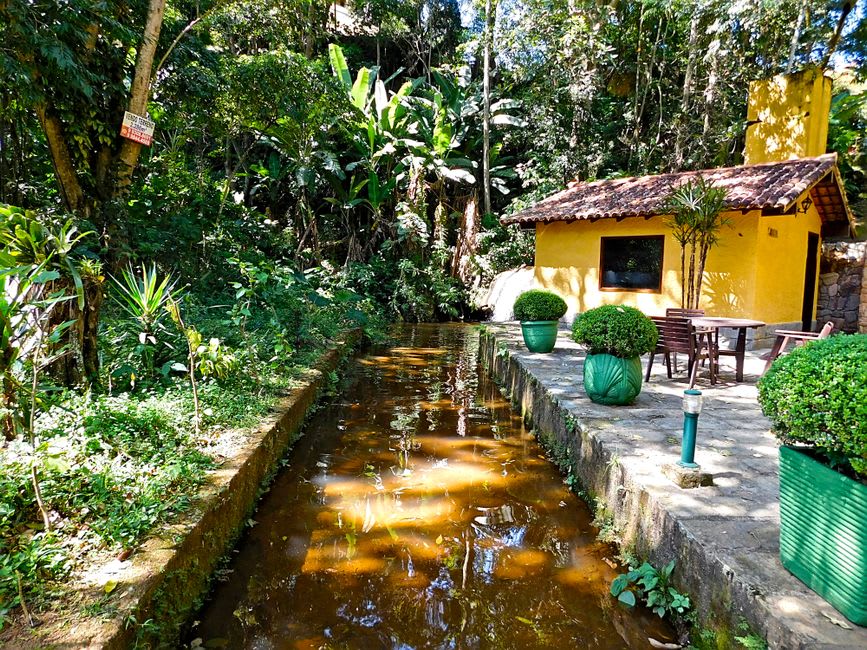
Waterfalls and Cold Rivers
The whole region is threaded with rivers running down from the Mantiqueira range, cold enough that swimming in July requires genuine commitment. Lia and I hiked to Cachoeira do Escorrega, a smooth granite slide-waterfall where locals in wetsuits slid down on their backs with an ease that suggested lifelong practice, and where I attempted the same and emerged with considerably less grace and a bruised elbow. Cachoeira Véu de Noiva, further along the same trail network, drops in a wide veil over dark rock into a pool clear enough to see trout moving along the bottom.
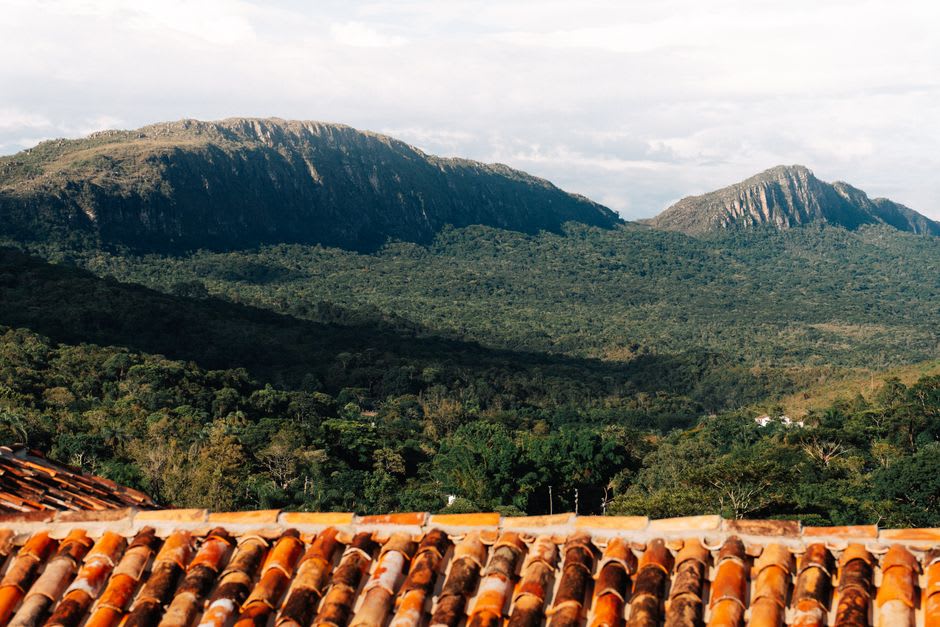
Cachaça and Trout, Not Feijoada
The region’s cooler climate has produced a food and drink culture that feels imported from somewhere else in Brazil entirely — trout raised in the cold rivers, served grilled with almonds at farm restaurants; small-batch cachaça distilleries offering tastings on wooden verandas overlooking their own sugar-cane fields; fondue houses that lean into the mountain-retreat identity so hard it borders on parody, and which I nonetheless enjoyed without irony on a genuinely cold night.
When to go: June to August for the coolest mountain air, wood-fire evenings, and the full alpine-in-the-tropics effect. December to February is warmer and greener but brings more rain to the waterfall trails.