Valença
"Everyone passes through Valença on the way to somewhere else. Almost nobody stops."
A working river town on the Rio Una best known as the ferry gateway to Morro de São Paulo, but worth a day in its own right for its colonial waterfront and boatbuilding tradition.
Nearly every traveler who reaches Morro de São Paulo by land passes through Valença without really seeing it — a bus disgorges everyone at the ferry terminal, boats depart within the hour, and the town itself gets reduced to a logistical footnote. We had a four-hour gap between buses and decided, more out of necessity than ambition, to actually walk it. It turned out to be one of the more honest, unpolished river towns I found in Bahia.
The Waterfront and the Boatbuilders
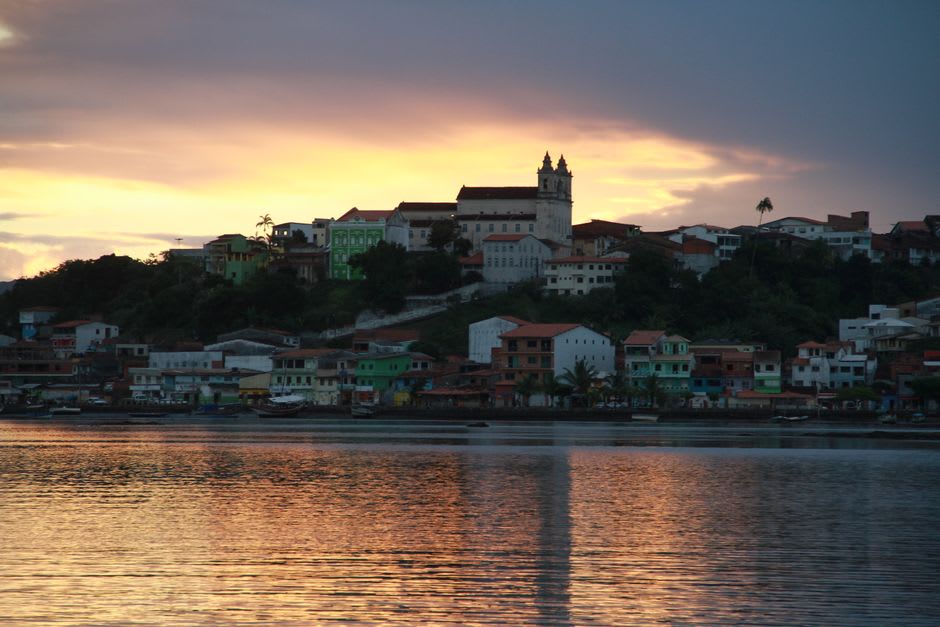
Valença sits on the Rio Una just before it opens into the Bay of Camamu, and its economy has run on that river for centuries — first sugar, now fishing and small-scale shipbuilding. Along the waterfront, wooden saveiro boats in various states of construction and repair line the muddy banks, built by hand using techniques passed down through families rather than blueprints. A boatbuilder named Zé, sanding a hull with a rag wrapped around a piece of wood, let us watch for twenty minutes and answered questions about the wood he used (angelim, mostly) with the patient exasperation of a man who has explained this a thousand times to people just killing time before a ferry.
Igreja de Nossa Senhora do Amparo and the Old Center
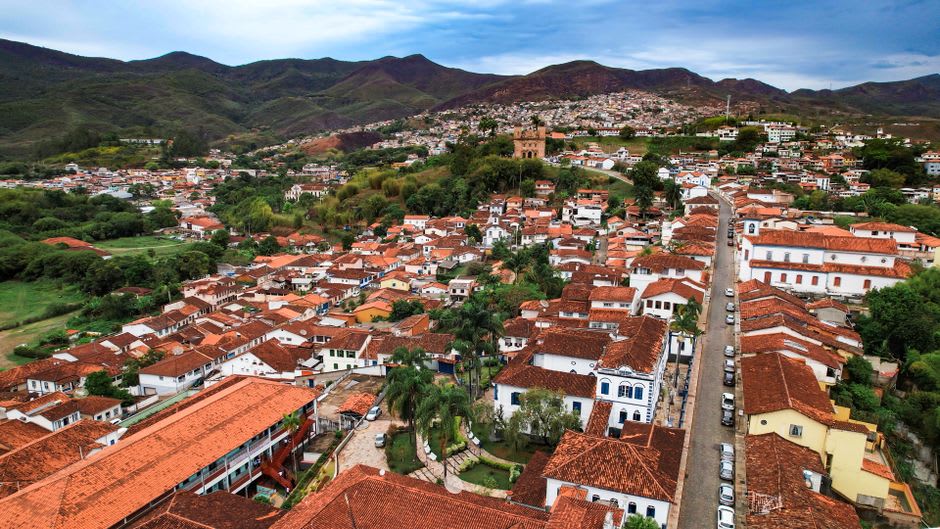
A short walk uphill from the docks, the town’s colonial core clusters around Igreja de Nossa Senhora do Amparo, its facade sun-bleached and its interior nearly empty on the weekday afternoon we visited. The surrounding streets carry the unrestored charm of a town that never became a tourist product — peeling paint, ironwork balconies, a market selling dried shrimp and cassava flour to locals rather than souvenirs to visitors.
A Layover Worth Keeping
Valença won’t make anyone’s must-see list for Bahia, and it doesn’t need to. What it offers is a genuine, working river town glimpsed at close range, the kind of place that exists entirely for its own reasons rather than for anyone passing through. We caught our ferry to Morro de São Paulo with a better sense of the region than if we’d simply waited at the terminal, watching boats come and go.
When to go: Any time works as a stopover en route to Morro de São Paulo or Tinharé island; the dry season from September to March keeps the unpaved riverfront paths more walkable.
Keep exploring
More from Brazil
 brazil
 Visconde de Maua
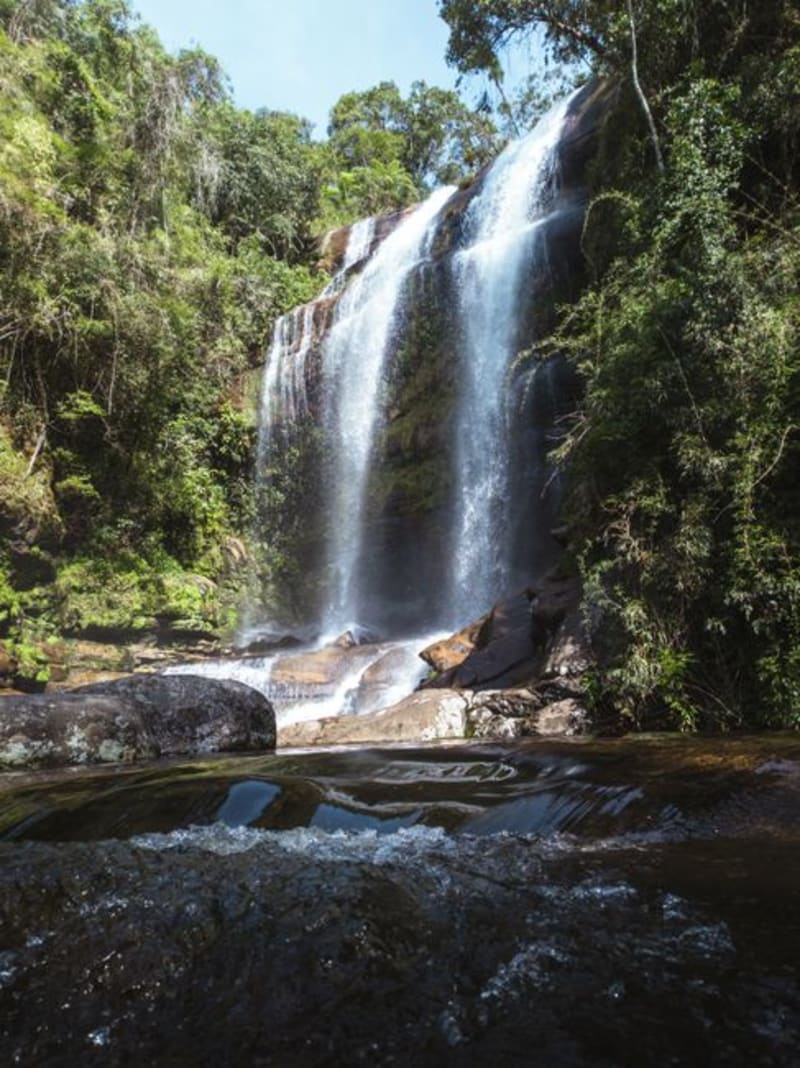
A cool mountain village near Rio, founded by Finnish immigrants, threaded with waterfalls, cachaca stills, and pine-shadowed rivers.
Explore brazil
 Alter do Chão
White sand beaches on a warm Amazon river, freshwater so clear it defies everything you think you know about the jungle.
Explore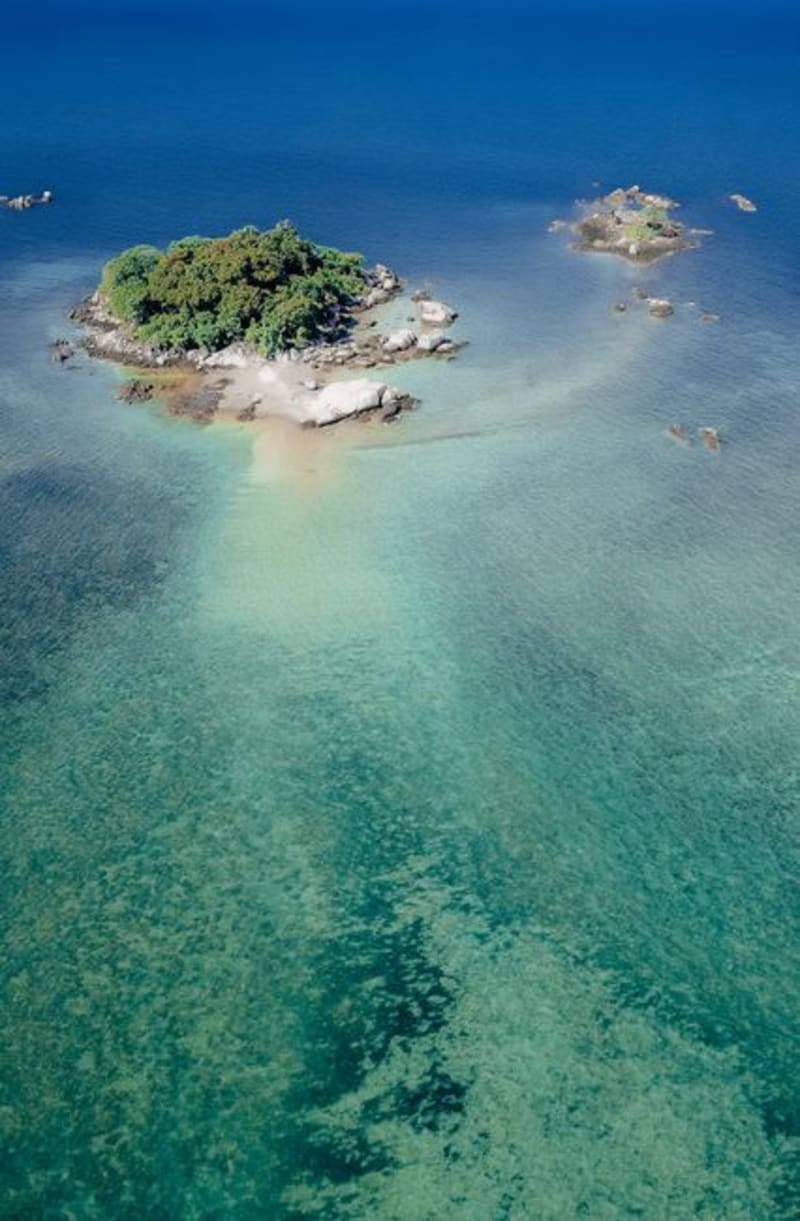 brazil
 Anavilhanas Archipelago
The world's second-largest freshwater archipelago, hundreds of forested islands scattered across the black water of the Rio Negro.
Explore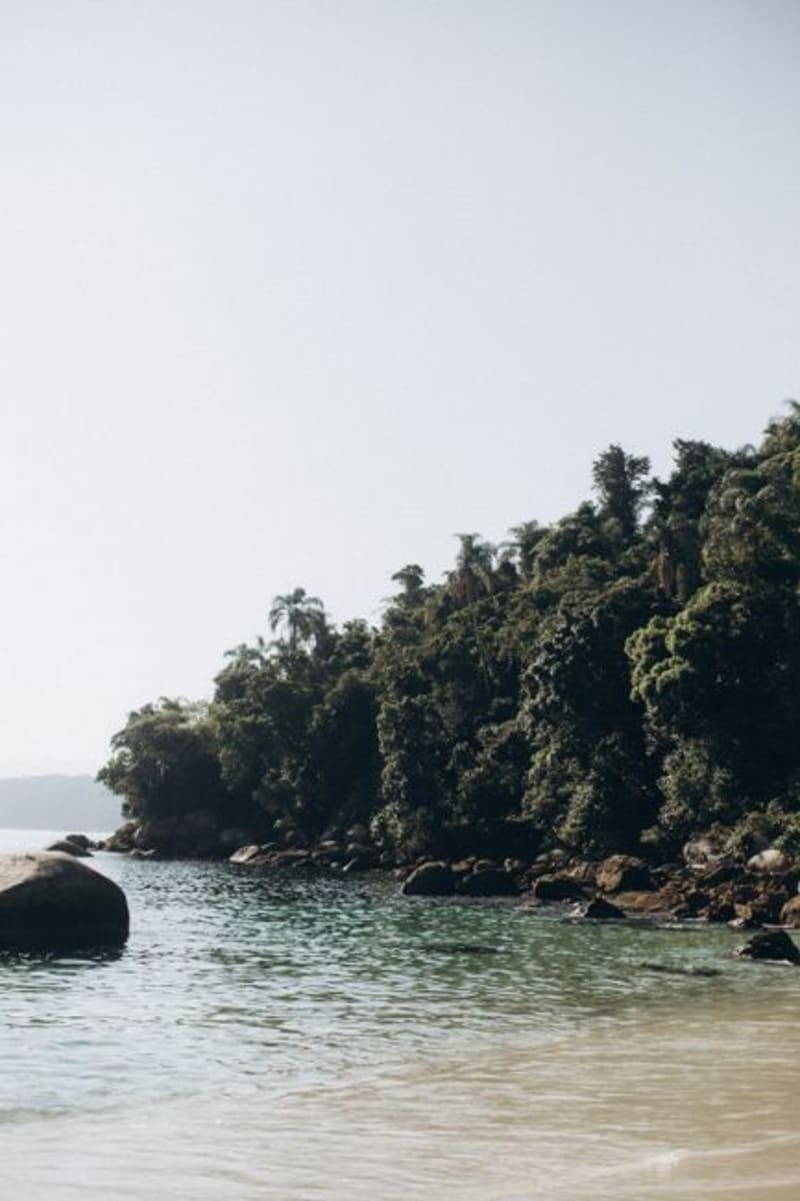 brazil
 Angra dos Reis
Gateway to the Costa Verde's 365 islands, where a day on a wooden schooner turns into the easiest excuse for doing absolutely nothing well.
Explore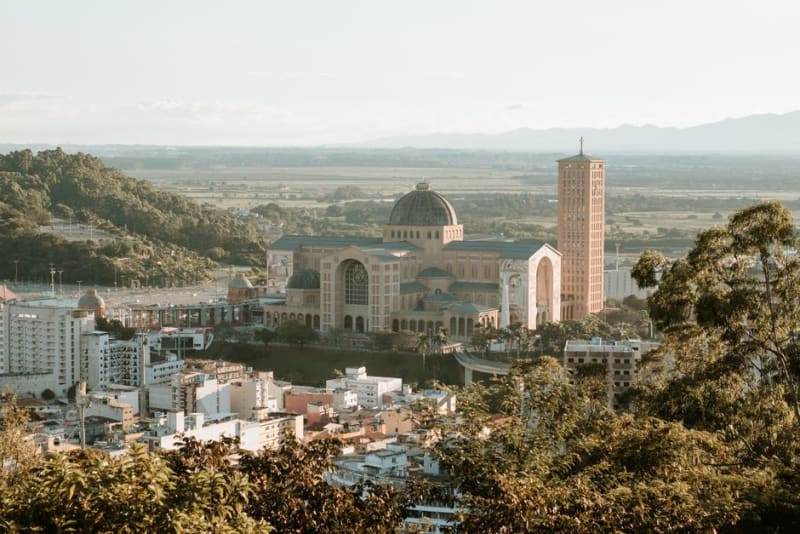 brazil
 Aparecida
Brazil's largest pilgrimage site, where a small clay statue fished out of a river three centuries ago now draws millions past a basilica the size of a small city.
Explore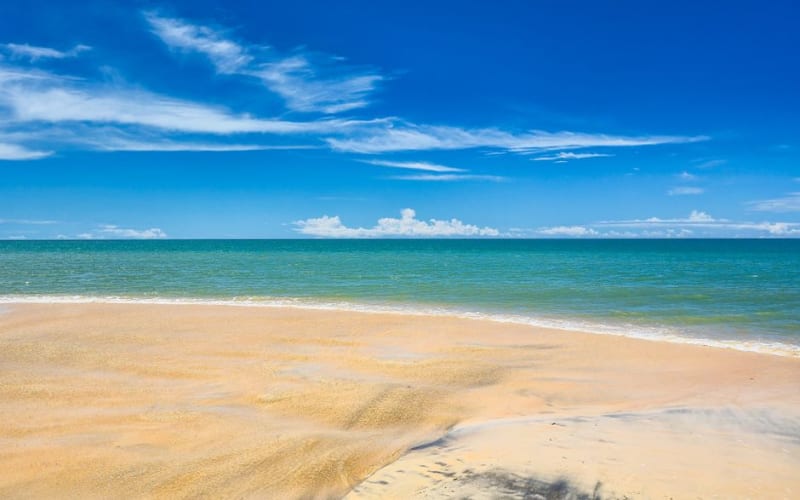 brazil
 Arraial d'Ajuda
A bohemian beach village across the river from Porto Seguro, close enough to Trancoso to share its coastline but scrappier, cheaper, and less curated.
Explore