Alter do Chão
"I stood on a sandbar in the middle of the Amazon and the water was Caribbean-clear. Nobody warns you about this."
White sand beaches on a warm Amazon river, freshwater so clear it defies everything you think you know about the jungle.

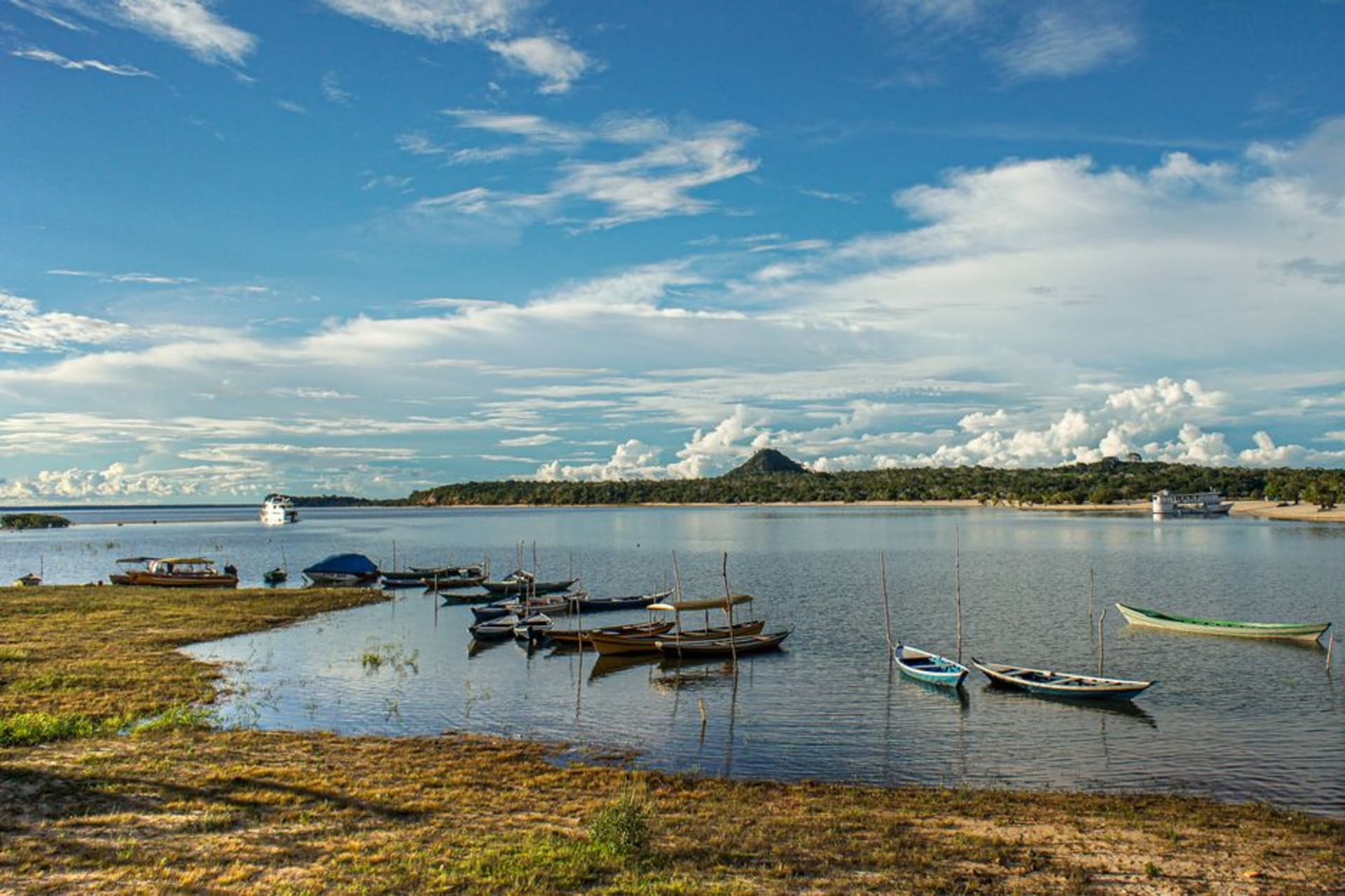
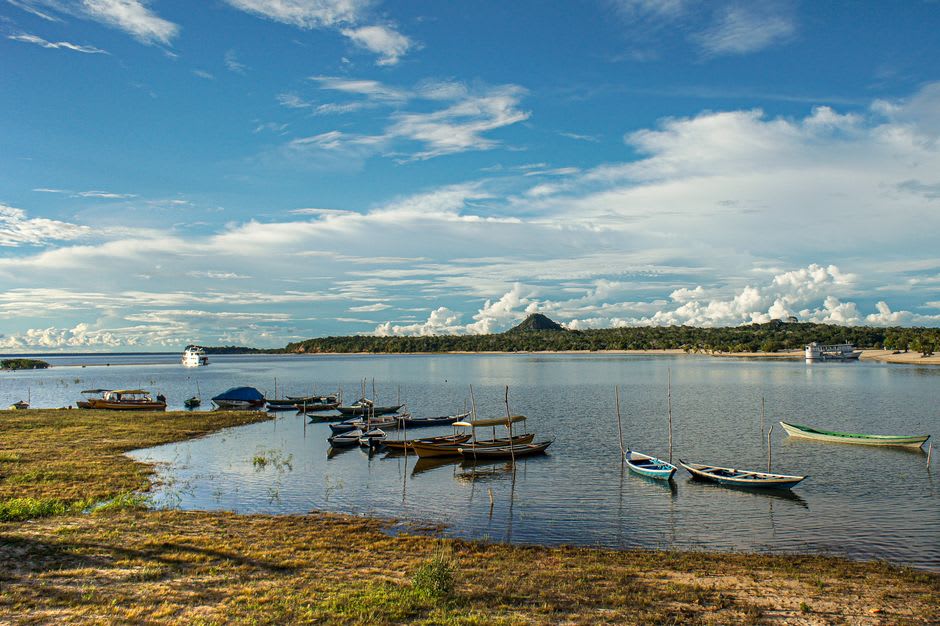
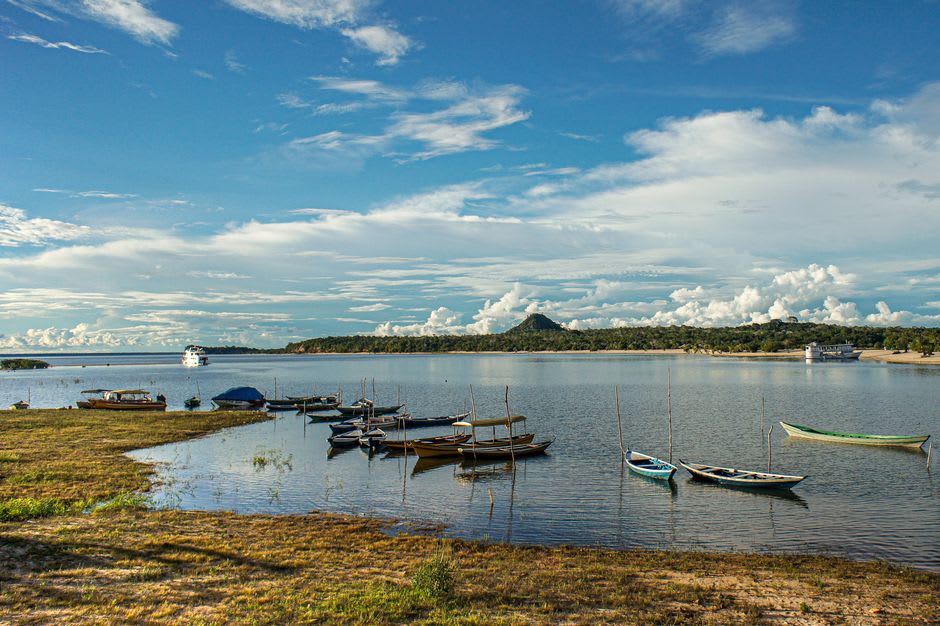
Nobody warns you about Alter do Chão, which is either an oversight or a conspiracy to keep it quiet. I arrived expecting the usual Amazon palette — brown water, tangled green, a certain murky drama — and instead found myself standing on a sandbar of blinding white sand, the Tapajós River running the color of pale jade around my ankles. Lia waded in first and just stood there laughing, turning in circles, saying “this can’t be the Amazon” on repeat until I got tired of agreeing with her.
The village itself is small and unhurried, a scatter of sand streets, açaí stands, and pousadas painted in faded pastels, backing onto a river beach that during the dry season (roughly August to November) grows into a genuine archipelago of sandbars. Locals call it the Caribbean of the Amazon, and for once the marketing undersells the reality. We took a canoe out to Ilha do Amor — the Island of Love, reachable by wading or a short paddle depending on the water level — and spent an afternoon doing nothing more ambitious than swimming and watching riverboats churn past in the distance.
What makes it more than a pretty beach is the forest right behind it. We hired a guide, a quiet man named Edmilson who had fished the Tapajós his whole life, for a day trip into the Floresta Nacional do Tapajós, a swath of protected rainforest a couple of hours upriver. He pointed out a troop of squirrel monkeys moving through the canopy with the kind of speed that makes photography pointless, and later cracked open a Brazil nut pod with a machete to show us how the nuts actually grow — nothing like the shelled version sold in tins back home. That contrast is the whole appeal of Alter do Chão: beach mornings, jungle afternoons, and a river that somehow does both without contradiction.
Evenings belong to the beach bars along the main sand road, where the town gathers for grilled fish, cold beer, and a sunset that turns the whole river copper. I have watched a lot of sunsets on this trip. This one, with the sandbars glowing and kids still splashing in the shallows at dusk, ranks near the top.
When to go: August to November for the dry season, when the river recedes and the sandbars and beaches are at their widest and most dramatic. December to June floods the beaches entirely, turning the town into a quieter, greener place better suited to forest excursions than swimming.
Keep exploring
More from Brazil
 brazil
 Anavilhanas Archipelago
The world's second-largest freshwater archipelago, hundreds of forested islands scattered across the black water of the Rio Negro.
Explore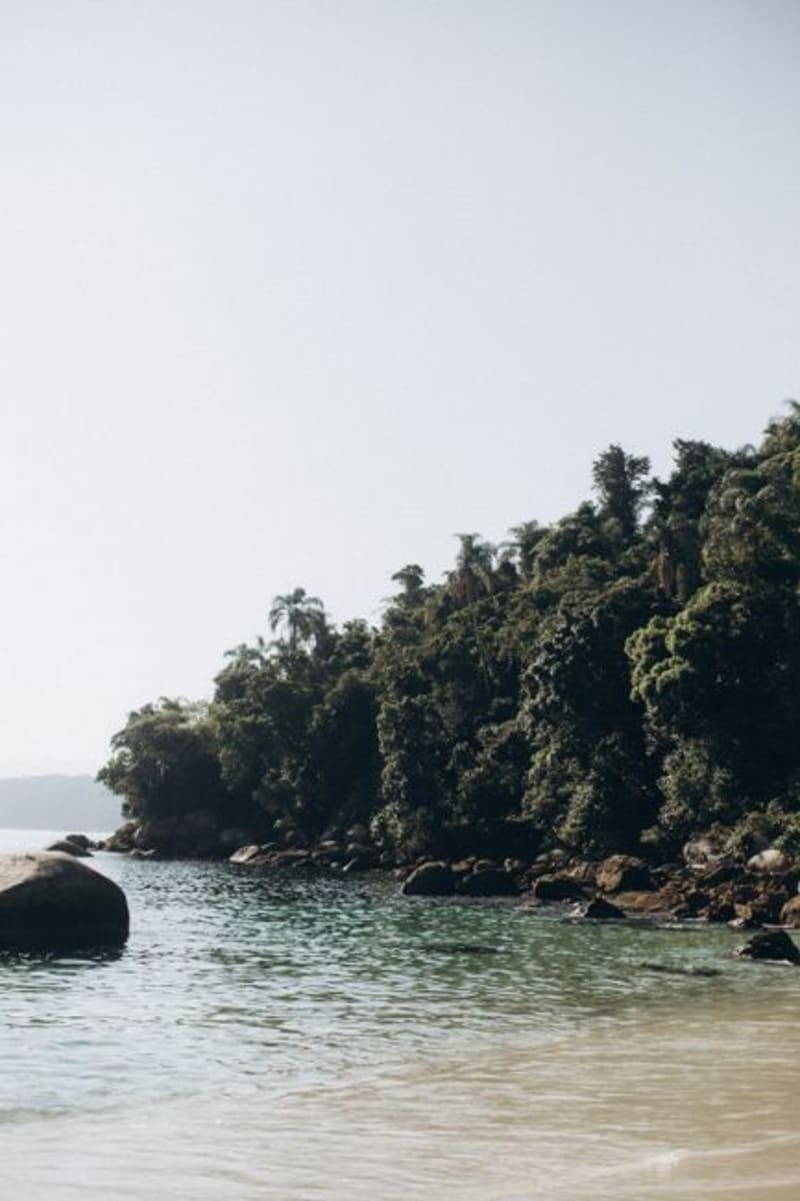 brazil
 Angra dos Reis
Gateway to the Costa Verde's 365 islands, where a day on a wooden schooner turns into the easiest excuse for doing absolutely nothing well.
Explore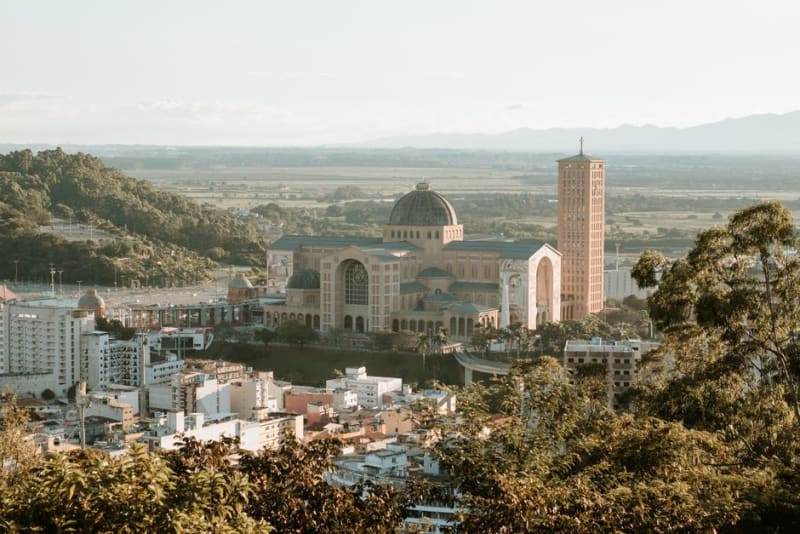 brazil
 Aparecida
Brazil's largest pilgrimage site, where a small clay statue fished out of a river three centuries ago now draws millions past a basilica the size of a small city.
Explore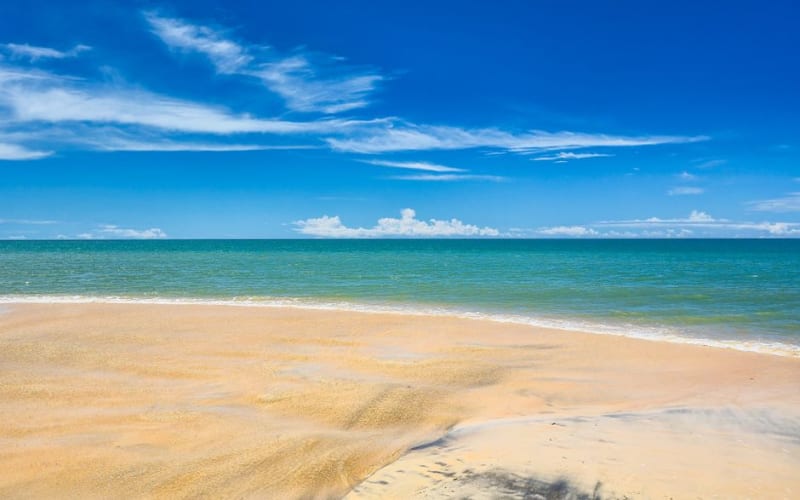 brazil
 Arraial d'Ajuda
A bohemian beach village across the river from Porto Seguro, close enough to Trancoso to share its coastline but scrappier, cheaper, and less curated.
Explore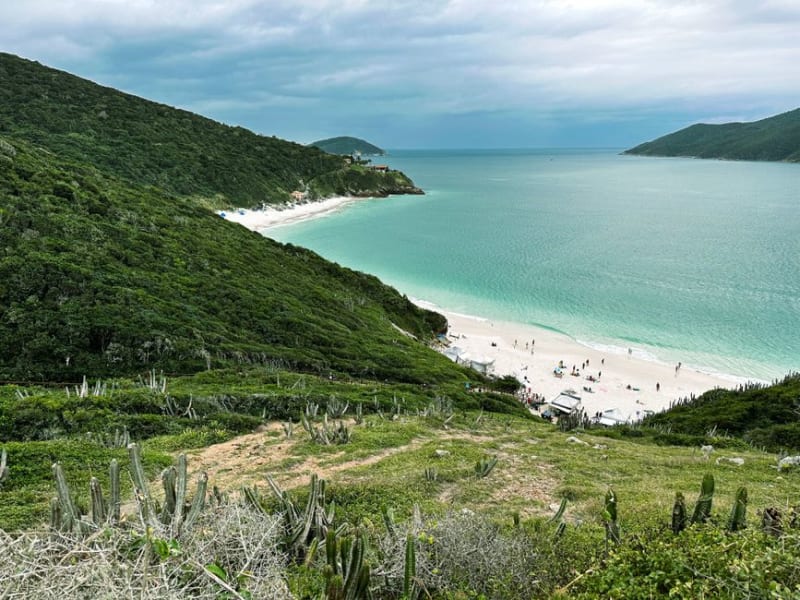 brazil
 Arraial do Cabo
The town that earned the nickname 'Brazilian Caribbean' — water clear enough to see your own feet from a boat, and some of the country's best diving a short drop below.
Explore brazil
 Bahia
Afro-Brazilian soul, dendê-oil cuisine, and a coconut-palm coastline that stretches forever. Bahia is Brazil's cultural heartbeat.
Explore