A postcard-perfect Baroque town in Minas Gerais where a steam train still huffs into the station and every restaurant seems to be run by a chef who trained in São Paulo and came home.
I said something like that out loud on our second night, over a plate of tutu à mineira that had no business being that good in a town of eight thousand people, and Lia gave me the look she gives when I’ve clearly had too much of the local cachaça and am about to overstate something. She was right to be suspicious. She was also, by the end of the meal, nodding along.
The Train That Still Runs
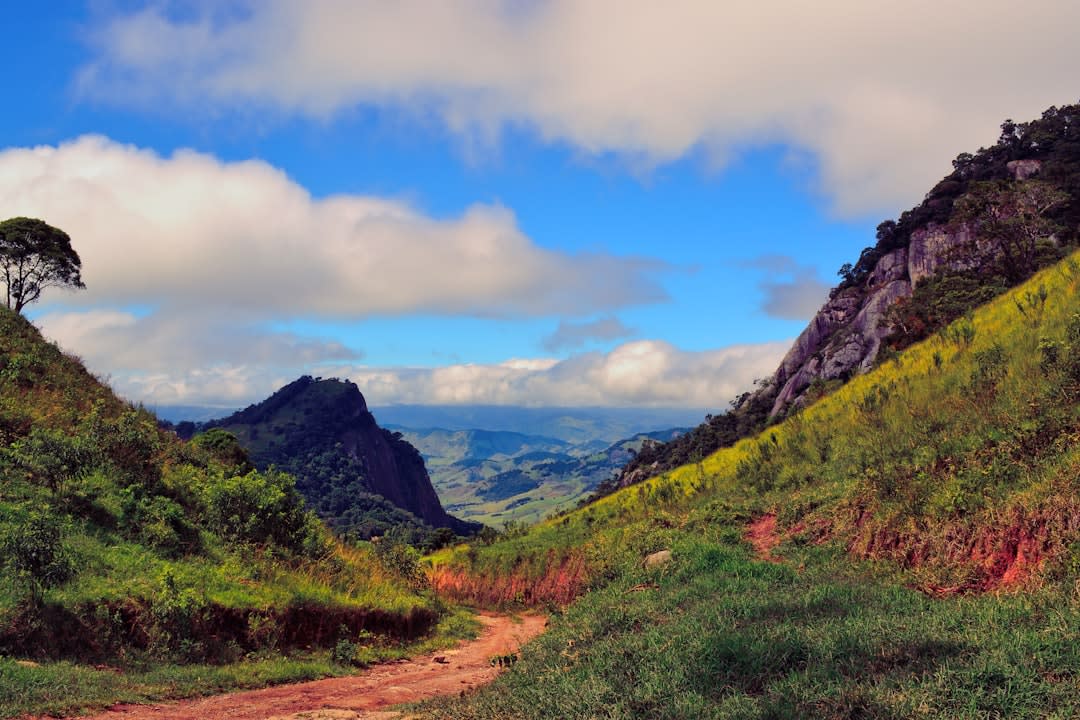
Tiradentes sits in the São José hills of central Minas Gerais, a Baroque gem that somehow avoided the twentieth century almost entirely — no high-rises, no chain stores, just steep cobbled streets, colonial facades in ochre and blue, and the Matriz de Santo Antônio glowing gold above the rooftops. The town’s other claim to fame is the Maria Fumaça, a wood-fired steam train that has been running the twelve kilometres to neighbouring São João del-Rei since 1881. We took it on a grey Sunday morning, packed into wooden benches with families and tourists, black smoke pouring past the windows, whistling through hills that looked unchanged since the line opened.
Minas Gerais Cooking, Taken Seriously
What actually surprised me about Tiradentes was the food. This is a small town that has quietly become one of the best places to eat in the state — chefs from Belo Horizonte and São Paulo have opened restaurants here over the last two decades, drawn by the setting and, I suspect, by the produce coming down from the surrounding farms. We ate at a place tucked into a converted colonial house where the tutu, the linguiça, and the couve were served family-style on a long wooden table, alongside a caipirinha made with a cachaça I’d never heard of and have thought about since. Lia, who does not usually comment on regional cooking with any enthusiasm, asked for the recipe. She never asks for recipes.
Walking Off the Meal
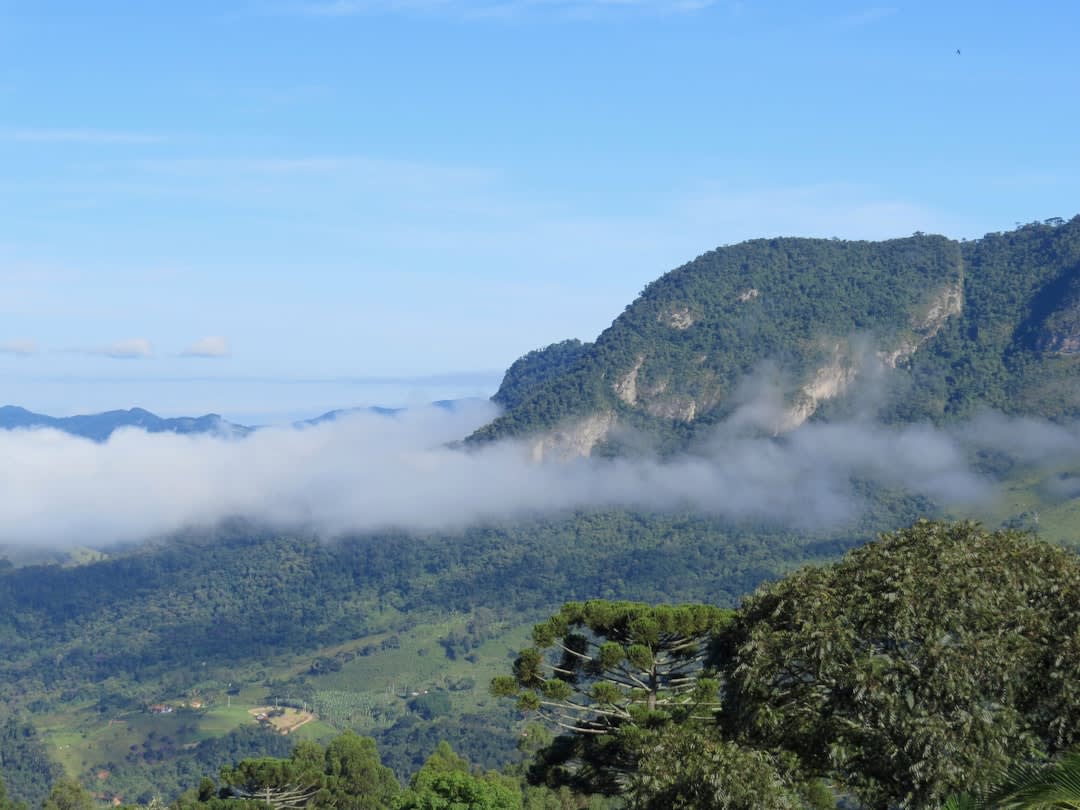
The town rewards slow walking more than any checklist of sights. The Rua Direita is lined with galleries and ateliers — Tiradentes has a real community of resident artists and craftspeople, not the souvenir-shop version — and the Igreja de São Francisco de Paula sits on a rise with views back over the tiled roofs to the Serra de São José behind. We hiked a short stretch of trail up into those hills one morning, past a waterfall locals swim in during the dry season, the town shrinking below us into a cluster of red roofs and one gold church tower catching the light.
When to go: April to June and August to October for dry, mild weather. The Mostra de Cinema film festival in January and the wine and food festivals mid-year draw crowds, so book ahead if your visit coincides.
Keep exploring
More from Brazil
 brazil
 Trancoso
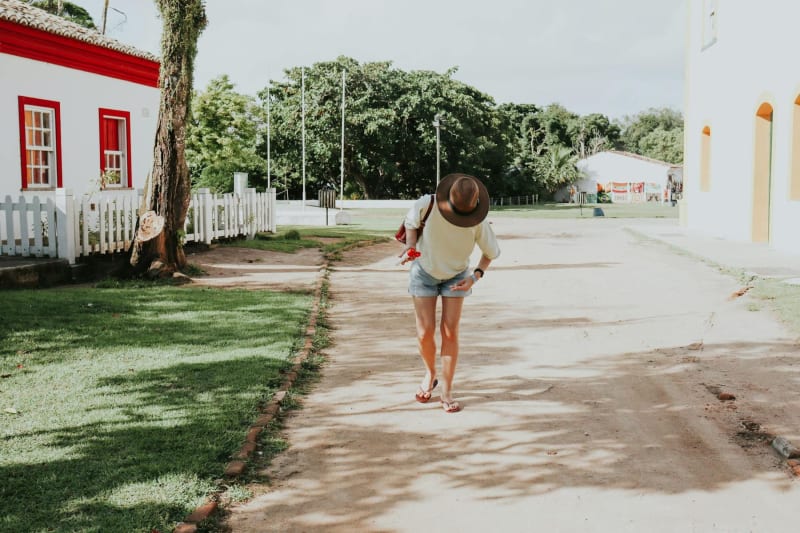
A Bahian village founded by Jesuits in 1586 around a grassy quadrado of colored beach houses above red-cliffed beaches.
Explore brazil
 Ubatuba
Officially 100 beaches, unofficially the friendliest surf town on the São Paulo coast, and the place where I finally learned to read a wave.
Explore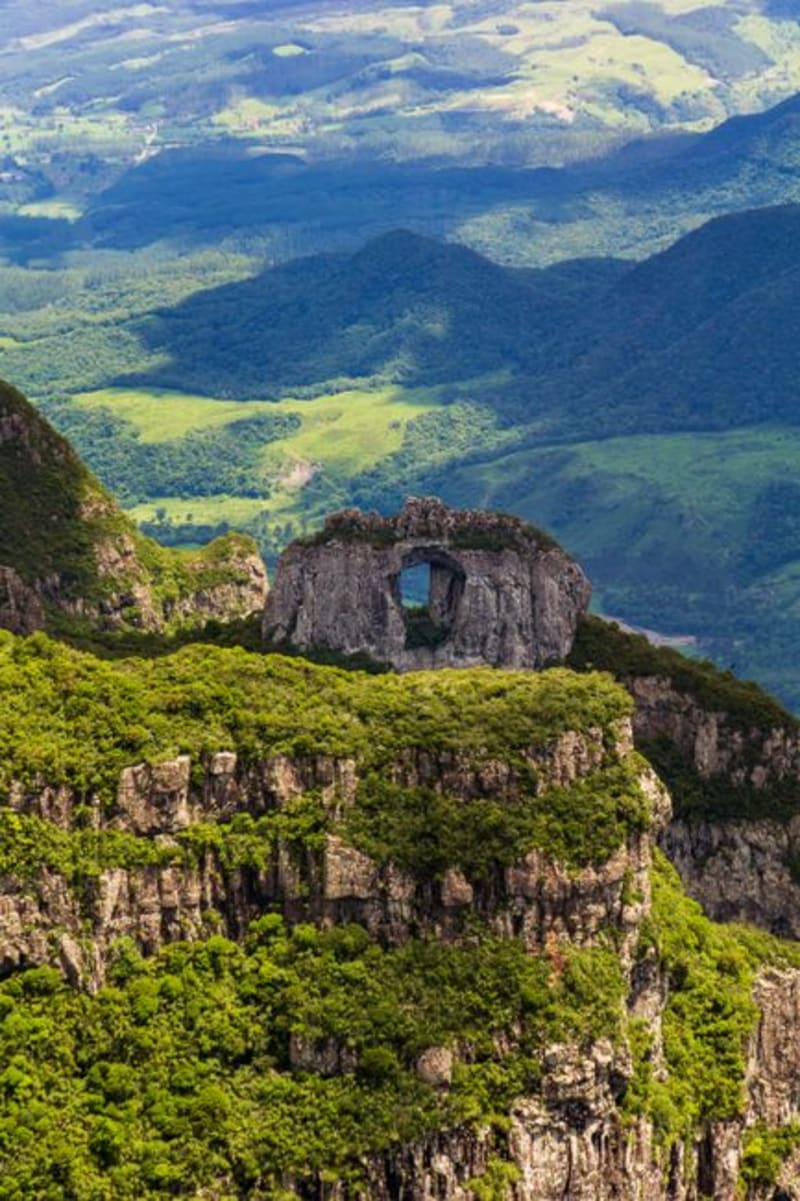 brazil
 Urubici
A mountain town in Santa Catarina's highlands that regularly records Brazil's coldest temperatures — and hides canyons that rival anywhere in the country.
Explore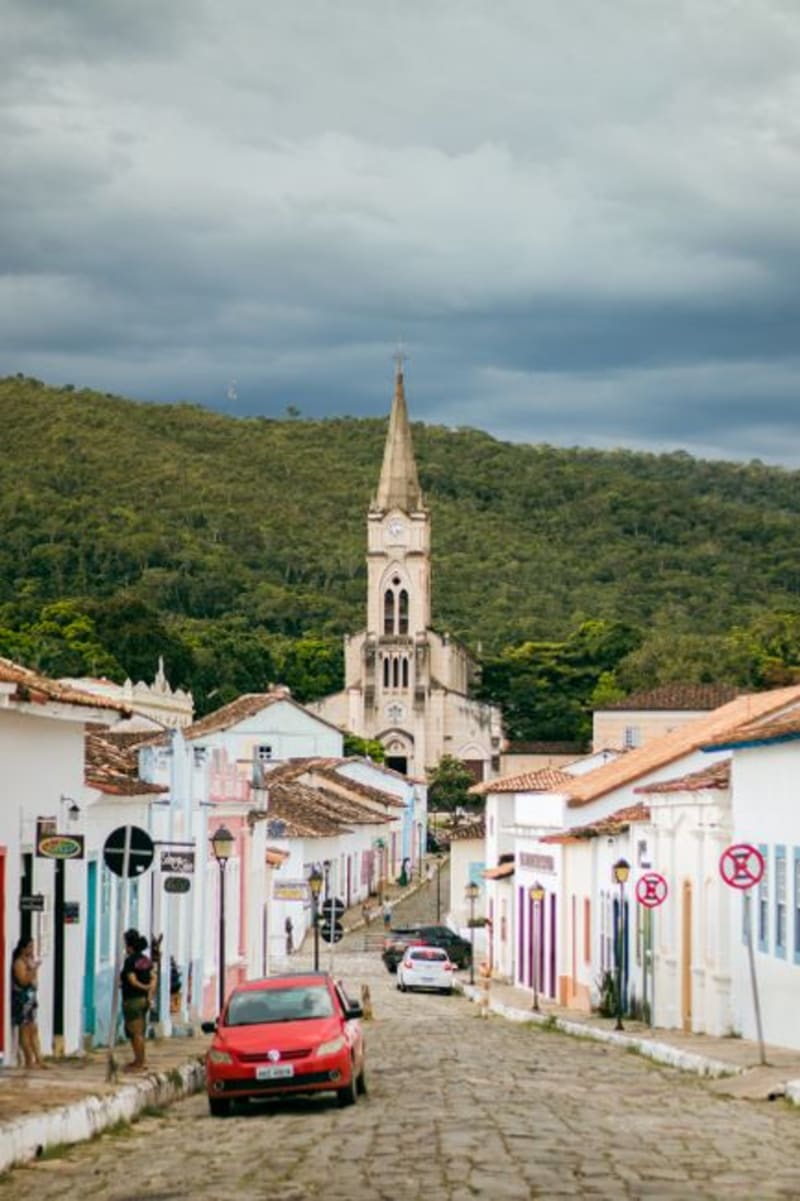 brazil
 Valença
A working river town on the Rio Una best known as the ferry gateway to Morro de São Paulo, but worth a day in its own right for its colonial waterfront and boatbuilding tradition.
Explore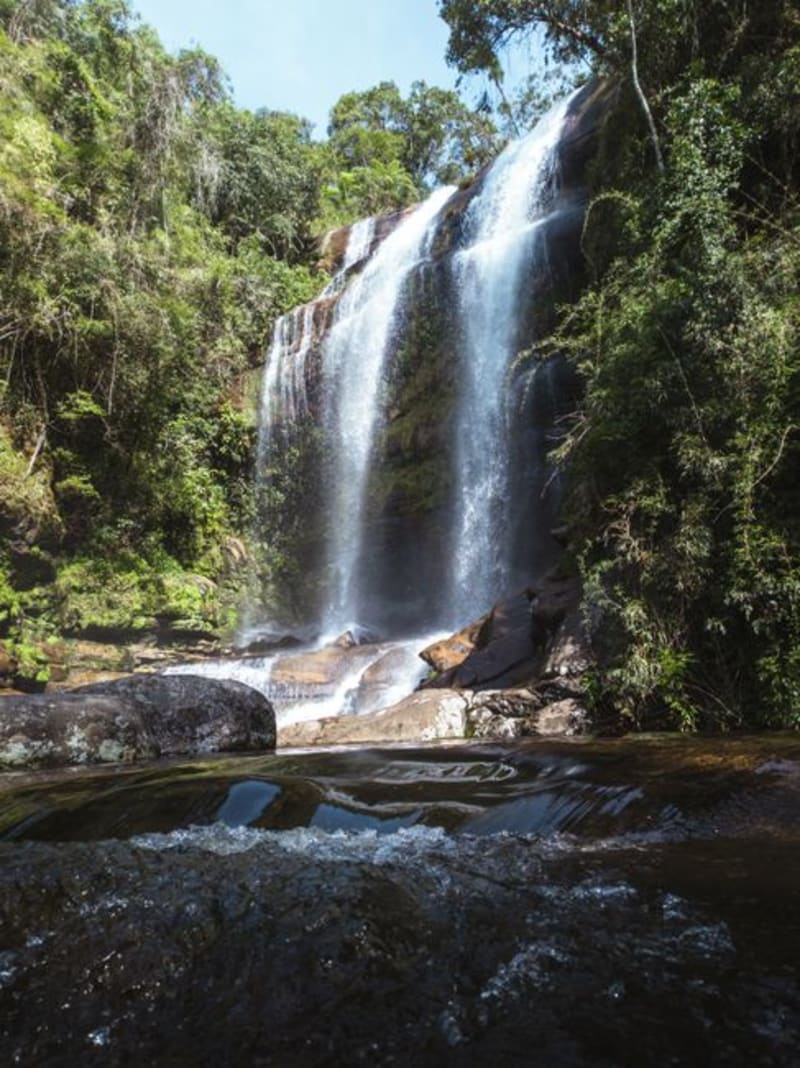 brazil
 Visconde de Maua
A cool mountain village near Rio, founded by Finnish immigrants, threaded with waterfalls, cachaca stills, and pine-shadowed rivers.
Explore brazil
 Alter do Chão
White sand beaches on a warm Amazon river, freshwater so clear it defies everything you think you know about the jungle.
Explore