
A colonial cheese-making town on the Estrada Real, where a centuries-old artisanal tradition is protected almost like a regional wine appellation.
Lia will tell this story better than I will, because she is the one who actually predicted it: somewhere around our third cheese tasting in a single morning in Serro, she turned to me and said, completely deadpan, “you’re about to say something ridiculous about this cheese,” and I was, in fact, about to say something ridiculous about the cheese.
The Estrada Real’s Quietest Stop
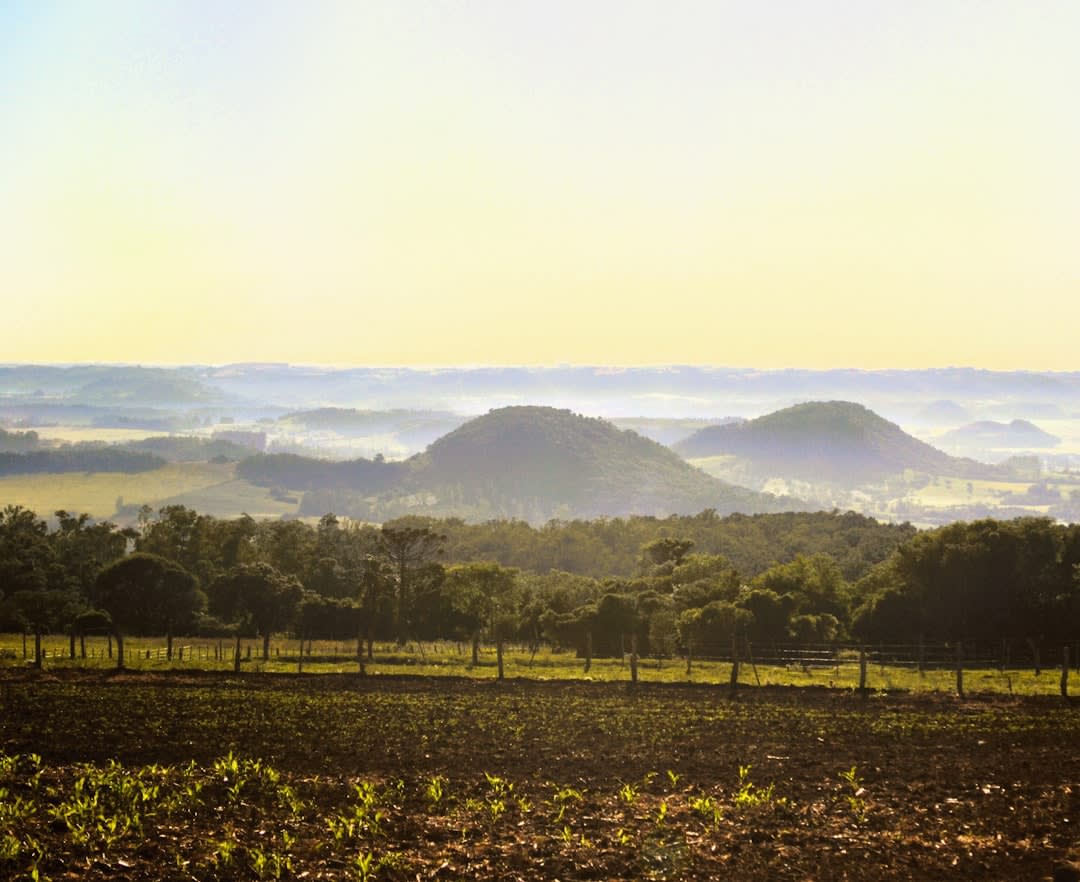
Serro sits along the Estrada Real, the old royal road built to move gold and diamonds from the Minas Gerais interior down to the coast, and it has kept a version of colonial life more intact than almost anywhere else on the route — partly because it’s genuinely remote, three hours north of Diamantina on roads that discourage casual day-tripping. The town itself is a modest, handsome scattering of colonial churches and single-storey houses along steep streets, with none of the polish or tourist infrastructure of Ouro Preto or Tiradentes. That is precisely its appeal.
Queijo do Serro
The reason to make the detour is cheese — specifically queijo do Serro, a raw-milk cheese made using a starter culture called pingo passed down through generations of Minas Gerais farming families, a tradition so specific to this region that it received Brazil’s first geographical-indication protection for a cheese, not unlike Comté or Parmigiano-Reggiano in Europe. We visited a small family fazenda outside town where the cheese is still made by hand in a stone building that has apparently changed little in decades, watched the curds separated and pressed, and then ate a slice still warm from the morning’s batch with a piece of bread and a glass of the farm’s own cachaça. It was, without exaggeration, one of the best things I have eaten in Brazil.

Diamond Feast, Once a Year
Serro also hosts the Festa do Rosário and the Semana Santa processions with the same solemn theatre found throughout Minas Gerais’s colonial towns, but the event to actually plan around, if you can, is the Festival do Queijo Artesanal, a celebration of the very cheese that defines the region — producers from across the highlands bring their wheels into town for a weekend of tasting, trading, and, inevitably, a fair amount of cachaça.
An Overnight, Not a Detour
Because it sits so far off the main colonial circuit, Serro rewards an overnight stay rather than a rushed day trip — the town at dusk, once the day’s few visitors have left, settles into a stillness that feels closer to how all of Minas Gerais’s gold towns must have felt before the tour buses discovered them.
When to go: April to September for dry roads and mild weather — the drive in is unpaved in stretches and considerably harder after rain. Check the calendar for the cheese festival dates before booking.