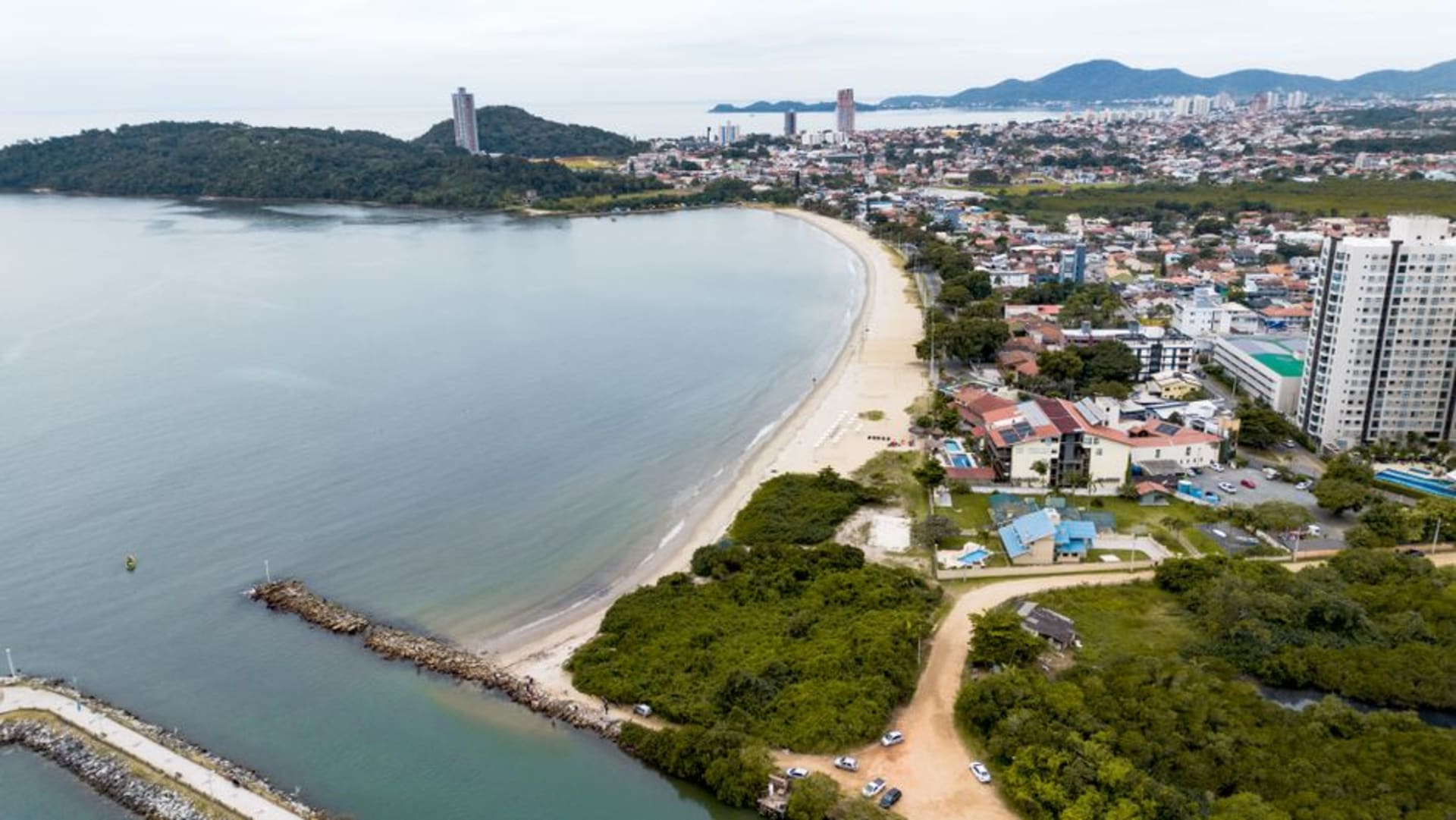
São Francisco do Sul
"Everyone in Santa Catarina told me to skip São Francisco do Sul for the beach towns nearby. It was the best piece of bad advice I ignored all trip."
Brazil's oldest town, a colonial port on an island where fishing boats still outnumber tourists — for now.
São Francisco do Sul claims to be the third-oldest city in Brazil and the oldest still occupying its original site — founded in 1504, before Salvador, before Rio properly existed as a settlement — and yet it barely registers on most itineraries through Santa Catarina, eclipsed by the resort glamour of Balneário Camboriú an hour south. That obscurity is exactly its appeal. I arrived expecting a minor detour and stayed two nights longer than planned.
The historic centre sits on an island connected to the mainland by a short bridge, and its waterfront street, Rua Coronel Carneiro Rocha, is lined with colonial houses in faded pastel — ochre, blue, dusty pink — their taipa (wattle-and-daub) construction techniques dating back centuries and still visible where the plaster has worn thin. Fishing boats moor directly in front of the houses, and at dawn the whole street smells of the day’s catch being unloaded onto the pavement, a scene that has apparently repeated itself, largely unchanged, for five hundred years.
The Igreja Matriz Nossa Senhora da Graça, the town’s colonial church, and the small Museu Nacional do Mar — dedicated to Brazil’s maritime and shipbuilding history, with a collection of restored wooden vessels — give the historic quarter some structure beyond simply wandering, though wandering is really the point. I spent a whole morning doing nothing but sitting at a waterfront bar drinking coconut water and watching fishermen mend nets, which is not an activity I’d normally recommend recounting except that it was, honestly, one of the most restorative mornings of the whole southern Brazil trip.
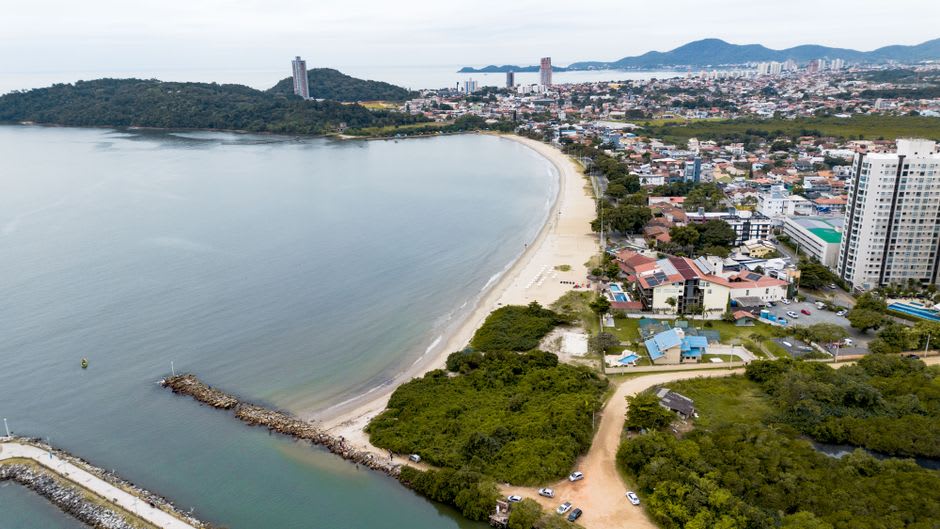
Just outside town, Praia da Enseada and the more remote Praia Grande give the island a beach-town dimension too, wide and mostly empty outside peak summer weekends, backed by dunes rather than high-rises — a useful contrast if you’ve just come from Balneário Camboriú’s towers and want to remember what this coastline looked like before development arrived.
When to go: April to June and September to November for calm weather and near-empty streets. December to February brings warm beach weather but noticeably more weekend visitors from nearby resort towns.