Praia do Francês
"Twenty minutes from Maceió, Praia do Francês already feels like a different, less hurried country."
A laid-back Alagoas beach town near Maceió where reef pools form at low tide and the surf breaks draw a looser, younger crowd than its capital neighbor.
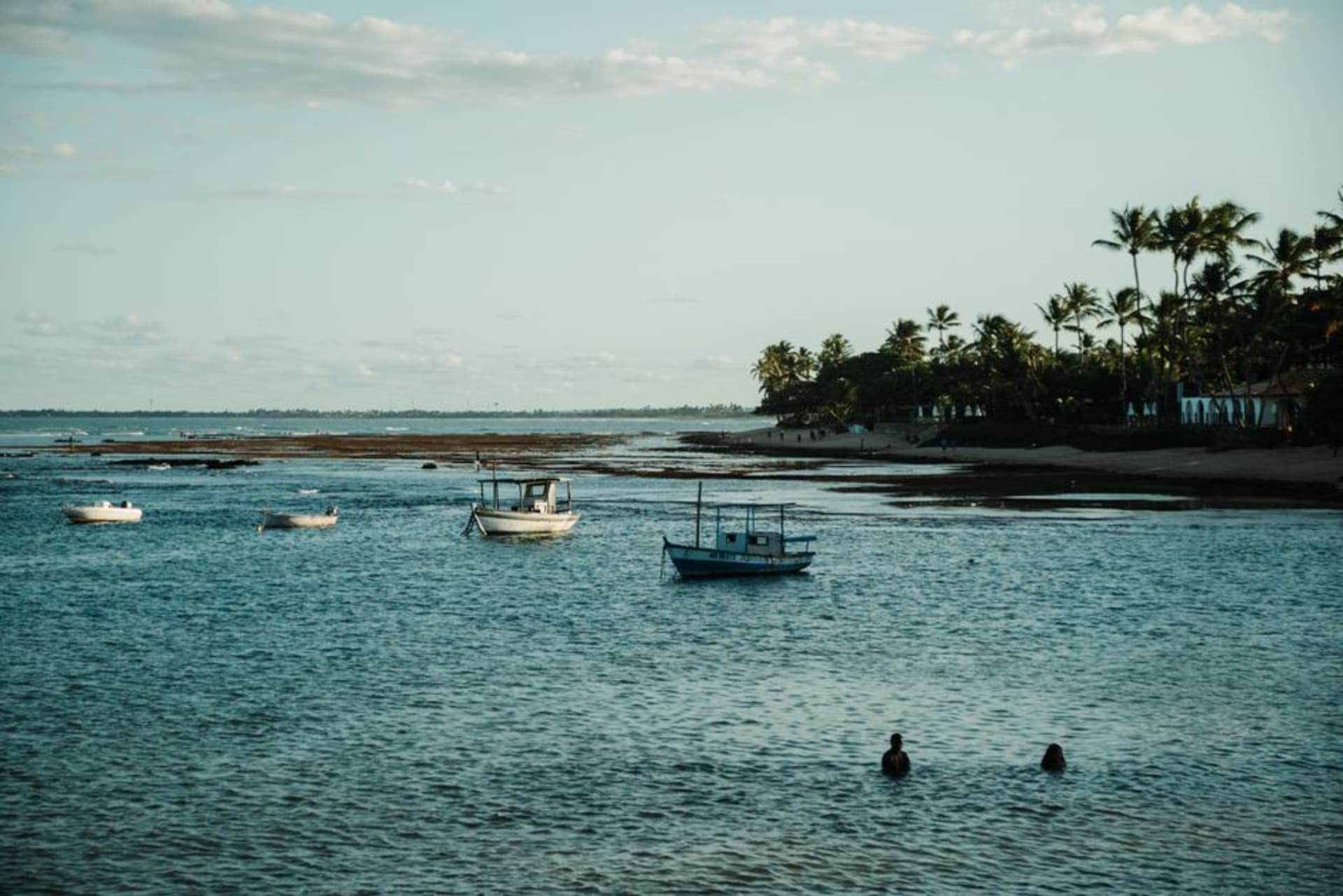
Praia do Francês sits about twenty minutes south of Maceió, close enough for an easy day trip and far enough to feel like it belongs to a different, slower register of Alagoas entirely. Where Maceió’s city beaches run wide, urban, and a little overexposed, Praia do Francês curves along a bay backed by dense coconut groves, with a reef a few hundred meters out that breaks the swell into two distinct zones — a calm, protected shallows near shore, and a livelier stretch beyond the reef where the surf actually works.
That split personality is what makes the beach worth a full day rather than a quick look. At low tide, the inner reef exposes shallow natural pools not unlike the more famous ones further north at Maragogi, on a smaller and less commercialized scale — no catamaran fleet required, just a walk out over sand and rock at the right hour to find calm, clear pockets of warm water full of small fish. I did this alone one morning before the beach filled up, and had a stretch of reef pool essentially to myself for the better part of an hour.
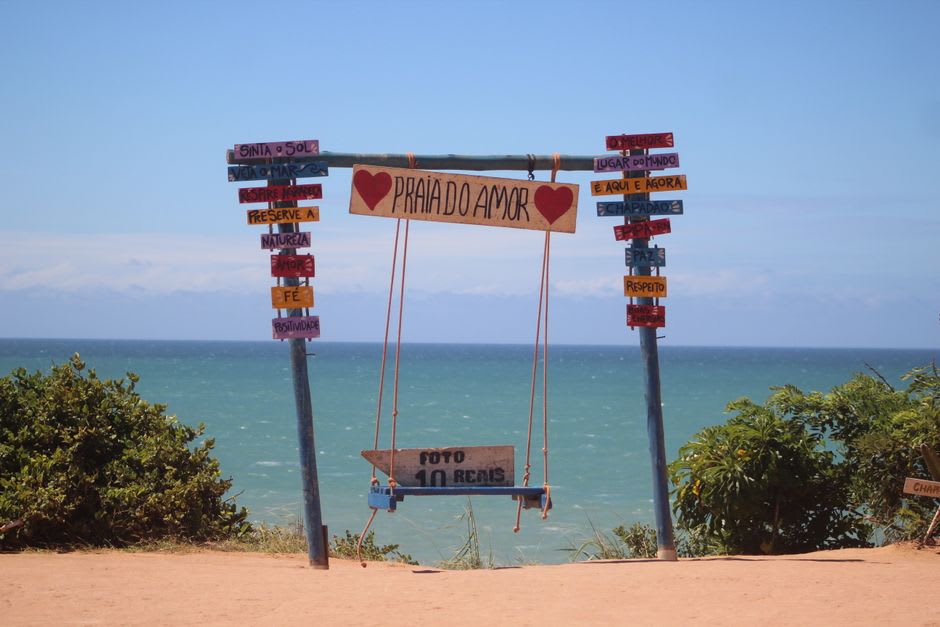
Beyond the reef, the surf draws a genuine local scene — this is one of Alagoas’ established surf beaches, with a handful of board rental shacks and instructors working the same stretch of sand every day, and a younger, looser energy than the family-oriented beaches around Maceió. I watched a group of teenagers doing better tricks on beat-up longboards than I’ve managed in years of occasional surfing, entirely unbothered by an audience.
The village behind the beach has grown into a proper small tourism hub over the last two decades — pousadas, beach bars, restaurants serving fresh seafood and the region’s version of sururu, a mussel stew that Alagoas claims as a specialty — but it has kept a scale that never tips into resort territory. Live music drifts out of a few of the beachfront bars most evenings, low-key enough that you can hear the surf underneath it.
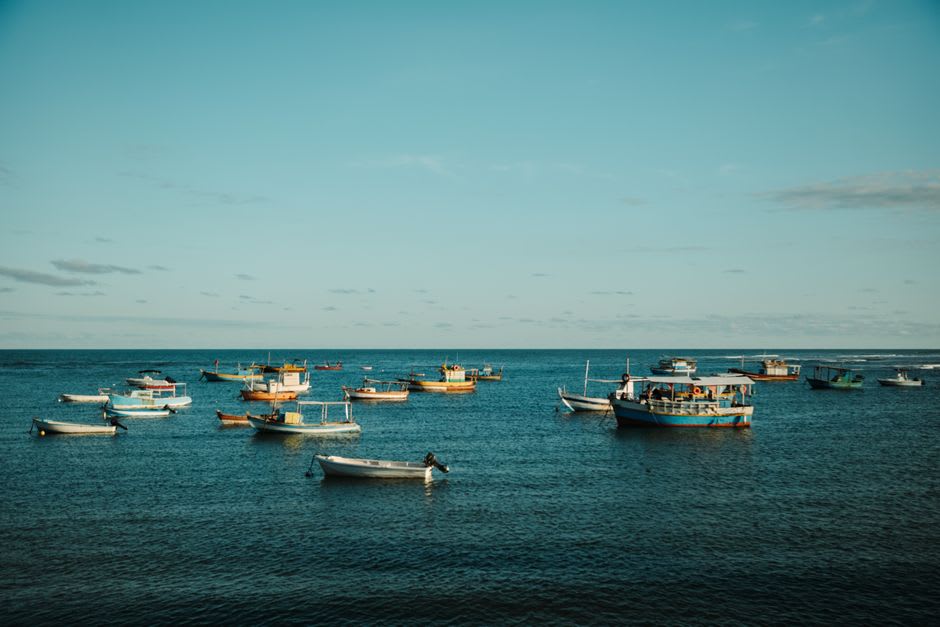
Lia and I ended up staying two nights longer than planned, mostly because the rhythm of the place — reef pools in the morning, surf watching in the afternoon, sururu and cold beer as the sun went down — turned out to be exactly the kind of nothing-happening we didn’t know we needed after a fast few weeks further up the coast.
When to go: September through February for the driest weather and best swimming conditions in the reef pools. Surfers should aim for the shoulder months when swell is more consistent without the peak-season crowds. Check tides if the reef pools are the goal — low tide is when they’re at their clearest and calmest.