
Porto Alegre
"Every Gaucho I've ever met insists their sunset is the best in the world. Standing on the Guaíba at dusk, I stopped arguing."
Rio Grande do Sul's riverside capital — gaucho pride, sunset over the Guaíba, and the best churrasco culture in Brazil, unapologetically.
Porto Alegre doesn’t sell itself the way Rio or Salvador do — it’s a working capital, a river port, a city that gaúchos (as Rio Grande do Sul natives call themselves) talk about with a fierce, slightly defensive pride rather than tourist-brochure enthusiasm. I liked it immediately for that reason. Nobody here is performing Brazil for visitors. This is simply how they live.
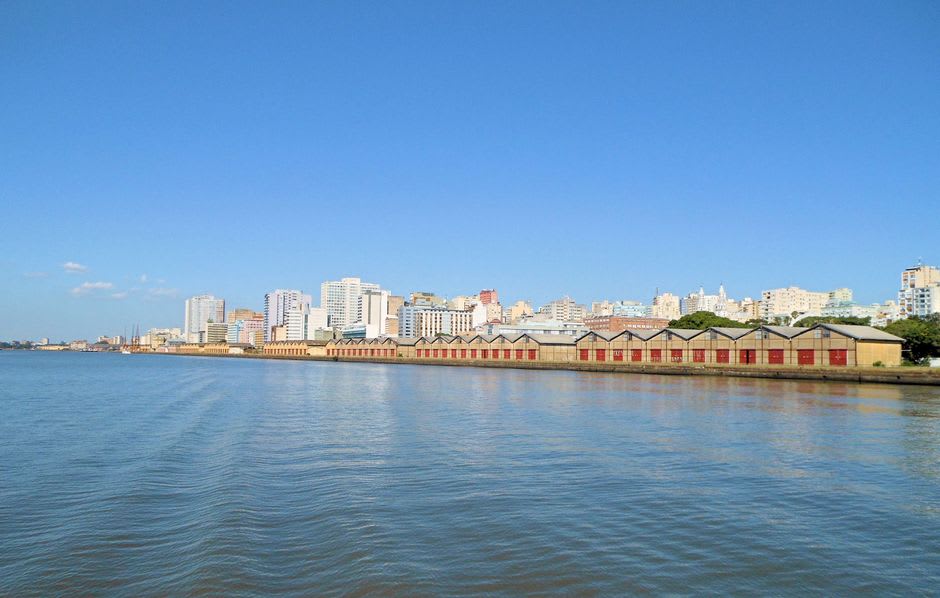
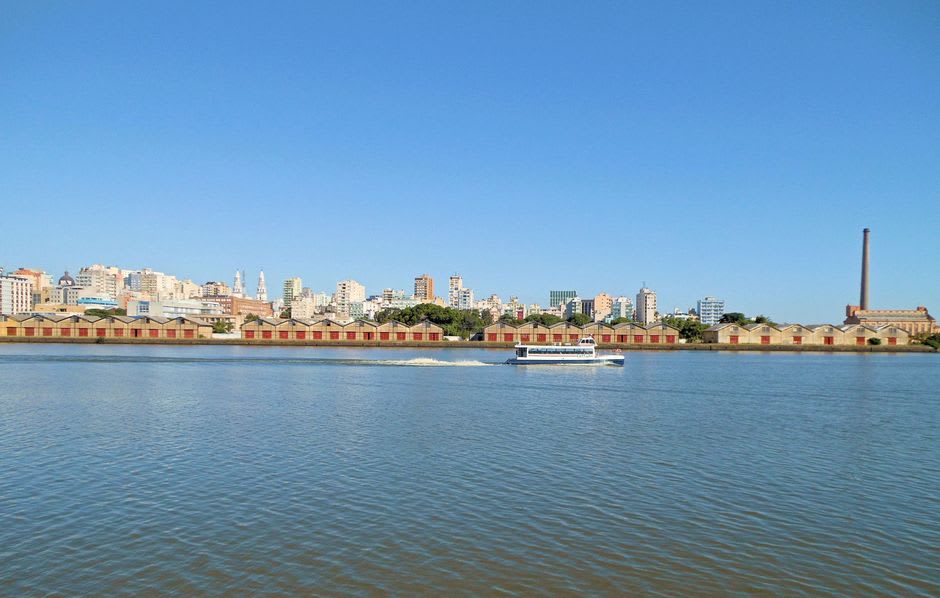
The Guaíba isn’t technically a river — it’s closer to a lagoon, wide enough that the far shore disappears into haze — and the entire city orients itself around it at dusk. Usina do Gasômetro, a converted power plant turned cultural centre, has the best vantage point: locals bring folding chairs, thermoses of chimarrão (the bitter mate tea gaúchos drink obsessively, sipped through a metal straw and passed around a circle of friends), and simply watch the sun go down over the water in near silence. I was handed a gourd of chimarrão by a stranger within ten minutes of sitting down, no explanation needed — you just drink, nod, and pass it on.
Rio Grande do Sul invented churrasco as most of the world now imagines it, and Porto Alegre takes that inheritance seriously. I ate at a traditional churrascaria where the picanha arrived barely rested off the fire, salt-crusted and sliced tableside, and understood why gaúchos consider São Paulo’s version of the same meal a pale imitation. The Mercado Público, a nineteenth-century market hall downtown, is the better place to graze — oyster stalls, cheese vendors, and a central bar where you can drink a chopp (draft beer) standing shoulder to shoulder with office workers on lunch break.
The Cidade Baixa neighbourhood is where the city loosens up at night — a dense grid of bars and botecos that stays loud well past 2am, popular with the university crowd from the nearby UFRGS campus. I ended up at a bar there arguing about football with a group of strangers for three hours, which is, I’m told, a very standard Porto Alegre evening.
When to go: March to May and September to November for mild temperatures. Summer (December–February) gets genuinely hot and humid; winter (June–August) can turn surprisingly cold for Brazil.