Penedo
"Penedo is not on the coast, and that is exactly why almost no one goes — a mistake I nearly made myself."
A colonial river town on the Sao Francisco, its baroque churches and cracked facades rising above one of Brazil's great waterways in Alagoas.
Note first, because it matters for anyone searching a map: this is Penedo in Alagoas, on the banks of the São Francisco river, not the Finnish-founded mountain village of the same name outside Rio de Janeiro. The two share nothing but a name, and I mention it because I confused them myself before checking, and arrived expecting pine trees instead of a colonial port town sweating gently in the northeastern heat.
A Port Town Facing the River, Not the Sea
Penedo sits on a bend of the São Francisco, Brazil’s second-longest river, close enough to the Atlantic to feel its influence but oriented entirely inward, toward the water traffic that built its wealth. Founded in the sixteenth century, it grew rich on sugar and later cotton, and the profits are still visible in a skyline of baroque churches that looks disproportionate for a town this size — nine of them, tiled and steepled, competing for attention above streets of cracked colonial facades in faded ochre and blue.
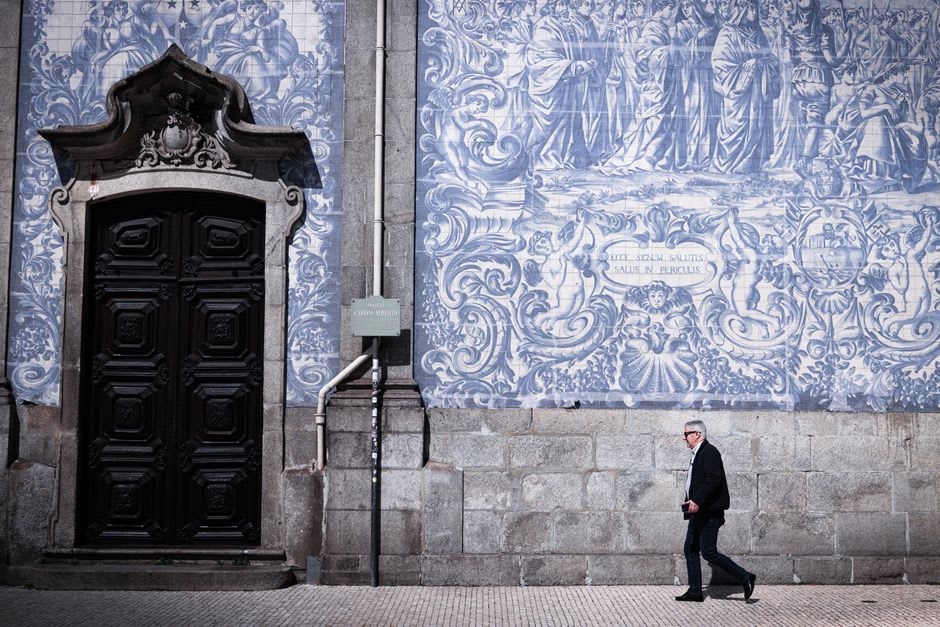
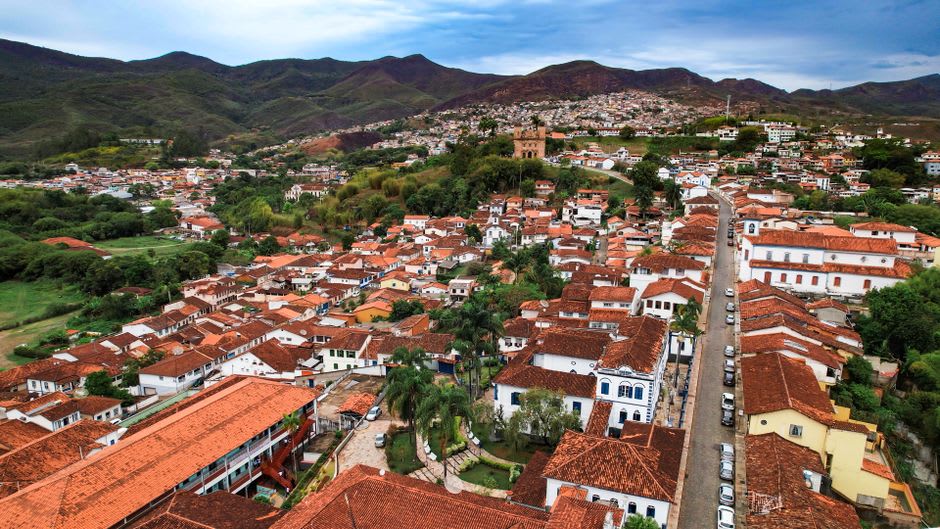
We climbed to Nossa Senhora da Corrente, the town’s grandest church, where a caretaker let us up into the bell tower for a small tip and a view over red rooftops down to the river, wide and brown and moving with unhurried purpose toward the sea forty kilometers away.
Life on the River
The waterfront itself is where Penedo’s actual daily life happens — fishermen mending nets on the steps below the old customs house, wooden ferries crossing to the Sergipe side loaded with motorbikes and sacks of produce, women selling fried acarajé from carts along the promenade in the evening. We took one of the small boats across the river just to say we had crossed a state line by water, and drank a beer on the Sergipe bank watching Penedo’s church towers catch the last light.
The Slave Market Museum
Penedo’s Casa de Penedo museum, housed in a former slave market building, is a difficult and necessary stop — a direct, unflinching account of the region’s role in the slave trade that arrived via this same river port. It is a smaller, quieter counterpart to the larger museums of Salvador, and precisely because of that intimacy, it left a heavier impression than I expected walking in.
When to go: June to September for cooler, drier weather. Avoid the peak of the northeastern summer (December to February) if the heat bothers you, as the town has little shade relief along the riverfront.
Keep exploring
More from Brazil
 brazil
 Petrópolis
The mountain city an emperor built to escape Rio's summer heat, complete with palace, cathedral, and a climate that still feels like relief.
Explore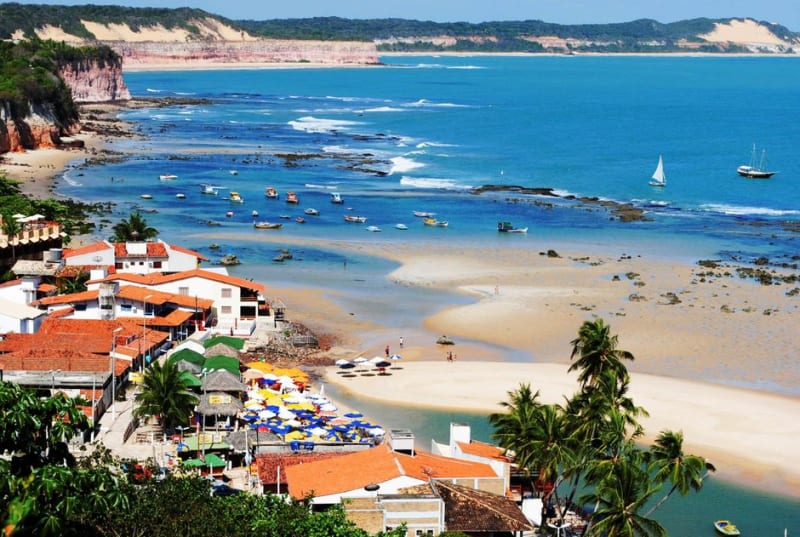 brazil
 Pipa
A bohemian cliff-top surf town in Rio Grande do Norte where dolphins fill the bay every morning and the nightlife never quite drowns out the beach.
Explore brazil
 Pirenópolis
A cobblestoned 18th-century mining town in the hills of Goiás, ringed by waterfalls and increasingly discovered by São Paulo weekenders.
Explore brazil
 Porto Alegre
Rio Grande do Sul's riverside capital — gaucho pride, sunset over the Guaíba, and the best churrasco culture in Brazil, unapologetically.
Explore brazil
 Porto Seguro
Brazil's 'discovery coast,' where the country's 1500 landing site coexists with a loud, unapologetic beach-party town built on lambada blocks and all-inclusive resorts.
Explore brazil
 Praia do Forte
A former fishing village turned eco-conscious resort town on the Coconut Coast, built around Projeto Tamar's sea turtle conservation work and some of Bahia's most walkable, low-rise beach charm.
Explore