Palmas
"Palmas is what happens when a country decides to build a capital from scratch and mostly succeeds."
Brazil's newest state capital — a planned city on the Tocantins river, mostly known as the gateway to Jalapão.
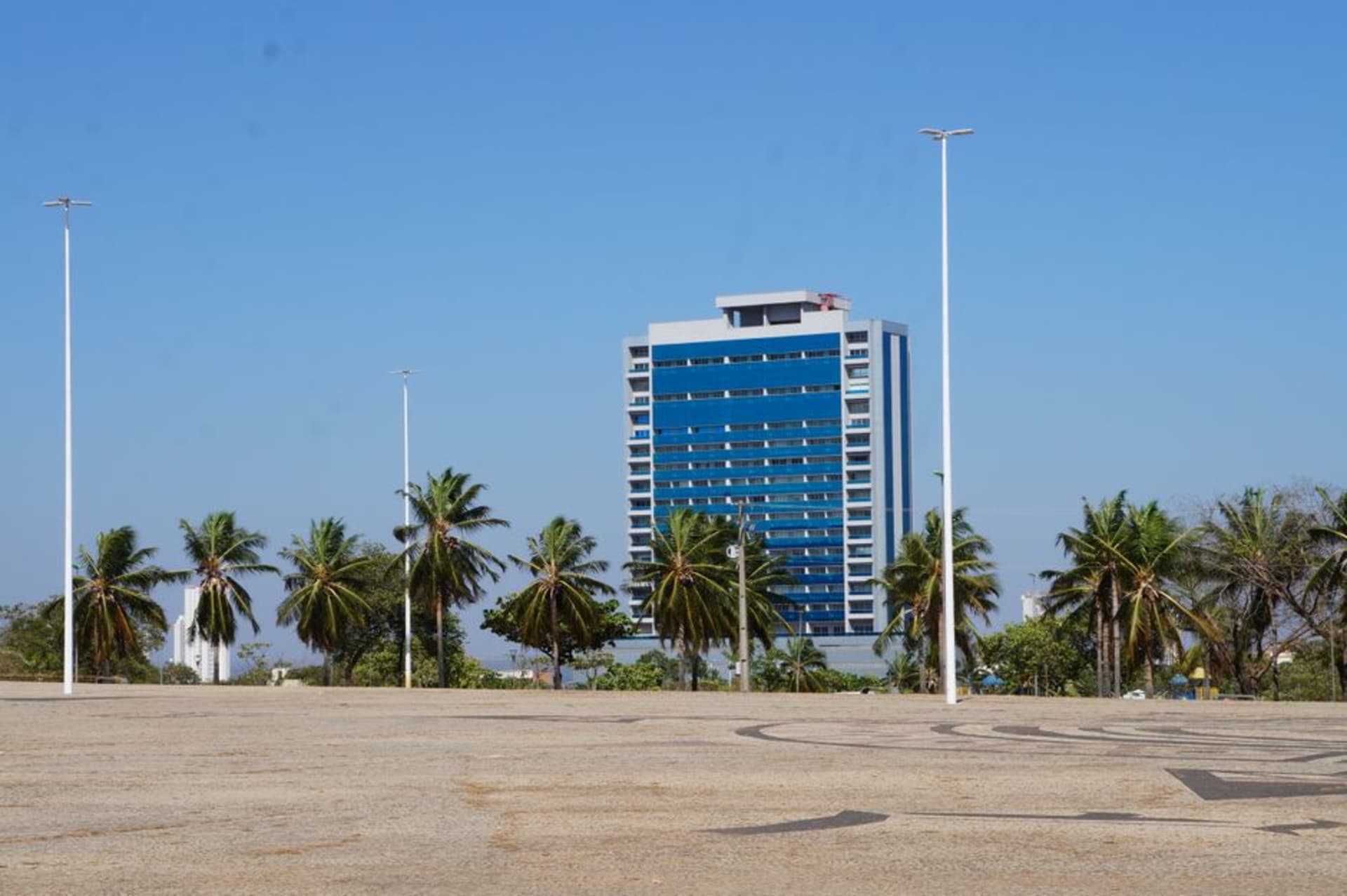
Palmas is young in a way almost no other Brazilian capital is — founded in 1989, purpose-built to give the newly created state of Tocantins a seat of government, and laid out on a wide, orderly grid along the banks of the Tocantins river. It reads, on arrival, almost like a smaller, tropical cousin of Brasília: broad avenues, generous green space, a total absence of the layered colonial history you find in almost every other Brazilian city. I landed there purely as a jumping-off point for Jalapão, expecting nothing more than an airport and a hotel bed, and ended up spending an unplanned extra day once a regional flight got rescheduled.
A City Still Filling In
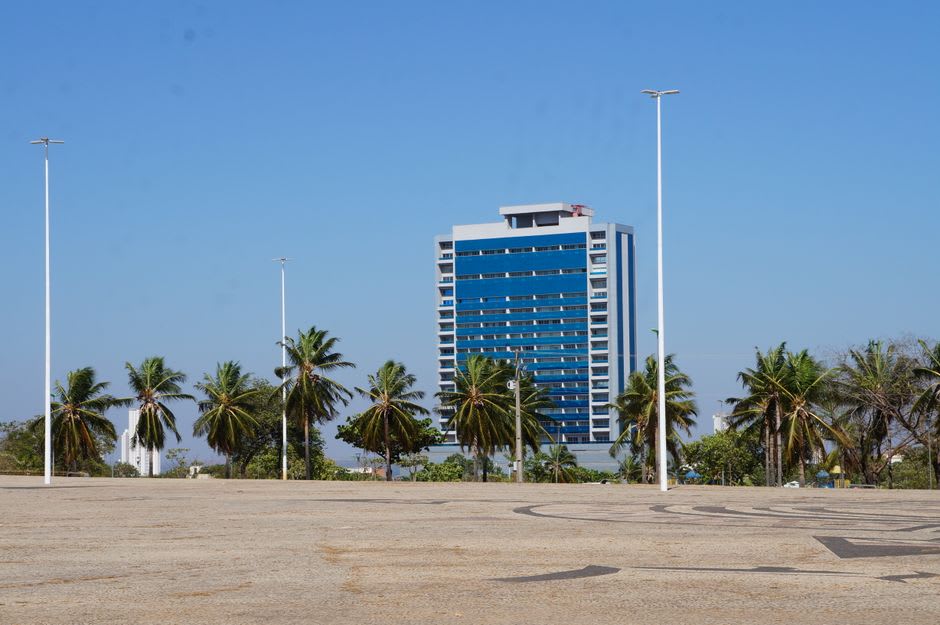
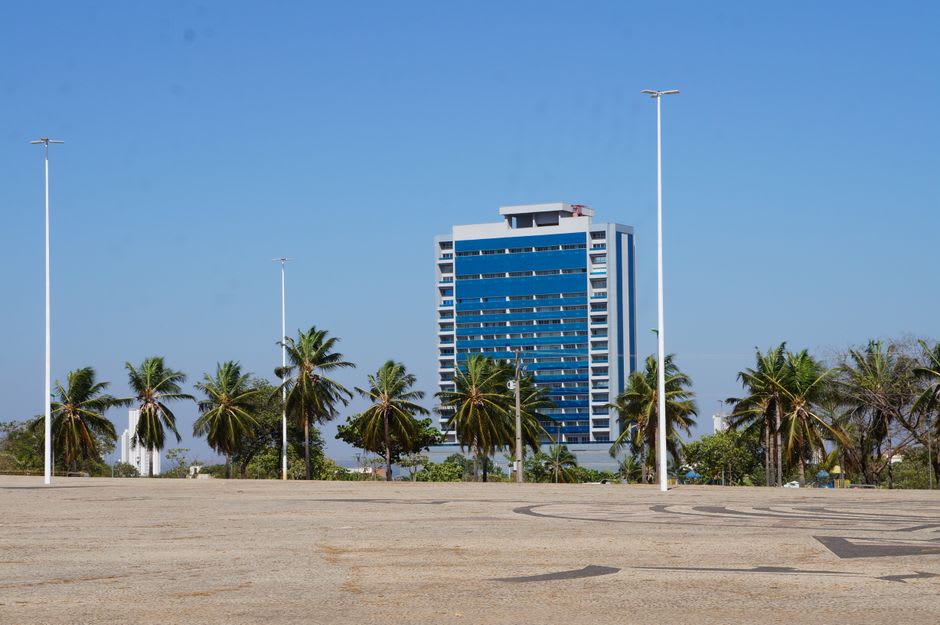
What struck me most was how much space Palmas has — wide medians, generous parks, a downtown that feels like it’s still waiting for a few more decades of buildings to fill in the master plan. The Praia da Graciosa, a stretch of sandy riverbank along the Tocantins, functions as the city’s unofficial beach, and on the evening I wandered down there it was full of families, food carts, and teenagers playing footvolley as the sun dropped behind the river — a strange, pleasant contrast to how empty the daytime streets had felt.
The Tocantins River Itself
The river is the actual reason the city exists where it does, and taking a sunset boat trip out onto it — several small operators run informal tours from the marina near downtown — gave me a better sense of the region’s scale than anything in the city center. Tocantins is one of Brazil’s least-visited states by foreign tourists, and looking back at the skyline from the water, lit orange, it was easy to feel like I was seeing a genuinely under-the-radar corner of the country rather than a stop on a well-worn circuit.
The Practical Gateway
For nearly every visitor, Palmas exists as the logistics hub before or after Jalapão — the last stretch of paved roads, functioning ATMs, and hotel beds before several days of dirt tracks and remote pousadas. Most Jalapão operators are based here or run pickups from the airport, and it’s worth building in at least one buffer night on either end of the trip in case the notoriously unpredictable regional flight schedules shift on you, as ours did.
When to go: May through September for the dry season, both for comfortable temperatures in the city and to align with Jalapão access if you’re using Palmas as a springboard. It’s hot and humid nearly year-round regardless.