Mamirauá Reserve
"A pink dolphin surfaced an arm's length from our canoe and Lia stopped breathing for a full ten seconds."
A flooded forest sanctuary where pink river dolphins surface beside your canoe and conservation actually seems to be working.
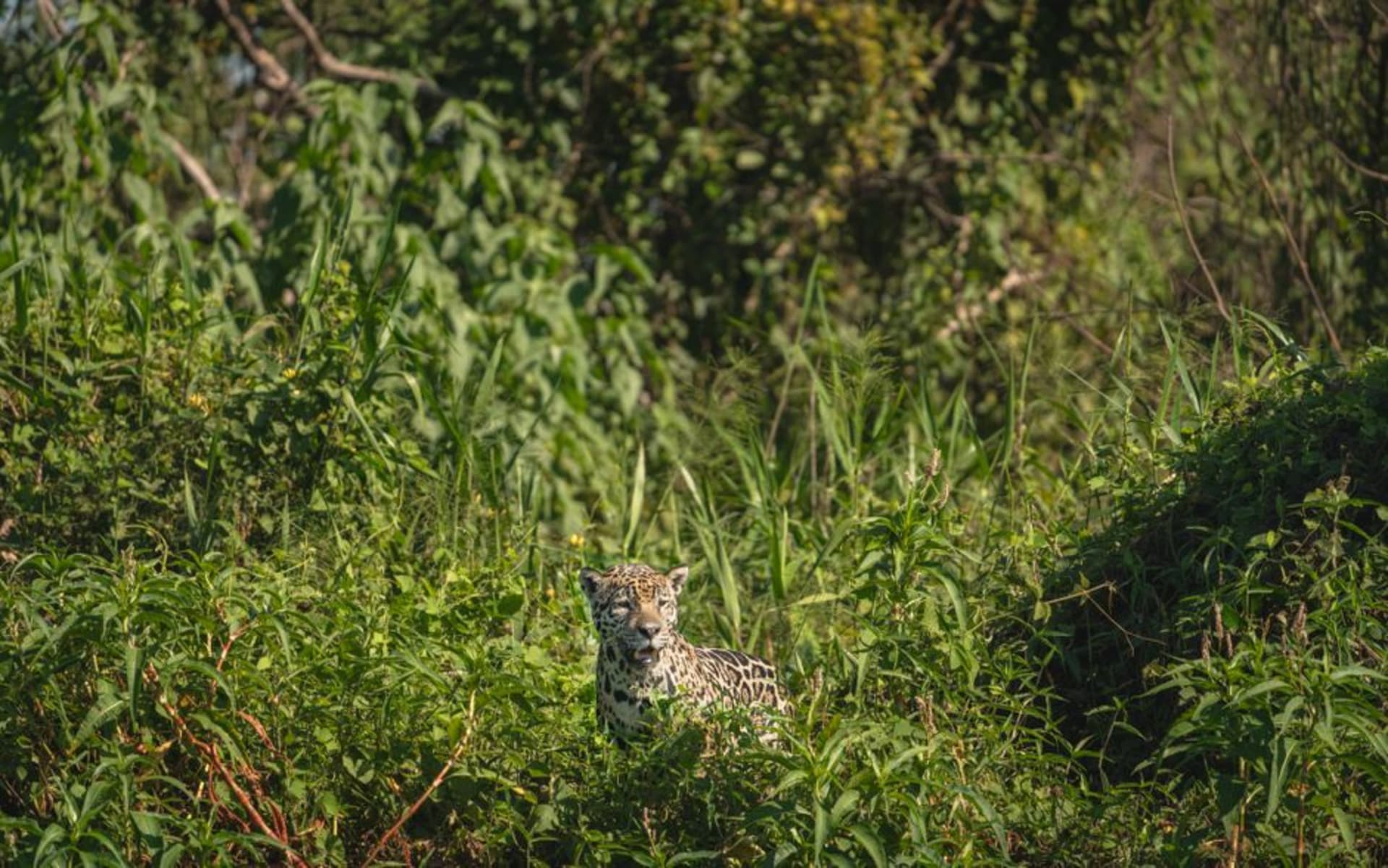
Mamirauá is the first place in the Amazon where I felt like conservation was genuinely winning rather than fighting a losing rearguard action. It’s a vast reserve of várzea — flooded forest that submerges up to ten meters during high water season — co-managed with the local ribeirinho communities who depend on its fish stocks, and the arrangement has become something of a model cited across the conservation world. You feel the difference on the water immediately: more birds, more dolphins, less silence where wildlife should be.
We stayed at the Uakari Floating Lodge, a cluster of wooden bungalows built on rafts that rise and fall with the river, reachable only by a boat trip up from Tefé. There is no wifi, no real cell signal, and after the first restless evening it became the whole point — mornings began with mist rising off water that mirrored the forest so precisely I sometimes couldn’t tell where the trees ended and the reflection began.
The dolphins are the reason most people come, and they earn the reputation. Mamirauá hosts both the pink botos and the smaller grey tucuxis, and unlike the more touristy dolphin-feeding setups elsewhere in the Amazon, here the encounters happen on the dolphins’ own terms — you paddle quietly through a flooded channel and they simply appear, rolling at the surface, sometimes close enough to touch, sometimes gone before you can react. Our guide, a Mamirauá-trained biologist named Rosinete, could identify individual dolphins by scarring on their dorsal fins, a level of familiarity that told me more about the reserve’s research investment than any brochure could.
Beyond the dolphins, Mamirauá is one of the best places in the Amazon to see the uakari monkey — a startling, bald, bright-red-faced primate found almost nowhere else on earth, which is in fact the reserve’s namesake and mascot. We spotted a troop moving through the flooded canopy at dawn, backlit by early sun, and our guide’s excitement made clear this wasn’t a guaranteed sighting even for someone who worked there daily. Night canoe trips added caimans, potoos, and a soundscape of frogs and insects so dense it felt almost architectural, layered in a way I never fully untangled.
When to go: June to October for lower water, when wildlife concentrates in narrower channels and walking trails become accessible. The high-water months of March to May offer the most dramatic flooded-forest canoeing but restrict access mostly to water routes.