Tocantins' remote savanna of orange dunes, waterfalls, and impossibly blue crystal springs — Brazil's hardest-earned wilderness.
Getting to Jalapão takes effort in a way that most of Brazil, for all its scale, does not demand. There’s no easy flight in; you land in Palmas, then spend three to five hours on a mix of paved and increasingly rough dirt roads to reach the region’s scattered pousadas, and the last stretch requires a 4x4 and a driver who genuinely knows the terrain, because GPS gives up somewhere around the second unmarked fork. I went with a small operator out of Palmas, and by the time we reached our first campsite I understood why so few foreign travelers make it out here — and why the ones who do rarely stop talking about it afterward.
The Dunes
The region’s signature landscape is its dunas — rolling orange sand dunes rising out of the cerrado savanna, utterly incongruous with the surrounding scrubland and completely unlike anywhere else I’ve been in Brazil. Climbing them at sunset, the sand still warm underfoot and the light turning the whole dune field a deep rust color, was one of those moments that made the brutal drive in feel entirely worth it. There are no crowds up here, no vendors, no infrastructure at all — just the dunes, the wind, and whoever you came with.
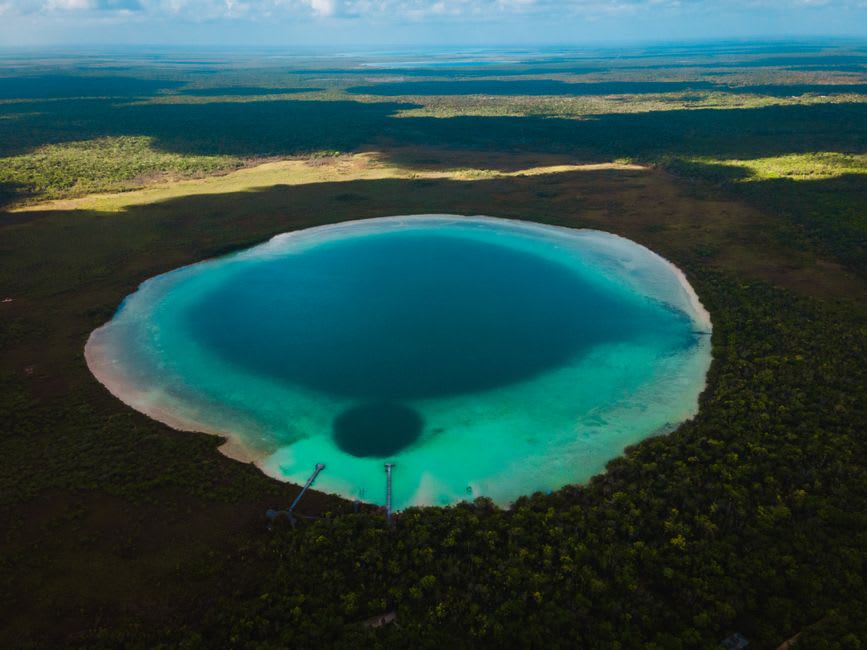
Fervedouros — the Crystal Springs
The region’s other signature feature are its fervedouros — natural springs where pressurized groundwater bubbles up through white sand, creating a current so strong it’s genuinely impossible to swim downward against it. The water is a clean, cold, almost unnervingly clear blue-green, and floating above the upwelling sand, feeling the current push back against your feet no matter how hard you kick down, is a sensation I haven’t found a real comparison for anywhere else. Lia described it as being gently but insistently rejected by the earth, which is about as accurate as I can manage too.
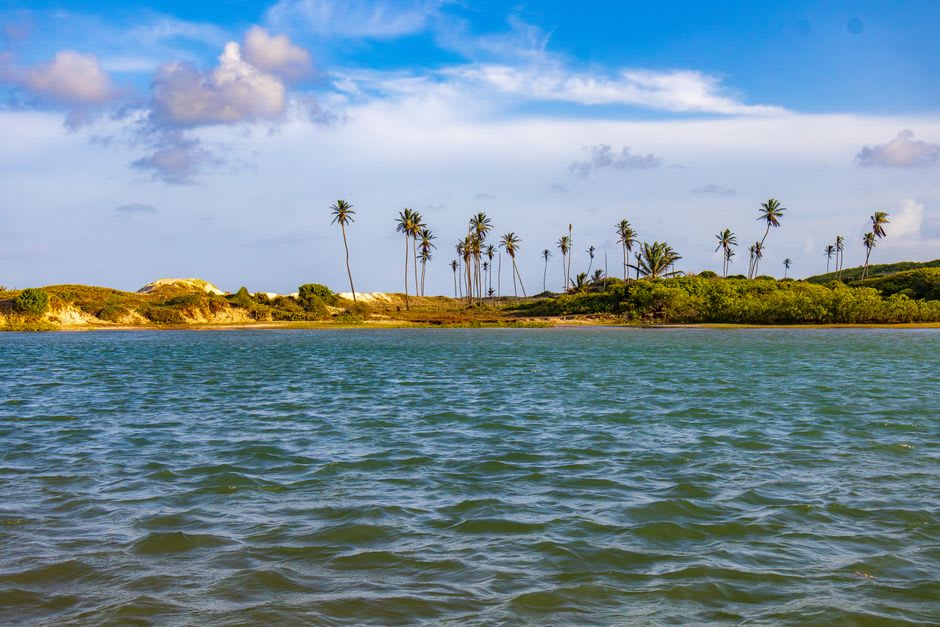
Waterfalls and the Cerrado
Cachoeira da Velha and the Formiga waterfall system round out the region’s natural attractions, both requiring their own dedicated stretches of dirt road to reach, and both worth the detour. The broader cerrado landscape — Brazil’s vast savanna biome, less discussed abroad than the Amazon or the Pantanal but arguably just as ecologically important — supports its own distinct wildlife, including maned wolves and giant anteaters that our guide spotted with a frequency that suggested decades of practice reading the terrain.
Getting There Responsibly
Jalapão has almost no independent tourism infrastructure — no self-drive rentals recommended, minimal signage, and genuine risk of getting stranded without local knowledge. Every visitor I met had booked through a guide or small operator based in Palmas, and that’s the only sensible way to do it. The region’s remoteness is precisely what has kept it this pristine, and it’s worth respecting that rather than trying to shortcut it.
When to go: May through September, the dry season — roads become impassable and many attractions inaccessible during the wet months from November to March.
Keep exploring
More from Brazil
 brazil
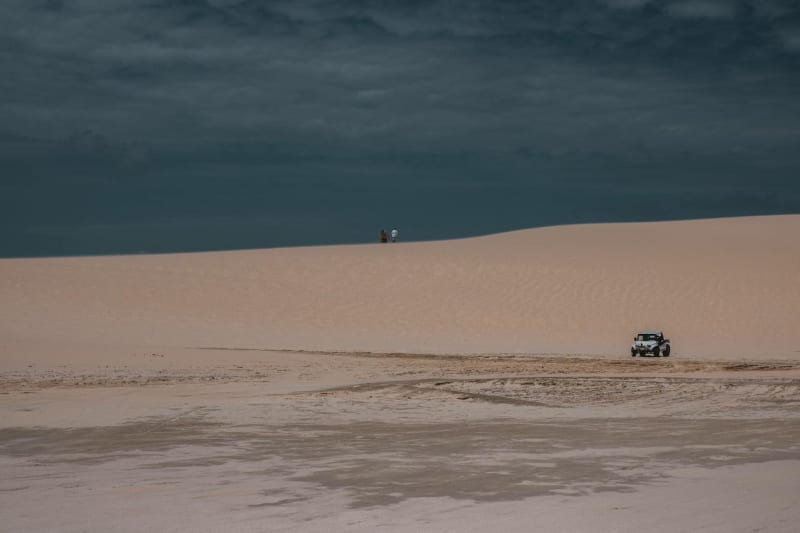
 Jericoacoara
A car-free village of sand streets, windswept dunes, and lagoons perfect for kitesurf and hammock philosophy.
Explore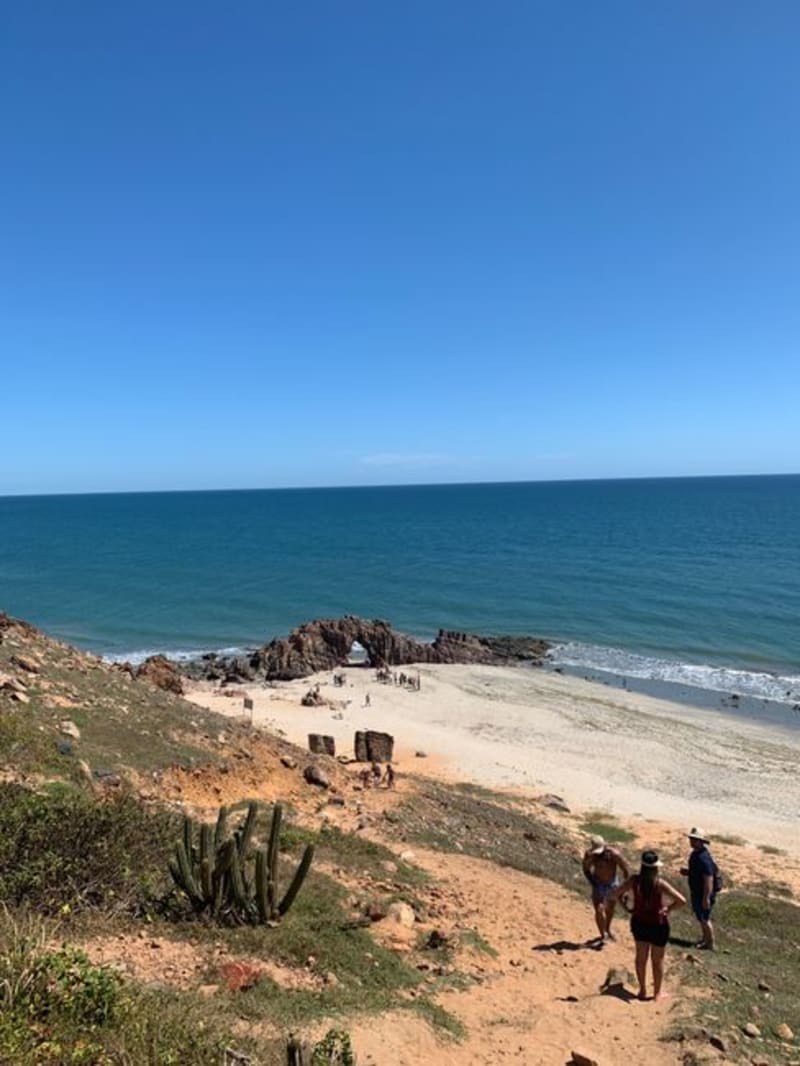 brazil
 Jijoca de Jericoacoara
The unglamorous municipal town you pass through — and the buggy staging ground — before the forty-minute dune crossing into Jeri itself.
Explore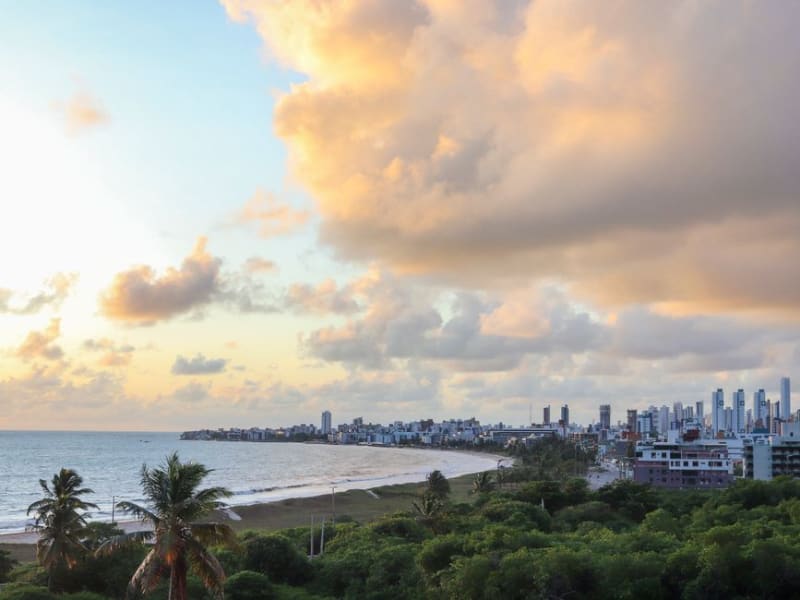 brazil
 João Pessoa
Paraíba's green, unhurried capital, home to the easternmost point in the Americas and a rainforest that runs right up to the beach.
Explore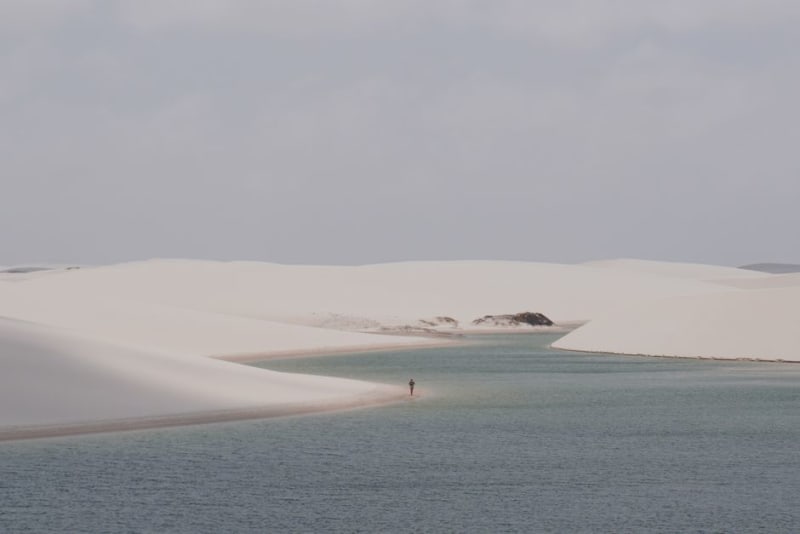 brazil
 Lençóis
A former 19th-century diamond-mining town of pastel colonial houses, the classic gateway into Chapada Diamantina's waterfalls, canyons, and cave systems.
Explore brazil
 Lençóis Maranhenses
Endless white dunes filled with turquoise lagoons after the rains — a landscape that should not exist but does.
Explore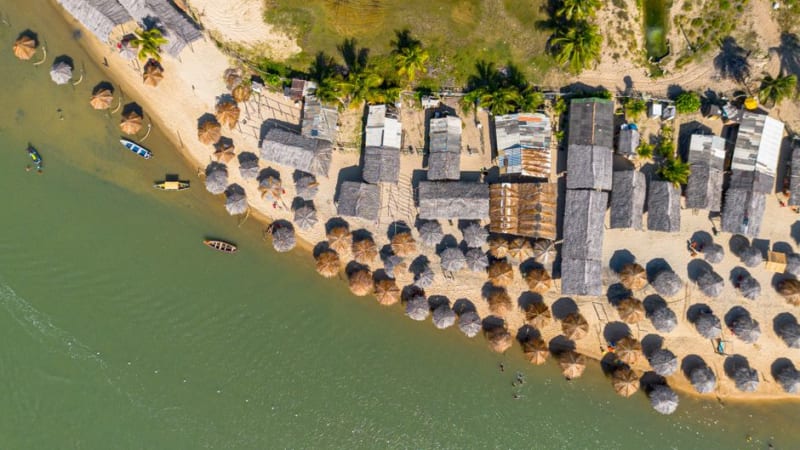 brazil
 Macapá
The only state capital in the world built directly on the Equator, standing with one foot in each hemisphere.
Explore