
Jacobina
"Everyone in the Chapada talks about diamonds. In Jacobina, I met the men who still pull gold and emerald from the same hills."
A gemstone-mining town in Bahia's interior highlands, gateway to the northern reaches of the Chapada Diamantina.
Most visitors to Bahia’s interior highlands make straight for the trails and waterfalls of Chapada Diamantina’s main tourist loop around Lençóis, and I nearly did the same. A geologist I met at a gas station outside Lençóis — an odd but productive place to make a friend — insisted I detour north to Jacobina instead, a mining town he described as “the part of the Chapada that never bothered becoming a postcard.” He undersold it.
A Town Built on What’s Underground
Jacobina sits beneath the dramatic escarpment of the Serra do Tombador, and its economy has run on extraction for over a century — first gold, discovered by prospectors in the colonial era, then more recently the industrial gold mines that still operate in the surrounding hills, alongside a smaller trade in emeralds and semi-precious stones pulled from the region’s ancient rock. Walking the main street, I passed three separate shopfronts selling raw and cut stones directly from local mines, prices negotiated on the spot with a casualness that suggested this was simply how commerce worked here.

Up the Serra do Tombador
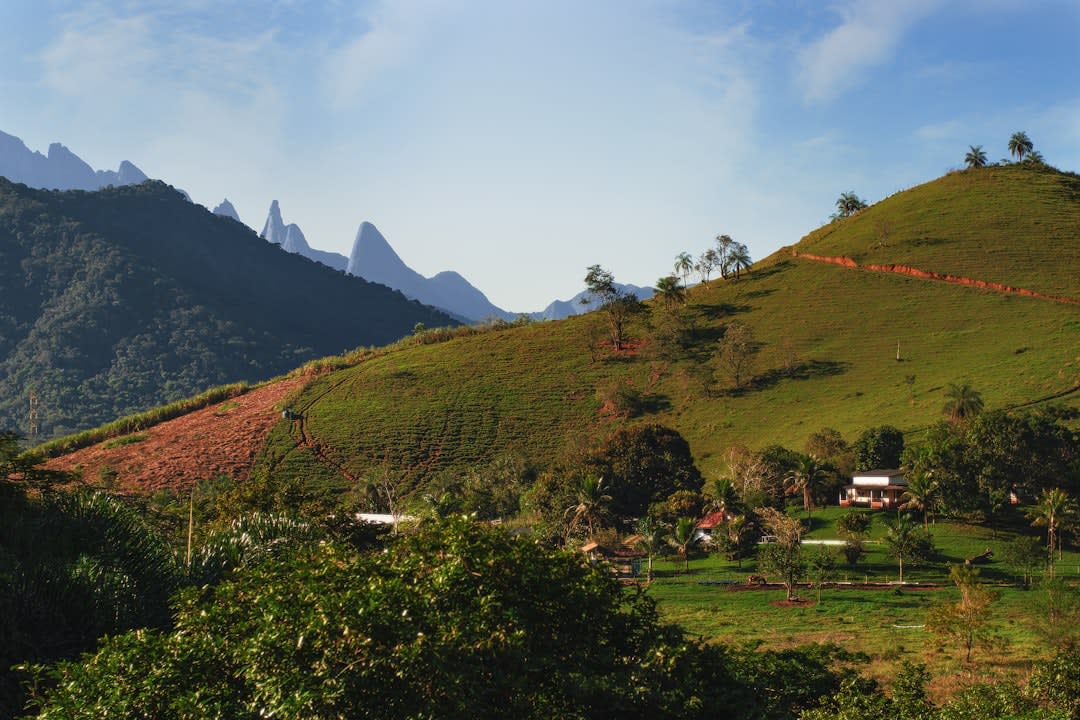
The escarpment behind town is the real draw for anyone who came, as I eventually did, for the landscape rather than the stones. A rough road climbs to a lookout point where the whole Jacobina valley opens up below — patchwork farmland, the town’s rooftops, and the gash of an open mine visible in the middle distance, a reminder of what actually funds the region. I hiked a section of trail with a local guide who pointed out where his grandfather had panned for gold in a stream we crossed twice, water running clear over stones that occasionally, he said, still turn up flakes worth stopping for.
An Interior Bahia Rarely Seen
Jacobina’s population is a mix that owes a great deal to mining migration over generations, and the town’s forró dances on weekend nights pull in a crowd from villages an hour or more away by dirt road. There is no polished restaurant scene here, no boutique pousada strip — mostly simple lanchonetes serving carne de sol and a rice dish with local beans that I never quite got the name of and never stopped ordering.
When to go: May to September for the dry season and cooler interior temperatures, ideal for hiking the escarpment. Avoid January to March, when heavy rains make the unpaved roads around town difficult.