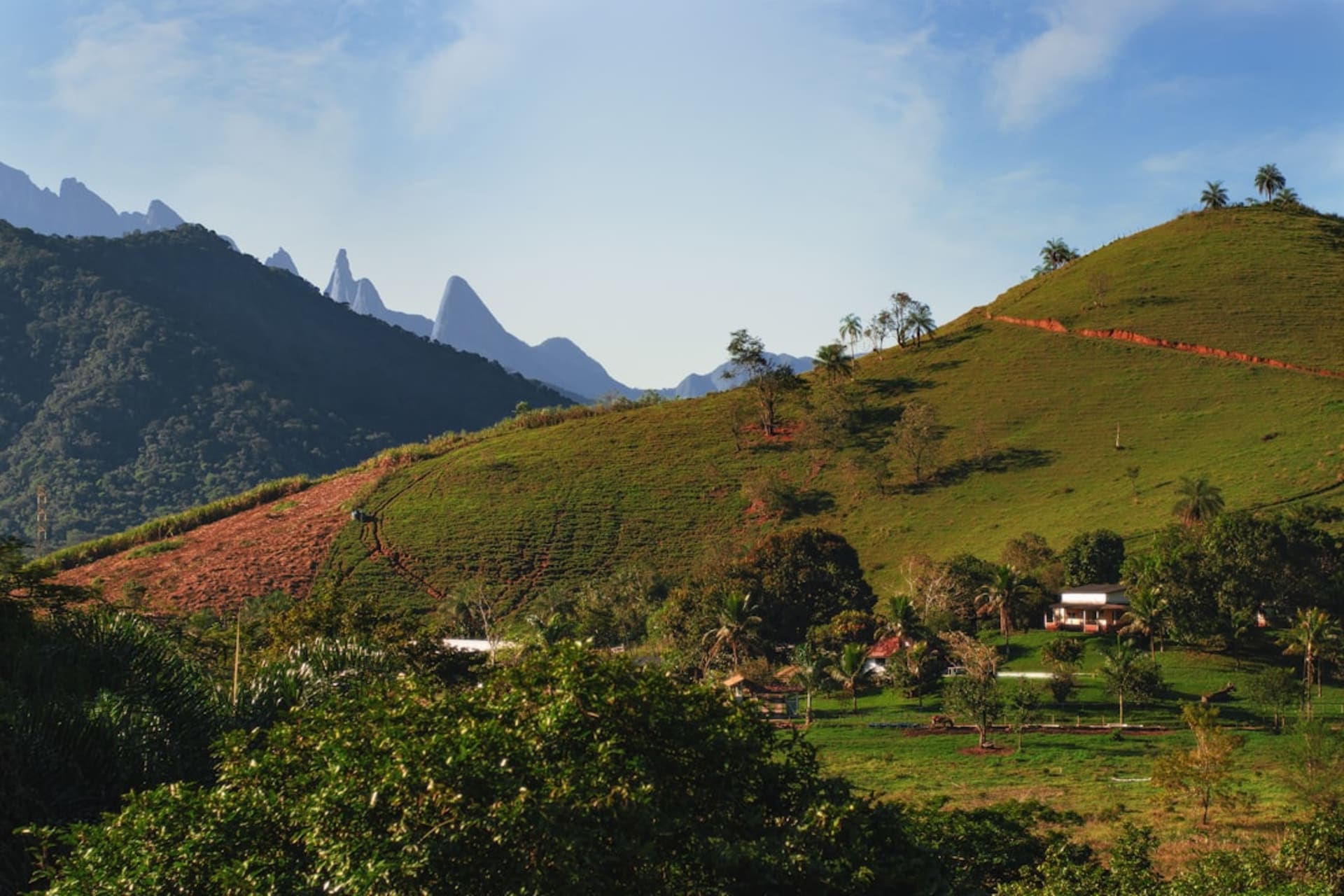
Itacaré
"The rainforest doesn't stop at the beach in Itacaré. It just keeps going until the sand makes it."
A former cacao boomtown turned surf town where Atlantic rainforest runs down to the sand and a string of forest-fringed beaches replaces any need for a beach club.

Itacaré spent most of the twentieth century as a cacao port, cut off from the rest of Bahia by bad roads and thick Atlantic forest, and that isolation is exactly what saved it. By the time a proper highway arrived in the late 1990s, the beaches south of town were still wrapped in Mata Atlântica right down to the tideline, and the surfers who found it treated it like a discovery worth protecting rather than developing flat. Lia and I rented a scooter on our second day and rode the coastal road with green canopy on one side and blue water flickering through gaps in the trees on the other, which is not a sentence I get to write often.
Praia da Engenhoca and the Southern Run
The beaches south of town — Engenhoca, Havaizinho, Tiririca — require a short walk through actual jungle to reach, and that small effort filters out anything resembling a crowd. Engenhoca has a reliable left-hand point break that draws surfers from São Paulo and further afield, and I spent a morning watching far better surfers than myself work a wave that peeled for what looked like an unreasonably long ride. The beach itself is framed by cliffs and forest on both ends, with a freshwater stream cutting across the sand to cool down after a swim in salt water.

Learning to Not Be Good at Surfing
I am, by any honest account, a mediocre surfer, and Itacaré’s beginner-friendly breaks at Praia da Concha let me confirm this without embarrassment. A local instructor named Edu spent two mornings patiently repositioning my feet and explaining, with visible amusement, why I kept catching the wave a half-second late. Lia, infuriatingly, stood up on her third attempt. The town runs almost entirely on this rhythm — surf lessons in the morning, açaí bowls at midday, waterfall hikes in the afternoon heat.
Waterfalls Behind the Beach
A short drive inland leads to a cluster of waterfalls — Tijuípe among them — where the same rivers that cut through the rainforest to reach Itacaré’s beaches pool into clear swimming holes ringed by rock. We went on a hot afternoon and had one entire cascade to ourselves for almost an hour, floating in cold water with the sound of the falls doing all the necessary talking.
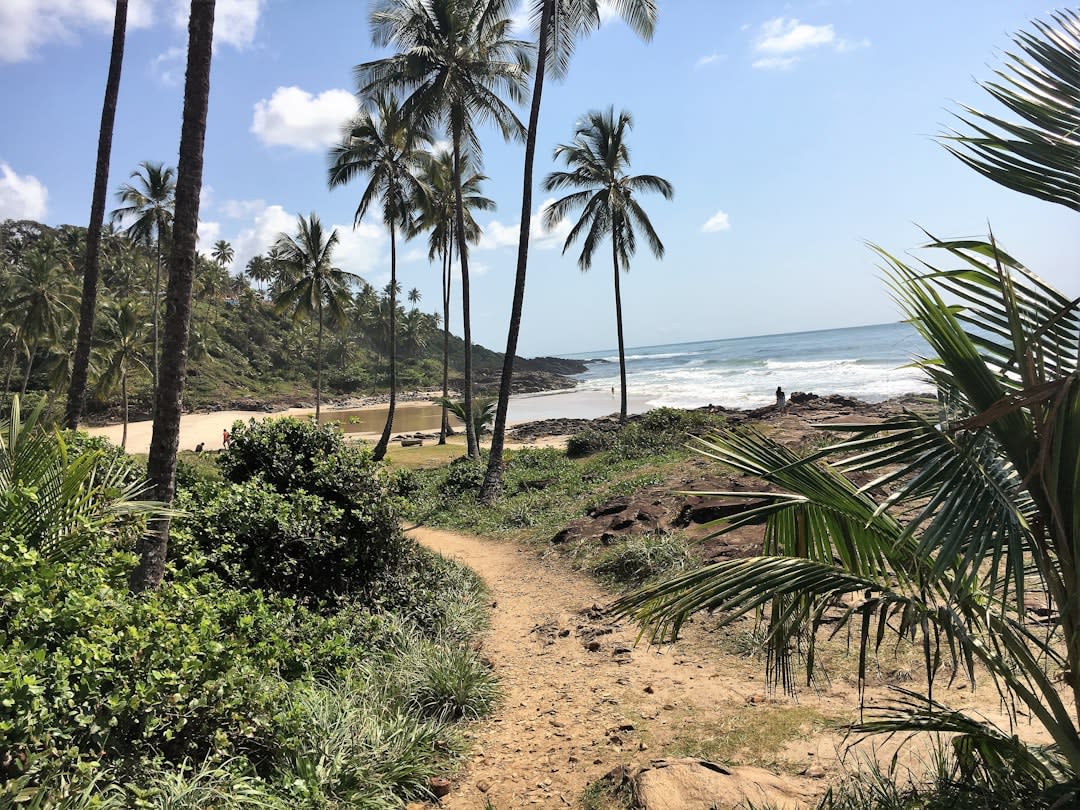
When to go: December through March brings the best swell for surfing and the warmest water, though it’s also the busiest stretch. April through June and September through November keep the good surf with noticeably thinner crowds.
Keep exploring
More from Brazil
 brazil
 Jacobina
A gemstone-mining town in Bahia's interior highlands, gateway to the northern reaches of the Chapada Diamantina.
Explore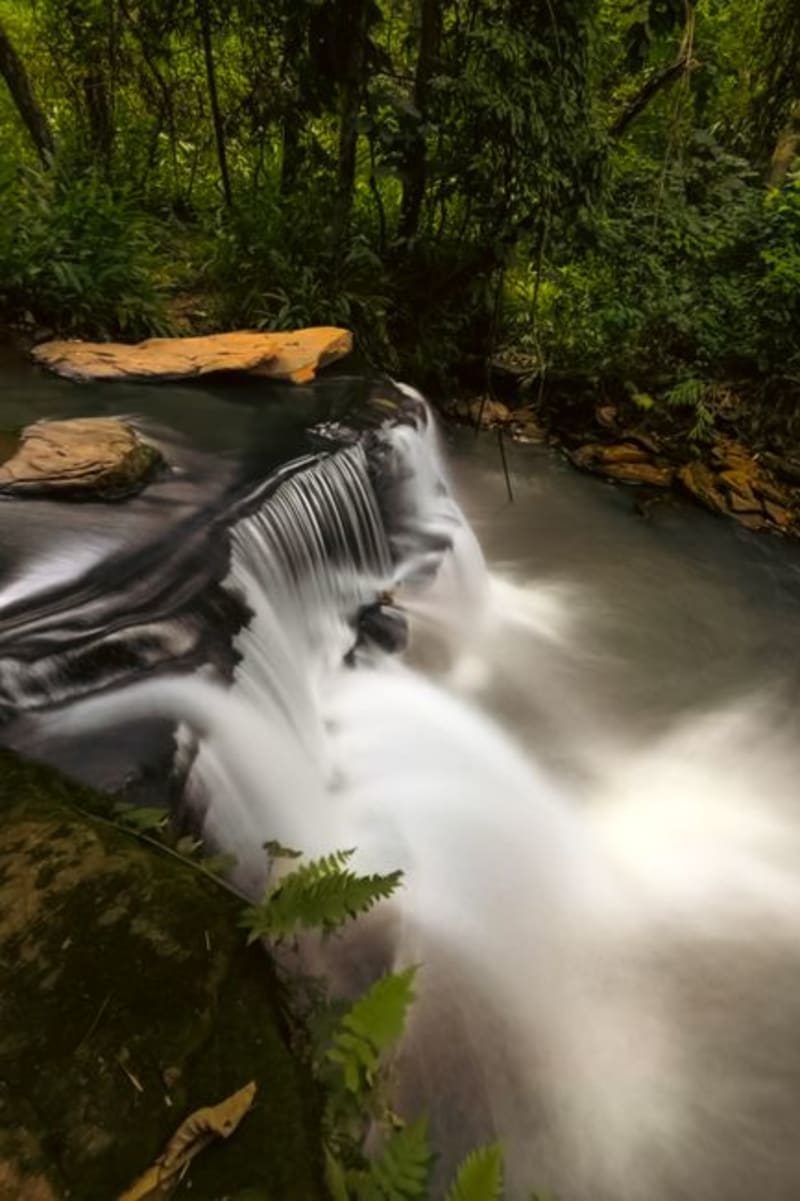 brazil
 Jalapão
Tocantins' remote savanna of orange dunes, waterfalls, and impossibly blue crystal springs — Brazil's hardest-earned wilderness.
Explore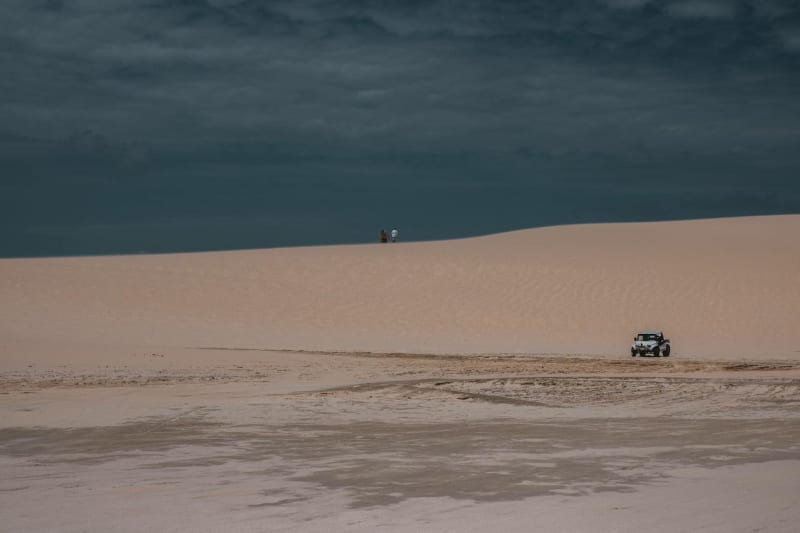 brazil
 Jericoacoara
A car-free village of sand streets, windswept dunes, and lagoons perfect for kitesurf and hammock philosophy.
Explore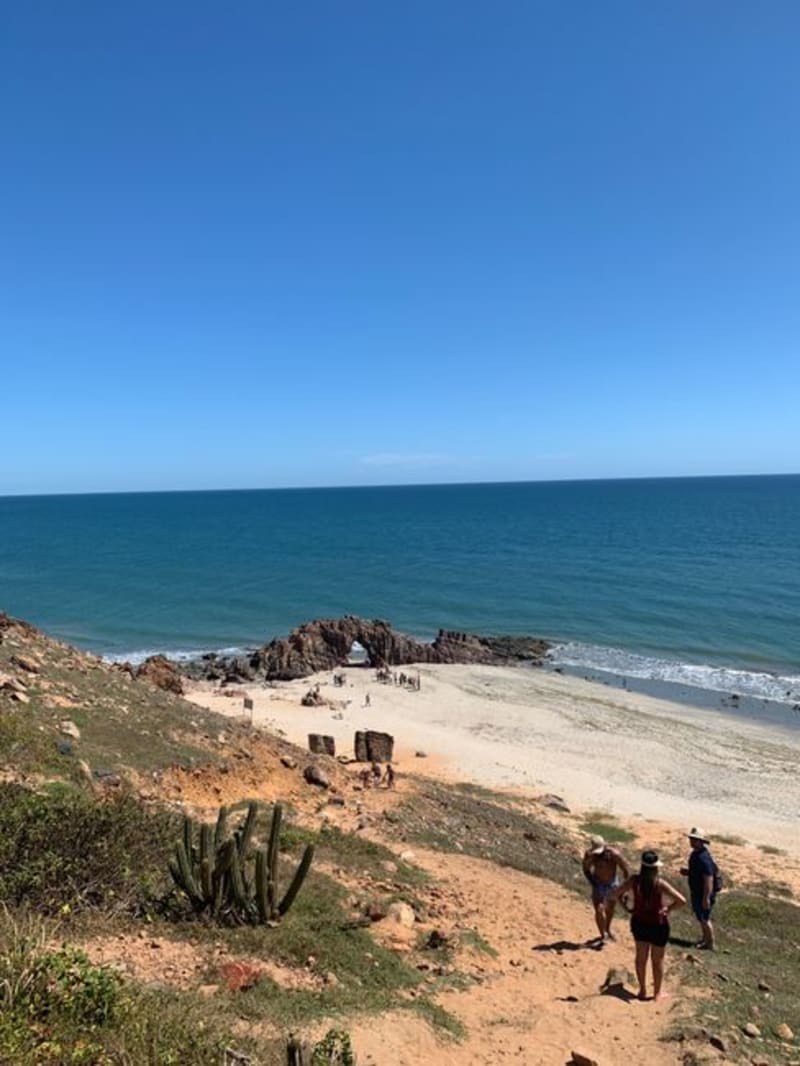 brazil
 Jijoca de Jericoacoara
The unglamorous municipal town you pass through — and the buggy staging ground — before the forty-minute dune crossing into Jeri itself.
Explore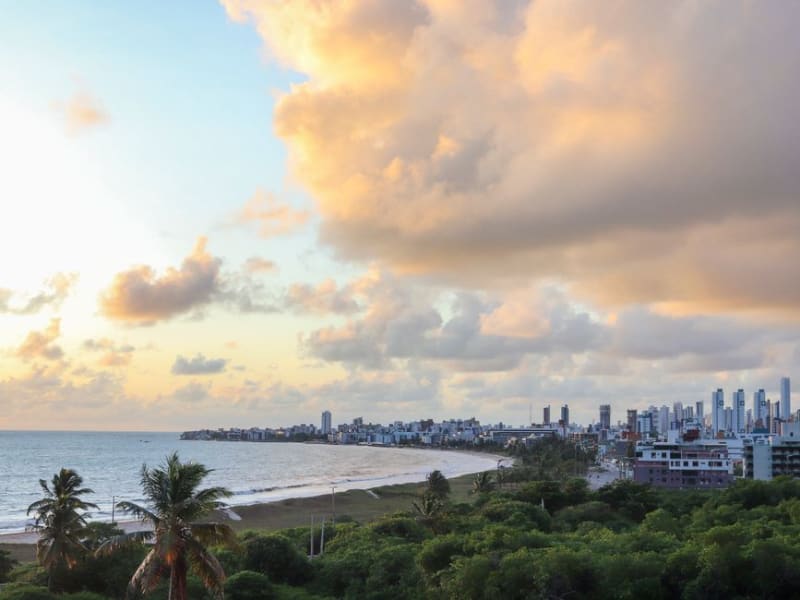 brazil
 João Pessoa
Paraíba's green, unhurried capital, home to the easternmost point in the Americas and a rainforest that runs right up to the beach.
Explore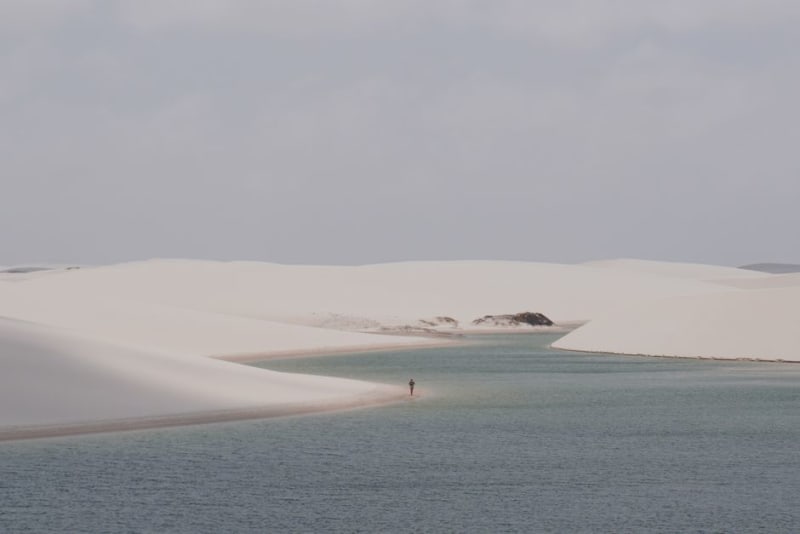 brazil
 Lençóis
A former 19th-century diamond-mining town of pastel colonial houses, the classic gateway into Chapada Diamantina's waterfalls, canyons, and cave systems.
Explore