Ilhabela
"Ilhabela is what happens when you take the São Paulo coast and add an actual mountain range rising straight out of the sea."
A car-choked ferry queue gives way to a sailor's island of waterfalls, empty beaches, and the best Brazilian sailing water I have found.
The ferry to Ilhabela is the first filter. On a summer weekend the line of cars backs up for kilometres along the São Sebastião waterfront, and I sat in that queue for two hours once, windows down, radio on, watching people sell coconuts to the stalled traffic. Lia fell asleep against the window. When we finally rolled onto the boat for the twenty-minute crossing, I understood why everyone puts up with it — the island rises out of the channel like a wall of rainforest, peaks disappearing into cloud, and the annoyance of the queue evaporates before the ferry even docks.
Ilhabela is technically part of the same coastline as Ubatuba and São Sebastião, but it feels like a different country. It is almost entirely covered in Atlantic Forest, protected as a state park, which means development is squeezed onto a narrow strip along the western shore facing the mainland. The eastern side, facing open ocean, is nearly uninhabited — reachable only by boat or a serious hike — and that is where the island’s best beaches hide.
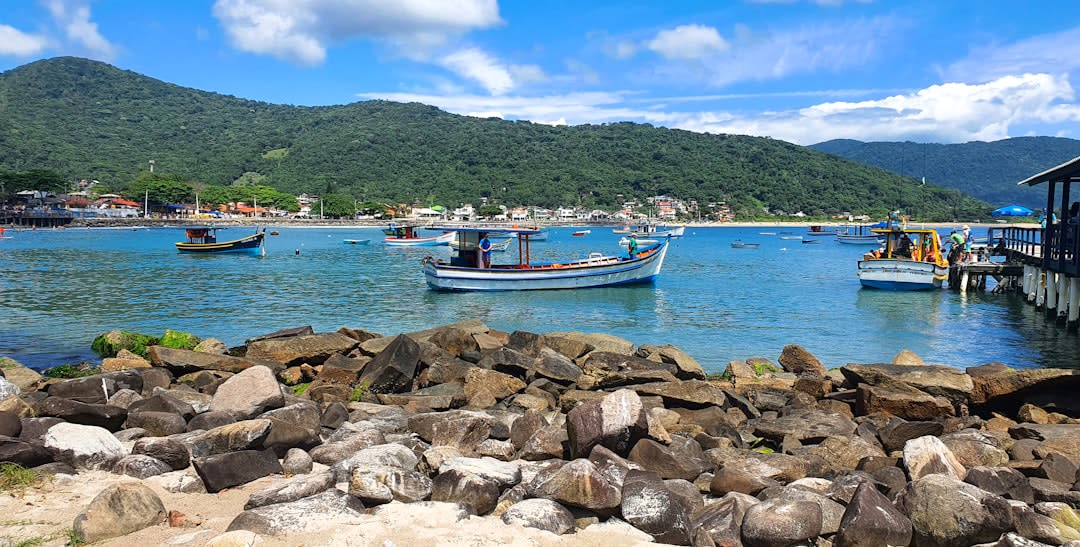
The sailing here is genuinely world class. Ilhabela hosts one of Brazil’s biggest sailing regattas every July, and the channel between the island and the mainland stays flat and wind-protected even when the open Atlantic is churning. I chartered a small boat for a day with a captain who had grown up on the island, and we spent the afternoon hopping between waterfalls that pour directly onto the sand — Cachoeira da Toca and Cachoeira das Tocas among them — swimming in freshwater pools a few metres from saltwater. It is a strange, wonderful sensation, going from a cold mountain stream to warm sea in the time it takes to walk down a beach.
The interior is where the island earns its rainforest reputation. Trails cut through dense forest to waterfalls with swimming holes, and the higher routes climb toward Pico do Baepi, rewarding the effort with views back across the channel to the mainland mountains. I am not a serious hiker and even I made it partway up one of the easier trails before the humidity won.
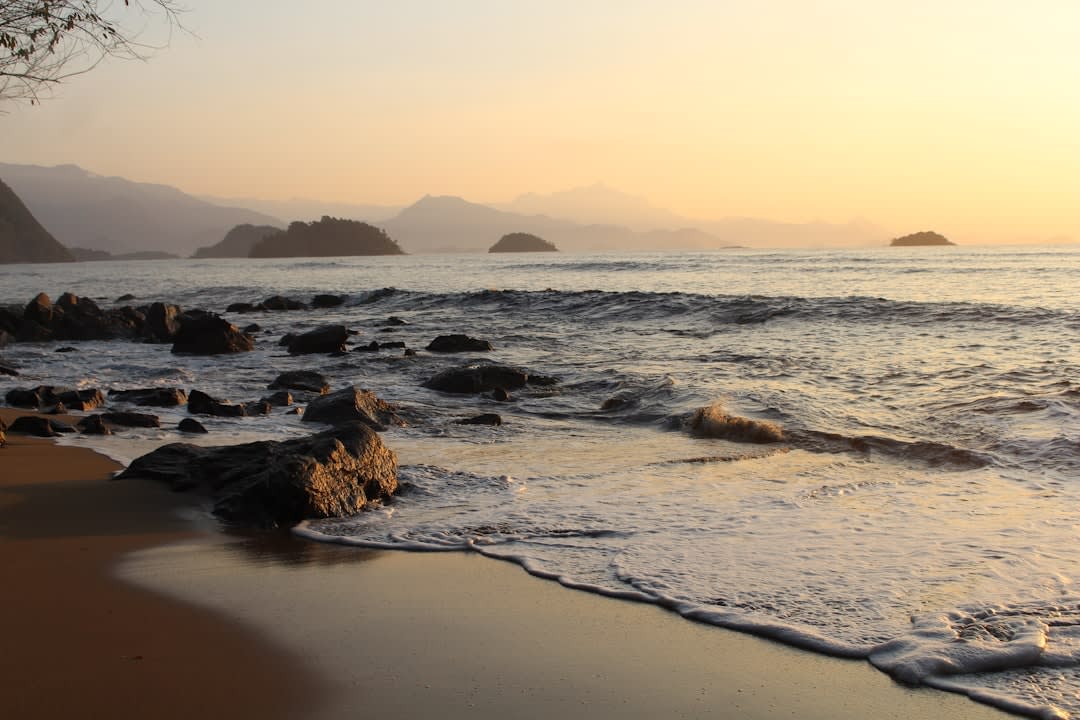
Village life centres on Vila on the western shore — colonial-era buildings, seafood restaurants serving the day’s catch, and a slower pace than the mainland beach towns just across the water. Away from Vila, the island’s beaches range from the family-friendly and boat-lined Praia do Curral to the wilder, surf-facing beaches on the far side that require real commitment to reach and reward it with near-total solitude.
When to go: April to June for the calmest seas and fewer crowds. July brings the sailing regatta and is spectacular but busy. December to February is peak Brazilian summer — hot, crowded, and best booked well ahead.
Keep exploring
More from Brazil
 brazil
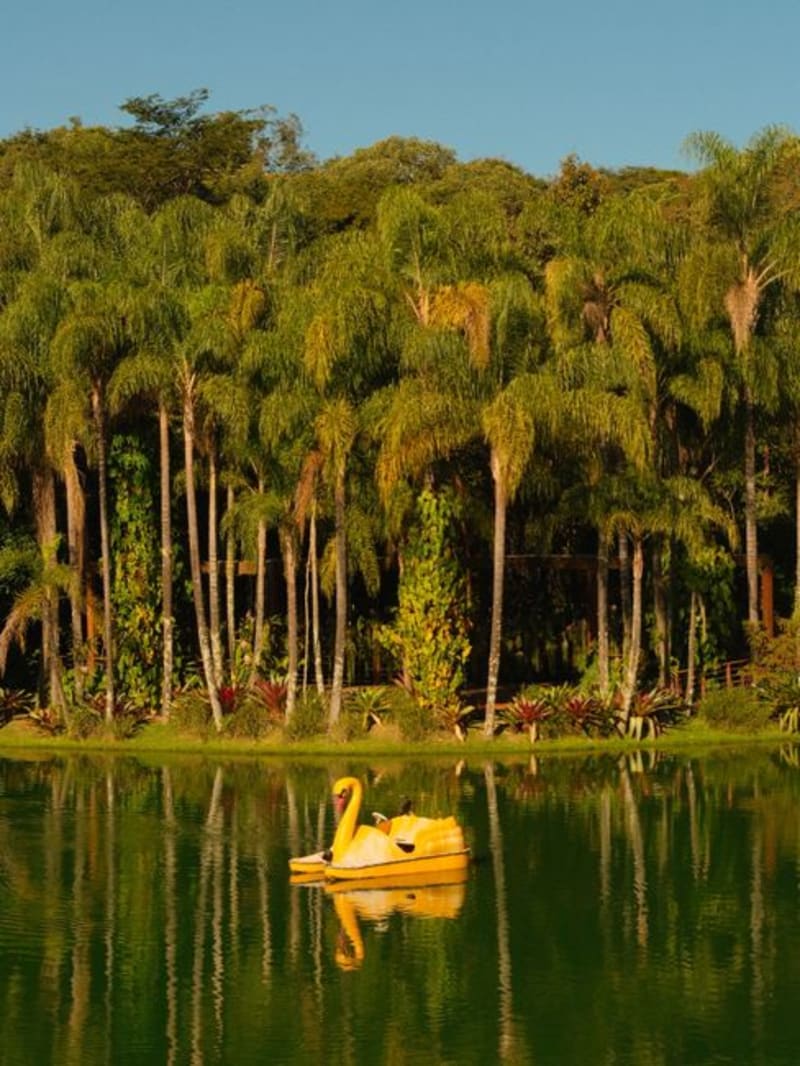
 Inhotim
An outdoor contemporary art museum the size of a small nation, scattered through botanical gardens in the hills outside Belo Horizonte.
Explore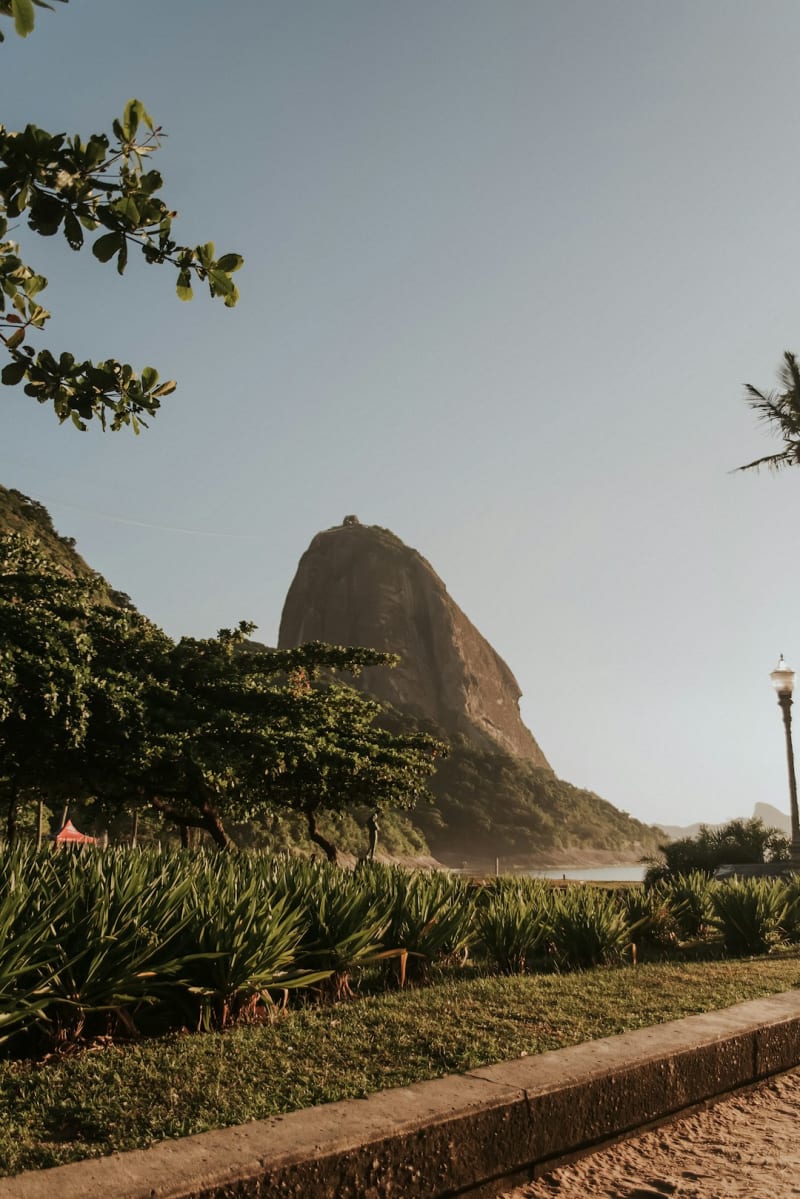 brazil
 Ipanema
The neighbourhood that gave the world a song, a beach where the sunset gets a round of applause, and a way of life built entirely around both.
Explore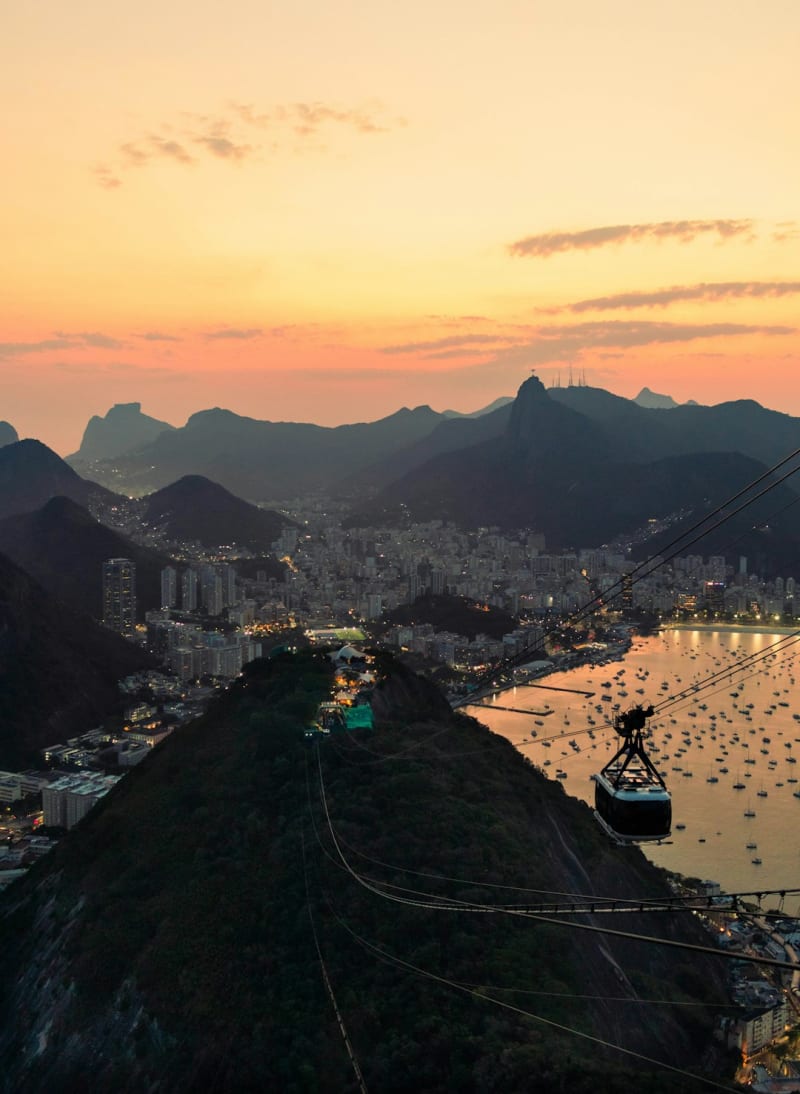 brazil
 Itacaré
A former cacao boomtown turned surf town where Atlantic rainforest runs down to the sand and a string of forest-fringed beaches replaces any need for a beach club.
Explore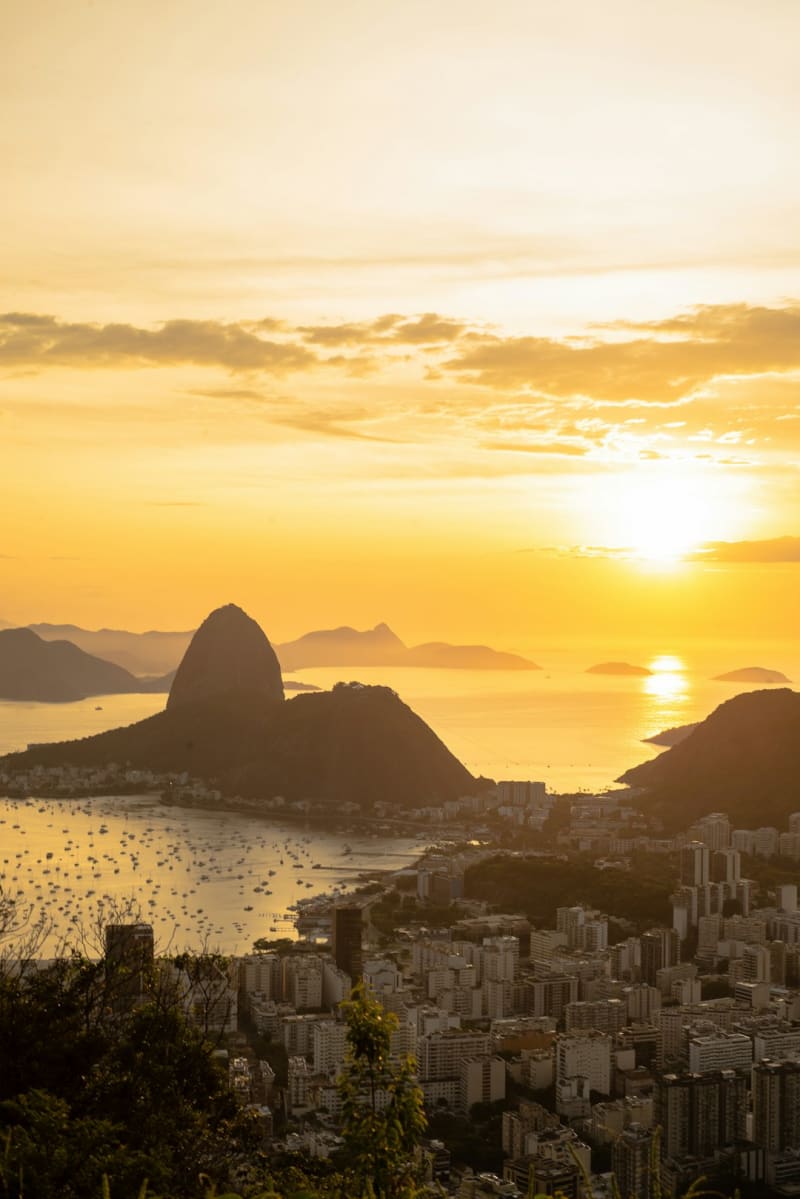 brazil
 Jacobina
A gemstone-mining town in Bahia's interior highlands, gateway to the northern reaches of the Chapada Diamantina.
Explore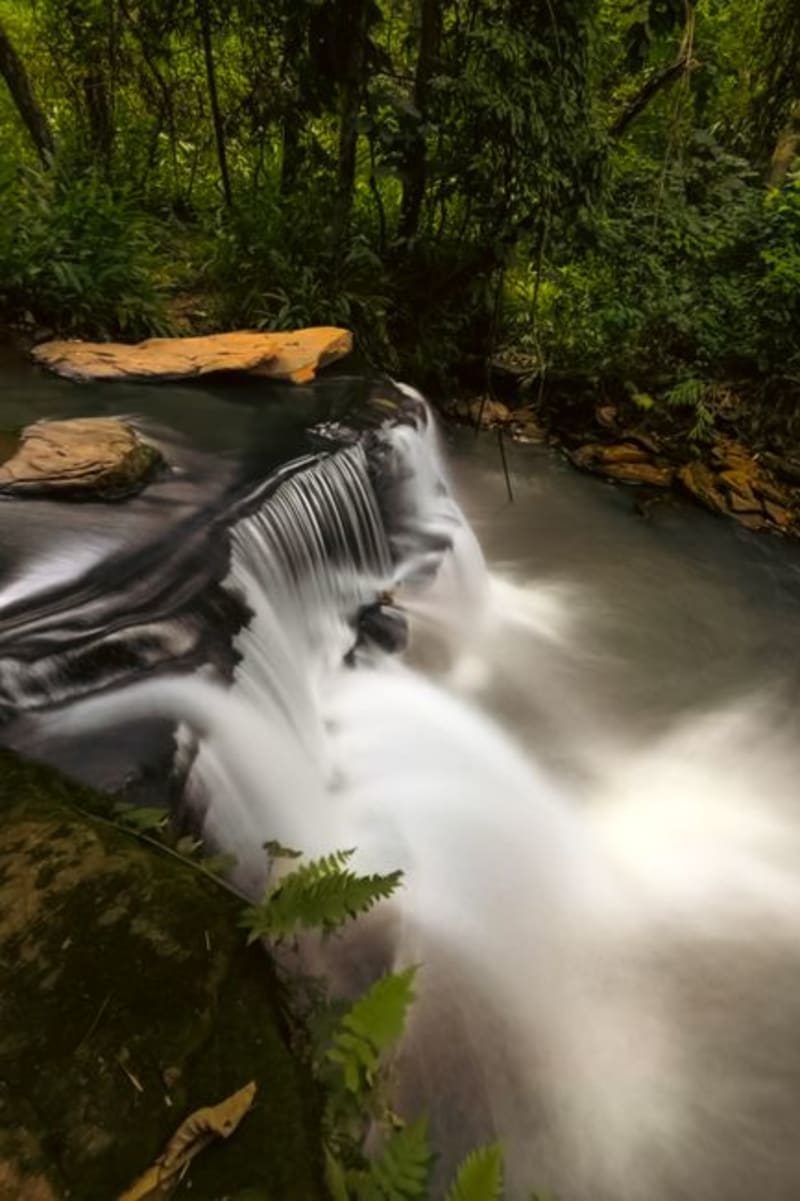 brazil
 Jalapão
Tocantins' remote savanna of orange dunes, waterfalls, and impossibly blue crystal springs — Brazil's hardest-earned wilderness.
Explore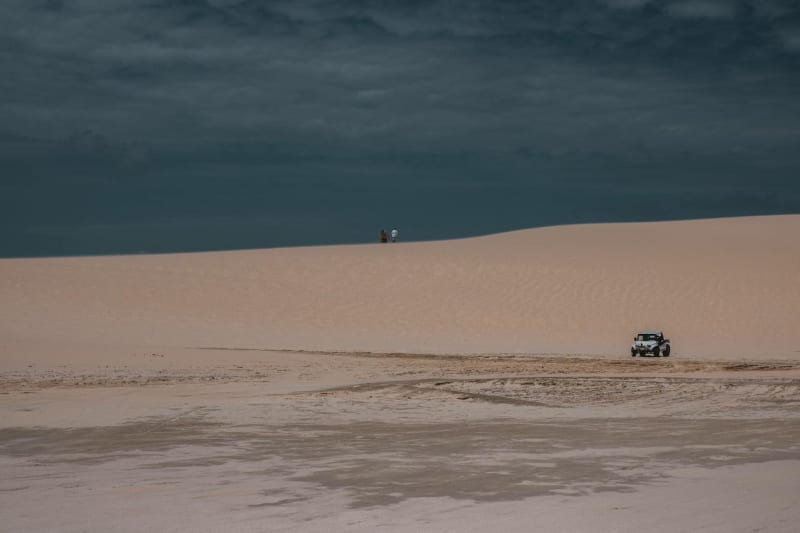 brazil
 Jericoacoara
A car-free village of sand streets, windswept dunes, and lagoons perfect for kitesurf and hammock philosophy.
Explore