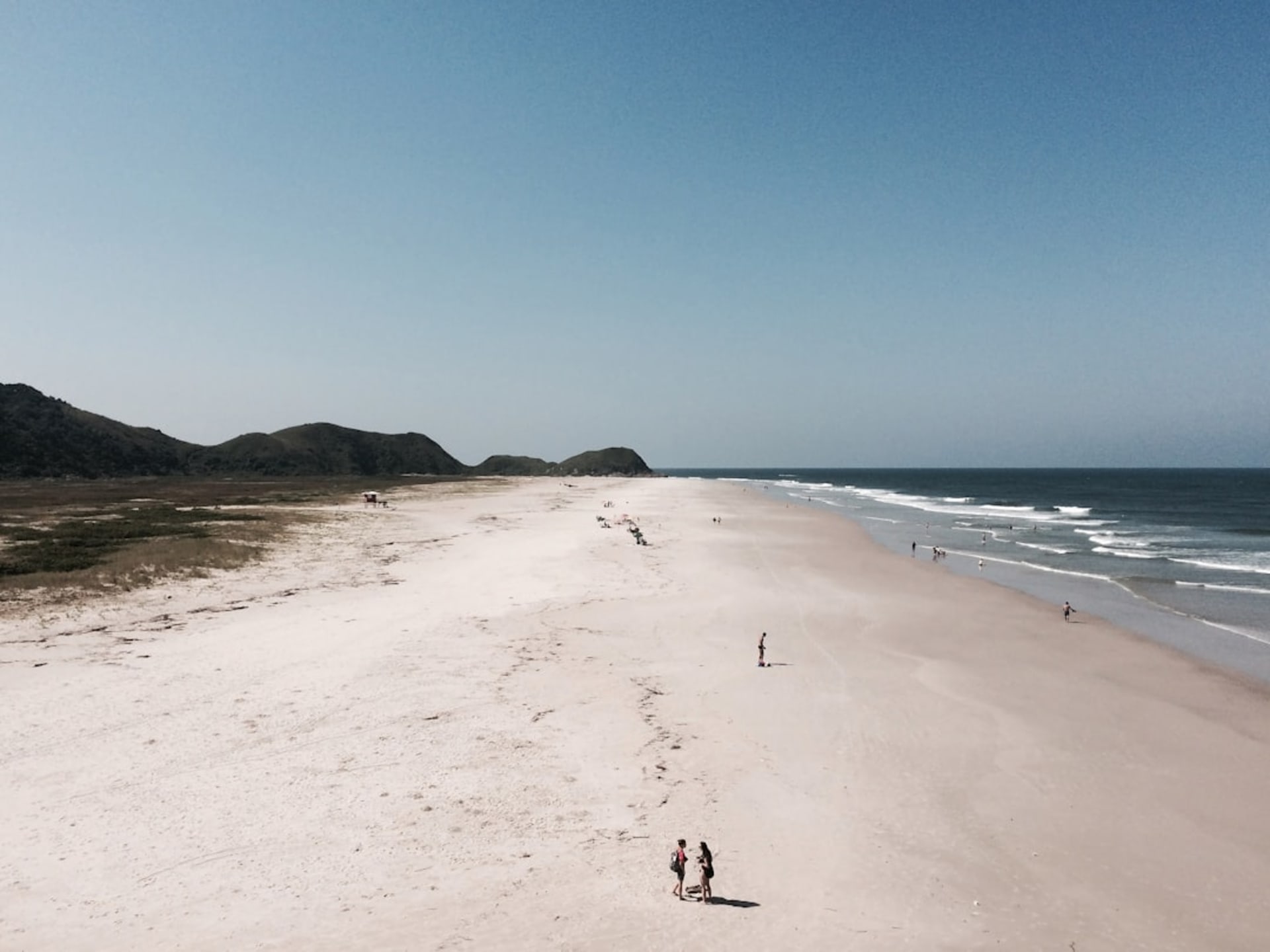
Ilha do Mel
"No cars, no pavement, no plan beyond the tide chart. Ilha do Mel is what happens when an island refuses to modernize, on purpose."
A car-free island off the Paraná coast where forest meets sand and the only traffic is bare feet on sandy paths.
Getting to Ilha do Mel takes effort by design — a bus to Paranaguá, then a boat across the bay, and once you step off there are no roads, no cars, not even bicycles in most parts. Everything moves by foot or by boat, and the sand paths that pass for streets get swallowed by the tide twice a day, which means your entire schedule bends to the ocean’s whether you like it or not. I found that recalibration almost immediately soothing, the way you forget how loud combustion engines are until they’re gone.
The island splits into two main settlements. Nova Brasília, where most boats arrive, has a small grid of pousadas and seafood shacks and is the practical base. Encantadas, a ninety-minute walk or short boat ride south, is sleepier still, with a village feel that hasn’t changed much in decades — fishermen mending nets on the sand, kids playing football on a patch of grass between two houses.
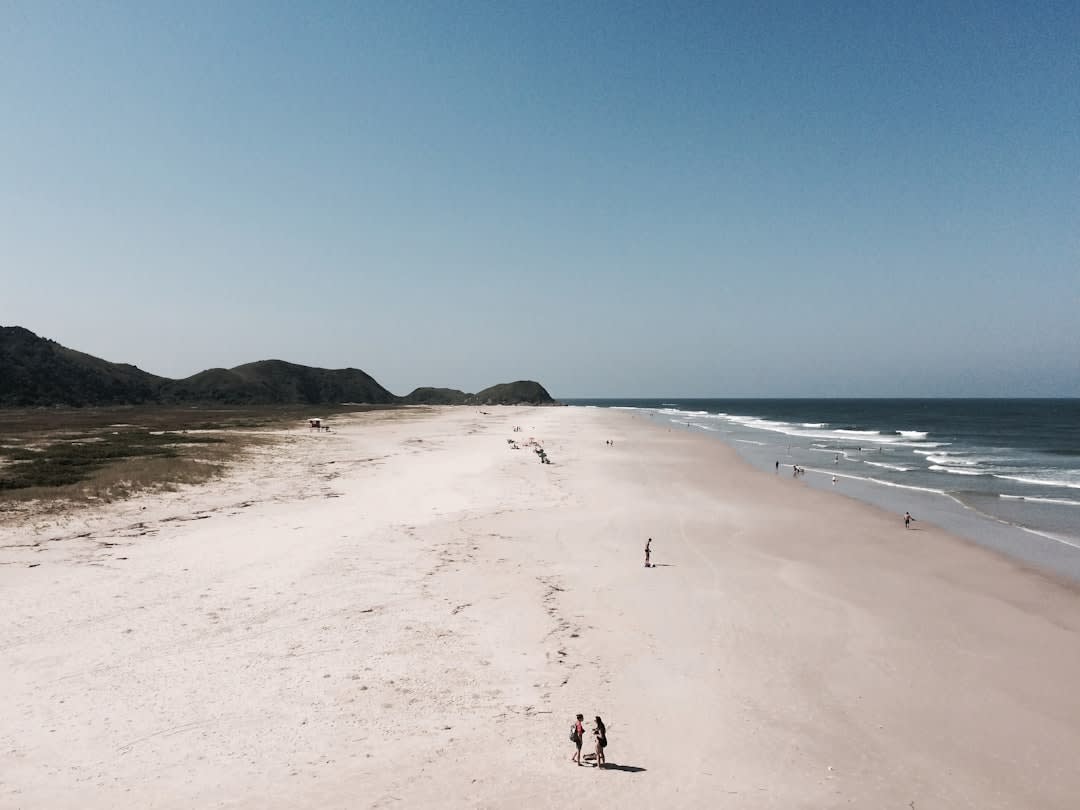
The island’s spine is Atlantic forest, thick and loud with birds, and the trail across it to Praia de Fora — the wilder, surf-facing side — is the best hour of walking I did in southern Brazil, mud and roots underfoot, the canopy breaking suddenly onto open beach and pounding waves. The Fortaleza de Nossa Senhora dos Prazeres, an eighteenth-century fort at the island’s tip, is worth the detour for the view alone — cannon emplacements looking out over a strait that Portuguese ships once needed defending.
We stayed in a simple pousada with a hammock strung between two trees on the porch, and I remember doing genuinely nothing for an entire afternoon — no wifi to speak of, no errands possible — and feeling, for the first time in months, like I had actually arrived somewhere rather than just travelled to it.
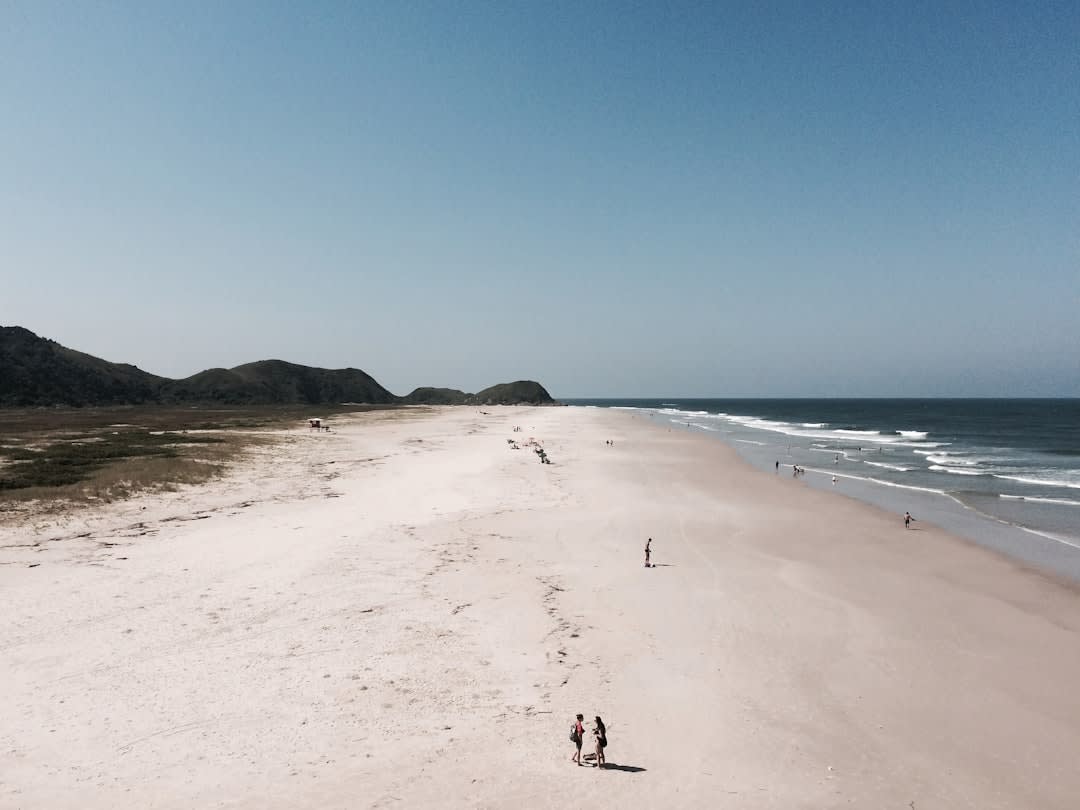
When to go: December to March for warm water and full beach season, though it’s also the busiest. April, May, September, and October offer quieter trails and still-pleasant swimming.