Ilha do Bananal
"It's an island the size of a small country, and almost nobody outside Brazil has heard of it."
The world's largest river island, split between Tocantins and Araguaia — home to the Karajá people and wildlife that rivals the Pantanal.
Ilha do Bananal is easy to misjudge from a map — it looks like a minor river feature until you learn it’s roughly the size of Switzerland, formed by the Araguaia River splitting into two channels and enclosing an area large enough to contain its own national park, its own indigenous territories, and its own distinct ecosystem sitting at the transition between Amazon rainforest and cerrado savanna. Getting there from Palmas involves a long drive followed by a boat crossing, and by the time our small aluminum launch reached the island’s edge, Lia and I had already spent most of a day just arriving.
Karajá Territory
A significant portion of the island belongs to the Karajá people, one of the largest indigenous groups in central Brazil, and several communities welcome respectful, guide-arranged visits. We spent an afternoon in a village where women were finishing ceramic figurines — the Karajá are known for a distinctive pottery style, dolls and figures depicting daily life, that UNESCO has recognized as intangible cultural heritage. Watching the process, and later trading a few reais for a small finished piece, felt like a far more grounded cultural exchange than the more staged indigenous-village visits I’d encountered elsewhere in Brazil.
Wildlife to Rival the Pantanal
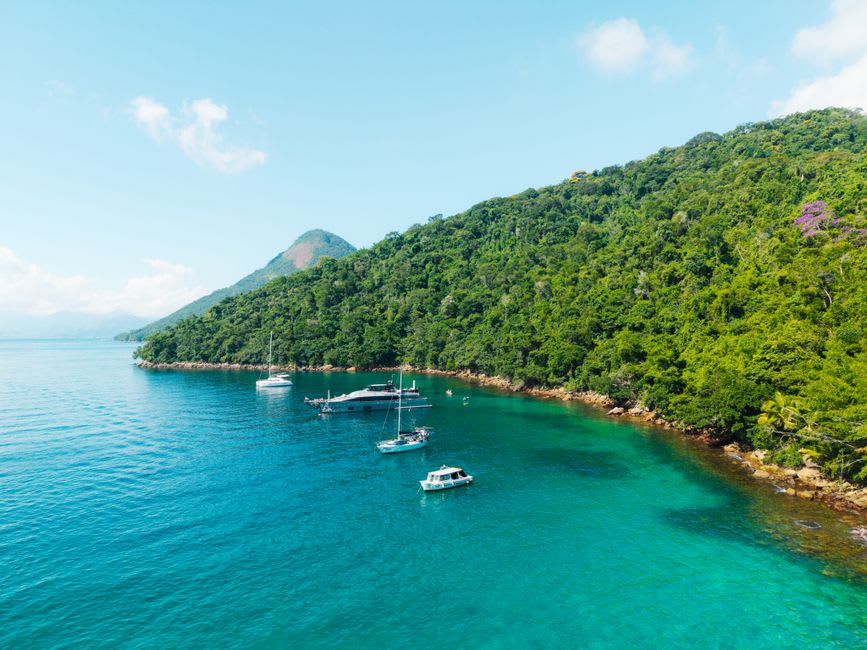
The island sits within the Araguaia National Park, and the wildlife density along its channels and lagoons genuinely rivals the Pantanal, though with a fraction of the visitor infrastructure. We saw giant otters working a channel in a coordinated hunting group, caimans stacked along nearly every sandbank at dusk, and more macaws and herons than I could keep track of during a single dawn boat trip. What’s different from the Pantanal is the density of forest at the water’s edge — this is a genuine transition zone, and you feel the Amazon’s influence in the humidity and the tangled green line along the banks even as the open lagoons feel distinctly cerrado.
A Genuinely Difficult Place to Reach
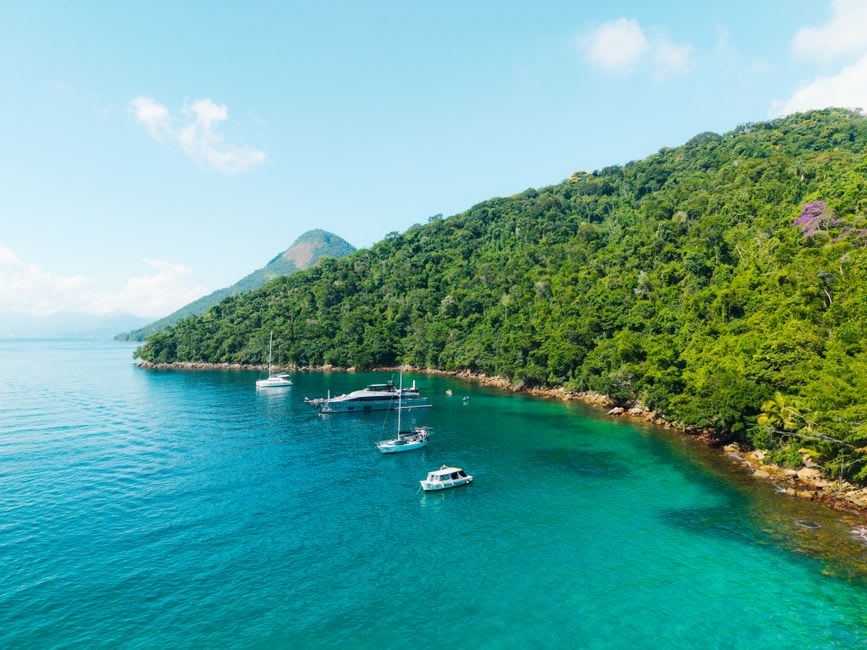
I want to be honest about the logistics here: this isn’t a casual add-on to a Brazil itinerary. Access requires either a long overland-and-boat combination from Palmas or a small charter flight to one of the airstrips near the park, and almost nobody attempts it without a specialized guide or lodge arrangement, several of which exist specifically to combine indigenous cultural visits with wildlife viewing. The lack of casual access is precisely what has kept both the ecosystem and the Karajá communities as intact as they are, and it’s worth treating a visit here as a deliberate, well-arranged trip rather than a spontaneous detour.
When to go: June through September, the dry season, when water levels expose the island’s beaches and wildlife concentrates along the remaining channels. The wet season floods large sections of the island and makes access far more difficult.
Keep exploring
More from Brazil
 brazil
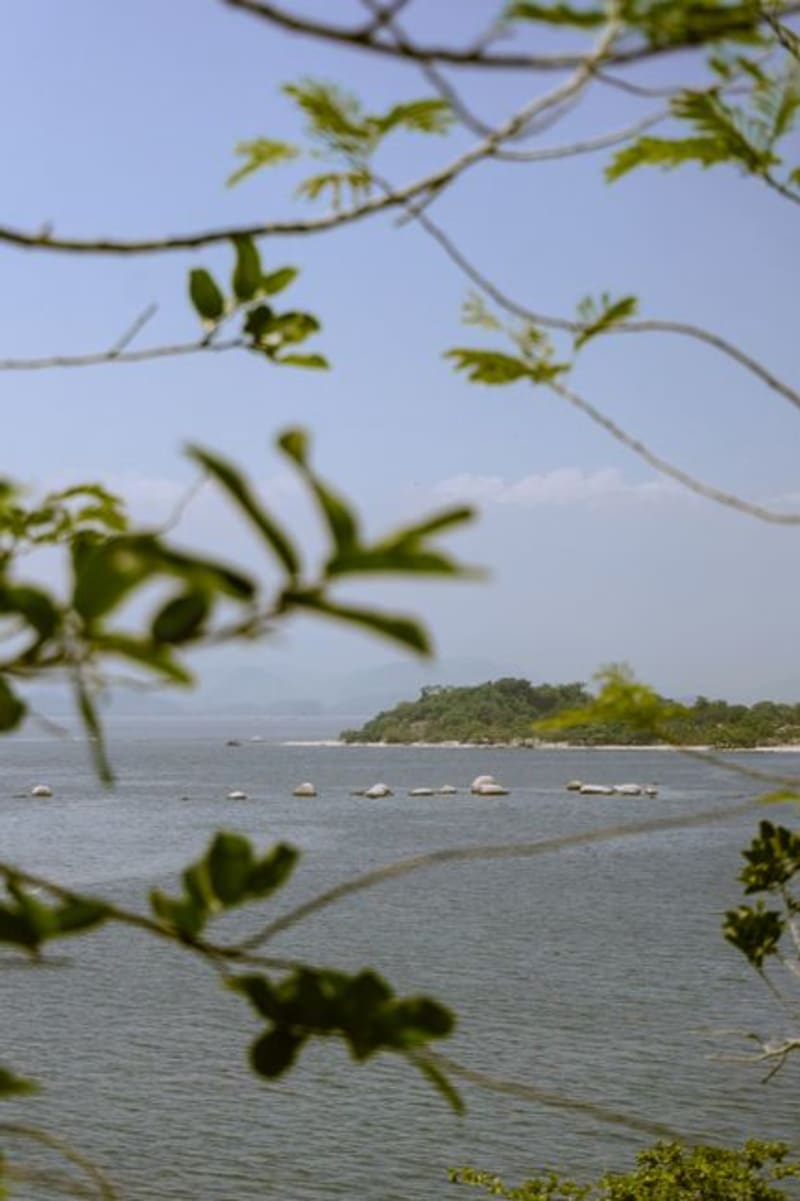
 Ilha do Cardoso
No roads, no signal, no shortage of doubt about whether the boat will actually come back for you — the wildest island I have reached on this coast.
Explore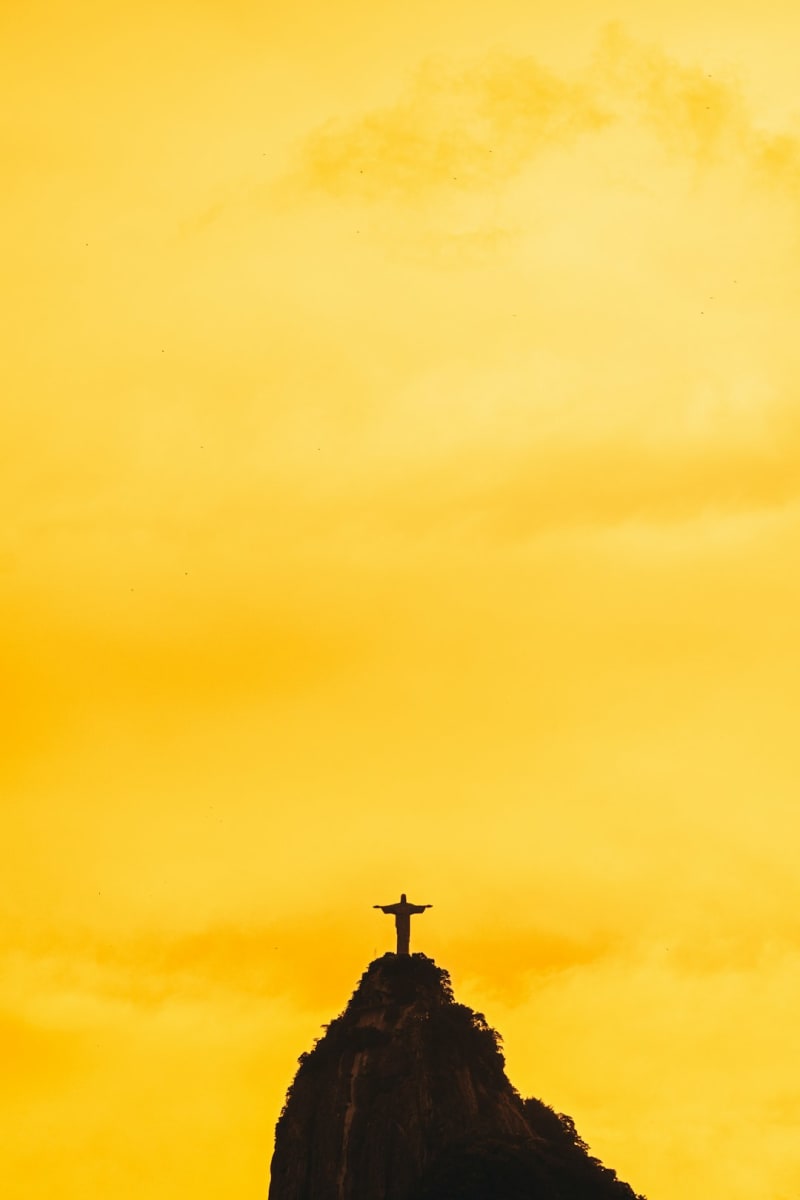 brazil
 Ilha do Mel
A car-free island off the Paraná coast where forest meets sand and the only traffic is bare feet on sandy paths.
Explore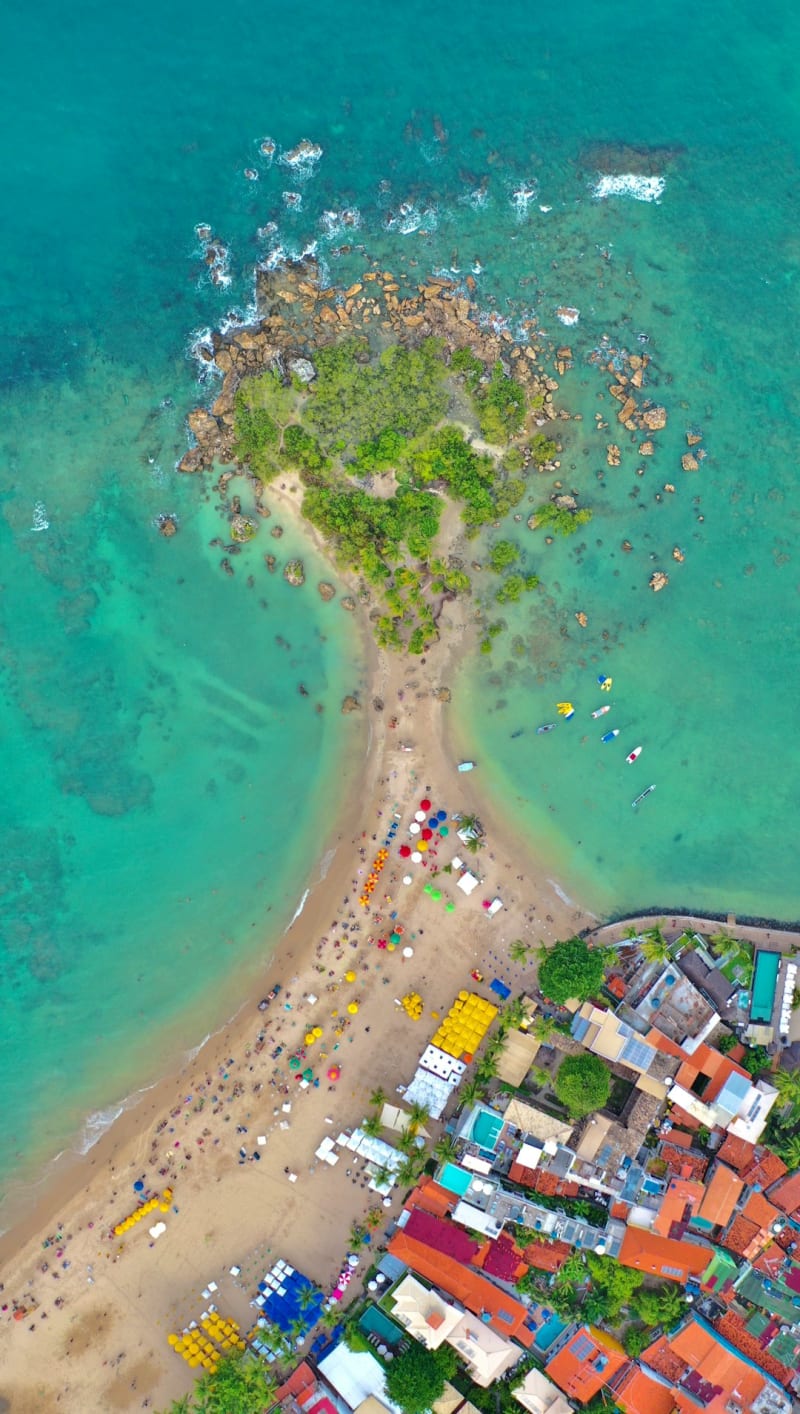 brazil
 Ilhabela
A car-choked ferry queue gives way to a sailor's island of waterfalls, empty beaches, and the best Brazilian sailing water I have found.
Explore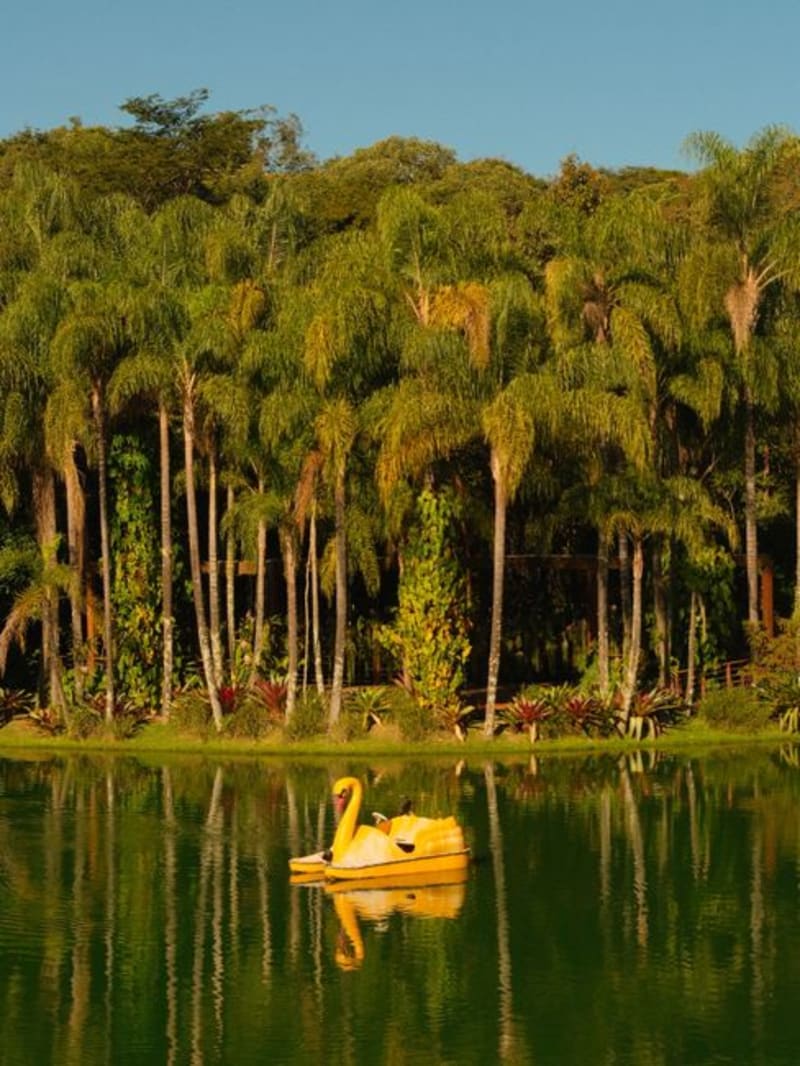 brazil
 Inhotim
An outdoor contemporary art museum the size of a small nation, scattered through botanical gardens in the hills outside Belo Horizonte.
Explore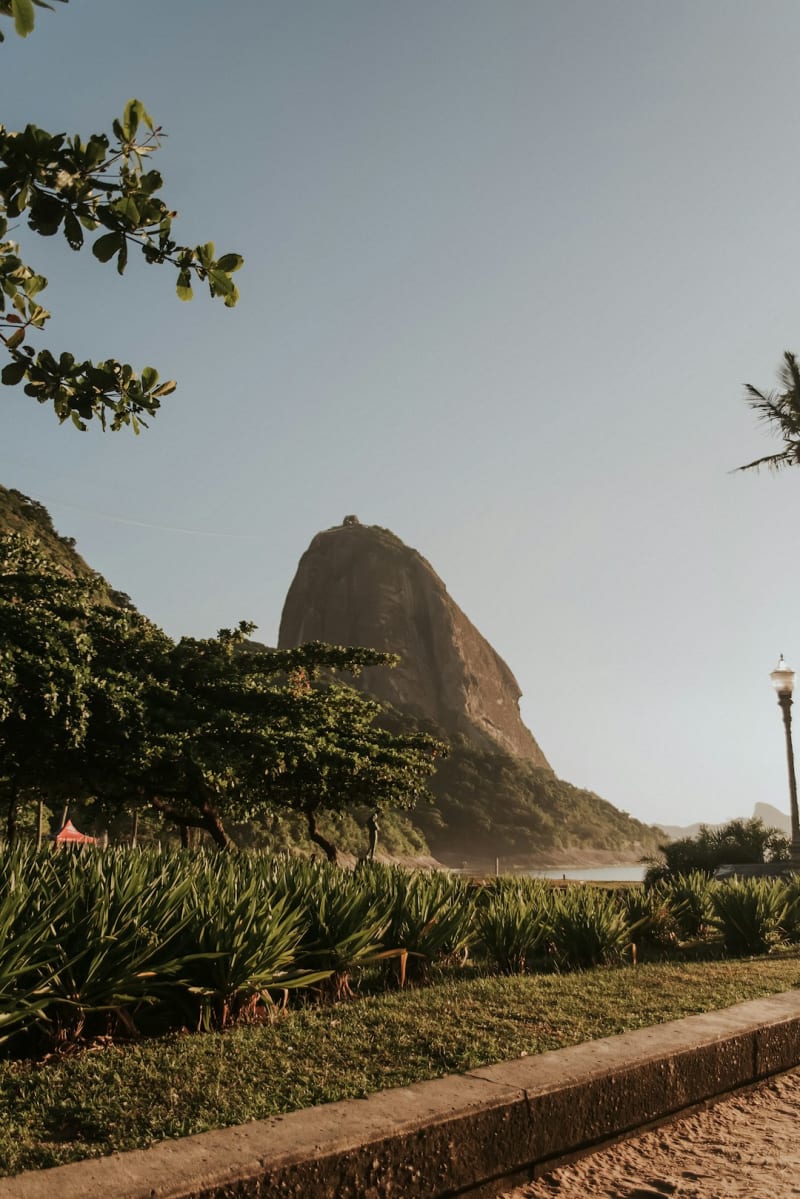 brazil
 Ipanema
The neighbourhood that gave the world a song, a beach where the sunset gets a round of applause, and a way of life built entirely around both.
Explore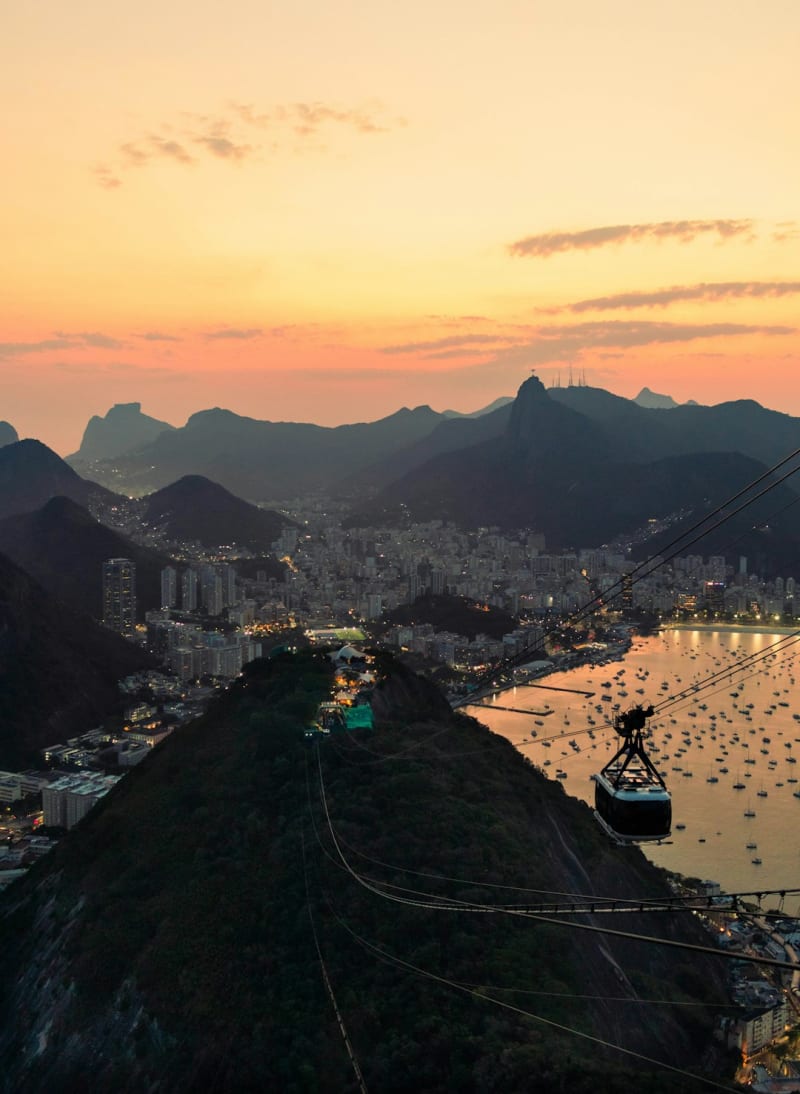 brazil
 Itacaré
A former cacao boomtown turned surf town where Atlantic rainforest runs down to the sand and a string of forest-fringed beaches replaces any need for a beach club.
Explore