Ilha de Marajó
"I rode to a police station on the back of a water buffalo. Marajó does not operate by ordinary logic."
The world's largest river-ocean island, where water buffalo outnumber cars and the Amazon delta dissolves into open sea.
Ilha de Marajó is roughly the size of Switzerland, sits at the mouth of the Amazon where the river dissolves into the Atlantic, and is patrolled — genuinely, officially — by water buffalo. I first learned this from a photo of the Soure municipal police mounted on buffalo instead of horses, assumed it was a tourist gimmick staged for cameras, and then watched it happen unprompted outside a bakery on my second morning there. The buffalo were brought over a century ago, supposedly from a shipwreck, and thrived so completely in the island’s flooded grasslands that they now outnumber the human population and function as everything from transport to dairy to, apparently, law enforcement.
Getting there from Belém is itself part of the experience — a slow ferry across water so wide it looks like open ocean, though it’s still technically the Amazon’s mouth mixing with the Atlantic tide. We landed in Soure, the island’s main town, a place of unpaved sand streets, bicycle taxis, and a slower rhythm than anywhere else I visited in Pará. Lia rented bikes for us on the first afternoon and we pedaled out past the edge of town until the road gave way to buffalo pasture stretching to the horizon, egrets picking through the grass beside them.
A fazenda visit is close to mandatory — we stayed a night at a working buffalo ranch outside Salvaterra, where the family made a buffalo mozzarella so much better than the cow’s-milk version I’d eaten in Italy that I asked to watch them make it twice. Dinner was buffalo steak, which tastes like beef’s leaner, slightly sweeter cousin, served with açaí and farinha in the way every meal in Pará seems to end up served. At dusk, the fazenda’s hand saddled up two buffalo for us to ride bareback across the property — an experience that is less romantic and more genuinely difficult to balance on than it looks in photos, and one that left me sore for two days.
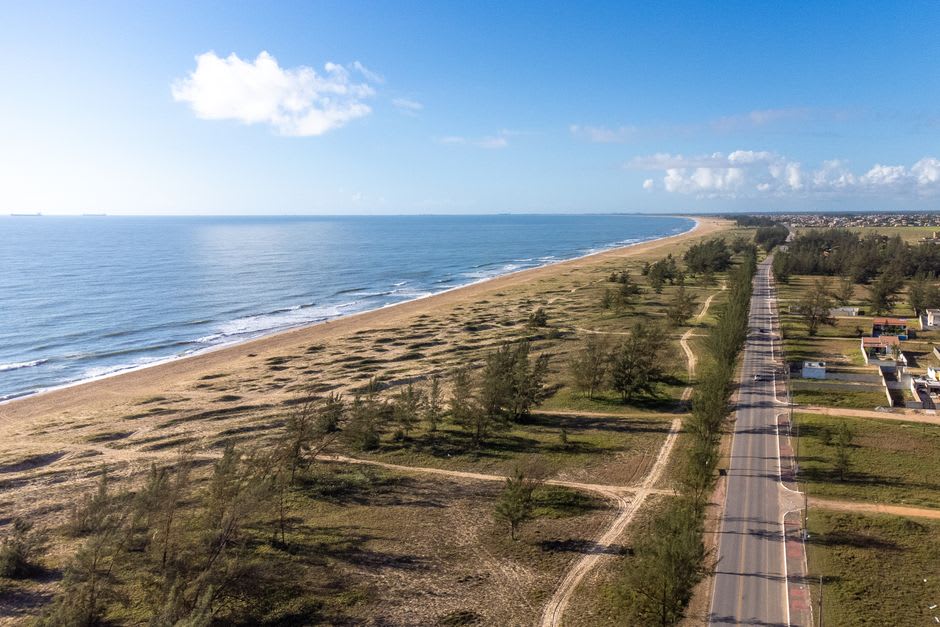
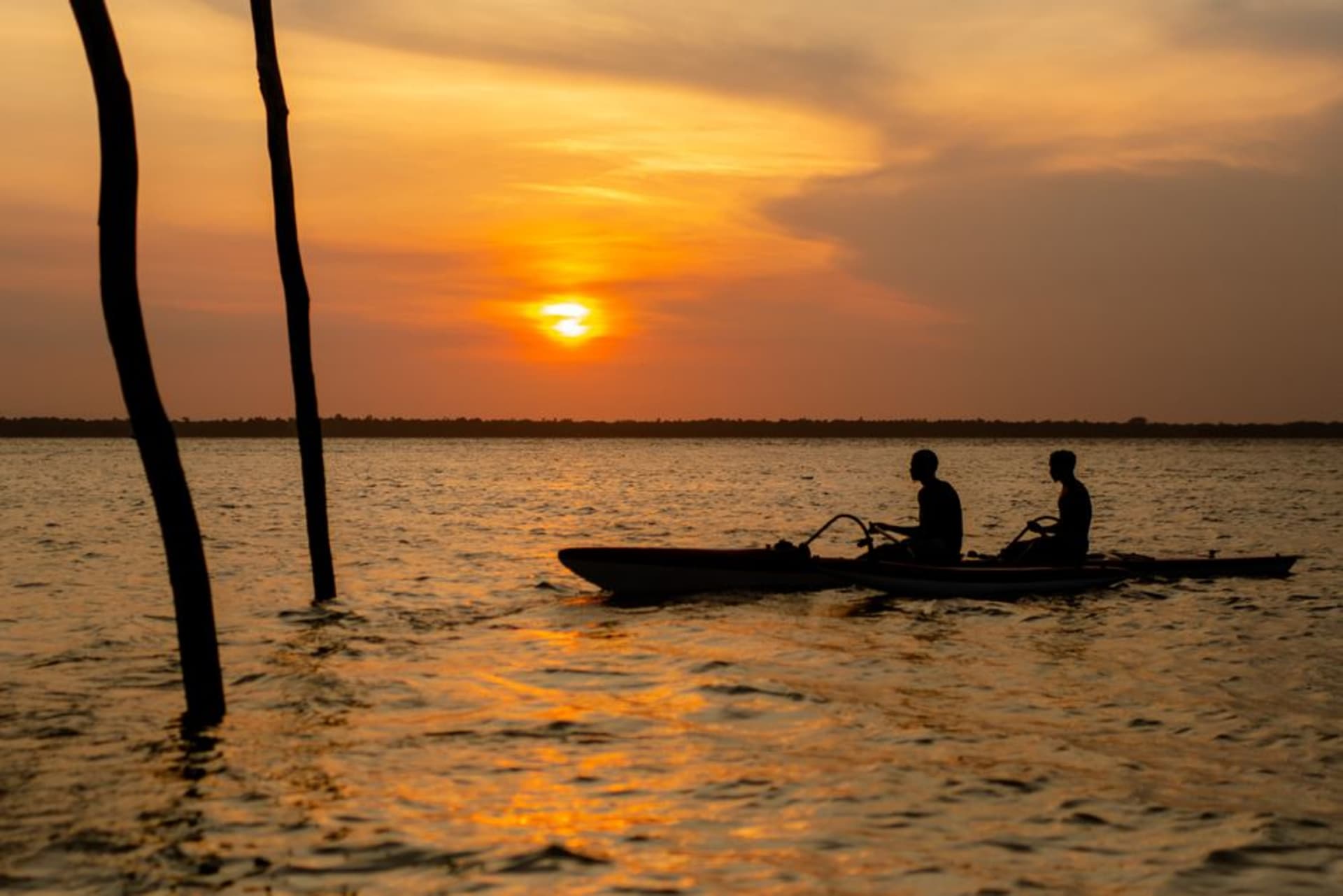
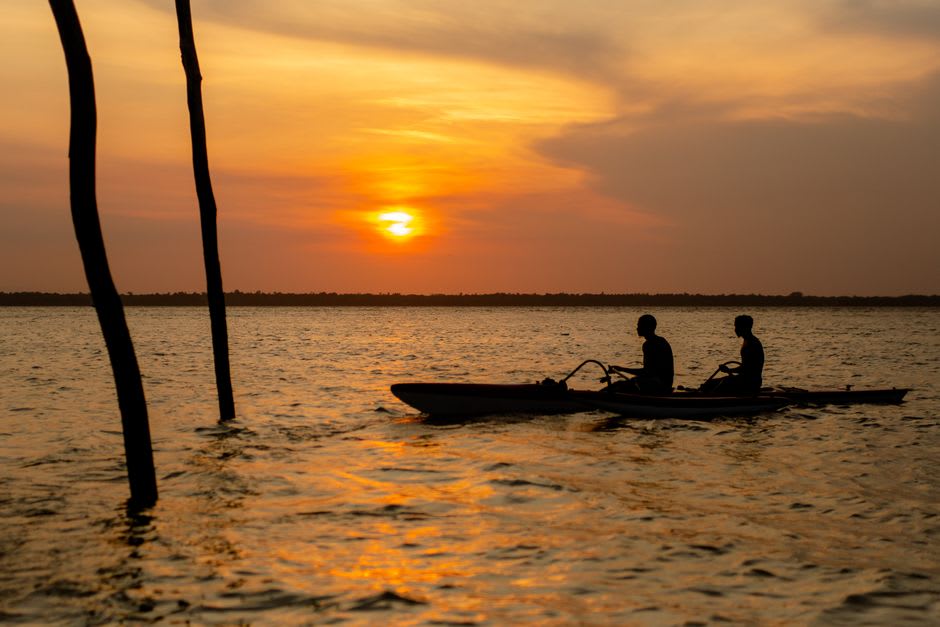
The island’s beaches, on the ocean-facing side near Salvaterra and Joanes, are wide, brown-sand, and nearly empty even in high season, backed by coconut palms and the ruins of a seventeenth-century Jesuit mission at Joanes that nobody else seemed to be visiting the afternoon we wandered through it. Marajó rewards a slow pace and low expectations of infrastructure — the roads are sand or dirt, buses are irregular, and the electricity in Soure still occasionally cuts out at night. None of that mattered once we were watching a sunset burn over open water with buffalo silhouettes grazing in the foreground.
When to go: June to November, the dry season, for passable roads and manageable mosquito levels. December to May floods much of the island’s interior, which is beautiful for boat access to the fazendas but makes overland travel difficult.