Guaramiranga
"Two hours from the hottest coastline in Ceará, Guaramiranga makes you reach for a jacket."
A cool-climate coffee town in Ceará's highlands, an unlikely two-hour detour from the coast into cloud forest, fog, and unhurried mountain villages.
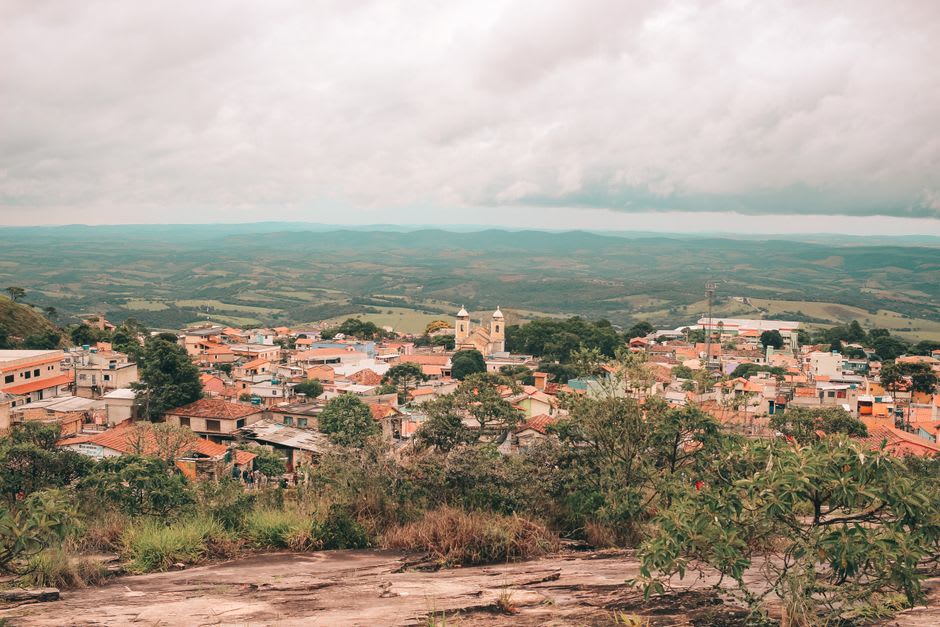
After a week and a half on the Ceará coast — sun, dunes, heat that never really let up even after dark — the drive up into the Serra de Baturité toward Guaramiranga felt like a mistake for the first twenty minutes and then, abruptly, like the smartest decision of the trip. The road climbs through increasingly dense forest, temperature dropping degree by degree, until fog started rolling across the windshield at a point where I genuinely forgot, for a moment, that we were still in the same state as the beach we’d left that morning.
A Highland Town Built on Coffee
Guaramiranga sits at close to a thousand meters, and the altitude changes everything — cooler air, cloud forest instead of dune scrub, and a small but serious coffee-growing culture that dates back over a century. We visited a family-run fazenda on the town’s outskirts where the owner, a third-generation grower named Osvaldo, walked us through rows of arabica planted in the shade of taller native trees, explaining that the altitude and the near-constant mist were exactly what made the beans here distinct from anything grown at sea level.
Fog, Forest Trails, and an Actual Fireplace
The town center itself is small and almost alpine in feel — stone-paved streets, chalet-style pousadas, a restaurant scene built around hearty mountain food that felt bizarre and wonderful after ten days of grilled fish and coconut water. We hiked a trail toward Pico Alto, the region’s high point, through cloud forest thick with bromeliads and the calls of birds we couldn’t identify, emerging periodically onto lookouts that, on a clear stretch, gave views all the way down toward the distant, hazy coastline we’d left behind.
Our pousada had an actual working fireplace, which felt almost absurd to use in a state as associated with heat as Ceará, and we sat by it that night with a bottle of local cachaça and a plate of tapioca stuffed with cheese, listening to a light rain against the roof. Lia said it was the first time in the whole trip she’d wanted a second blanket. I felt exactly the same and was relieved she said it first.
When to go: June through August for the coolest temperatures and heaviest fog, ideal for the highland atmosphere. The annual jazz and blues festival in February draws a lively crowd if you’d rather trade fog for music.
Keep exploring
More from Brazil
 brazil
 Holambra
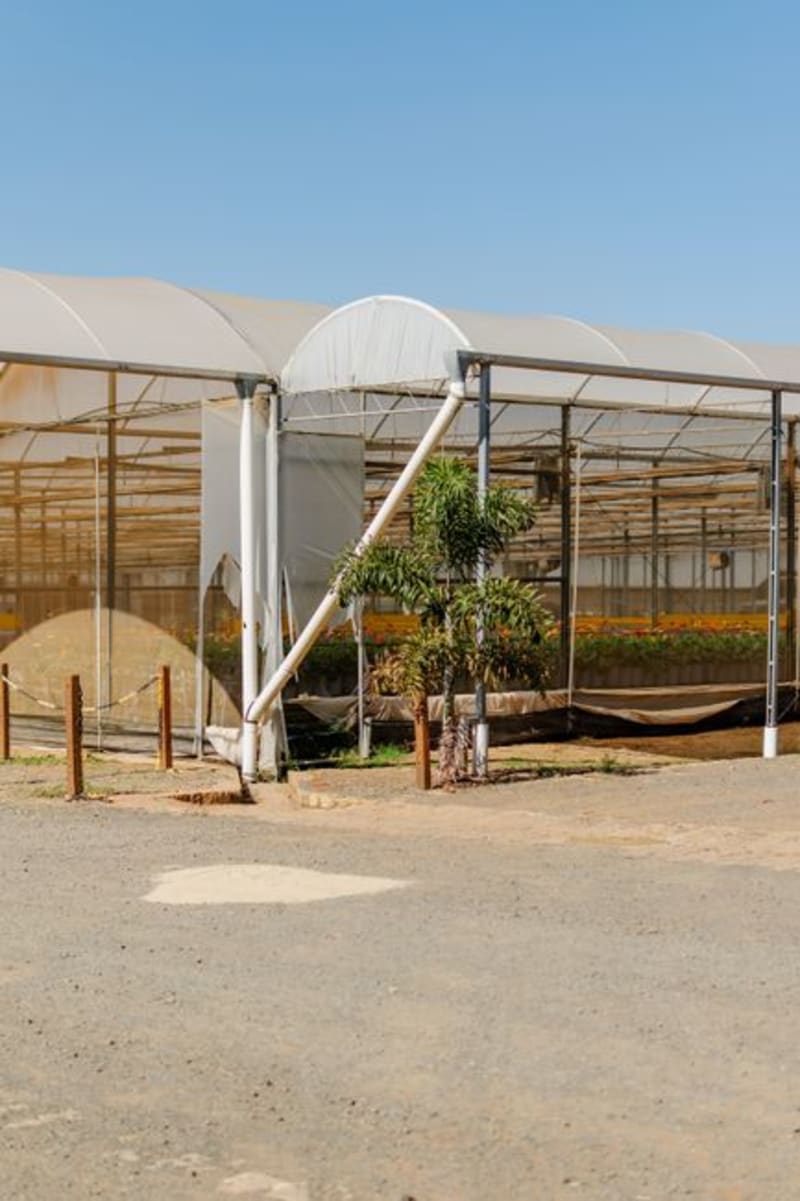
A Dutch farming town in the Brazilian interior, complete with windmills, tulip fields, and a festival I did not believe existed until I saw it.
Explore brazil
 Igarassu
The oldest town in Brazil, a quiet colonial settlement north of Recife where the first church in the country still holds mass and almost nobody visits.
Explore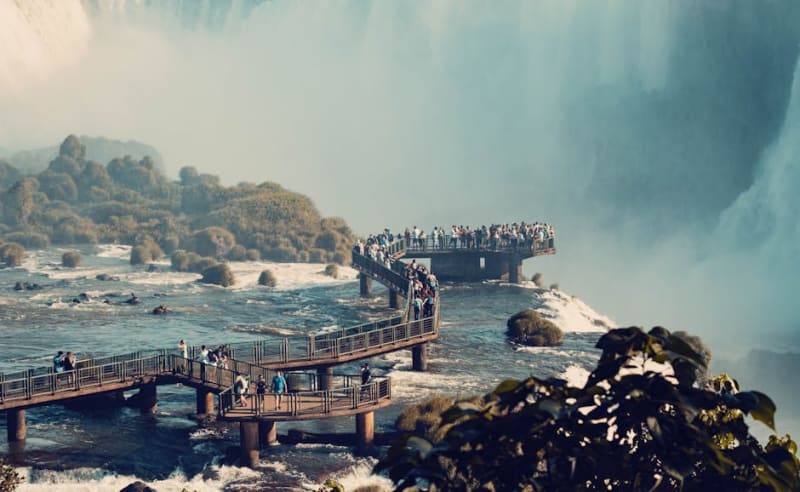 brazil
 Iguazu Falls
Two hundred and seventy-five waterfalls crashing through subtropical forest — nature's most excessive spectacle.
Explore brazil
 Ilha de Itaparica
A ferry ride from Salvador across the Bay of All Saints, Itaparica's colonial villages and mangrove-lined beaches move at a distinctly slower speed.
Explore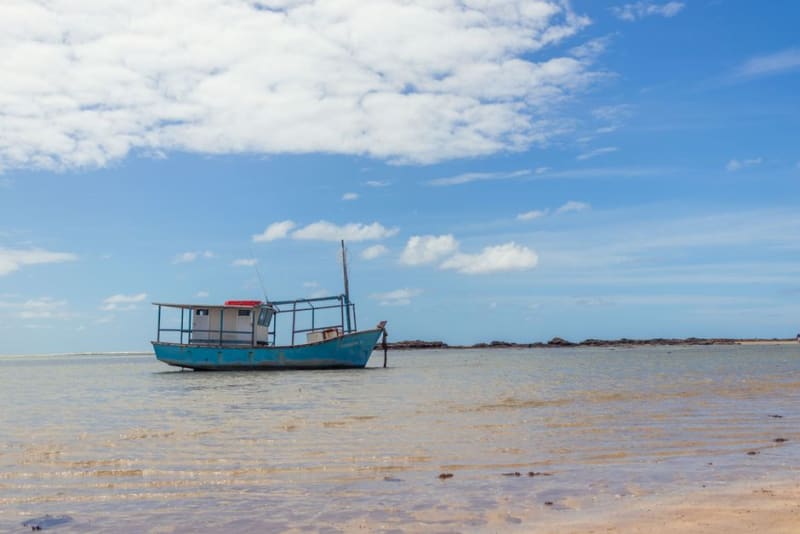 brazil
 Ilha de Marajó
The world's largest river-ocean island, where water buffalo outnumber cars and the Amazon delta dissolves into open sea.
Explore brazil
 Ilha do Bananal
The world's largest river island, split between Tocantins and Araguaia — home to the Karajá people and wildlife that rivals the Pantanal.
Explore