Gramado
"I stood in a Brazilian town wearing a scarf, drinking mulled wine, and had to remind myself I hadn't accidentally flown to Austria."
A German-alpine fantasy in the hills of Rio Grande do Sul, where chocolate shops, chimneys, and Christmas lights turn the calendar upside down.
Lia found Gramado on a map almost by accident — we were planning a São Paulo trip and she noticed a town in the far south that looked, in every photo, unmistakably Bavarian. “That can’t be Brazil,” she said. It is, and it disorients you in the best way. Half-timbered facades, steep gabled roofs, hydrangeas lining the streets, and an air so cool and dry it feels imported from another continent entirely — because in a sense, it was. German and Italian immigrants settled these hills in the nineteenth century and never quite let go of home.
The town leans into the aesthetic hard, and I mean that as praise, not criticism. Rua Coberta, the covered pedestrian street downtown, is lined with chocolate shops selling truffles the size of golf balls, and I watched grown adults debate for ten minutes over which brand made the superior bonbon. Mini Mundo is a miniature-village park built at 1:24 scale, which sounds like a tourist trap and somehow isn’t — the detail is genuinely obsessive, right down to tiny working trains.
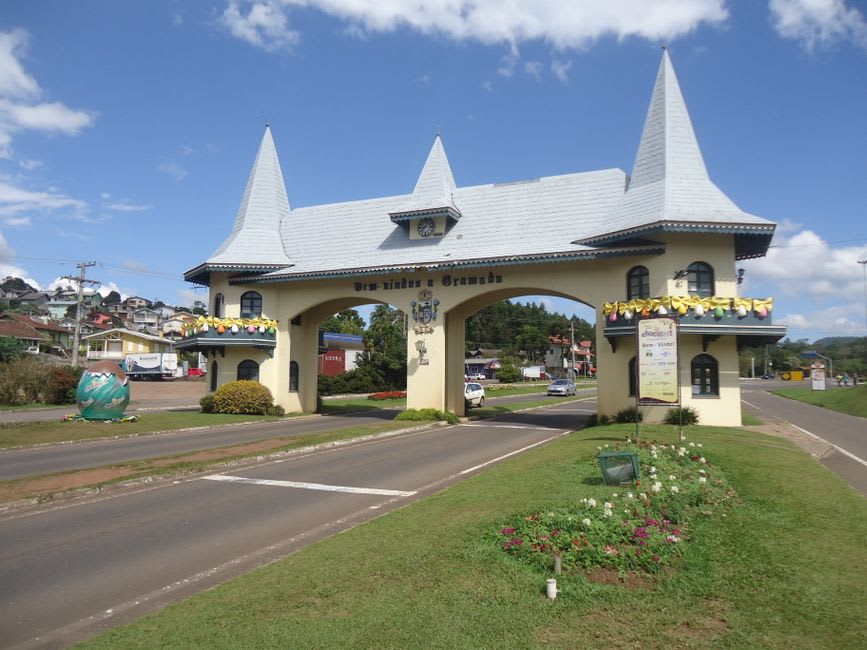
We came in December, which turned out to be the only correct decision. Natal Luz, Gramado’s Christmas Lights festival, runs from late October through January and is, without exaggeration, one of the biggest light displays in the Southern Hemisphere. The whole town commits — carolers in period costume, a nightly parade, an entire lake choreographed with fountains and fireworks. Lia cried a little at the opening ceremony, and she is not a person who cries at ceremonies. It is kitsch, unapologetically, but kitsch executed with total sincerity has its own kind of power.
Lago Negro, the black lake ringed by araucaria pines, is the quieter counterpoint — a slow paddleboat ride at golden hour, with the water dark enough to mirror the whole canopy. We ate fondue that night at a restaurant clearly built for exactly this ritual: cheese first, then chocolate, a whole evening organized around melted things. It felt like the town’s entire philosophy in a single meal — comfort, warmth, and a refusal to rush.
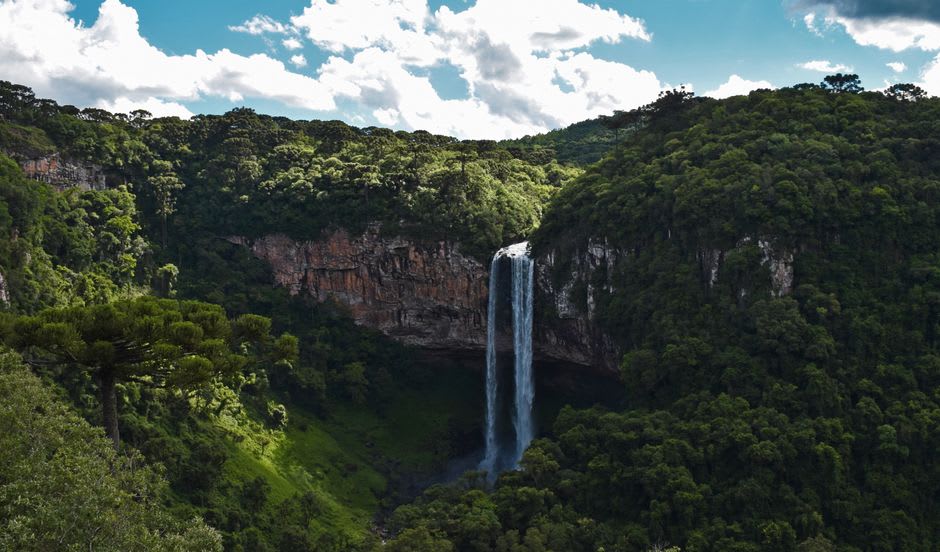
When to go: June to August for genuine alpine cold and the Gramado Winter Festival mood. Late October to January for Natal Luz, when the town is at its most magical but also its most crowded — book accommodation months ahead.
Keep exploring
More from Brazil
 brazil
 Guaramiranga
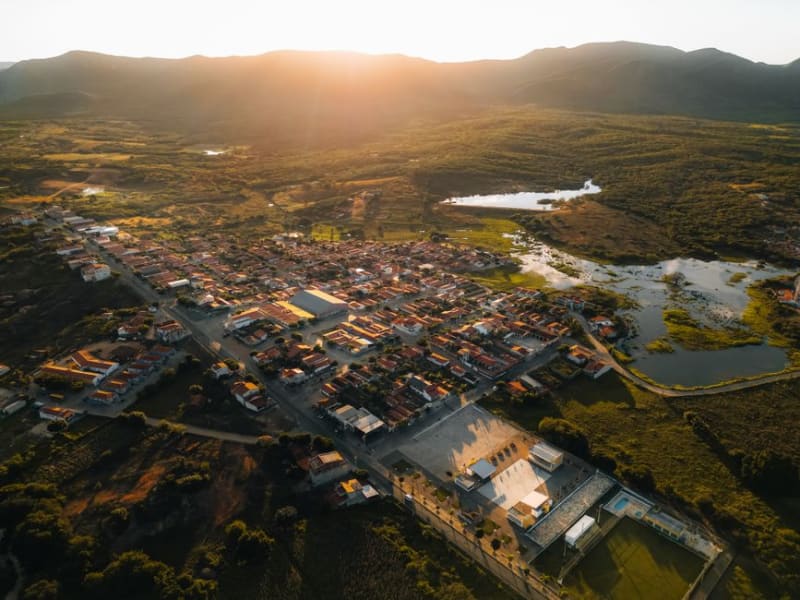
A cool-climate coffee town in Ceará's highlands, an unlikely two-hour detour from the coast into cloud forest, fog, and unhurried mountain villages.
Explore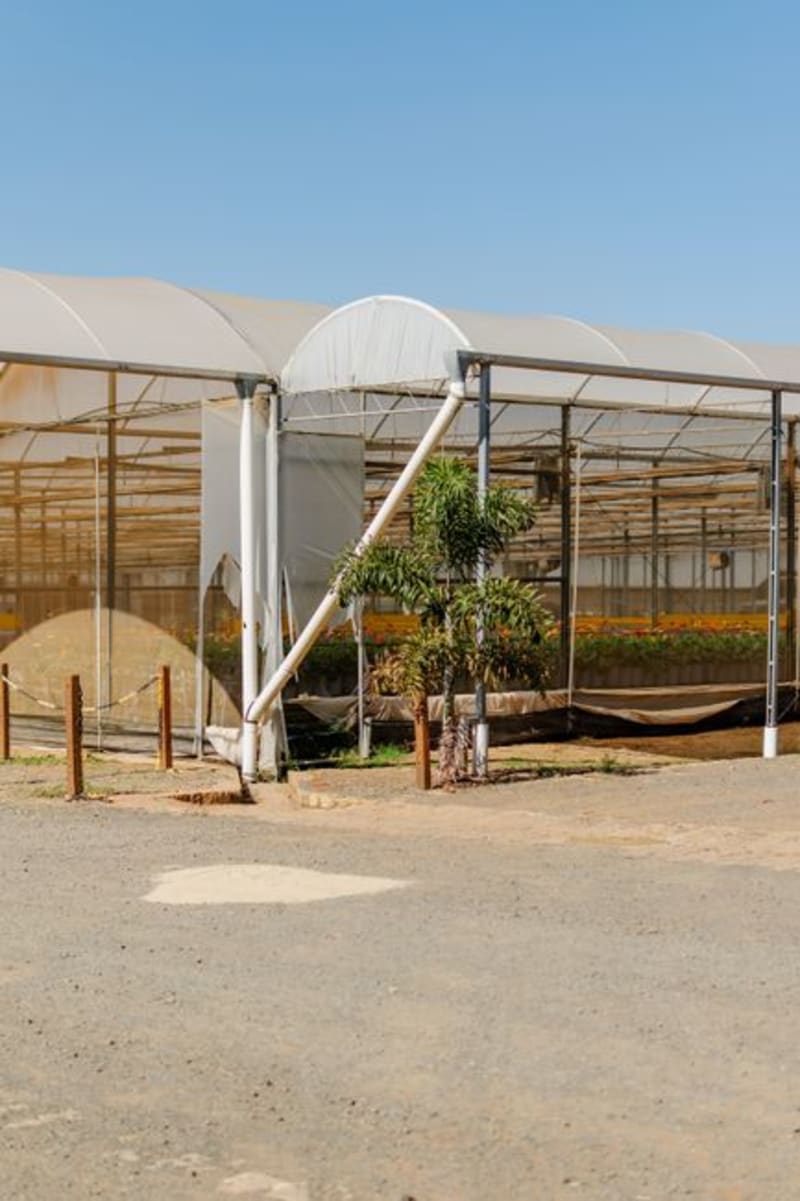 brazil
 Holambra
A Dutch farming town in the Brazilian interior, complete with windmills, tulip fields, and a festival I did not believe existed until I saw it.
Explore brazil
 Igarassu
The oldest town in Brazil, a quiet colonial settlement north of Recife where the first church in the country still holds mass and almost nobody visits.
Explore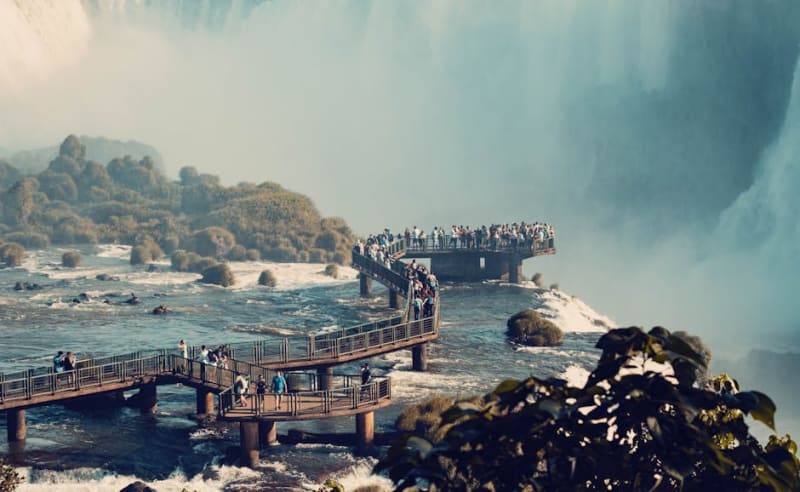 brazil
 Iguazu Falls
Two hundred and seventy-five waterfalls crashing through subtropical forest — nature's most excessive spectacle.
Explore brazil
 Ilha de Itaparica
A ferry ride from Salvador across the Bay of All Saints, Itaparica's colonial villages and mangrove-lined beaches move at a distinctly slower speed.
Explore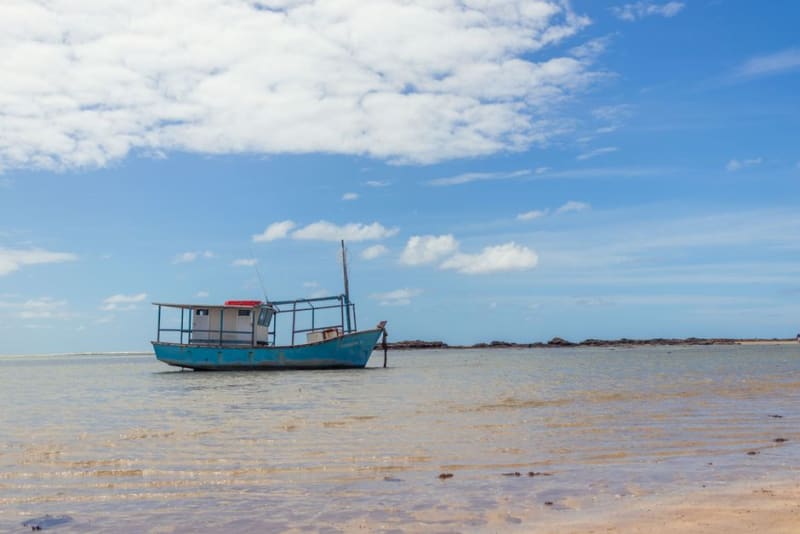 brazil
 Ilha de Marajó
The world's largest river-ocean island, where water buffalo outnumber cars and the Amazon delta dissolves into open sea.
Explore