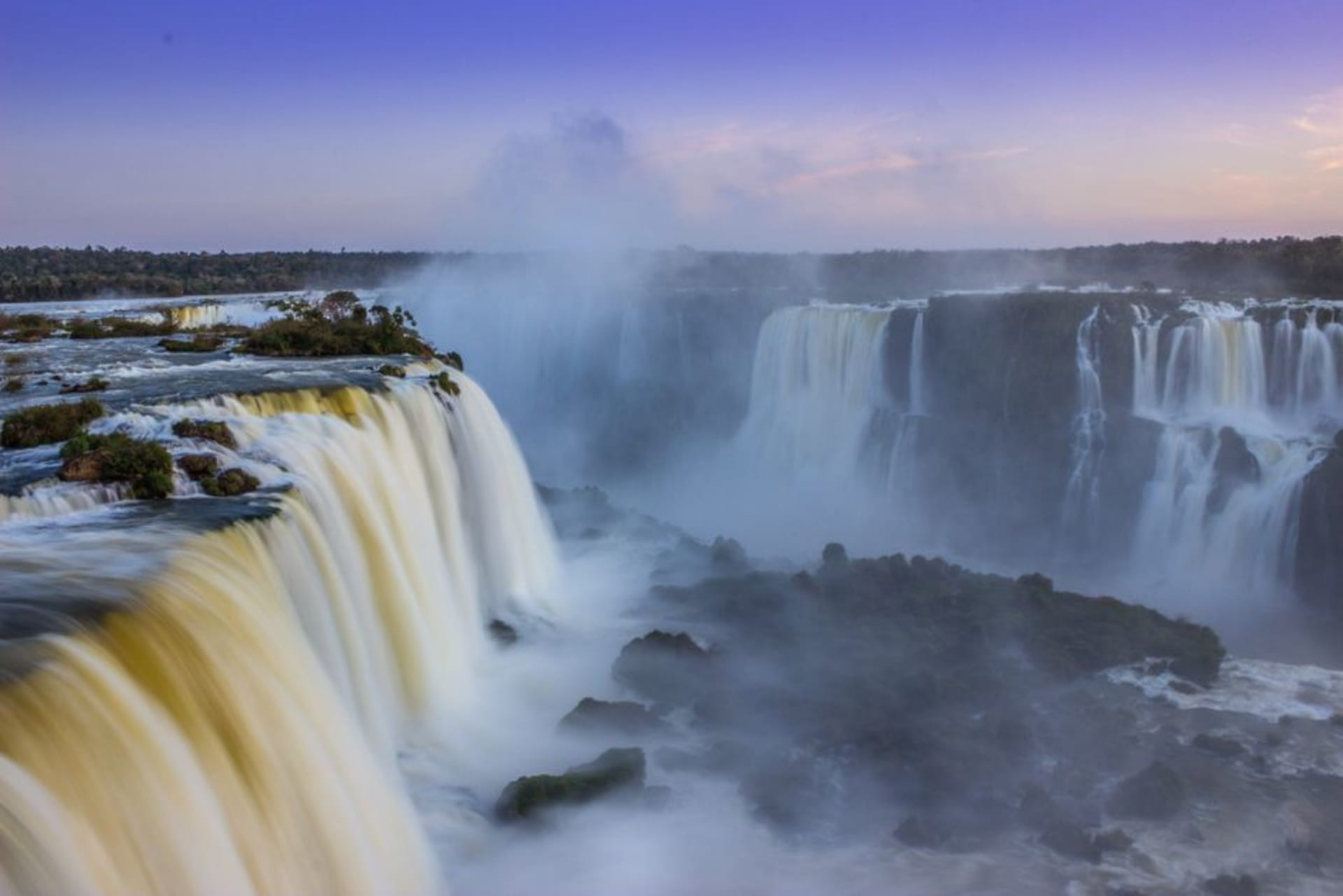
Foz do Iguaçu (Town)
"I booked one night in Foz to see the falls and stayed four, for reasons that had nothing to do with waterfalls at all."
The tri-border city that exists to serve the falls next door, and turns out to have its own reasons for a longer stay.
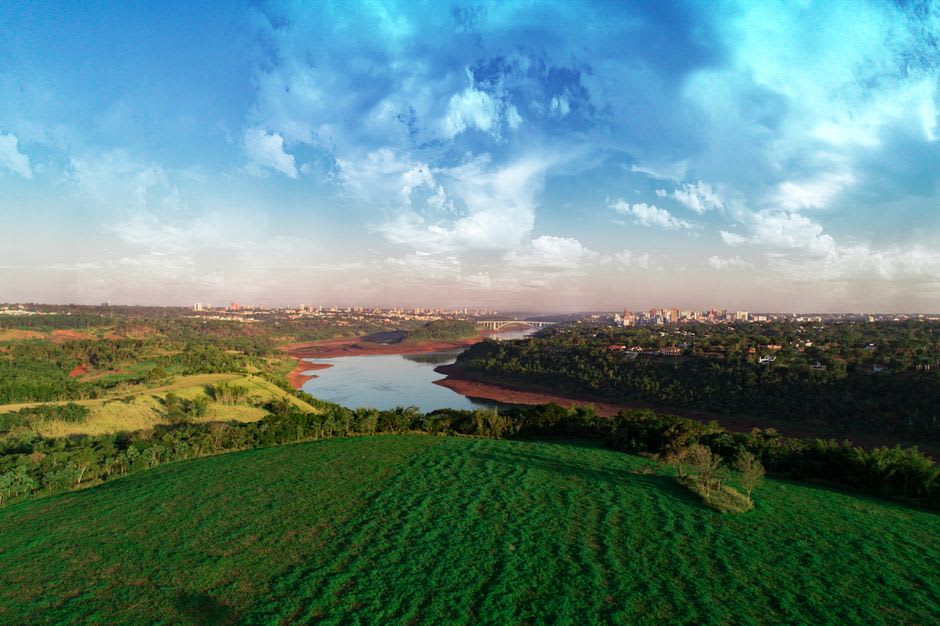
Most people treat Foz do Iguaçu as a logistics problem to solve on the way to the falls — book the closest hotel, see the water, leave the next morning. I did exactly that on my first visit and missed a genuinely strange and interesting border city sitting right there the whole time, wedged between Brazil, Argentina, and Paraguay at a point where you can stand in one country and see two others across the water.
The Marco das Três Fronteiras, a small obelisk-topped plaza on the riverbank, marks the exact meeting point of the three nations, and there’s something quietly absurd and moving about standing there at sunset with the Paraná and Iguaçu rivers merging below you, flags of three countries visible at once. It’s a favourite spot for locals to just sit with a beer and watch the light change, and I did the same, feeling like I’d stumbled onto the most understated great view in South America.
The city itself carries a genuine multicultural charge from decades of cross-border trade — the Templo Budista Chen Tien, one of the largest Buddhist temples in Latin America, sits incongruously amid the suburbs, built by the region’s substantial Chinese-Brazilian community, its red and gold pagoda roofline visible above the treeline from blocks away. Nearby, the Mesquita Omar Ibn Al-Khattab serves the tri-border area’s Lebanese and Syrian population, a reminder that this is one of the most ethnically layered corners of Brazil, shaped as much by Ciudad del Este’s duty-free trade across the river as by anything happening at the falls.
Dinner in Foz leans heavily on that cross-border identity — I ate the best kibbeh of my life at a family-run Lebanese restaurant a few blocks from my hotel, followed the next night by a proper churrascaria, and neither felt out of place. The Itaipu Dam, one of the largest hydroelectric plants on the planet, sits just north of town and offers night-lit visits that are, unexpectedly, almost as visually dramatic as the falls themselves — floodlit concrete on a scale that makes you feel genuinely small.
When to go: Year-round, though April to June and September to November bring the most comfortable temperatures for the city itself, alongside the best conditions for the falls next door.
Keep exploring
More from Brazil
 brazil
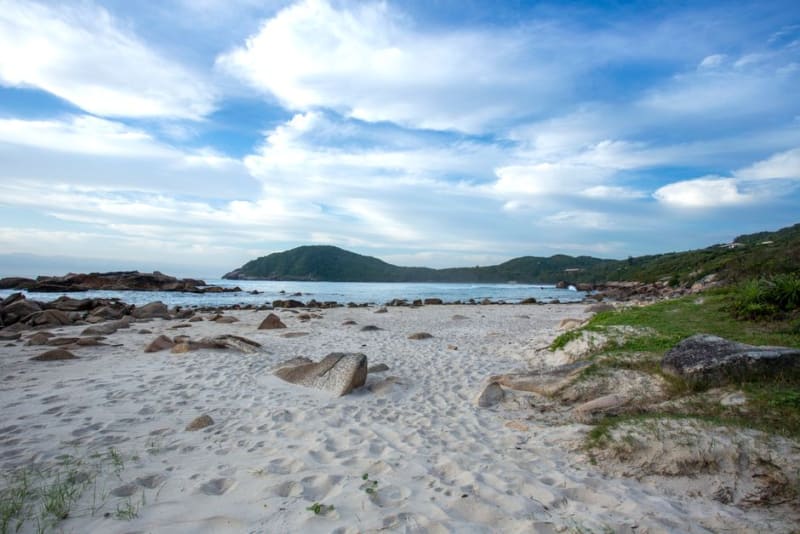
 Garopaba
A former whaling town turned Santa Catarina surf hub, quieter and more local than its famous neighbor Praia do Rosa.
Explore brazil
 Genipabu
A wall of towering dunes just north of Natal, where buggies race the ridgelines and camels wait at the bottom for a photo that everyone takes anyway.
Explore brazil
 Goiânia
Goiás' art deco planned capital — leafy, underrated, and one of Brazil's most livable mid-sized cities.
Explore brazil
 Gramado
A German-alpine fantasy in the hills of Rio Grande do Sul, where chocolate shops, chimneys, and Christmas lights turn the calendar upside down.
Explore brazil
 Guaramiranga
A cool-climate coffee town in Ceará's highlands, an unlikely two-hour detour from the coast into cloud forest, fog, and unhurried mountain villages.
Explore brazil
 Holambra
A Dutch farming town in the Brazilian interior, complete with windmills, tulip fields, and a festival I did not believe existed until I saw it.
Explore