Curitiba
"Curitiba is the only Brazilian city where I found myself getting genuinely excited about a bus system."
Brazil's model city — a masterclass in urban planning, a glass botanical garden, and proof that a capital doesn't need a beach to be worth the trip.
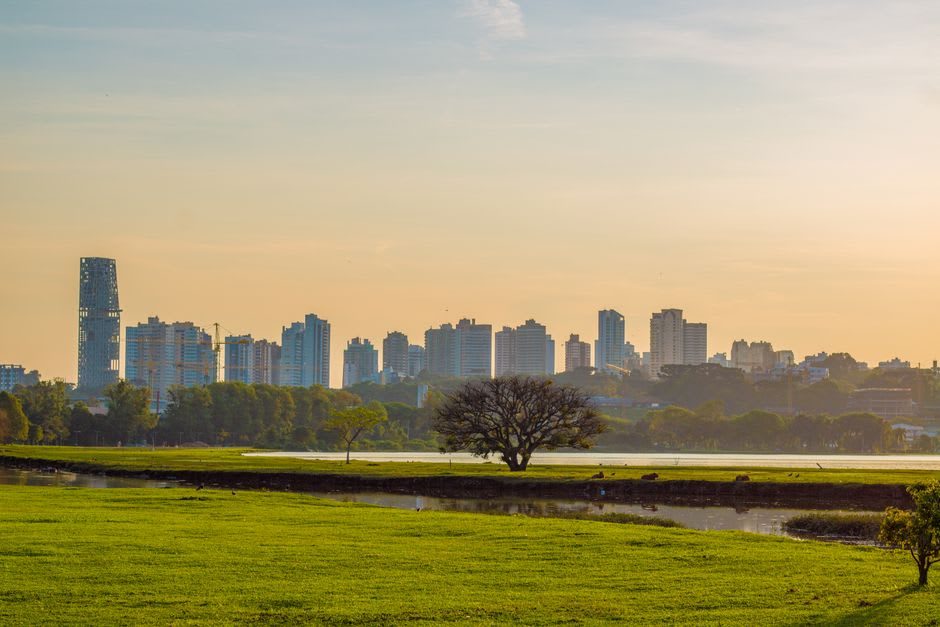
I’ll admit the premise sounded thin before I arrived: a Brazilian capital famous, above almost anything else, for its urban planning. No beach, no carnival reputation, no obvious postcard. And yet Curitiba turned out to be one of the trips I recommend most often to friends who tell me they’ve “done” Brazil already, because it shows you a completely different register of the country — orderly, green, quietly confident, built by architects and mayors rather than tourism boards.
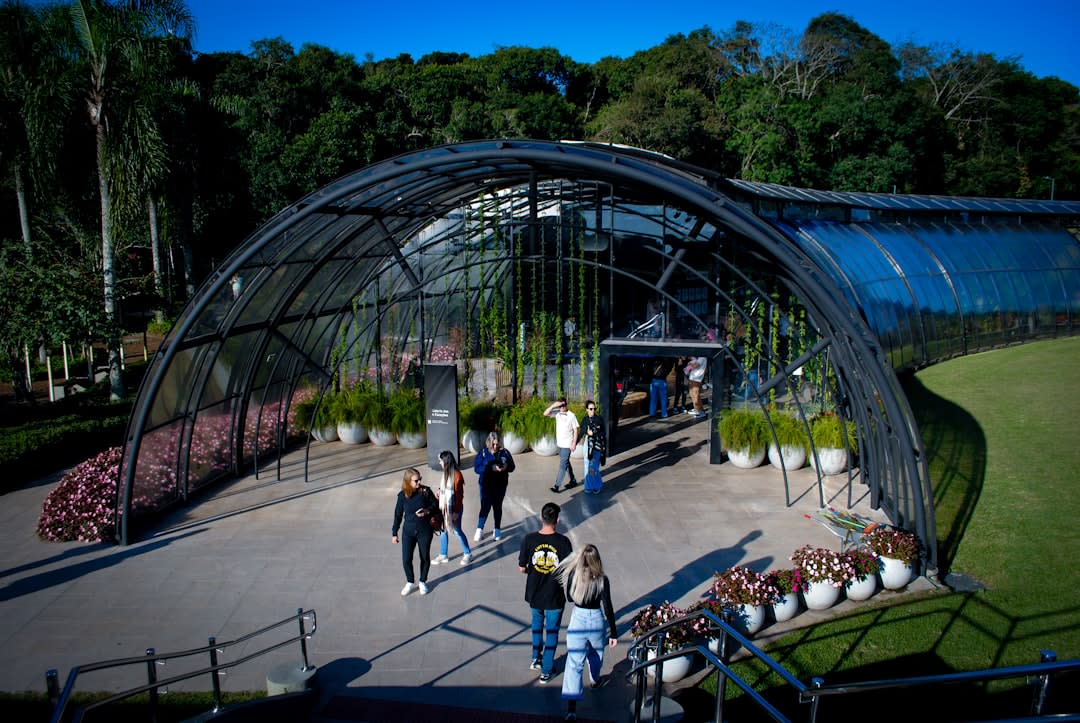
The Jardim Botânico is the emblem of the city, and rightly so — a French-style formal garden leading up to a greenhouse conservatory of curved glass and steel that looks like a cathedral built for plants. I went at opening time on a weekday and had the central walkway almost entirely to myself, morning light coming through the glass at an angle that made the whole structure glow. It’s the kind of civic building that makes you wonder why every city doesn’t bother.
Curitiba’s real innovation, though, is invisible to most visitors until someone explains it: the Rede Integrada de Transporte, the tubular bus-rapid-transit system that other cities have studied and copied for decades. The glass tube stations with pre-paid boarding and level entry look almost futuristic for something designed in the 1970s. I rode the whole loop one afternoon just to see the city unfold — Art Deco downtown blocks giving way to leafy residential districts, then industrial edges, then back again.
Largo da Ordem, the historic centre’s cobblestone quarter, is where the city relaxes — colonial buildings now housing bars and craft breweries, a Sunday antiques fair, and the Museu Oscar Niemeyer, a striking eye-shaped building (locals call it “the Eye Museum”) that houses one of the country’s best contemporary art collections. Lia and I spent an entire rainy afternoon inside it, grateful for once that the weather had made the decision for us.
When to go: September to November and March to May for mild, dry weather — Curitiba sits at altitude and gets genuinely cold in winter (June–August), colder than most people expect from Brazil.