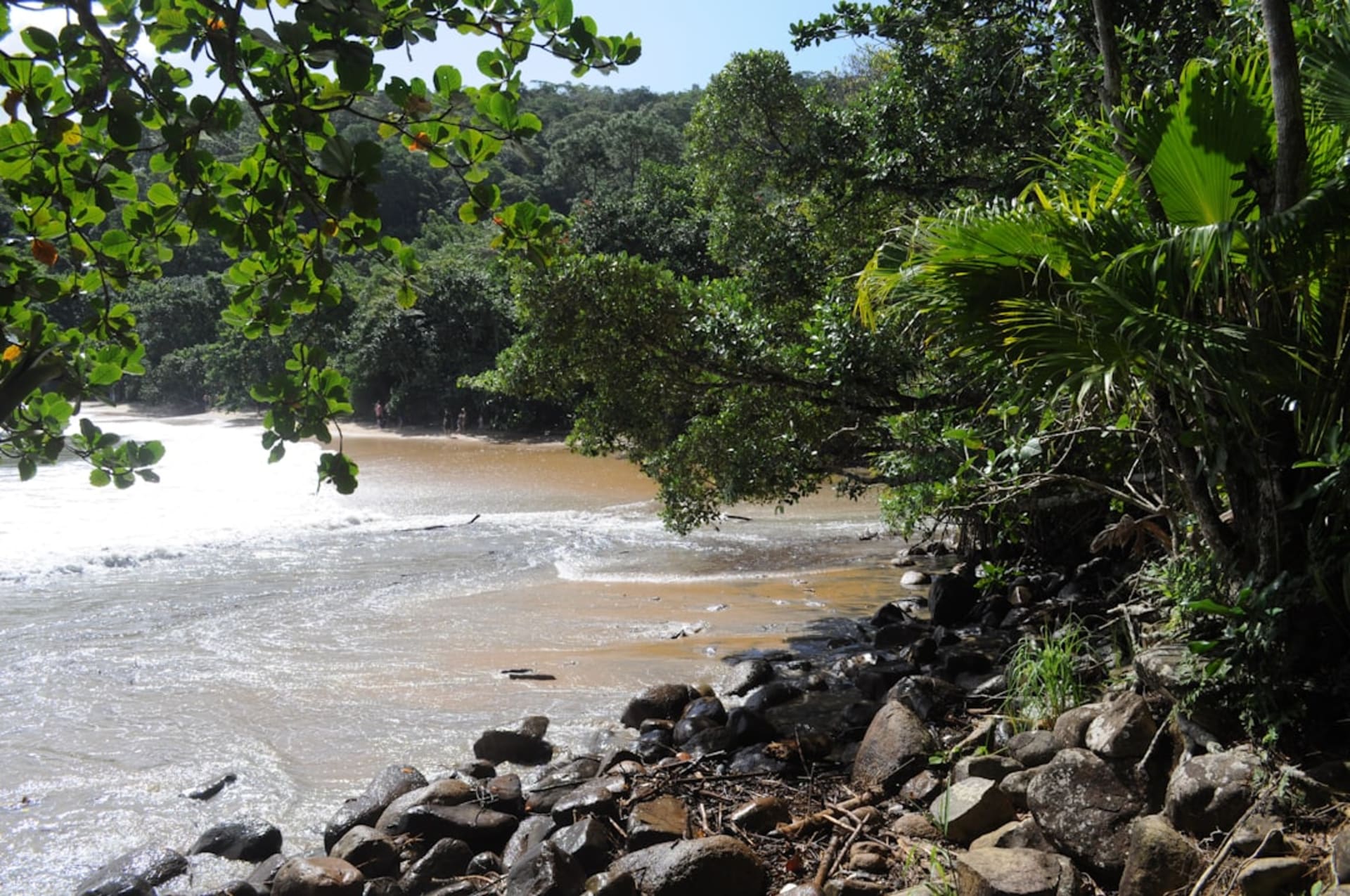
Mato Grosso's sweltering capital, and the launch point for the Transpantaneira and the northern Pantanal's jaguar country.
Cuiabá holds two records I think about often: it’s the geographic center of South America (a title it disputes with Campo Grande, and neither city seems willing to concede) and one of the hottest state capitals on the continent, with October temperatures that regularly break 40°C. I landed there at 1am on my second Brazil trip and still felt the heat hit me like a wall walking off the jet bridge. Nobody comes to Cuiabá for Cuiabá. They come because it’s the only sane launch point for the northern Pantanal, and within a day you’ll understand why the city has organized its entire personality around getting you somewhere else efficiently.
The Old Center, Briefly
The Praça da República and the surrounding colonial streets are worth an afternoon before you head out — the cathedral, the mercado, a scattering of low buildings that survived the mid-century modernization boom that flattened much of the rest of downtown. I wouldn’t build an itinerary around it, but between flights or before an early departure to the Transpantaneira, it’s a pleasant enough way to spend a few hours, particularly around sunset when the heat finally breaks and the praça fills with people who’ve been waiting inside all day.
Where It Actually Starts to Matter
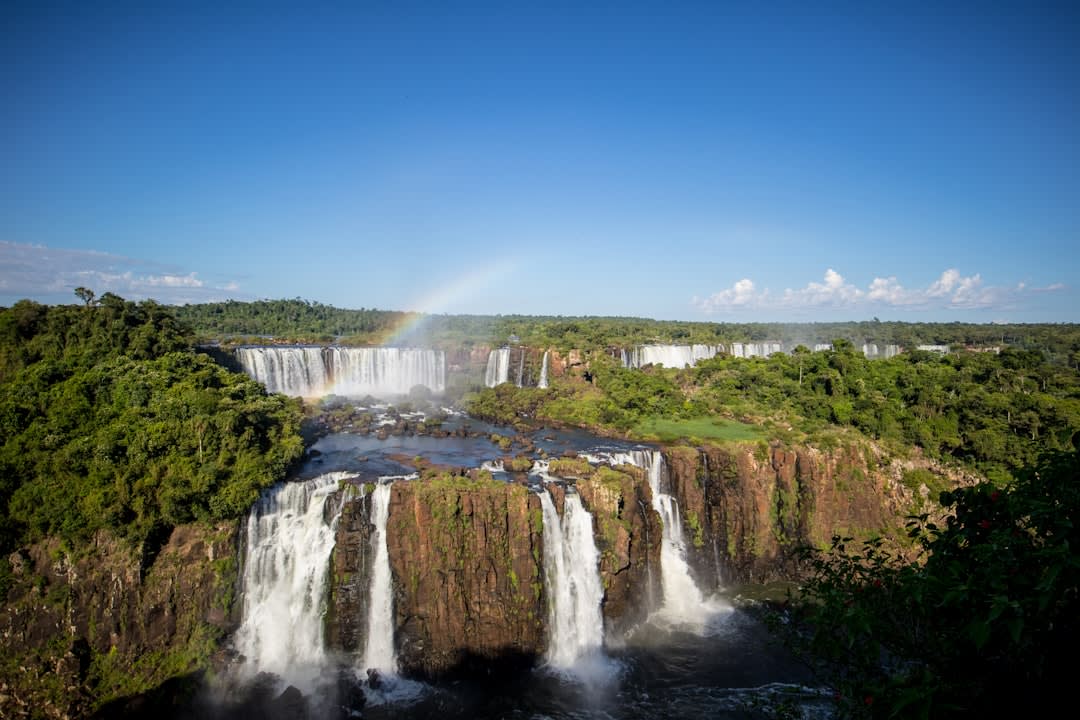
The real reason to be in Cuiabá is what begins about an hour south: the top of the Transpantaneira, the raised dirt road that runs 147 kilometers into the wetlands toward Porto Jofre, jaguar territory, and some of the most productive wildlife lodges in South America. Every serious Pantanal operator stages out of Cuiabá, and the logistics of getting gear, cash, and supplies sorted here before disappearing into the wetland for four or five days is part of the ritual. I remember stocking up on insect repellent and cash at a Cuiabá pharmacy the morning we left, aware it was the last real shop we’d see until we came back out.
Chapada Close By
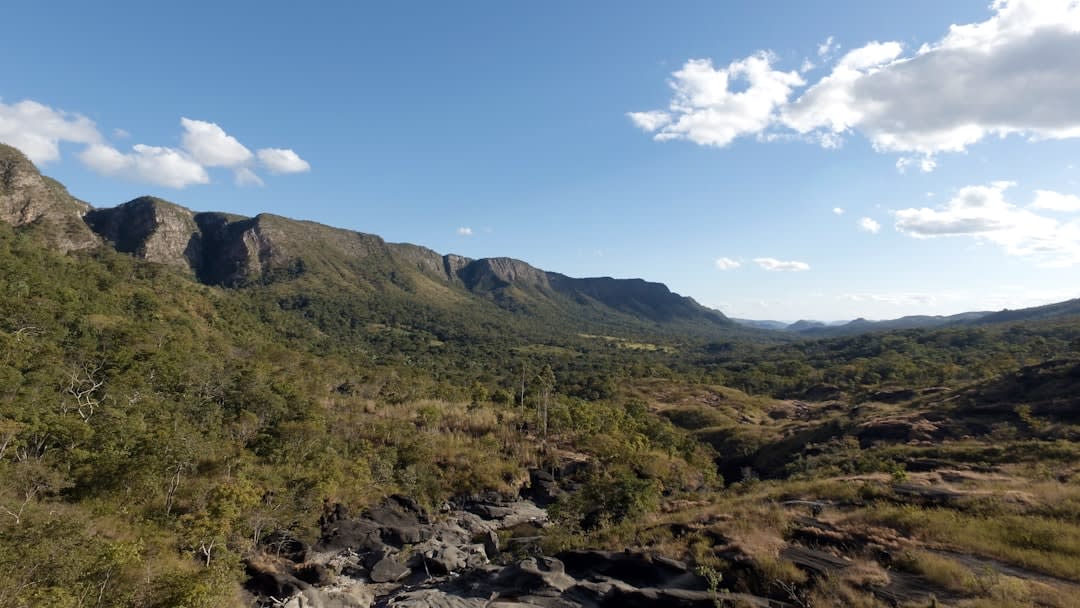
Cuiabá’s other advantage is proximity — Chapada dos Guimarães, with its canyons and waterfalls, sits less than an hour away, which means you can pair a Pantanal trip with a completely different landscape without adding a flight. Several travelers I met used Cuiabá as a hub for both, splitting a week between wetland and plateau, and the logic holds up: it’s rare to have two such distinct ecosystems within striking distance of the same unglamorous airport city.
When to go: June through September for the dry season and peak jaguar tracking further into the Pantanal — also, marginally, the least brutal months to be in Cuiabá itself. Avoid October if you can; it’s the hottest and driest stretch before the rains break.