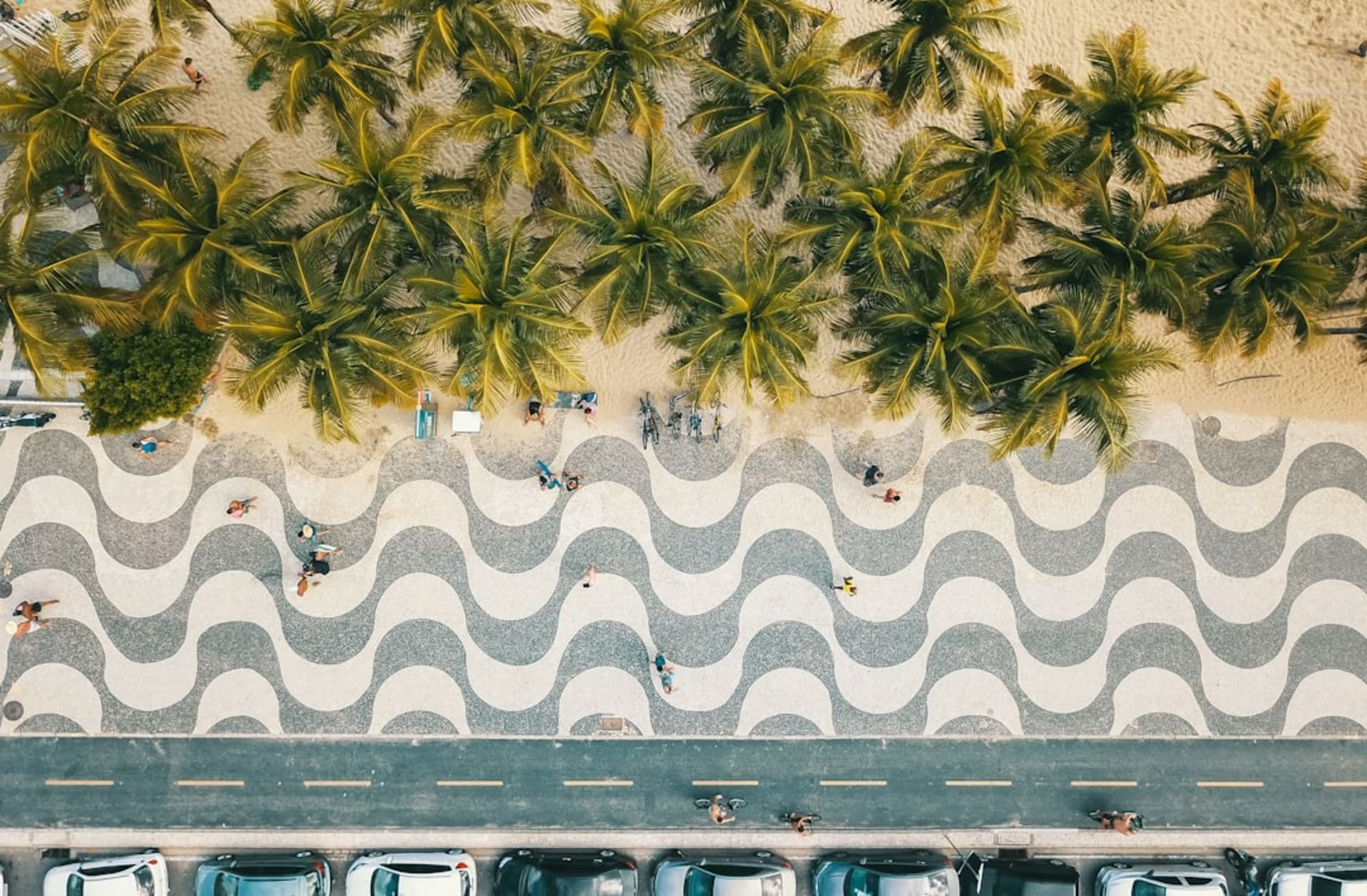
Copacabana
"Copacabana doesn't need your admiration. It has had two centuries of it already and will keep going without you."
The most famous curve of sand on the planet, where four kilometres of wave-pattern promenade hold a whole city's social life and, once a year, two million fireworks watchers.
Copacabana is the beach that taught the rest of the world what a beach could be, and it carries that reputation the way an old celebrity carries fame — a little worn at the edges, slightly overexposed, but genuinely, historically deserving of it. The four-kilometre crescent of sand, backed by a wall of Art Deco and mid-century towers and fronted by the black-and-white wave-mosaic promenade, is one of the few places on earth that looks exactly like its postcards and somehow still manages to surprise you in person.
What surprised me was the scale of daily life happening on it. Copacabana’s beach is not a resort amenity, it is civic infrastructure. At six in the morning, before the sun has any real strength, the sand already holds joggers, a small army practicing tai chi in loose formation, and vendors setting up kiosks that will sell coconut water and grilled cheese for the next fourteen hours straight. By ten, the volleyball and futevôlei courts are full of players good enough to make the sport look easy, which it emphatically is not — I tried it once, badly, to the visible amusement of a group of teenagers.
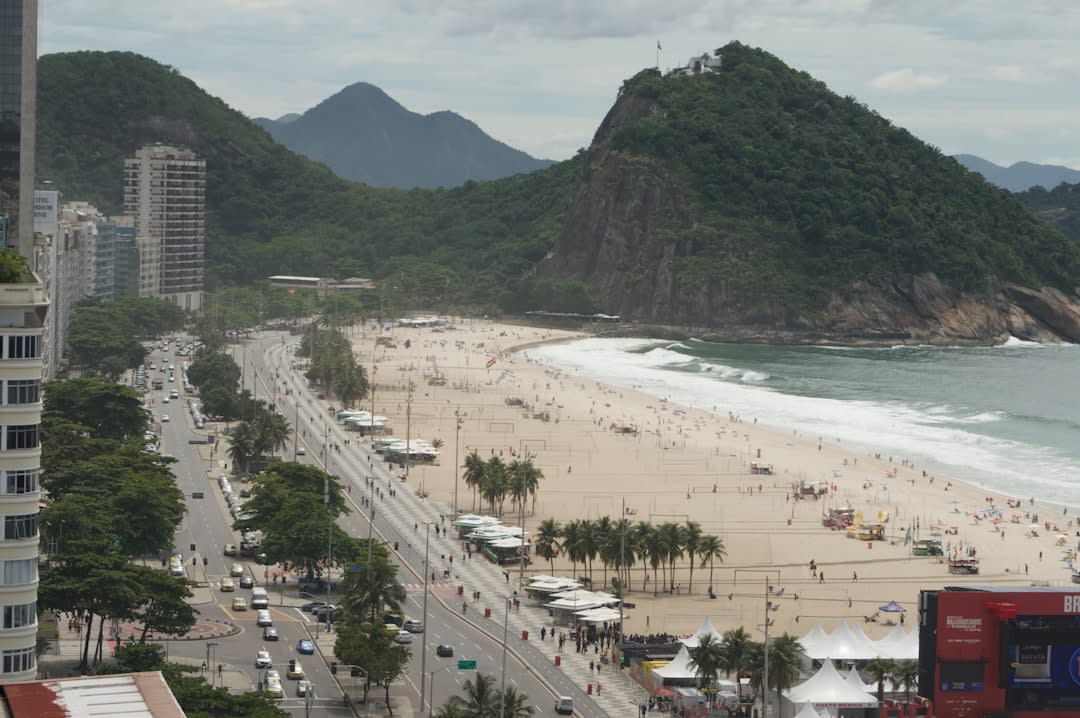
The Copacabana Palace, the grand hotel that anchors the beach’s midpoint, has hosted everyone from Orson Welles to the Rolling Stones since it opened in 1923, and even if you’re not staying there, walking through its lobby for a coffee is worth the slightly absurd price. Just south, Forte de Copacabana, an active military fort built into the rocks at the beach’s edge, has a small museum and, more usefully, a café terrace with the best unobstructed view of the entire bay — I’ve sent every visiting friend there since discovering it.
New Year’s Eve is Copacabana’s other identity entirely. Nearly two million people crowd onto the sand dressed in white — a Candomblé-rooted tradition meant to bring peace for the year ahead — while offerings to Iemanjá, the orixá of the sea, are cast into the waves at midnight. Then the fireworks start, launched from barges anchored just offshore, and for about twenty minutes the entire curve of beach becomes a single unbroken wall of light and noise. I went once with Lia, packed shoulder to shoulder with strangers, and it remains the loudest collective cheer I have ever stood inside.
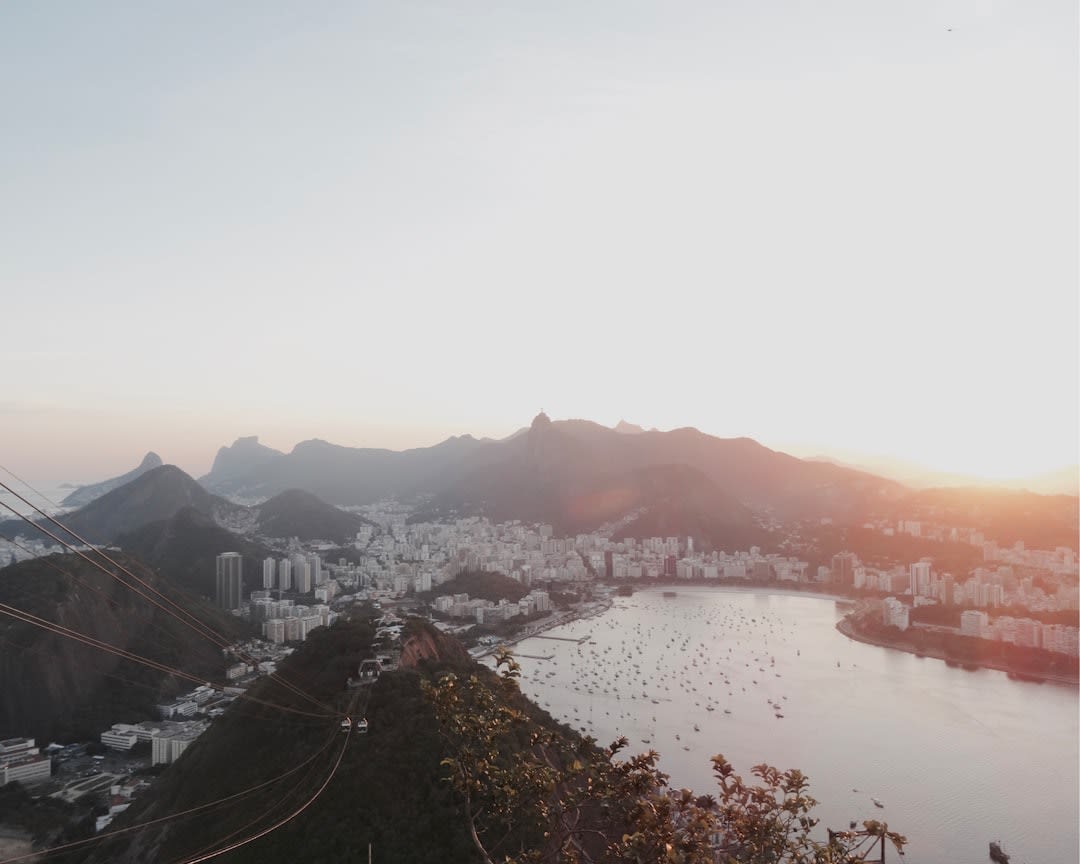
Away from the sand, the neighbourhood behind the beach is dense, loud, and unglamorous in the most Rio way — packed with per-kilo lunch spots, pharmacies, and the kind of unpretentious botecos where a cold Antarctica beer and a plate of pastéis cost almost nothing. It is not Ipanema’s polish, and it is better for it.
When to go: December 31st if fireworks and crowds don’t scare you off — book accommodation nearly a year ahead. Otherwise, April to June for a calmer, cooler version of the same iconic stretch of sand.