Brasília
"A whole city built as a single sentence, and somehow still legible sixty years later."
I went to Brasília expecting to dislike it. Everyone had told me it was a soulless monument to bureaucracy, a city designed for cars and not people, beautiful from an airplane window and miserable on foot. They were half right, and the half they got wrong turned out to be the half I cared about.
The City That Was Drawn Before It Was Built
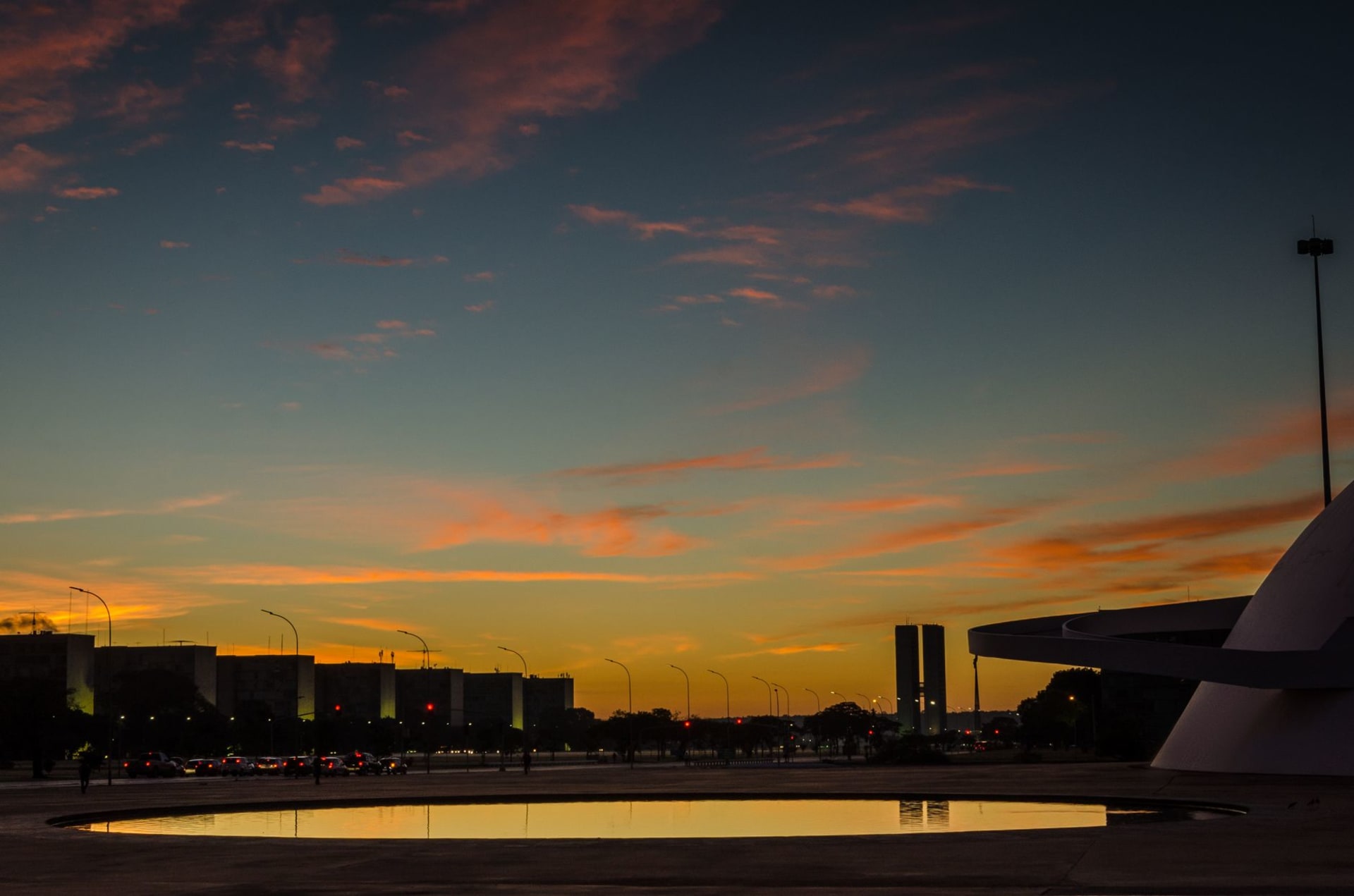
Brasília was inaugurated in 1960, carved out of the red-earth highlands in barely four years on the insistence of President Juscelino Kubitschek, who promised Brazil fifty years of progress in five. Lúcio Costa drew the master plan in the shape of an airplane, or a bird, or a cross — the debate continues — and Oscar Niemeyer designed the great civic buildings as if gravity were optional. I stood in front of the National Congress at the end of the Monumental Axis, two white bowls and two slim towers, and understood why architects make pilgrimages here. It is genuinely strange and genuinely beautiful, and photographs flatten it completely.
The Cathedral undid me a little. From outside it is a crown of curved concrete fingers; you enter by descending a dark ramp, and then the space opens overhead into a flood of light and floating aluminium angels. Lia, who is not religious and not easily moved by buildings, sat down on a bench and stayed there twenty minutes. I left her to it and walked back up into the heat.
Life in the Superquadras
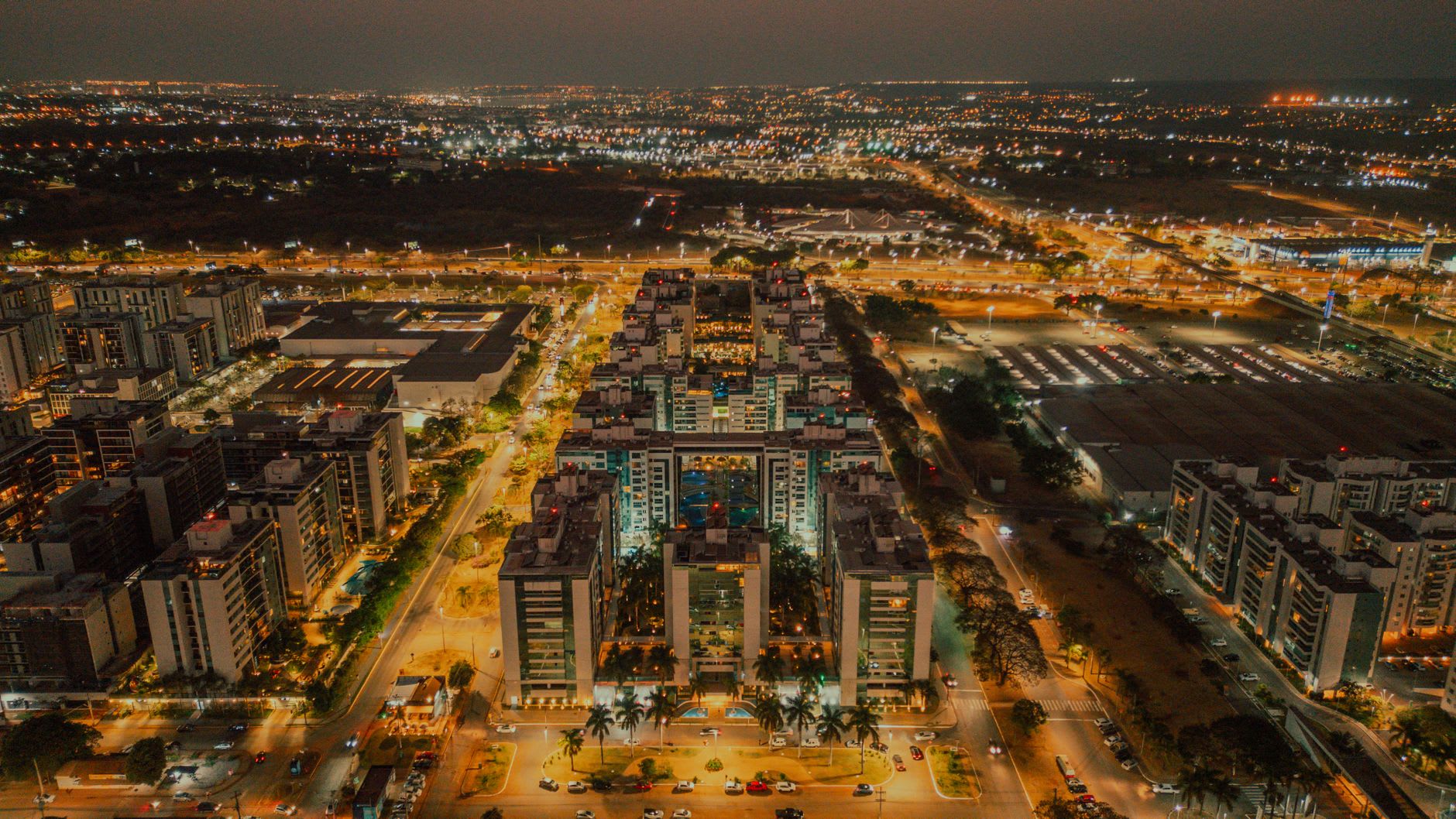
Here is what the critics miss. Off the grand axis, in the residential superblocks called superquadras, Brasília is a quietly pleasant place to be a human. Costa designed them with the buildings raised on pillars, the ground floors open, and trees everywhere — and sixty years on, those trees have grown into real shade. We spent a slow afternoon in Superquadra 308 Sul, where there is a famous little church and a bakery the locals queue at, and it felt less like a monument and more like a neighborhood that happened to be designed by a genius with a ruler.
We ate that evening at a churrascaria full of civil servants loosening their ties, and I listened to a man two tables over explain, with great passion, the difference between the city the planners intended and the city Brasilienses actually built around it. The satellite towns, the informal life, the way people had domesticated all that concrete utopia. He was proud of it. By the end of the meal, so was I.
Seeing It Properly
Do not try to walk the Monumental Axis end to end; it is kilometers long and built for the scale of the automobile, and you will arrive at Niemeyer’s masterpieces sunburnt and resentful. Take taxis or rideshares between the landmarks, then walk within each one. Save the superquadras and the lakeside for evening, when the light goes gold and the whole improbable experiment softens.
When to go: May through September is the dry season — hot, bright days and that enormous cloudless highland sky that makes the white buildings sing. Avoid the December–March rains, when the afternoon storms are dramatic but relentless.