Blumenau
"I drank a liter of dunkel under a Brazilian flag and a Bavarian one, hung side by side, and nobody around me found that strange at all."
A Bavarian-heritage city on the Itajaí river that throws the second-largest Oktoberfest on earth, half-timbered facades and all.
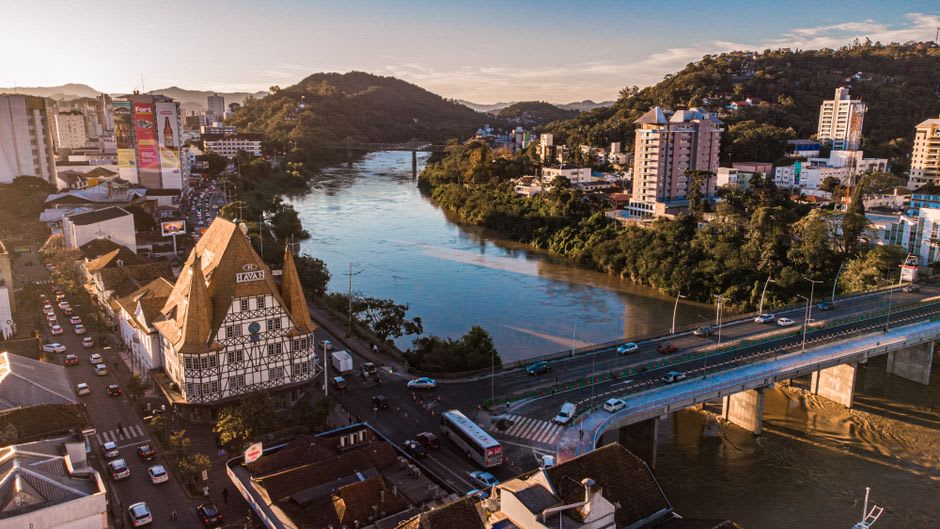
Blumenau was founded in 1850 by a German immigrant named Hermann Blumenau, and the city has spent the century and a half since committing to that origin story with genuine sincerity rather than tourist kitsch. Half-timbered facades line the main avenues, street signs carry Gothic lettering, and the local dialect — Riograndenser Hunsrückisch — is still spoken by older residents in the surrounding countryside, a German dialect that has all but disappeared in Germany itself.
I came specifically for Oktoberfest, which Blumenau has run every October since 1984 and which now draws over half a million visitors — the largest German beer festival outside Germany itself, ahead of anything in the United States. The festival hall, the Parque Vila Germânica, is a purpose-built village of pavilions where oompah bands play late into the night, dancers in dirndls and lederhosen perform on stage, and the beer — brewed locally, not imported — is taken with total seriousness. I’d expected a diluted, theme-park version of Munich. What I found was a community genuinely proud of an inherited culture, refracted through eight decades of Brazilian adaptation.
Outside festival season, the Rua XV de Novembro downtown is worth a slow walk regardless — the Moellmann House and other preserved colonial-German buildings now hold cafés and bakeries selling cuca (a German-Brazilian crumb cake) and stollen year-round. The Museu da Cerveja covers the beer-brewing history in more depth than I expected to want, and the riverside promenade along the Itajaí-Açu river, prone to dramatic floods that locals discuss with the same fatalism Venetians reserve for acqua alta, gives the town its geographic anchor.
Lia, half-joking, said the whole city felt like a fever dream — “which Brazil is this?” — and that’s really the point of coming: Blumenau is proof that Brazil’s immigrant story runs as deep as its Afro-Brazilian and Indigenous ones, just less visible from outside.
When to go: October for Oktoberfest itself, booked well ahead. April to June and September for pleasant weather and a much quieter, more contemplative version of the city.
Keep exploring
More from Brazil
 brazil
 Bonito
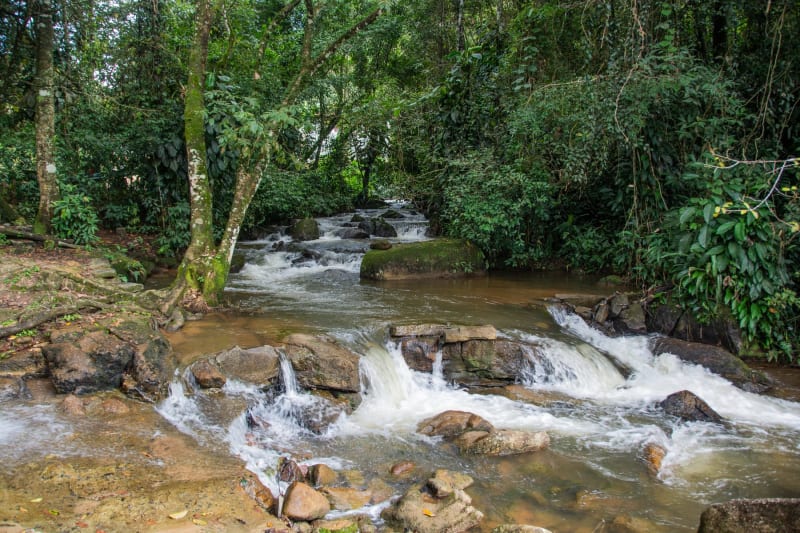
Brazil's ecotourism capital where crystal-clear rivers let you snorkel eye-to-eye with hundreds of tropical fish.
Explore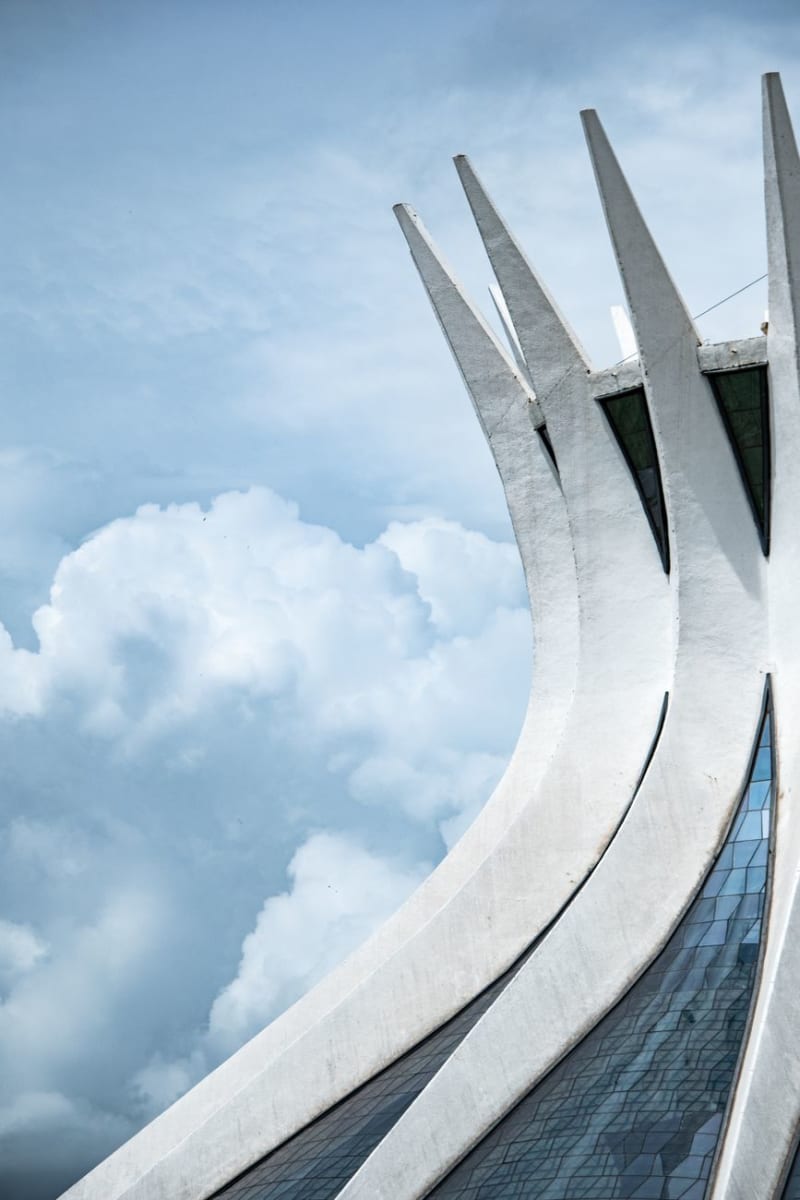 brazil
 Brasília
Brazil's improbable capital, a modernist city dreamed up from nothing and laid out across the empty highlands in the shape of an airplane.
Explore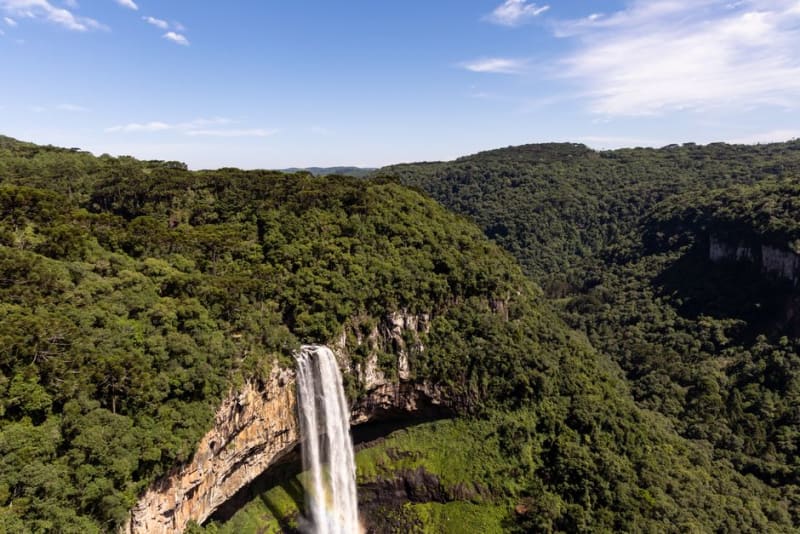 brazil
 Brotas
The adventure-sports capital of interior São Paulo, where I got thrown out of a raft twice and went back the next day anyway.
Explore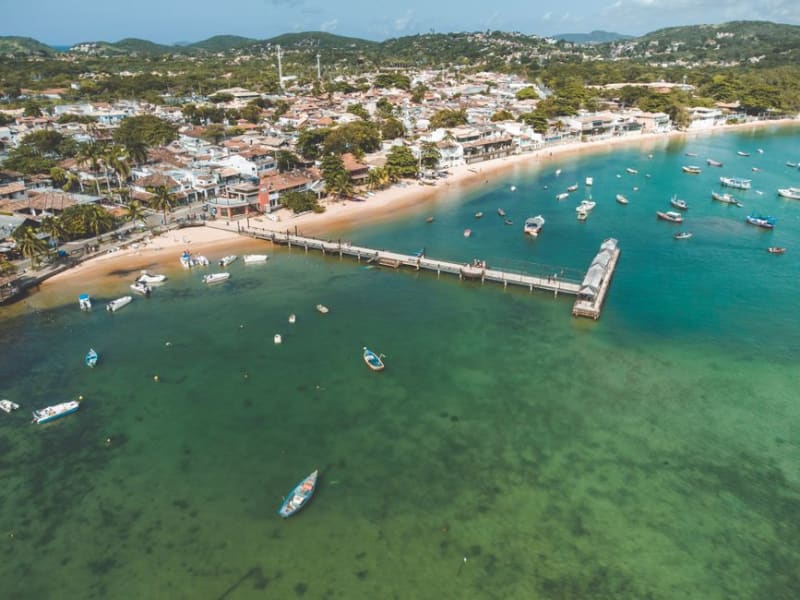 brazil
 Búzios
A fishing village Brigitte Bardot fell for in 1964 and never quite let go of, now a peninsula of cobblestone lanes, twenty-something beaches, and languid glamour.
Explore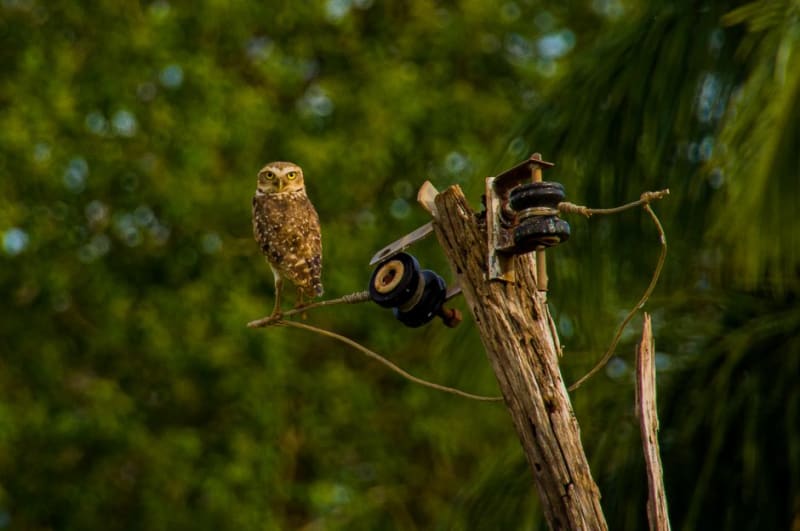 brazil
 Caburé
A sliver of sand village between the ocean and the Preguiças river, reached only by boat, where cashew trees grow sideways and the sunset show has no audience competition.
Explore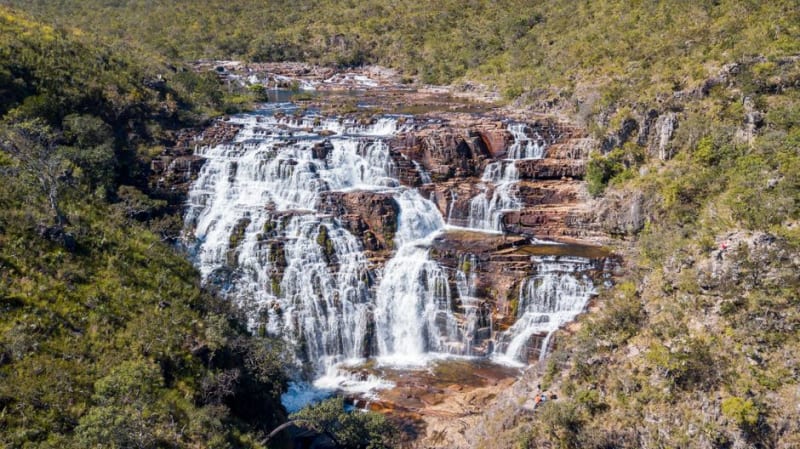 brazil
 Cachoeira
A colonial river town in Bahia's Reconcavo, heartland of Candomble and one of the deepest wells of Afro-Brazilian culture in the country.
Explore