Bonito
"In Bonito's rivers the water is so clear the fish look like they're suspended in glass."
Brazil's ecotourism capital where crystal-clear rivers let you snorkel eye-to-eye with hundreds of tropical fish.

The town of Bonito sits in the Serra da Bodoquena plateau in Mato Grosso do Sul — the geographic and spiritual antithesis of the Pantanal flatlands just to the west. Where the Pantanal sprawls and floods and overwhelms with scale, Bonito is intimate: a grid of quiet streets lined with pousadas and juice shops, the smell of grilled river fish drifting from the restaurants along Rua Colonel Pilad Rebuá on a Thursday evening. It does not look like a place that would change how you understand water.
The Rivers
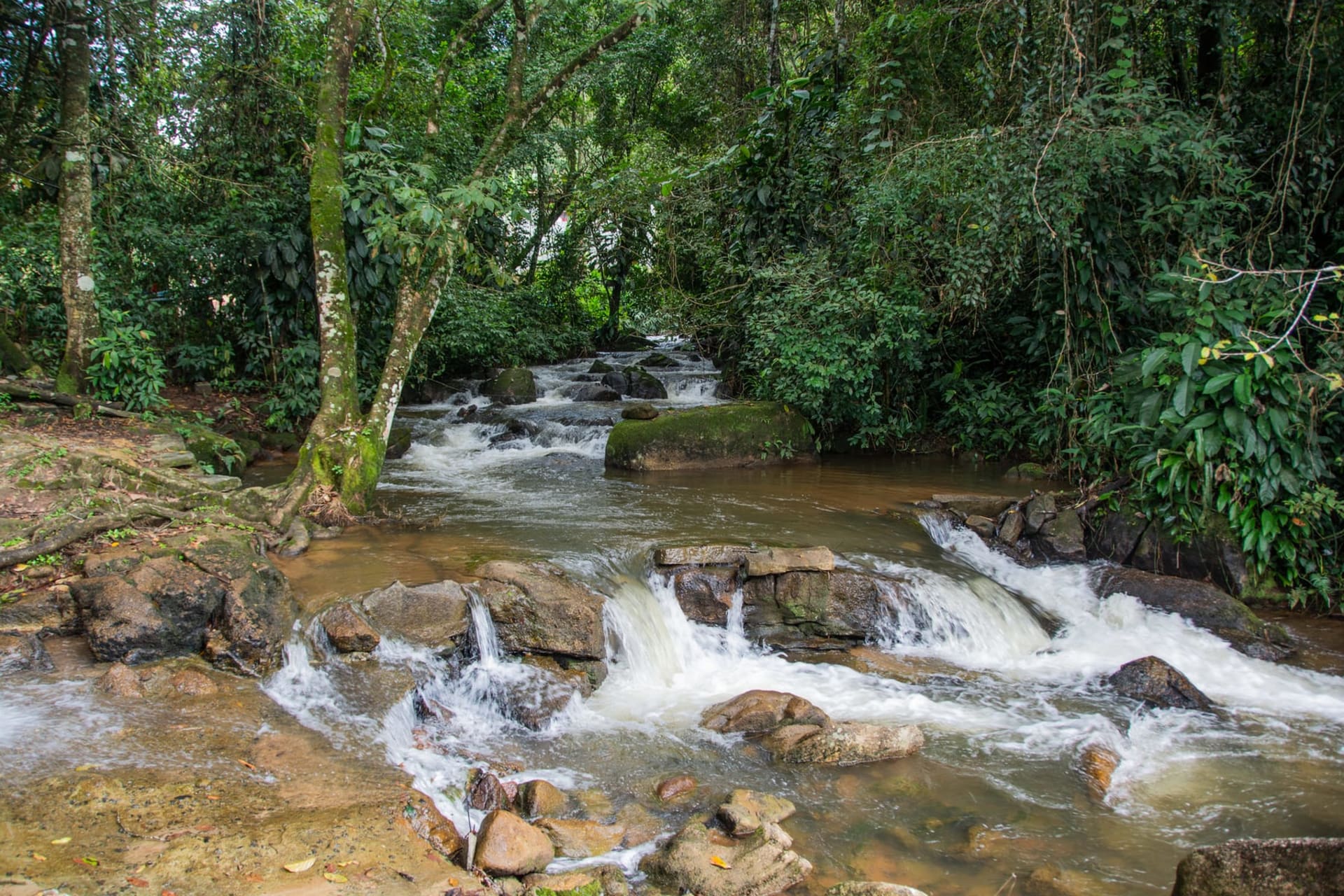
The magic of Bonito is geological. The rivers here — the Rio da Prata, the Sucuri, the Olho d’Água — filter through limestone bedrock that removes nearly all particulate matter before the water emerges into the daylight. The result is a transparency that the word “clear” cannot adequately describe. When I slid into the Sucuri on the first morning, I expected snorkeling. What I got was something closer to flying. The current carries you at a gentle pace past stands of aquatic vegetation and dorados the size of my forearm, their scales catching the light in amber flashes, and the bottom — three, four, five meters down — is as distinct as if you were looking through glass. I stopped swimming and let the river move me. I couldn’t speak for a few minutes after getting out.
Lia found her own moment of surprise at the Abismo Anhumas — a cave sinkhole we rappelled into where an underground lake sits in cathedral darkness, stalactites reflected perfectly on the surface. We had not expected to go underground at all. But the guide mentioned it at dinner the night before, and something in how he described the silence convinced us.
The Rhythm of the Place
Bonito operates on a quota system — every site limits daily visitors to protect the ecosystems — which means the town itself has a particular unhurried rhythm that feels earned rather than accidental. Mornings are for the rivers; afternoons, when the sun is highest and the light too flat for clear water, belong to the shaded terraces and the cold glasses of jugo de cajá or tamarind that appear in every café without needing to be asked for. The mercado municipal on weekend mornings has pintado fish — one of the local specialties — smoked over wood and sold by the half kilo, wrapped in brown paper.
By the end of the third day I had stopped reaching for my phone. The rivers demand presence. You cannot scroll and float simultaneously, and at some point the fish make the choice obvious.
Getting the Most From It
Most visitors base themselves in town and arrange river excursions through their pousada. The Rio da Prata is the classic, longest float — up to three hours — while the Sucuri is shorter and more intense in its underwater density. Both require advance booking, especially in January and February when Brazilian domestic tourism peaks. Book ahead and go on weekdays if possible.
When to go: June through September is the dry season, when water clarity is at its absolute peak and temperatures are cooler. The wet season (November to March) brings higher water and reduced visibility, though it is still far clearer than most rivers elsewhere in the world.
Keep exploring
More from Brazil
 brazil
 Brasília
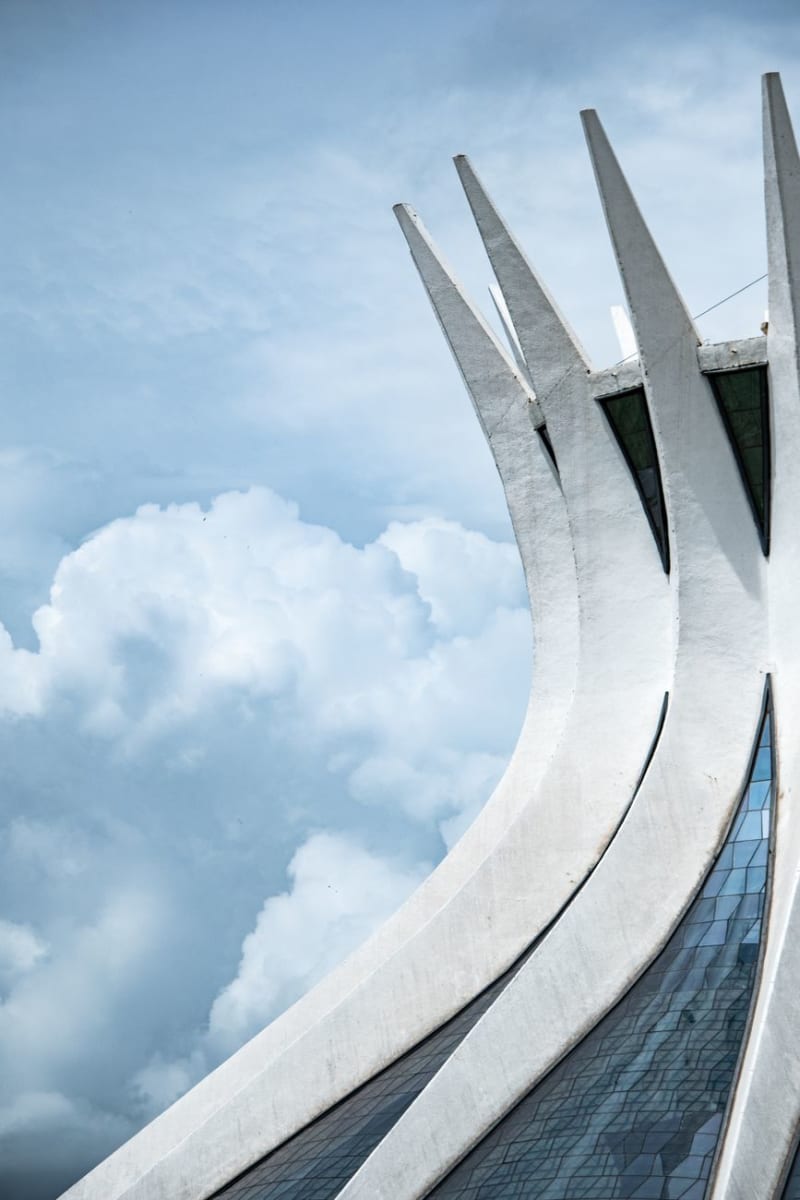
Brazil's improbable capital, a modernist city dreamed up from nothing and laid out across the empty highlands in the shape of an airplane.
Explore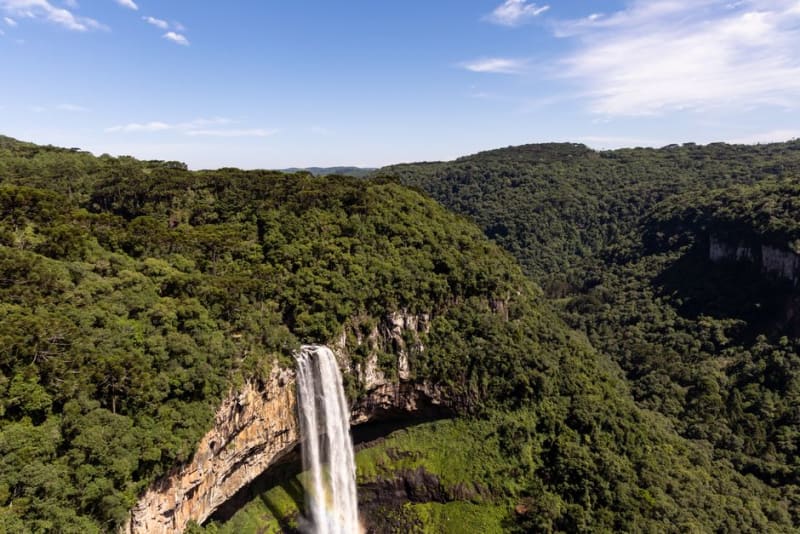 brazil
 Brotas
The adventure-sports capital of interior São Paulo, where I got thrown out of a raft twice and went back the next day anyway.
Explore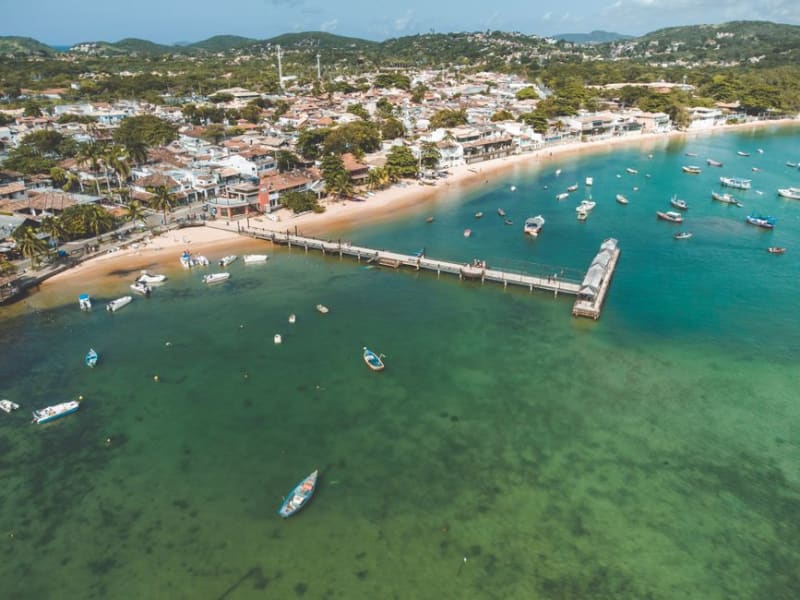 brazil
 Búzios
A fishing village Brigitte Bardot fell for in 1964 and never quite let go of, now a peninsula of cobblestone lanes, twenty-something beaches, and languid glamour.
Explore brazil
 Caburé
A sliver of sand village between the ocean and the Preguiças river, reached only by boat, where cashew trees grow sideways and the sunset show has no audience competition.
Explore brazil
 Cachoeira
A colonial river town in Bahia's Reconcavo, heartland of Candomble and one of the deepest wells of Afro-Brazilian culture in the country.
Explore brazil
 Campo Grande
The Cidade Morena — Mato Grosso do Sul's red-earth capital and the practical gateway to the Pantanal and Bonito.
Explore