Belo Horizonte
"Nobody warns you that Belo Horizonte might have the best bar culture in Brazil."
Brazil's most underrated big city, where the boteco is a way of life and every night out ends with a plate of pão de queijo and a beer you didn't plan on ordering.
I arrived expecting a stopover — a night before heading up into the colonial towns — and left four days later having eaten more small plates of food off more zinc-topped bars than on any other stretch of the trip. Belo Horizonte does not get written about. That is, I am fairly convinced, a mistake being made by every guidebook currently in print.
The Boteco Circuit
Belo Horizonte’s real cultural export is the boteco: a corner bar, usually open-air, serving ice-cold draft beer (chopp) alongside small savoury plates called tira-gostos. The city claims to have more bars per capita than anywhere else in Brazil, and having spent several evenings testing that claim in the Savassi and Santo Antônio neighbourhoods, I am not inclined to argue. We’d order a round, a plate of torresmo or pastel or the extraordinary bolinho de feijão tropeiro, finish it, and instead of leaving simply walk to the next place. Lia started keeping a tally on her phone. We stopped counting after eleven.

Pampulha and Niemeyer’s First Draft
The other side of Belo Horizonte is architectural, and unexpectedly so. The Pampulha complex, built around an artificial lake in the 1940s, was Oscar Niemeyer’s first major commission and the place where the curves that would later define Brasília were worked out. The Igreja São Francisco de Assis, with its swooping concrete roof and Cândido Portinari tile murals, was so radical when it opened that the archdiocese refused to consecrate it for years. We rented bikes and circled the lagoa at sunset, the church glowing white against a sky going pink, joggers and couples and old men fishing off the shore all sharing the same stretch of water.
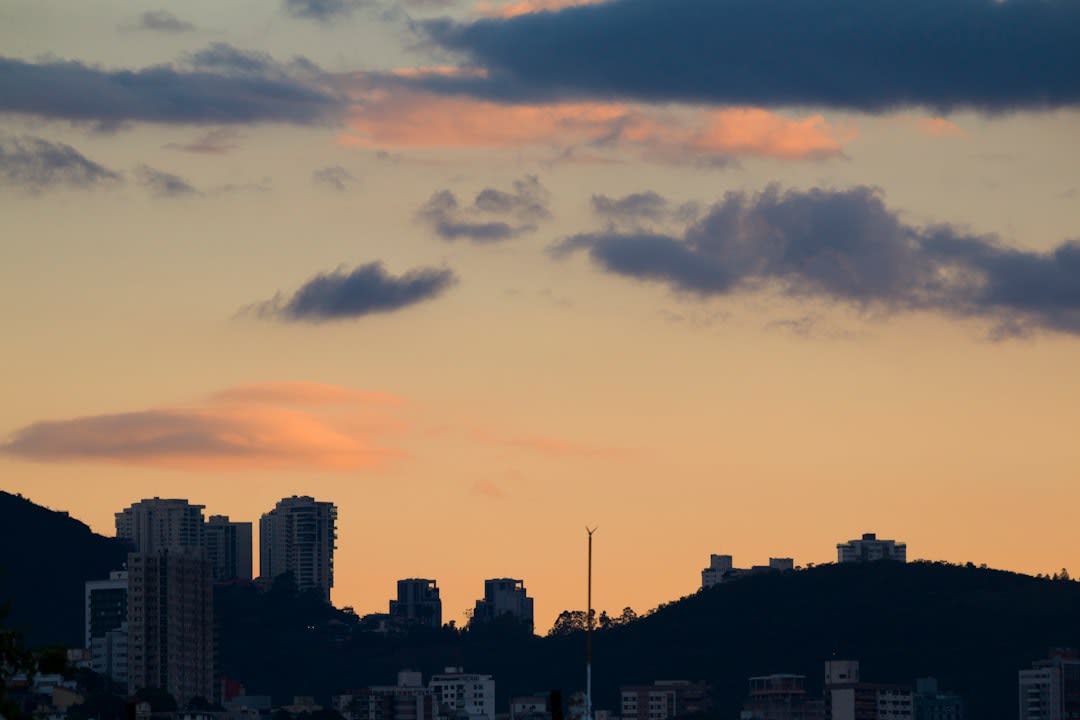
The Market That Feeds the Whole City
The Mercado Central is where Belo Horizonte’s food culture concentrates into a single building — cheese stalls stacked with wheels of queijo Minas, cachaça shops with hundreds of bottles from tiny producers, lunch counters serving feijão tropeiro to office workers on their break. We spent an entire morning there, tasting our way through samples until neither of us needed lunch, which did not stop us from having lunch anyway.
When to go: March to May and September to November for pleasant temperatures without peak summer humidity. Belo Horizonte is a year-round city and works well as a base for exploring the historic towns of Minas Gerais.
Keep exploring
More from Brazil
 brazil
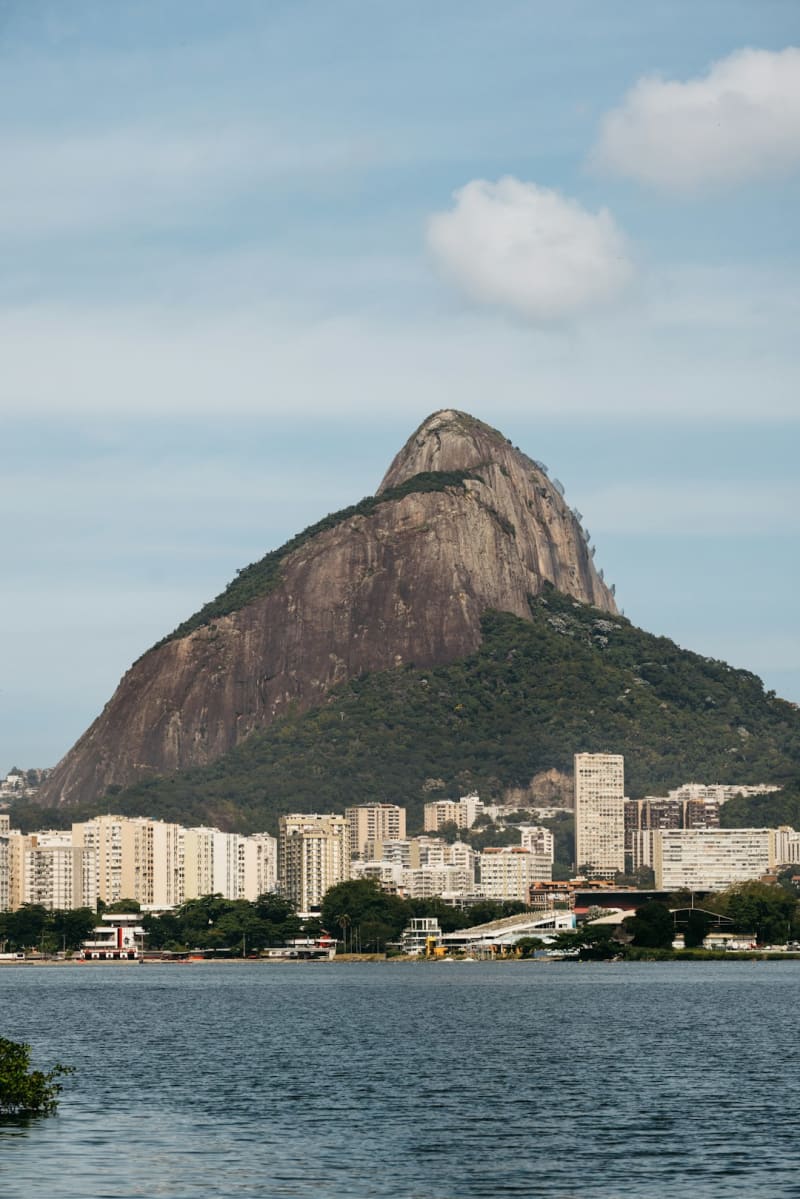
 Blumenau
A Bavarian-heritage city on the Itajaí river that throws the second-largest Oktoberfest on earth, half-timbered facades and all.
Explore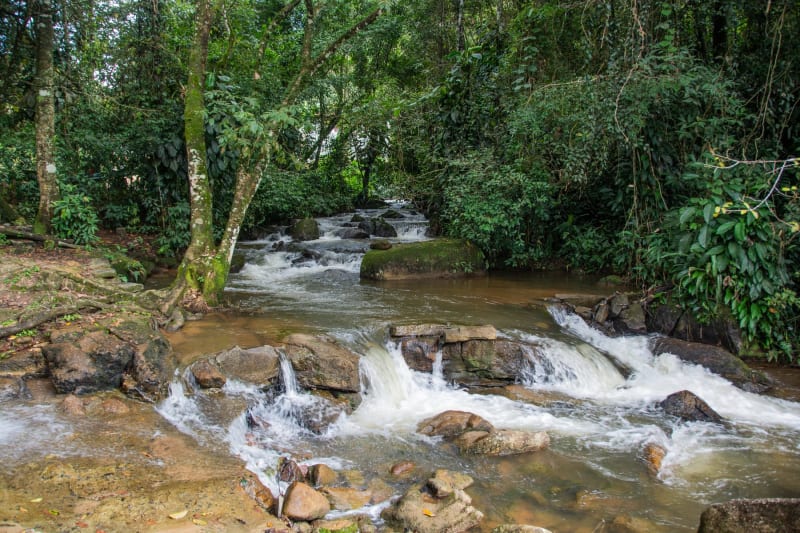 brazil
 Bonito
Brazil's ecotourism capital where crystal-clear rivers let you snorkel eye-to-eye with hundreds of tropical fish.
Explore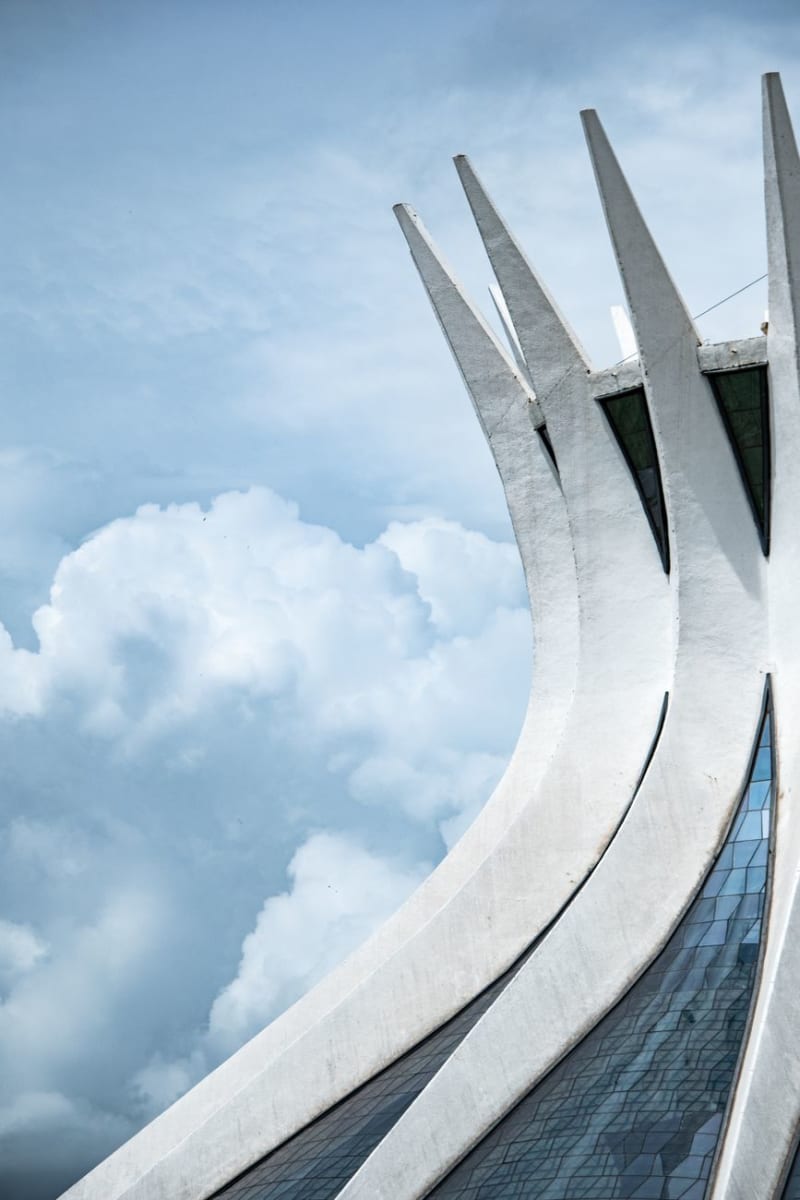 brazil
 Brasília
Brazil's improbable capital, a modernist city dreamed up from nothing and laid out across the empty highlands in the shape of an airplane.
Explore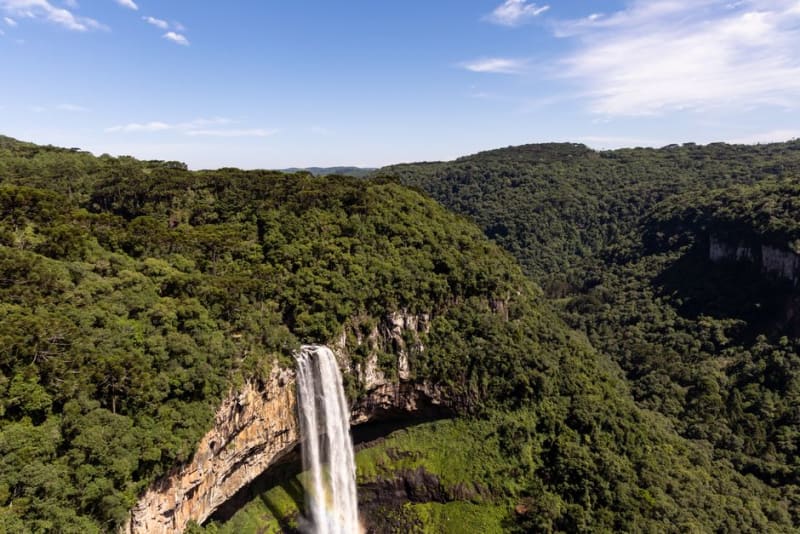 brazil
 Brotas
The adventure-sports capital of interior São Paulo, where I got thrown out of a raft twice and went back the next day anyway.
Explore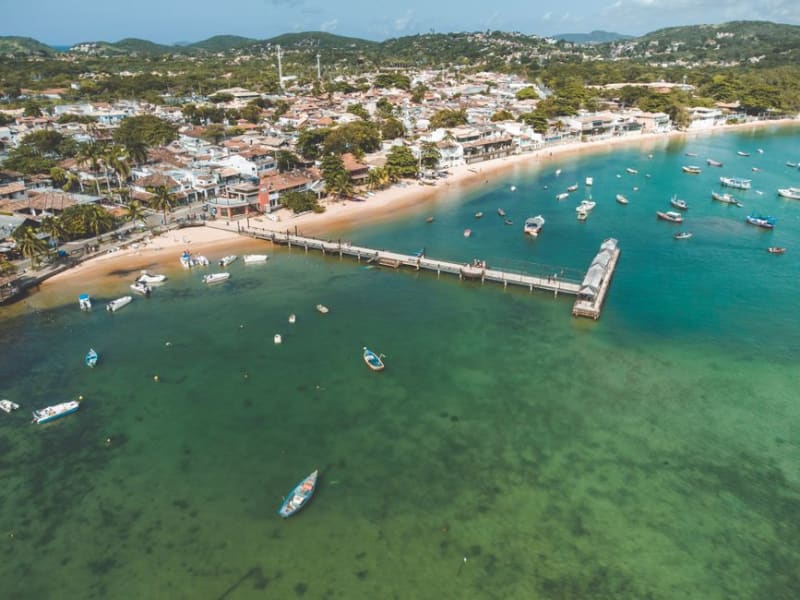 brazil
 Búzios
A fishing village Brigitte Bardot fell for in 1964 and never quite let go of, now a peninsula of cobblestone lanes, twenty-something beaches, and languid glamour.
Explore brazil
 Caburé
A sliver of sand village between the ocean and the Preguiças river, reached only by boat, where cashew trees grow sideways and the sunset show has no audience competition.
Explore