Belém
"Belém convinced me the best Brazilian food isn't in Rio or São Paulo — it's at a market stall on the edge of the Amazon."
The city where the Amazon meets the Atlantic — market chaos, mango-lined streets, and the best food I ate anywhere in Brazil.
Belém sits exactly where the Amazon spills into the Atlantic, and it wears that position like a badge — half colonial port city, half jungle gateway, entirely unlike anywhere else I visited in Brazil. The streets downtown are lined with mango trees so old and thick they form a green tunnel over entire blocks, planted by a nineteenth-century mayor who apparently understood that shade is a civic virtue. I spent my first afternoon just walking those streets, sweating through my shirt, eating an açaí that tasted nothing like the sweetened purple stuff sold as a health food back in Mexico — here it’s savory, thick, served with tapioca and dried shrimp, a completely different food wearing the same name.
The heart of the city is the Ver-o-Peso market, a sprawling riverside market that has operated continuously since the colonial era and remains one of the most overwhelming, sensory places I have stood in. Stalls sell fish I couldn’t name, herbal remedies passed down from indigenous and ribeirinho traditions, baskets of tucupi-yellow tapioca, and fruits that don’t exist outside Amazonia — bacuri, cupuaçu, taperebá. Lia, who cooks obsessively, spent nearly an hour interrogating a vendor about how to prepare maniçoba, a dish made from manioc leaves that has to be boiled for days to remove its toxins. The vendor’s patience with her broken Portuguese was its own kind of hospitality.
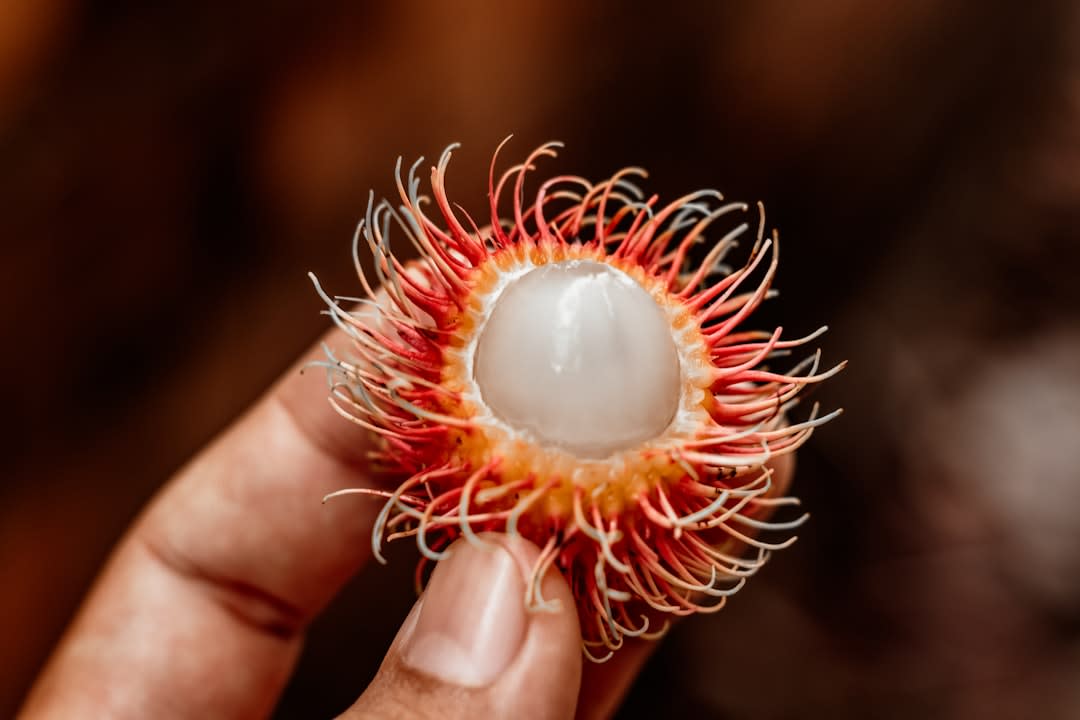
Belém’s food culture is, without exaggeration, the best I encountered in the country. Pato no tucupi — duck simmered in tucupi broth with jambu leaf, the same tongue-numbing herb from the Manaus tacacá — was the single best meal of my Brazil trip, eaten at a family restaurant with plastic chairs and no menu, just whatever the kitchen had made that day. We also ducked into the Estação das Docas, converted riverside warehouses now filled with restaurants and breweries, for a sunset caipirinha with a view over boats loading Amazon cargo bound upriver.
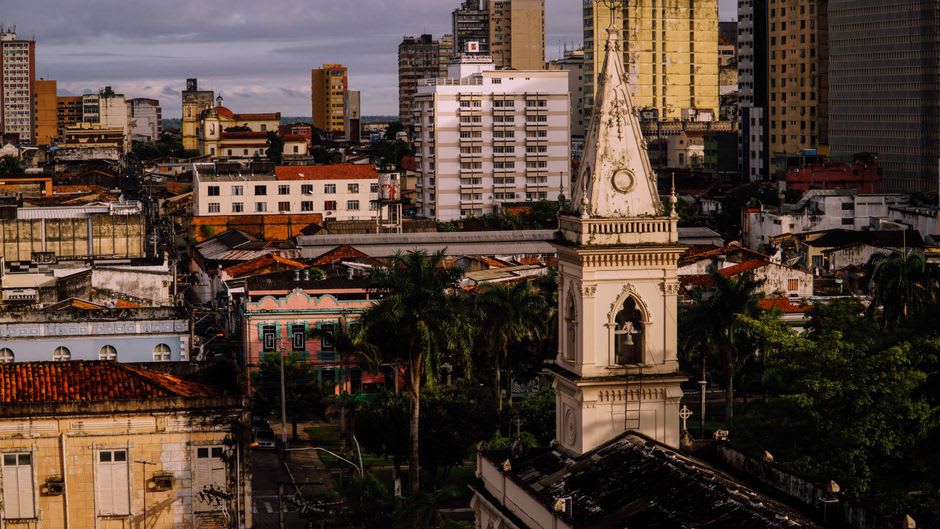
The Basílica de Nazaré and its enormous October procession, the Círio de Nazaré, draws over a million pilgrims and is, by local account, bigger than Carnival here — proof that Belém runs on its own calendar, indifferent to the rest of Brazil’s cultural gravity. I didn’t catch the Círio itself, but even the empty basilica on an ordinary Tuesday had a hush to it that felt earned.
When to go: June to November for the driest weather, though Belém is equatorial and rain is a daily possibility year-round — short, heavy, and gone within the hour. Time a visit around early October if the Círio de Nazaré procession interests you, but book accommodation months ahead.
Keep exploring
More from Brazil
 brazil
 Belo Horizonte
Brazil's most underrated big city, where the boteco is a way of life and every night out ends with a plate of pão de queijo and a beer you didn't plan on ordering.
Explore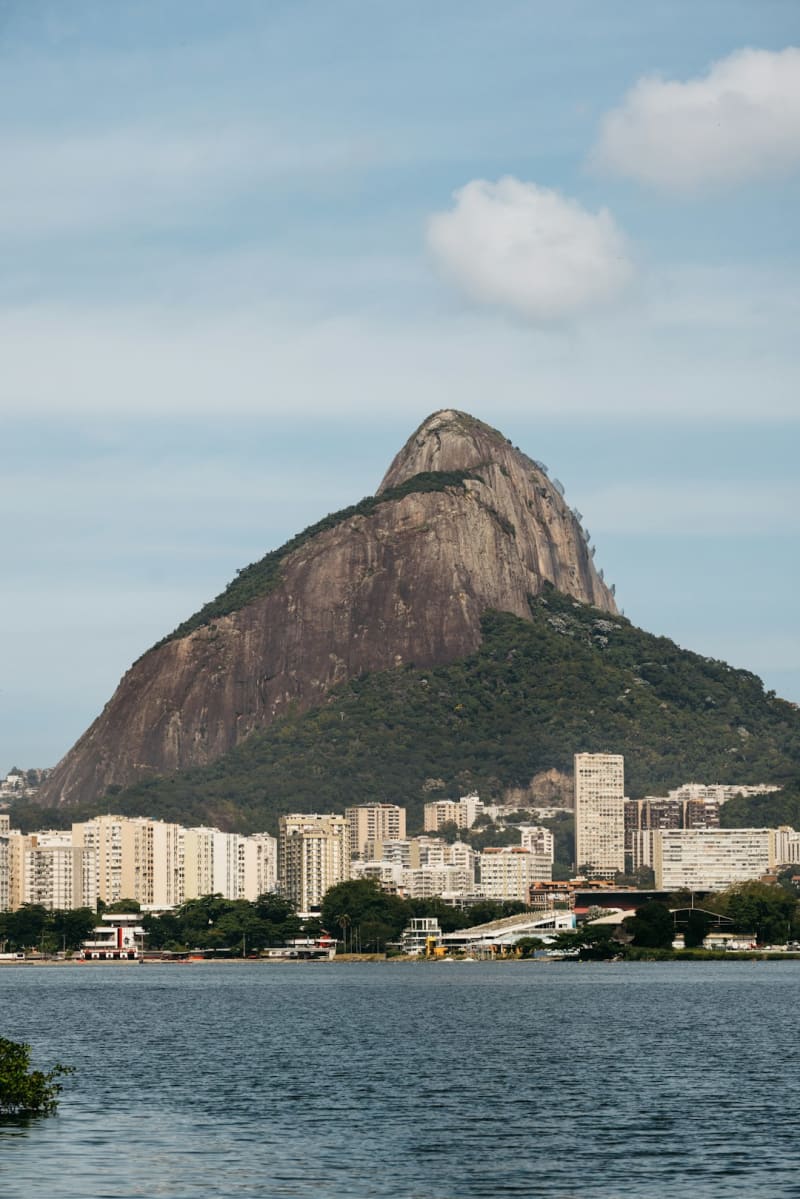 brazil
 Blumenau
A Bavarian-heritage city on the Itajaí river that throws the second-largest Oktoberfest on earth, half-timbered facades and all.
Explore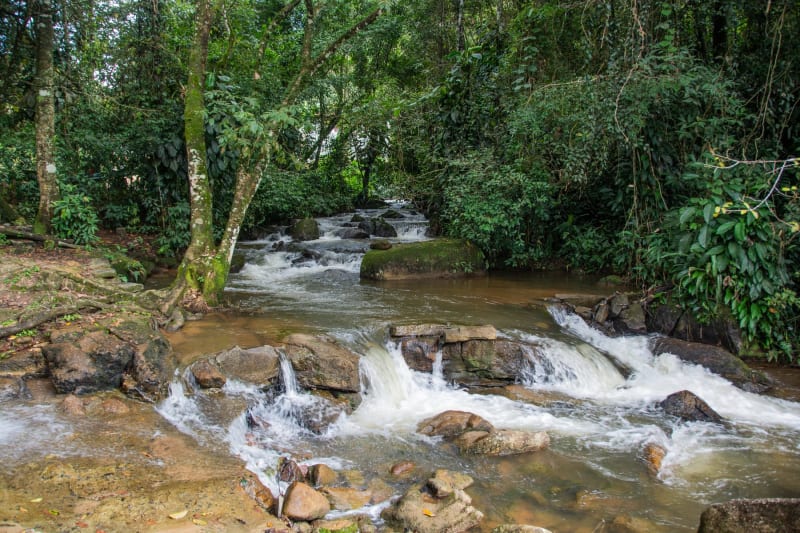 brazil
 Bonito
Brazil's ecotourism capital where crystal-clear rivers let you snorkel eye-to-eye with hundreds of tropical fish.
Explore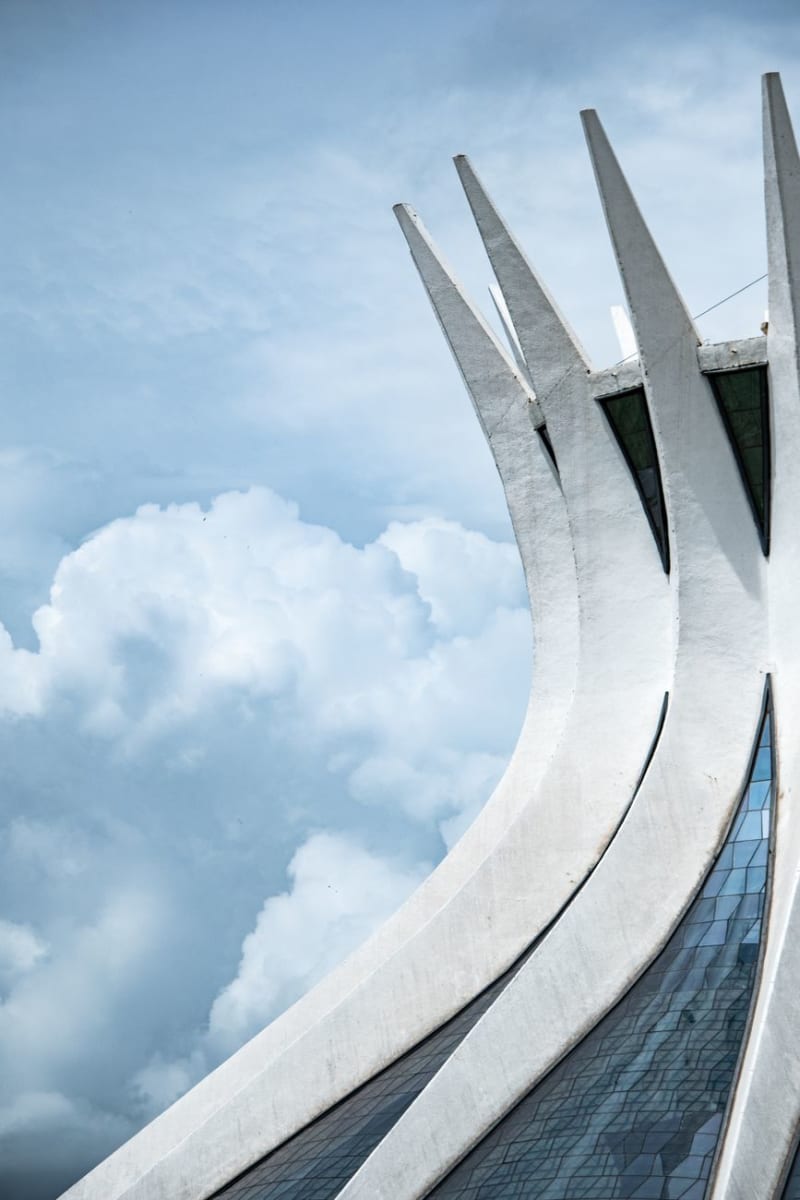 brazil
 Brasília
Brazil's improbable capital, a modernist city dreamed up from nothing and laid out across the empty highlands in the shape of an airplane.
Explore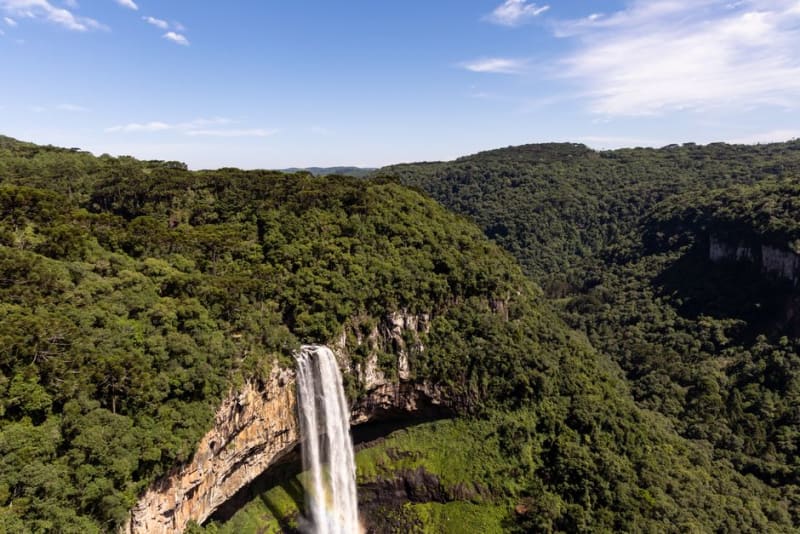 brazil
 Brotas
The adventure-sports capital of interior São Paulo, where I got thrown out of a raft twice and went back the next day anyway.
Explore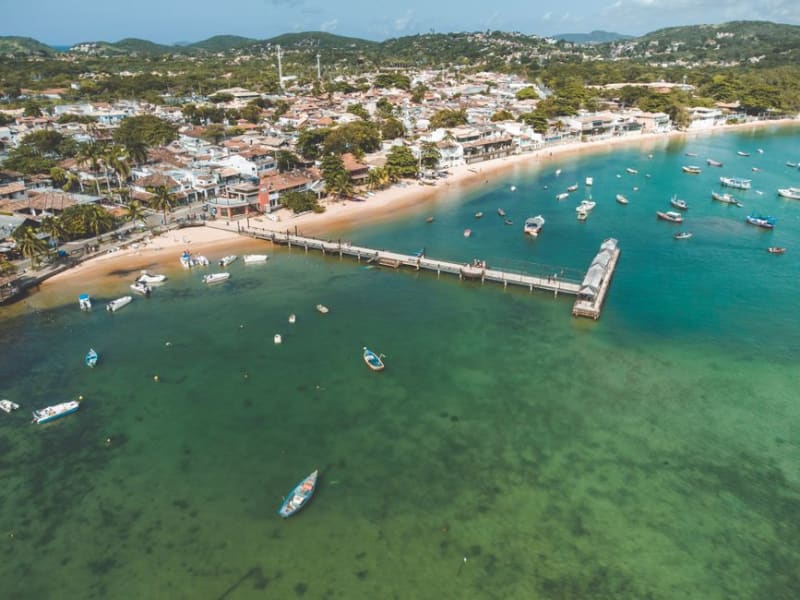 brazil
 Búzios
A fishing village Brigitte Bardot fell for in 1964 and never quite let go of, now a peninsula of cobblestone lanes, twenty-something beaches, and languid glamour.
Explore