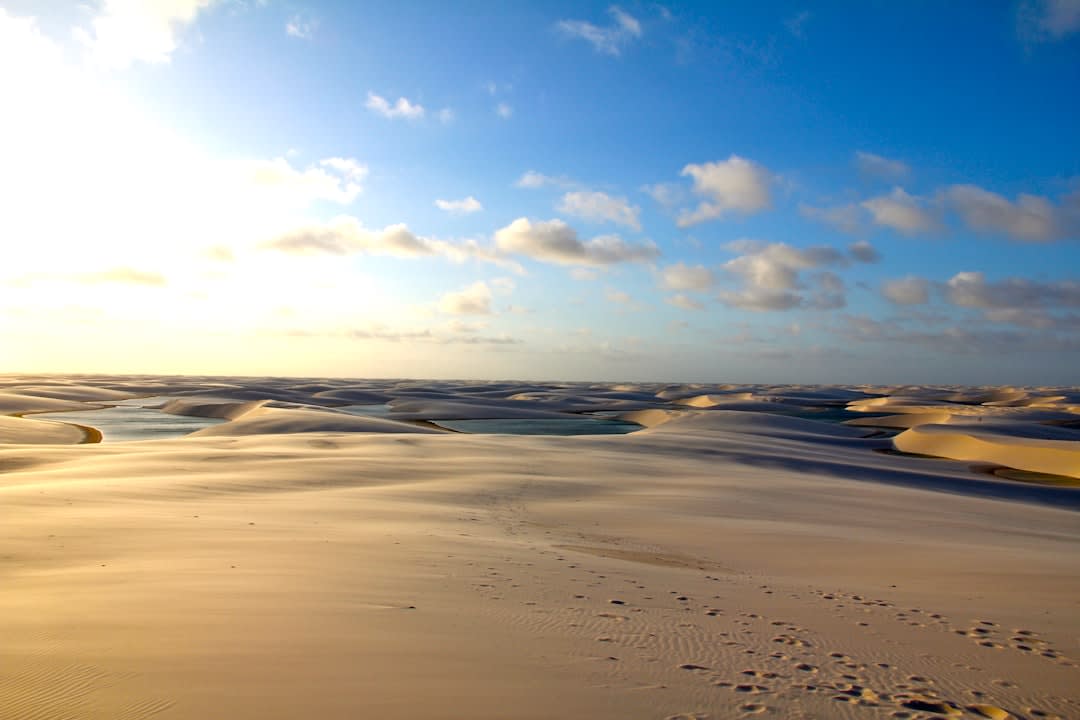
The riverside gateway town to Lençóis Maranhenses, equal parts logistics hub and destination in its own right, strung along the lazy Rio Preguiças.
Everyone who visits Lençóis Maranhenses passes through Barreirinhas, and most of them treat it as a formality — a place to sleep the night before the dunes and forget on the way out. That’s a mistake I nearly made myself, and I’m glad Lia talked us into staying an extra two nights instead of the standard one.
A Town Built Around a River
Barreirinhas sits on the Rio Preguiças, and the river is really the town’s spine — the tour boats leave from docks along Avenida Beira Rio, the fish markets set up where the boats come in, and by late afternoon half the town seems to gather along the bank just to watch the light change over the water. We rented a small boat for an afternoon with no fixed plan beyond following the current downstream, past mangrove stretches thick with herons, past a couple of riverside communities where kids waved from wooden jetties, all the way to where the freshwater meets the tidal push near the coast.
The town itself has a workaday charm that I appreciated more with each day we stayed — a market selling fruit I couldn’t name, motorcycle taxis weaving between the tour vans, a main street where every third building seemed to be either a pousada, a buggy rental office, or both. It isn’t trying to be picturesque. It mostly succeeds anyway.
Base Camp for the Dunes, and Worth It Alone
Most people come here purely as a springboard into the Lençóis Maranhenses dune fields, and the access is genuinely excellent — buggies leave every morning for the short run into the park, and Barreirinhas has more experienced guides per capita than anywhere else on this stretch of coast. But we found the town rewarding on its own terms too, particularly the evenings, when the heat breaks and the riverfront restaurants fill with the smell of grilled fish and the particular unhurried rhythm of a place that has learned to live well alongside constant tourist traffic without being consumed by it.
One evening, over peixada at a stall by the river, our guide from earlier that day found us by coincidence and sat with us for an hour, explaining how the town had grown up almost entirely around dune tourism in the last two decades — before that, he said, it was just fishing and not much else. It’s rare to get that kind of unscripted context, and it changed how I saw the town for the rest of the trip.
When to go: June through September for the fullest lagoons in the nearby dunes and pleasant river-town evenings. Shoulder months bring fewer crowds and lower prices if the lagoons at full capacity aren’t the priority.
Keep exploring
More from Brazil
 brazil
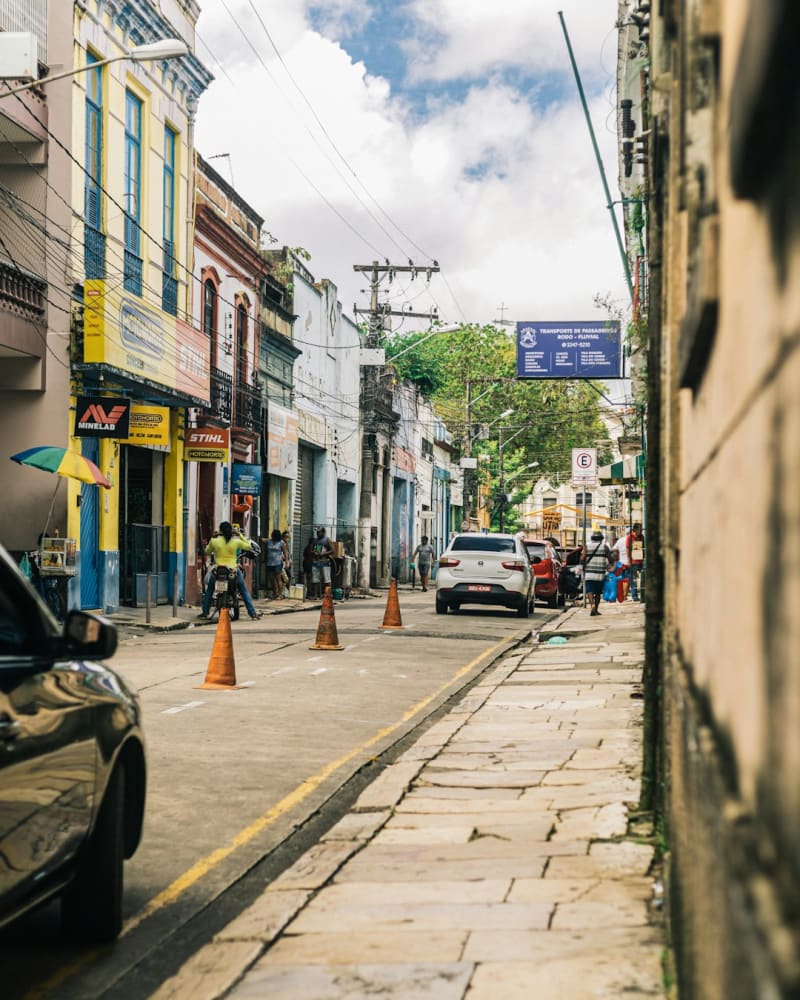
 Belém
The city where the Amazon meets the Atlantic — market chaos, mango-lined streets, and the best food I ate anywhere in Brazil.
Explore brazil
 Belo Horizonte
Brazil's most underrated big city, where the boteco is a way of life and every night out ends with a plate of pão de queijo and a beer you didn't plan on ordering.
Explore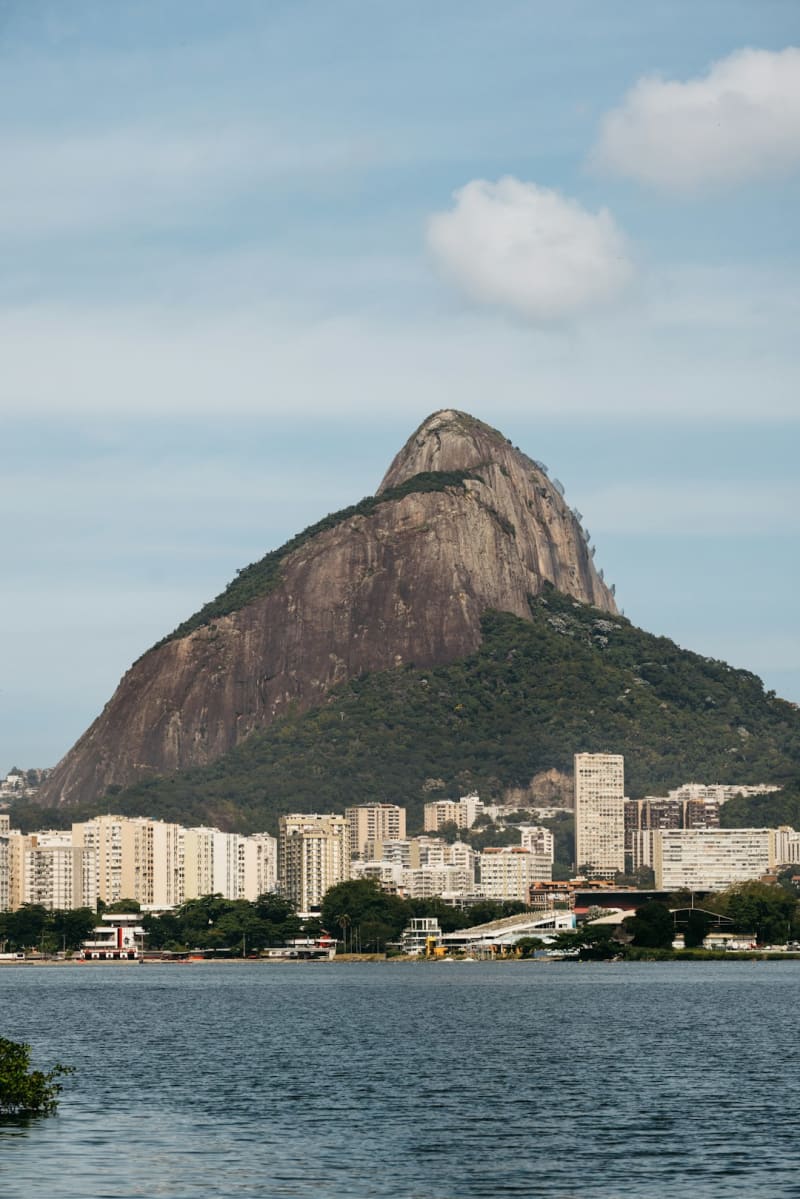 brazil
 Blumenau
A Bavarian-heritage city on the Itajaí river that throws the second-largest Oktoberfest on earth, half-timbered facades and all.
Explore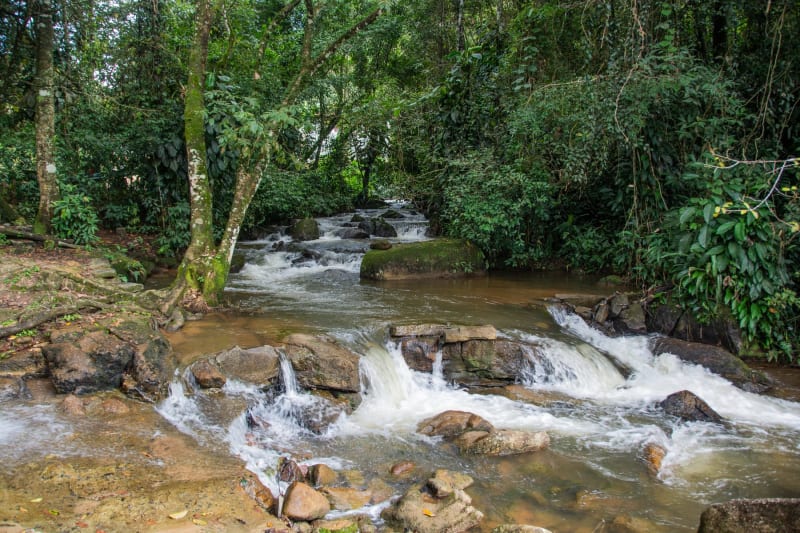 brazil
 Bonito
Brazil's ecotourism capital where crystal-clear rivers let you snorkel eye-to-eye with hundreds of tropical fish.
Explore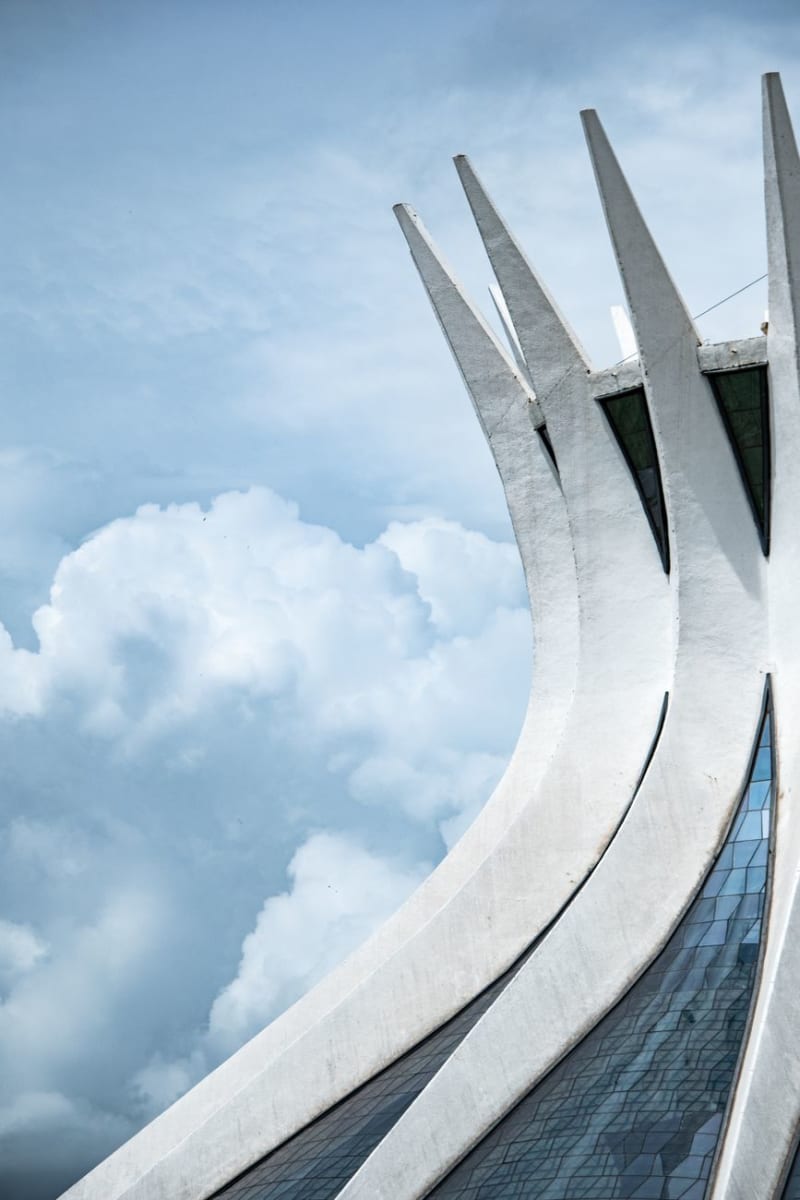 brazil
 Brasília
Brazil's improbable capital, a modernist city dreamed up from nothing and laid out across the empty highlands in the shape of an airplane.
Explore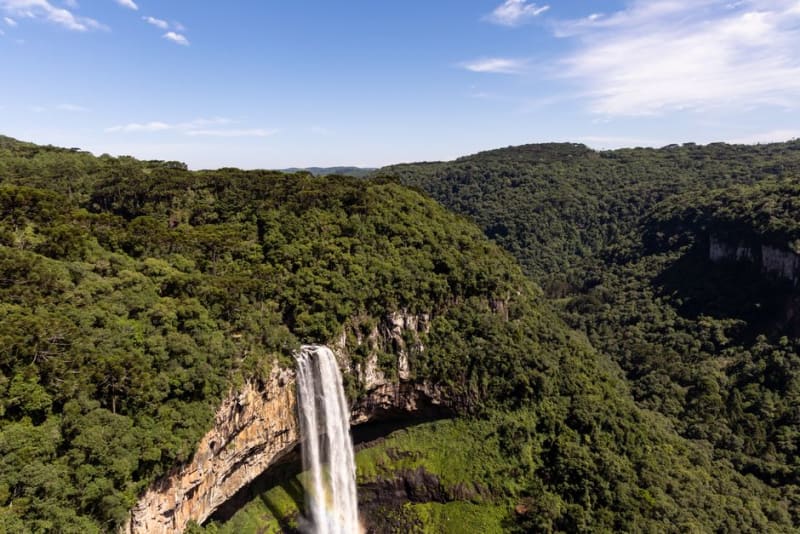 brazil
 Brotas
The adventure-sports capital of interior São Paulo, where I got thrown out of a raft twice and went back the next day anyway.
Explore