
Tsodilo Hills
"Someone painted a giraffe on this rock twenty thousand years ago and it is still, unmistakably, a giraffe."
A sacred outcrop of ancient rock rising from the Kalahari sands, carrying more than four thousand paintings made by the San people over twenty-five thousand years.

The first thing that strikes you about the Tsodilo Hills is that they should not be there. The Kalahari around them is so flat, so relentlessly level, that the hills rise from the sand like something that was placed rather than formed — four quartzite outcrops, the largest reaching almost five hundred meters above the plains, with no geological explanation that feels satisfying from the ground. The San people who have lived near them for millennia call them Male, Female, Child, and an unnamed fourth. The Female hill is the largest and the oldest. According to the oral tradition, the first spirit descended to earth here, and the marks left by all creation were recorded in the rock.

There are more than four thousand individual paintings on the Tsodilo Hills, making it one of the densest concentrations of rock art on earth — which is what earned it UNESCO World Heritage status in 2001. But numbers do not prepare you for the experience of finding them. My guide, a quiet man from the local San community, led me along narrow paths through rock fissures, around boulders the size of houses, and along ledges that required hands and feet both. At each site he would pause, wait, and let you look. No commentary unless you asked. Some of the paintings are faded to near-invisibility, a red ochre smear that might be an animal or might be the rock. Others are startlingly vivid — a panel of white rhinos painted with the same confidence you would expect from someone who has seen rhinos every day of their life, which the artist probably had.
What moved me most was the overlay of time. The paintings are not from a single period — they span at least twenty-five thousand years of occupation, and the layers tell stories that no one living can fully decode. A rhinoceros painted in red is partly covered by a later painting of a fish in white, which is in turn partly obscured by a more recent geometric pattern. The rock is an archive, but not a library — there is no index, no translator. You stand in front of it and you understand that you are looking at something that mattered profoundly to people you will never understand, and the gap between you and them is the entire distance of human history.
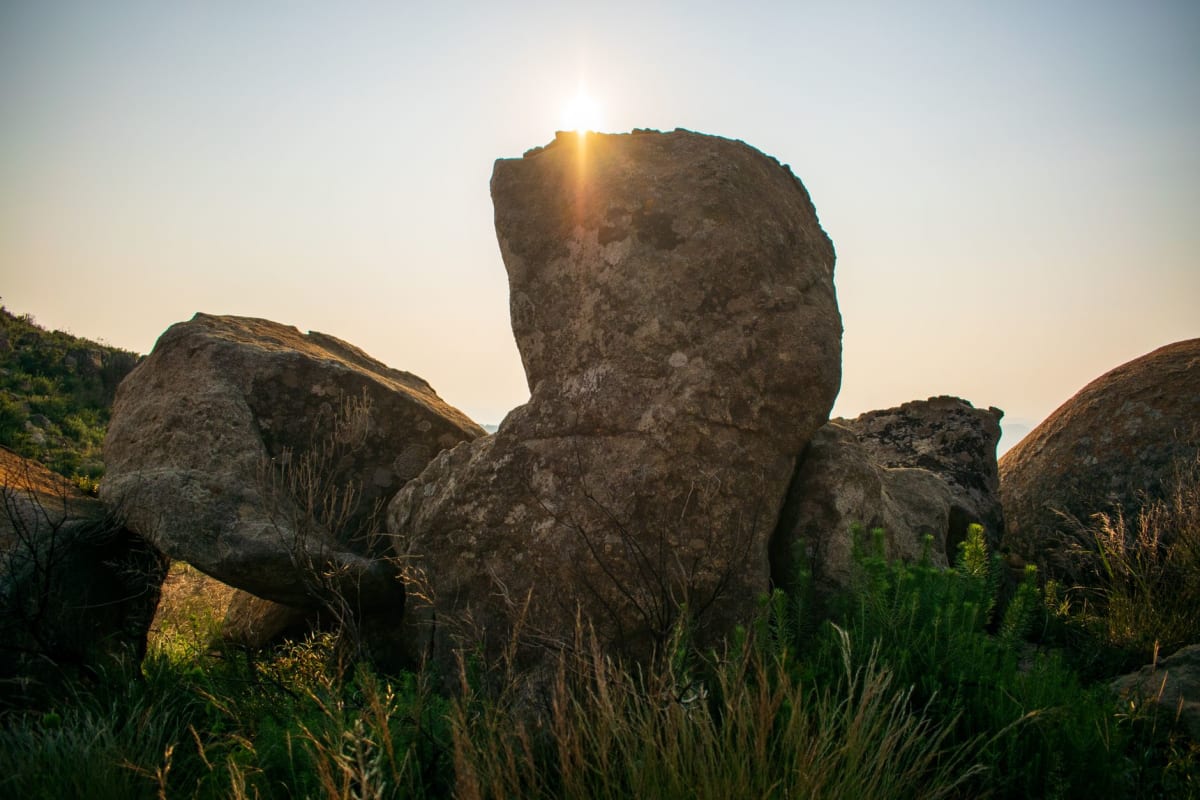
The hills have an atmosphere that is difficult to describe without sounding mystical, and I am constitutionally suspicious of mysticism in travel writing. But there is something in the combination of the scale, the silence, the extraordinary age of the paintings, and the physical strangeness of these hills erupting from the pan-flat desert that produces a quality of attention I have rarely felt elsewhere. Not quite awe. Something closer to the feeling of reading a very old letter in handwriting you can only partly decipher, and knowing that the person who wrote it was serious.
Getting to Tsodilo from Maun involves a long drive on sandy tracks — four-wheel drive is mandatory, not optional — and the last stretch passes through a dry riverbed that becomes impassable after rain. The site has basic camping, a small museum, and guided walks that are essential since you cannot walk the paintings trail alone. Budget a full day minimum. Two days rewards the patience.
When to go: May through October for dry conditions and passable roads. July and August are the most comfortable temperature-wise. Avoid the rainy season entirely — the access roads become impassable and the site officially closes. The light on the hills is extraordinary at dawn and dusk, and staying overnight at the campsite is worth the basic facilities.
Keep exploring
More from Botswana
 botswana
Tuli Block
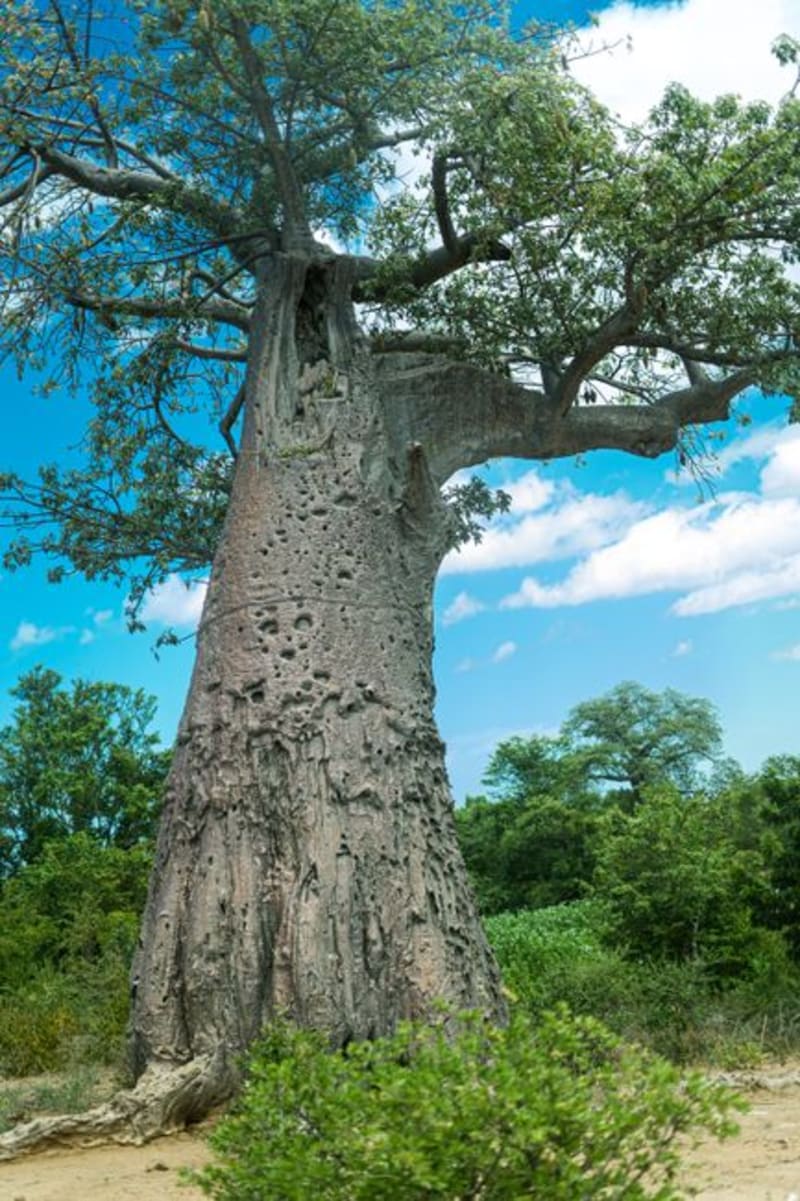
A wild sliver of sandstone koppies and ancient baobabs where elephants outnumber roads and Botswana's safari story began.
Explore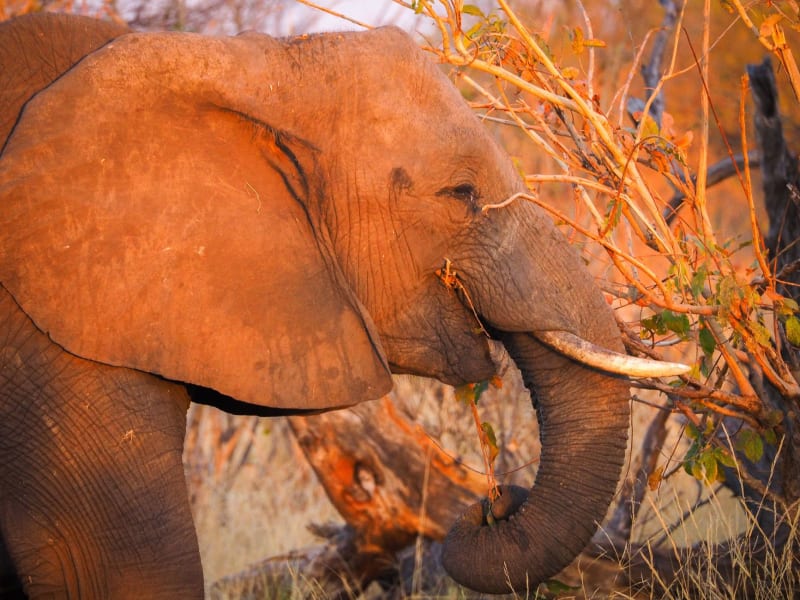 botswana
Central Kalahari Game Reserve
One of the largest protected areas on earth — a desert that is not quite a desert, where lions hunt gemsbok across ancient fossil riverbeds.
Explore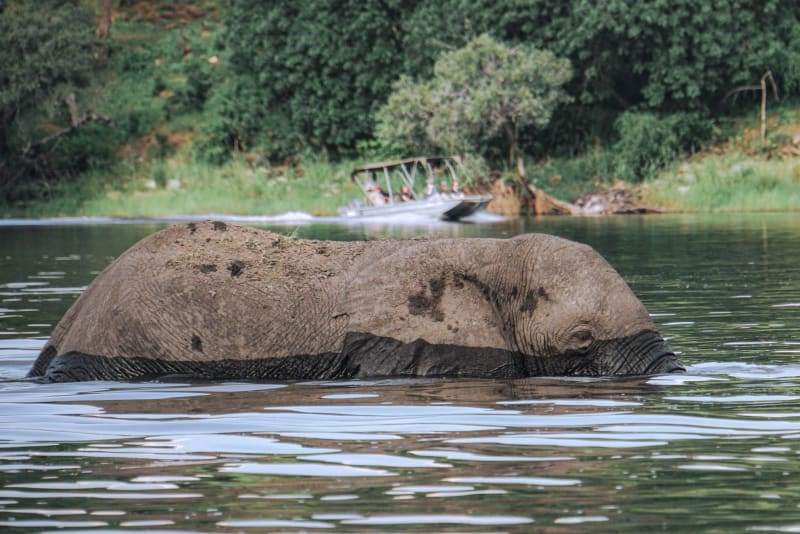 botswana
Chobe National Park
Where the world's largest elephant population gathers along a river border in a spectacle that makes every wildlife documentary look like an understatement.
Explore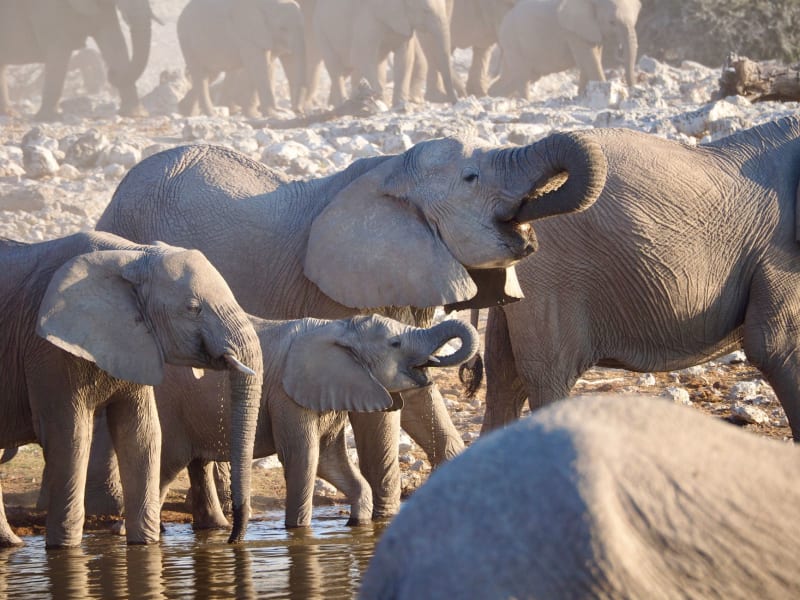 botswana
Kasane
A border town at the meeting point of four countries where hippos share the main road with petrol tankers and the Chobe River is ten minutes from the supermarket.
Explore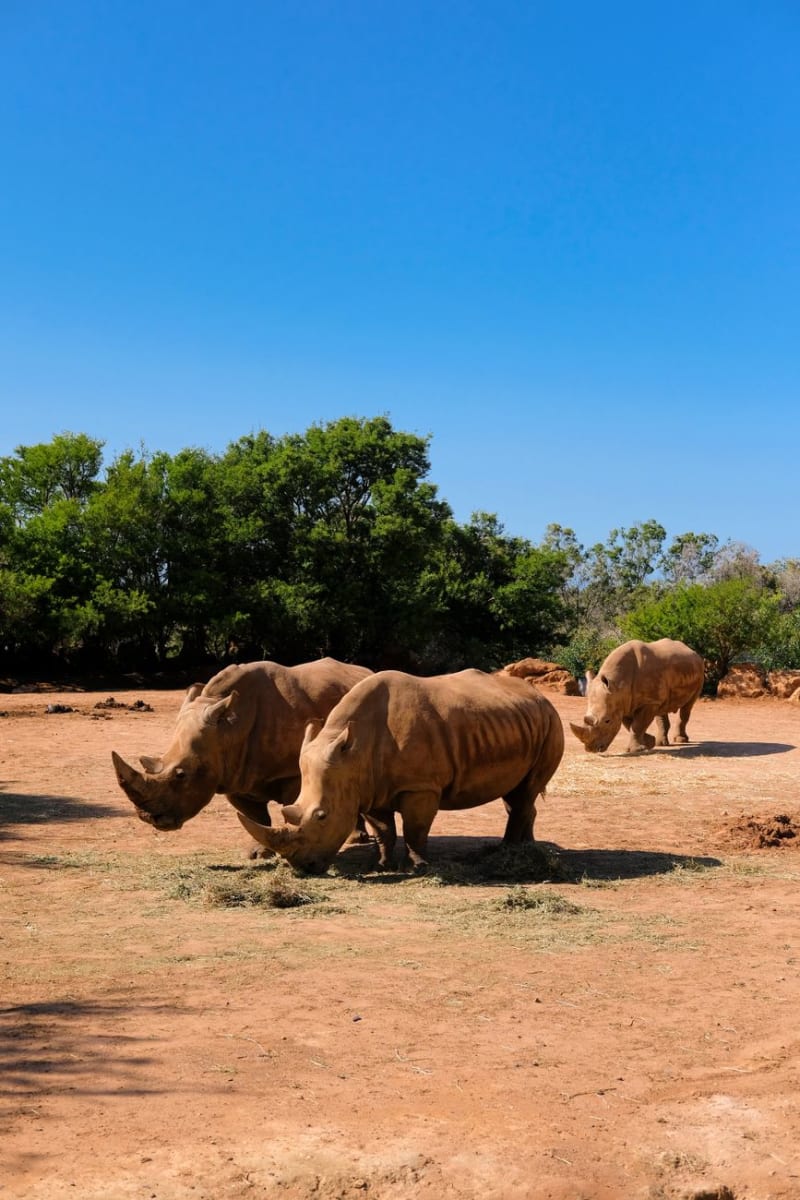 botswana
Khama Rhino Sanctuary
A community-run patch of sandveld near Serowe where a village decided, three decades ago, to save the rhino itself — and quietly did.
Explore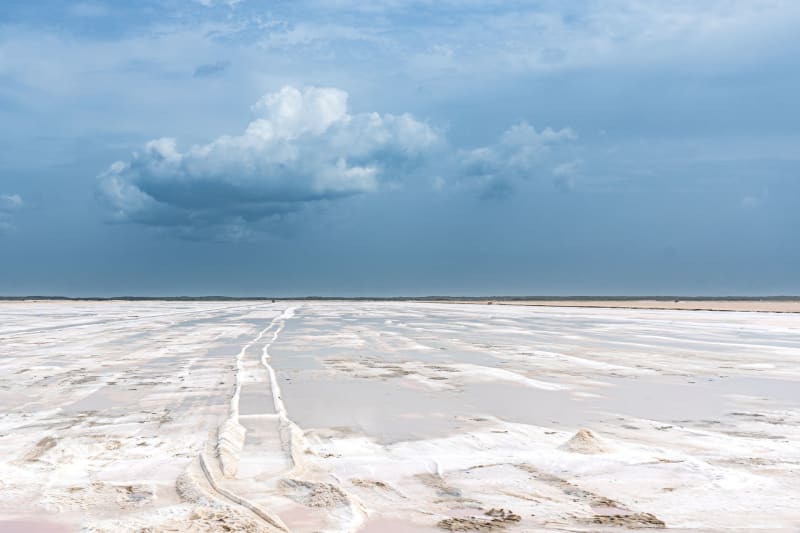 botswana
Makgadikgadi Pans
Ancient salt flats so vast and so flat they bend your sense of perspective — and in the wet season, transform into the staging ground for Africa's greatest zebra migration.
Explore