Mokolodi Nature Reserve
"Ten kilometres from the airport and I was already crouched behind a bush, watching a rhino chew."
A private reserve just south of Gaborone where rhino-tracking on foot and a quiet conservation story replaced our idea of a rushed capital-city stopover.
We’d landed in Gaborone with a full day to kill before our onward flight north, and I honestly expected to spend it in a hotel lobby answering emails. Instead, a guy at our guesthouse mentioned Mokolodi, a reserve just down the Lobatse road, and said we could be back by dinner. Lia looked it up while I was still finishing my coffee, and twenty minutes later we were in a rented Corolla that had no business being on that gravel, bumping toward the gate. I remember thinking it felt almost too easy — no bush flight, no three-hour transfer, just a short drive from the capital into something that already felt like a different country.
What struck me first was how deliberately human the place felt, in a good way. Mokolodi was established in 1994 with conservation education at its core, and you feel that the moment you walk into the small museum near the entrance — it’s clearly built for Botswana schoolchildren as much as for visitors like us. There’s also a sanctuary section for animals that got hurt or orphaned and can’t go back to the wild, which Lia found harder to walk through than the open reserve itself. She kept stopping to read the little placards about each animal’s story, and I had to gently pull her along so we wouldn’t miss our afternoon walk.
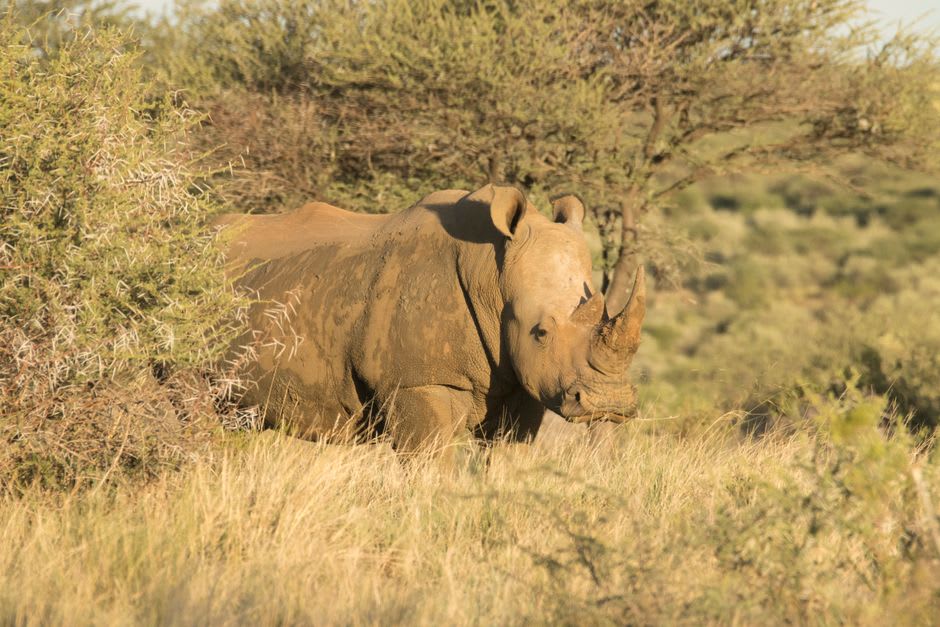
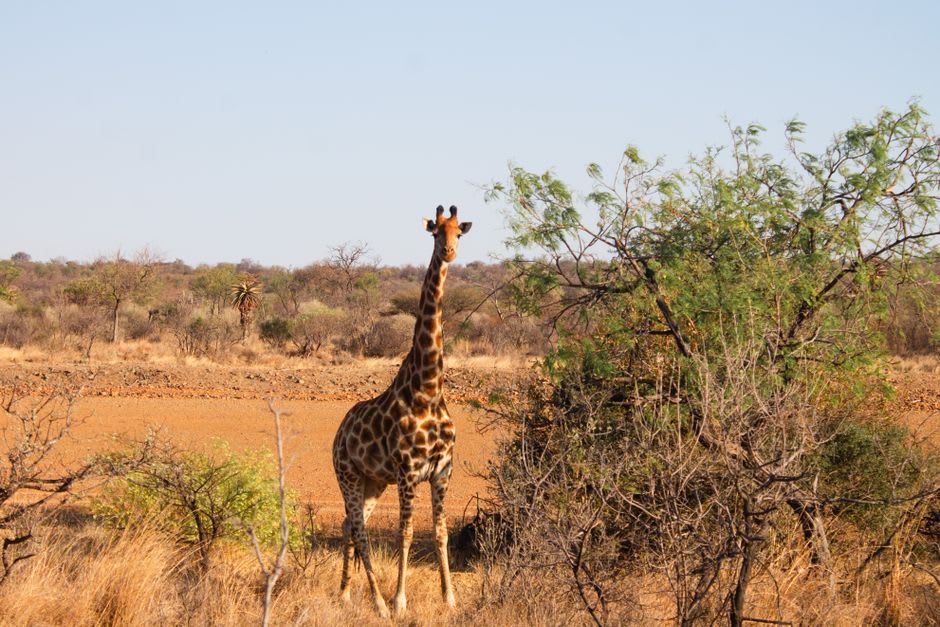
The rhino tracking is the thing I still bring up when people ask about Botswana. We went on foot with a guide who moved so quietly I felt clumsy just breathing, and after maybe forty minutes we came around a stand of acacia and there they were — two white rhino, close enough that I could hear them tearing grass. Nobody said a word for what felt like ten minutes. Later, on the game drive portion, we picked up giraffe loping across the reserve’s roughly 30 square kilometres, a warthog family trotting single-file with tails up like little antennae, and zebra grazing so unbothered by our vehicle that our guide cut the engine and just let us sit with them.
What I keep coming back to is how Mokolodi isn’t trying to be Chobe or the Okavango, and it doesn’t need to be. It’s designed for people exactly like us that day — short on time, close to the capital, curious. We were back at our guesthouse before dark, dusty and a little sunburned, and I remember telling Lia over dinner that this half-day detour had somehow become one of the most vivid memories of the whole trip.
When to go: Mokolodi welcomes visitors year-round, but if it’s your priority to see rhino and other game clearly, aim for the dry winter stretch between May and September, when the bush thins out and animals cluster more predictably around water.
Keep exploring
More from Botswana
 botswana
 Moremi Game Reserve
The wild heart of the Okavango Delta, where leopards sleep in fever trees and wild dogs hunt in the hour before sunrise.
Explore botswana
 Nxai Pan National Park
A fossilized lake bed ringed by ancient baobabs where the world's oldest trees and Botswana's most surreal landscape meet in the heart of the Kalahari.
Explore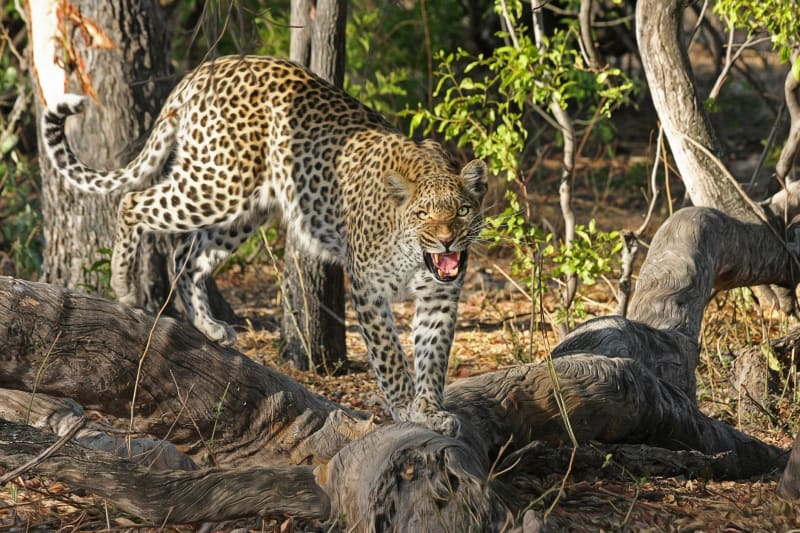 botswana
 Okavango Delta
An inland sea that appears each year in the middle of the Kalahari desert, defying every expectation of how water should behave.
Explore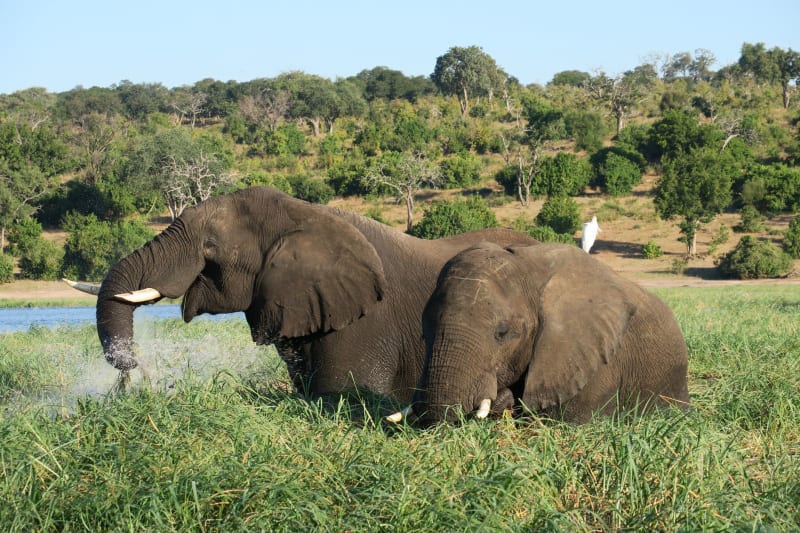 botswana
 Savuti
A remote channel in the western reaches of Chobe that dries up and floods on its own geological timeline — and where lions have learned to hunt elephants.
Explore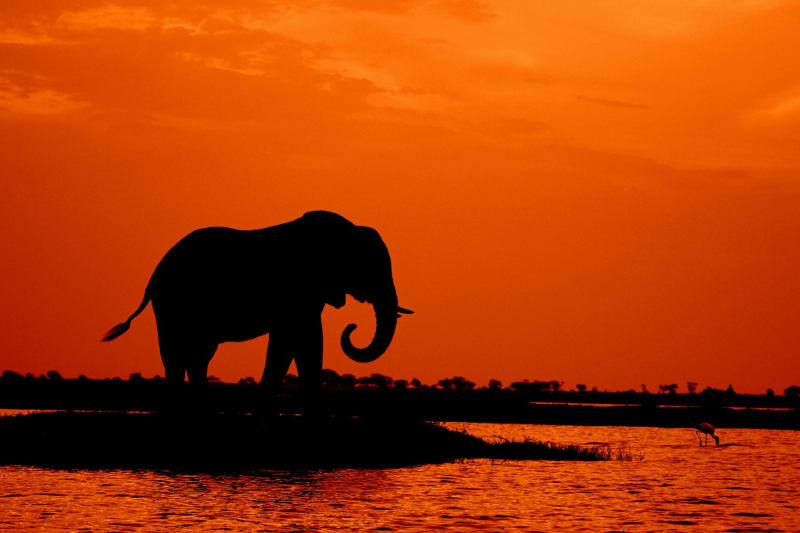 botswana
 Tsodilo Hills
A sacred outcrop of ancient rock rising from the Kalahari sands, carrying more than four thousand paintings made by the San people over twenty-five thousand years.
Explore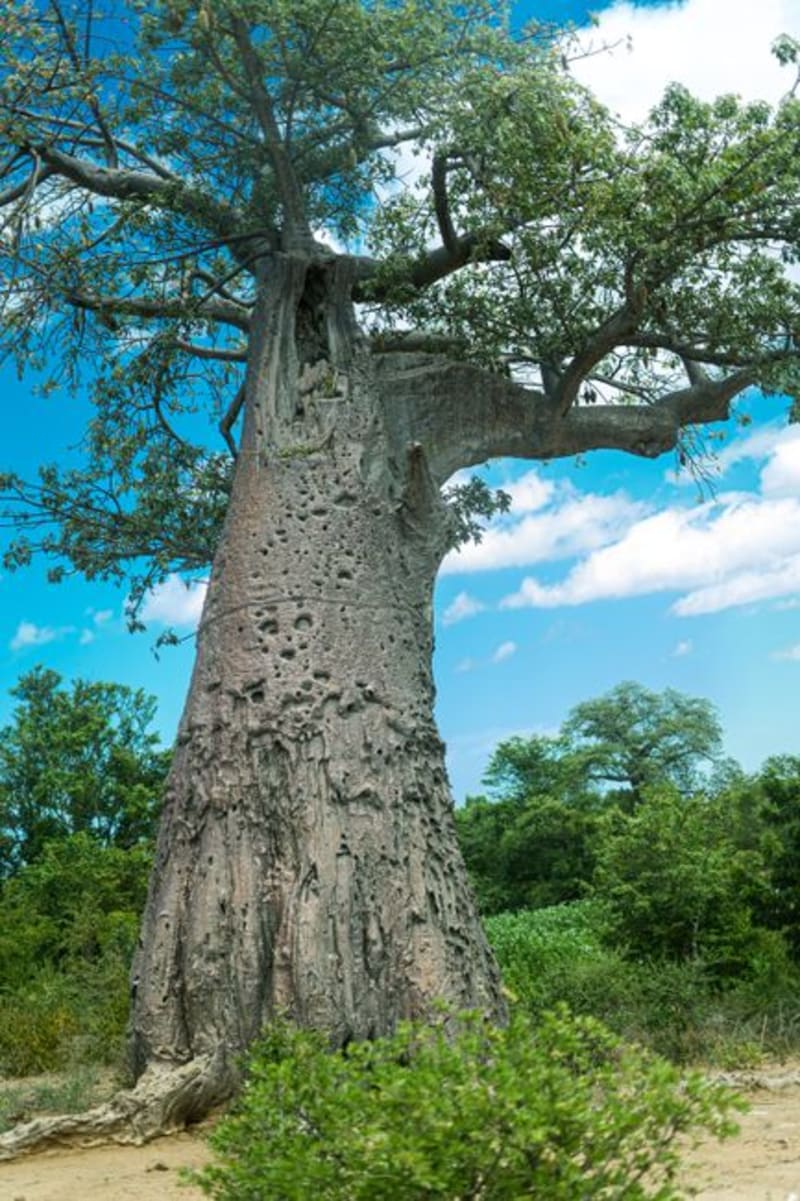 botswana
 Tuli Block
A wild sliver of sandstone koppies and ancient baobabs where elephants outnumber roads and Botswana's safari story began.
Explore