Khama Rhino Sanctuary
"Lia whispered 'there' and I spent a full minute looking at the wrong grey rock before the rock turned its head."
Most of Botswana’s wildlife stories happen in the great wet wildernesses up north — the Okavango, Chobe, the Kalahari pans. Khama Rhino Sanctuary is the quiet exception, sitting in the dry middle of the country near Serowe, the ancestral town of the Khama family, and it exists not because of government decree or foreign foundation but because the local community decided in 1992 that the rhinos were not going to vanish on their watch. Poaching had all but wiped them out of Botswana. The villagers fenced off a stretch of sandveld around the Serwe Pan, brought animals back in, and started guarding them. We came expecting a modest detour and found a place I have been recommending to people ever since.
A sanctuary the village built
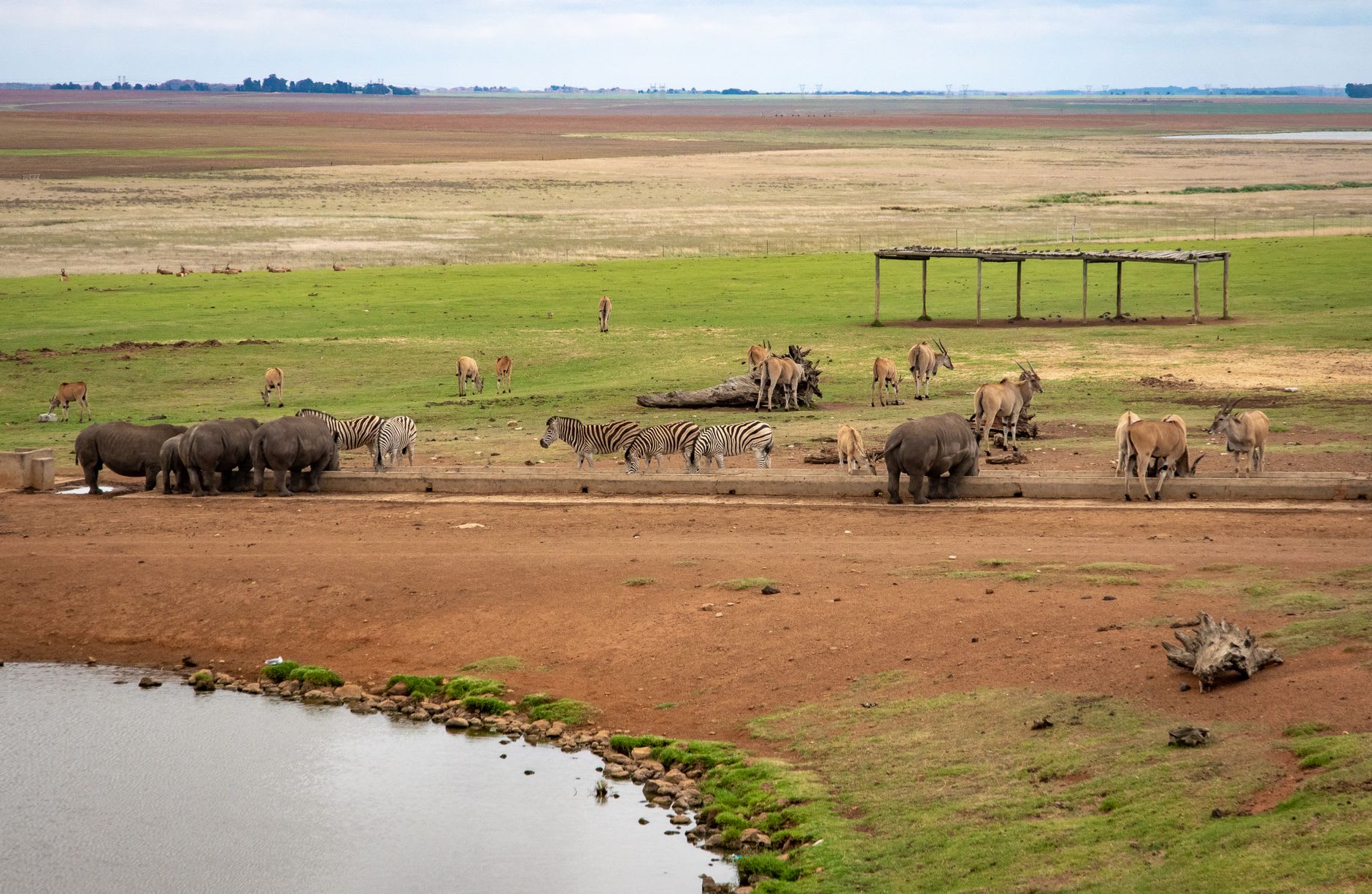
The sanctuary covers a few thousand hectares of Kalahari sandveld — pale grass, mokongwa and acacia woodland, the chalky white sweep of the Serwe Pan at its heart. It is small enough that you can self-drive the loops in an afternoon, which we did in a dusty rented bakkie with Lia navigating off a photocopied map that bore only a passing resemblance to the actual tracks. The point of the place is the rhino, both white and the rarer, twitchier black, and the guides at the gate will tell you honestly that sightings take patience. We crawled along for an hour seeing nothing but impala and a bored-looking giraffe before we found them.
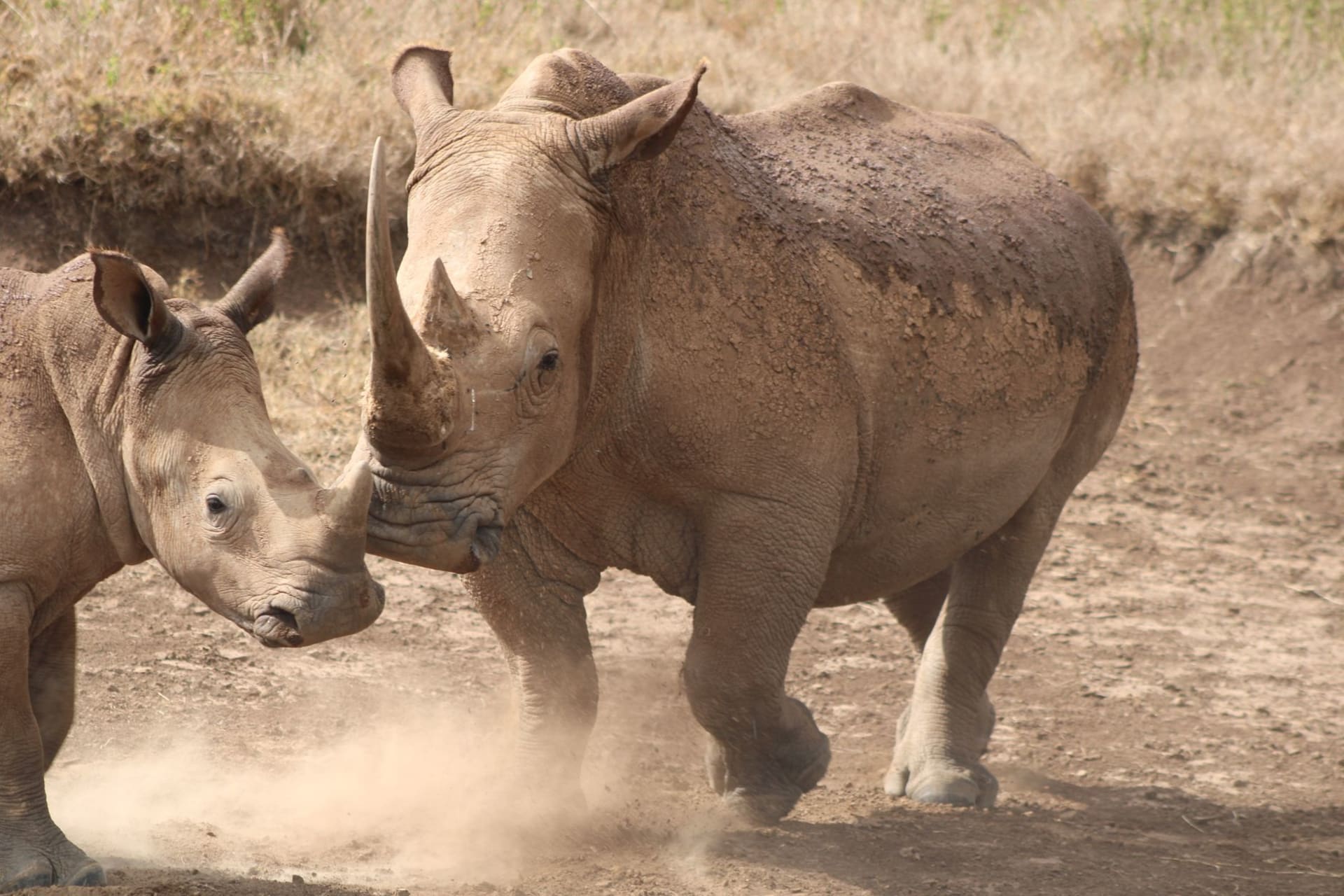
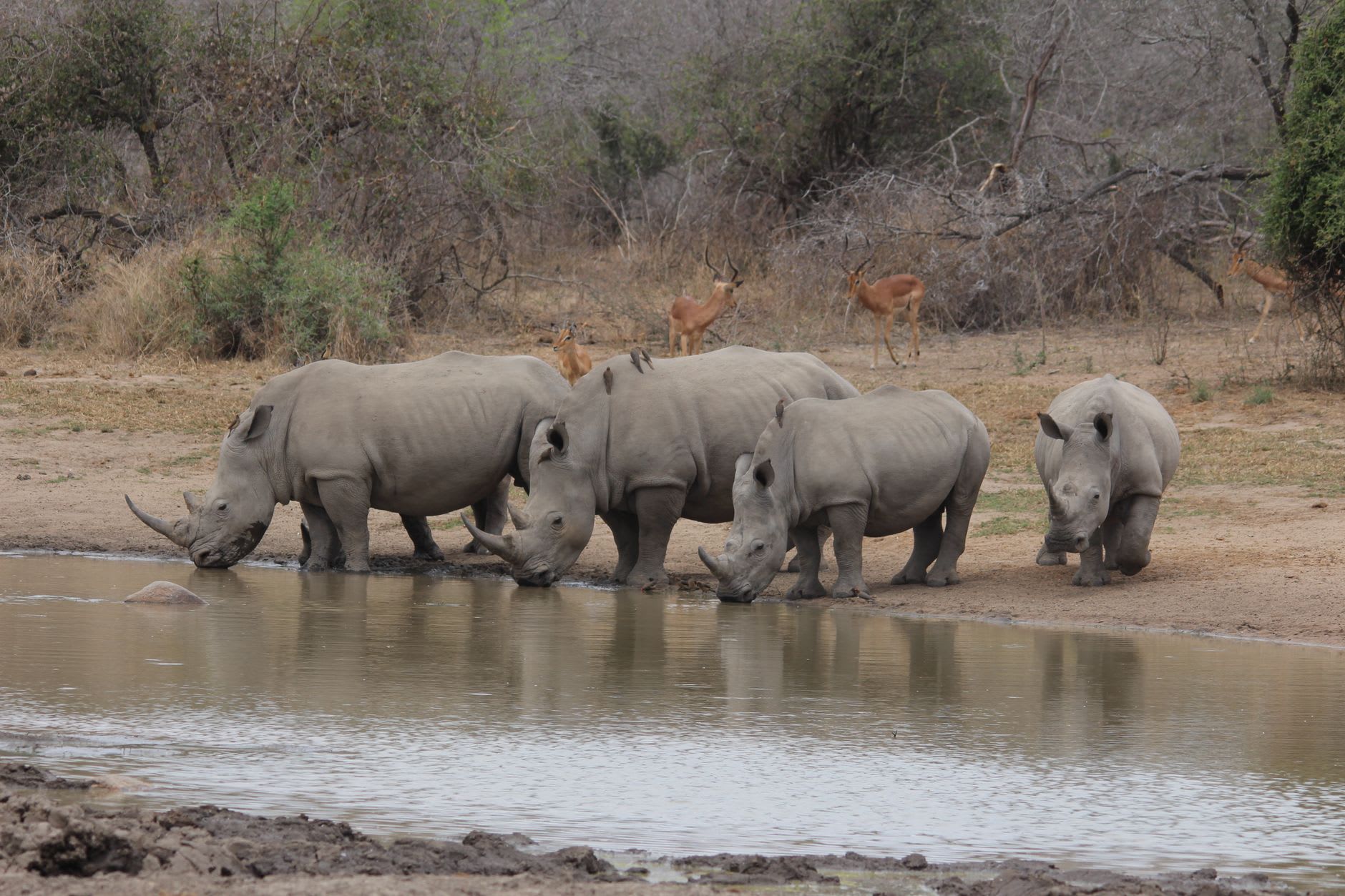
When we did, it was four white rhinos at the edge of the pan in the late gold light, a mother and calf among them, grazing with the unhurried bulk of animals that have nothing to prove. There is a particular stillness to a rhino. It is enormous and ancient and entirely uninterested in you, and watching one chew through the long grass while the calf shadowed its flank, I felt the specific weight of the fact that this animal is here only because a few hundred people refused to let it not be.
Sleeping in the sandveld
We stayed the night at the sanctuary’s own campsite, which is run by the same community trust and pours its fees straight back into the project and the surrounding villages — the cleanest version of conservation economics I have come across. The ablution block was spotless, the firewood was sold by a teenager who gave me a lecture on the merits of mokongwa wood for a slow burn, and as the sun went down the temperature dropped the way it only does in dry country, fast and hard.
After dark the place became a different animal. We sat by the fire listening to jackals starting up somewhere out on the pan, and a brown hyena — shy, shaggy, unlike its spotted cousins of the north — passed through the edge of the firelight without breaking stride. In the morning we drove the loops again with coffee going cold in the cup holder and found zebra, wildebeest, and a single ostrich running flat-out for no reason any of us could determine. The rhinos were the headline, but the sanctuary’s real lesson is quieter: that conservation done by the people who live next to the animals can simply work, without drama, for thirty years and counting.
When to go: The dry season from May to September, when the grass thins and the animals concentrate around the pan and waterholes, making sightings far likelier. It breaks the long drive between Gaborone and the northern parks perfectly — treat it as a destination, not just a stopover, and give it a full night.